My first RV campground arrival looked calm from the outside and slightly chaotic from the driver’s seat. I have learned that the best trips come from knowing the small details before the wheels stop rolling. These beginner RV campground tips are the notes I wish I had taped to my dashboard on day one.
I keep my travel notes obsessively, and RV camping has the same rule I learned from flying: preparation makes room for fun. From choosing a site to connecting utilities, these steps help turn your first campground stay into a memory instead of a troubleshooting session.
Choose the Right RV Campground for Your First Trip
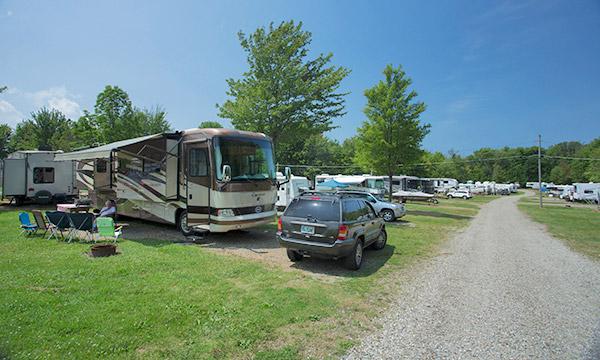
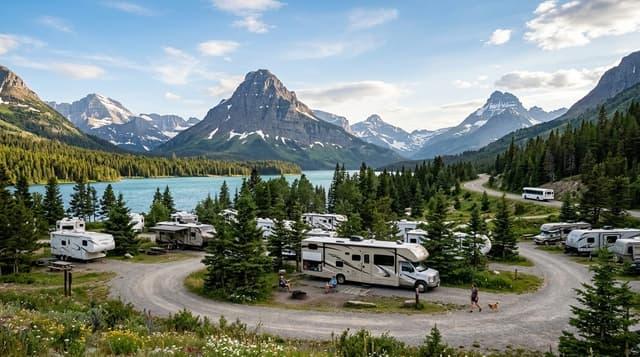
I recommend starting with a campground that matches your comfort level, not your ambition. A quiet site close to home is often smarter than a remote adventure for your first outing. Recreation.gov also recommends choosing locations that fit your experience level and checking site information before arriving.
My beginner campground checklist
- Choose easy access roads and clear site descriptions.
- Look for reviews mentioning RV size and hookups.
- Pick a destination where a small mistake is easy to fix.
Reserve Your Campsite Before Arriving
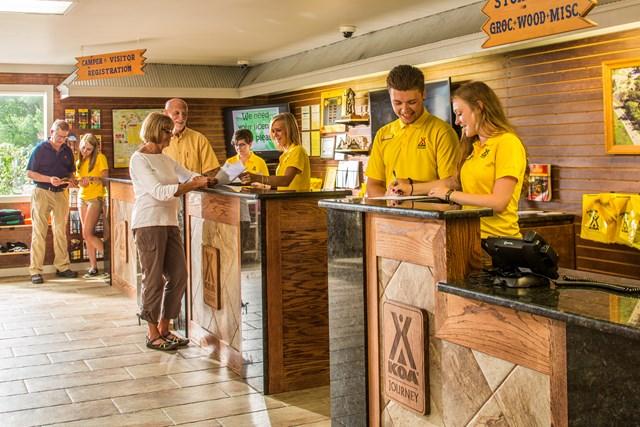
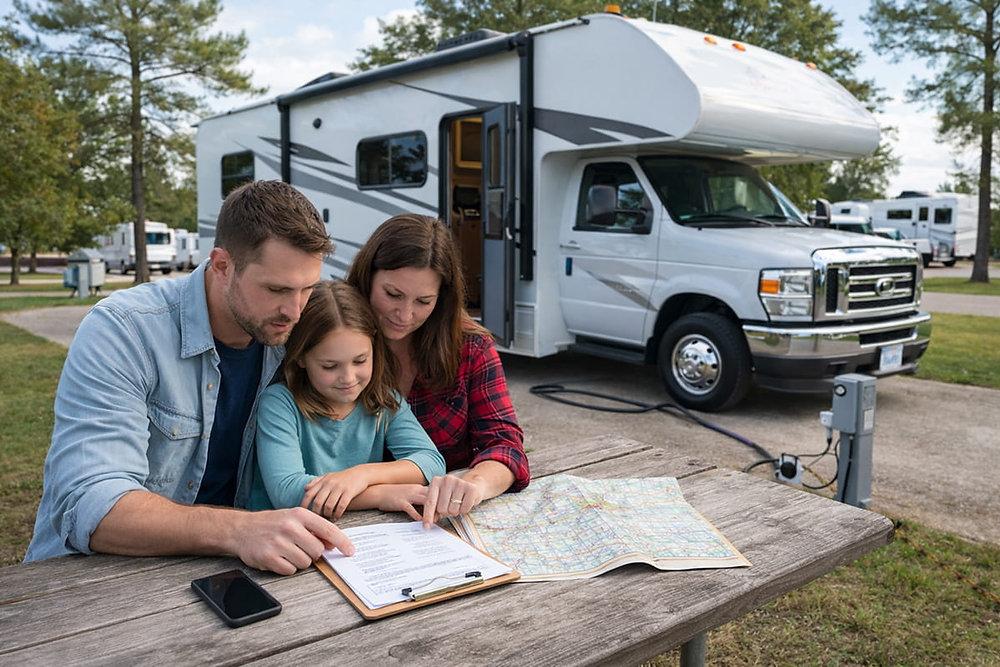
I have learned never to assume a popular campground will have a last-minute opening. Many high-demand recreation sites now rely on advance reservations, and booking windows can fill quickly.
Before I confirm a spot, I check the site length and access notes, because a beautiful location is not useful if my RV cannot comfortably fit.
Learn Your RV’s Setup and Hookups
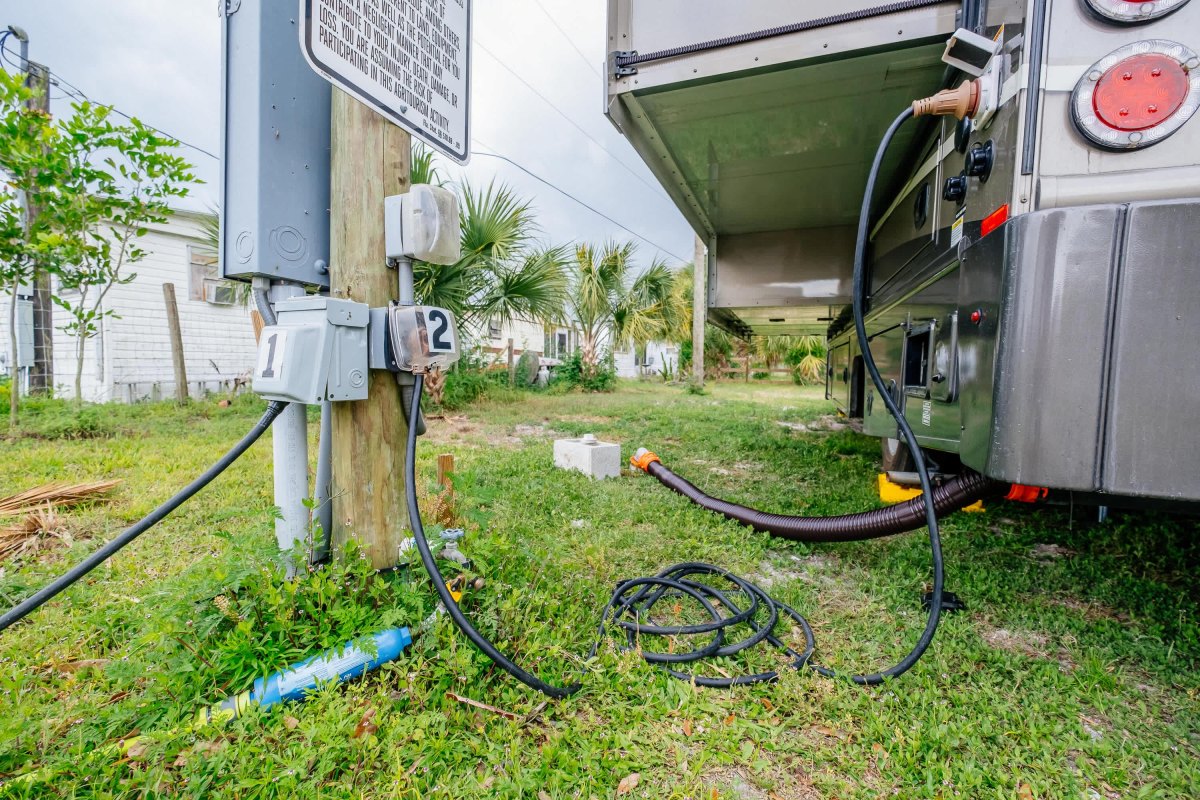
The first time I saw an RV pedestal, water spigot, and sewer connection together, it looked like a puzzle designed by someone who enjoyed confusing travelers. The basics are simple: electricity, water, and sewer are the main campground systems.
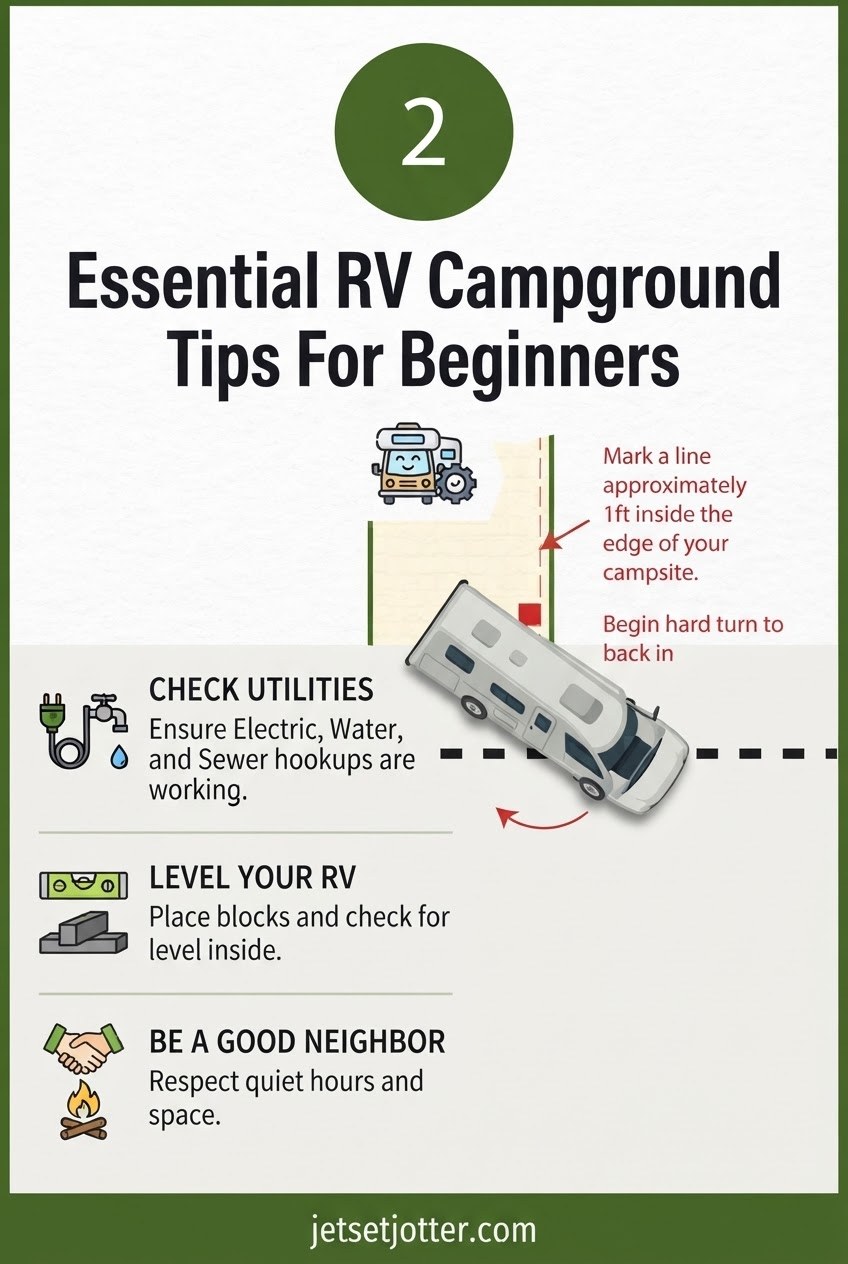
Practice Parking and Backing Up Your RV
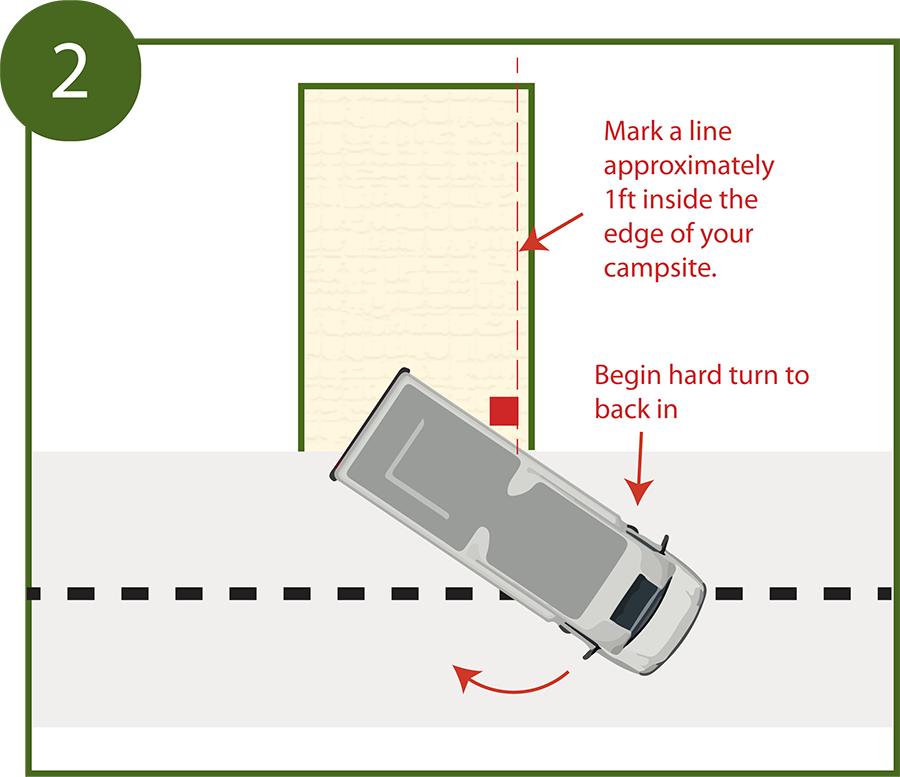
Backing an RV is a skill, not a personality trait. I practiced in an empty parking lot before my first campsite because confidence is cheaper than repairing a bumper.
Use a spotter, communicate clearly, and remember that slow movements prevent mistakes. No campground neighbor is judging a careful three-minute parking job.
Pack Essential RV Camping Supplies
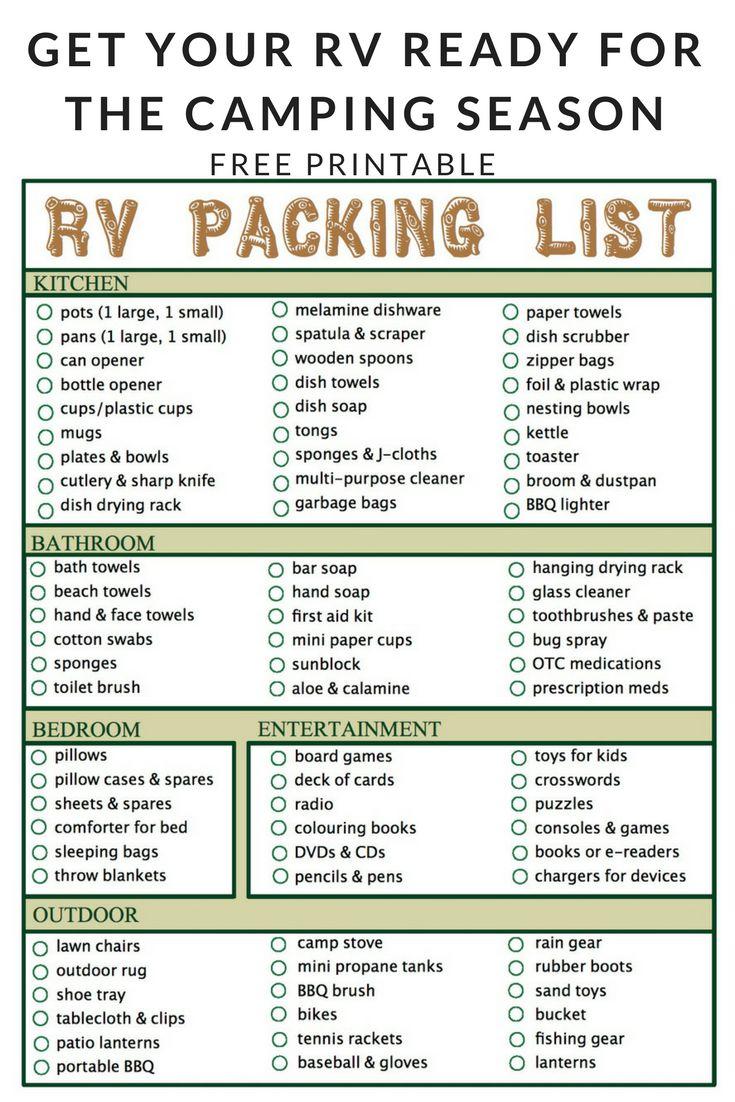
I pack RV supplies the same way I pack a carry-on: everything needs a purpose and a home. A few overlooked items can create unnecessary stress.
- Drinking-water-safe hose
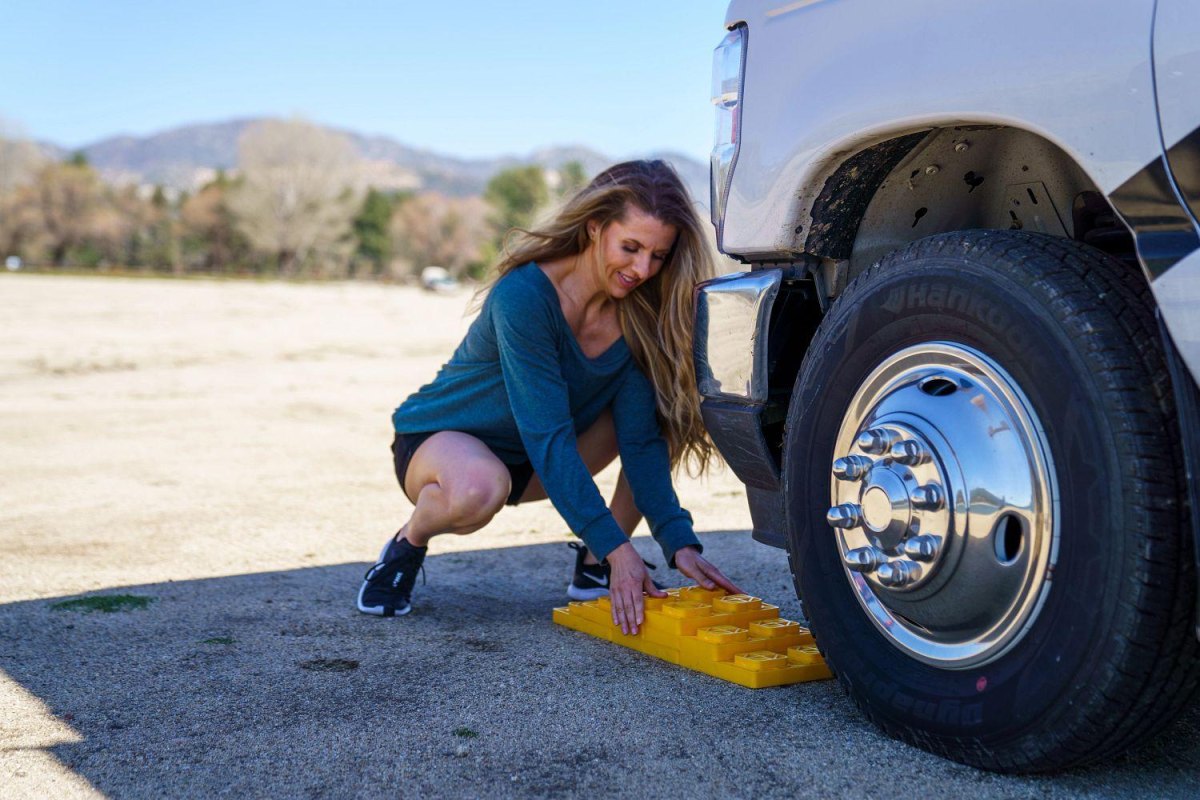
- Leveling blocks and wheel chocks
- Extension cords and adapters
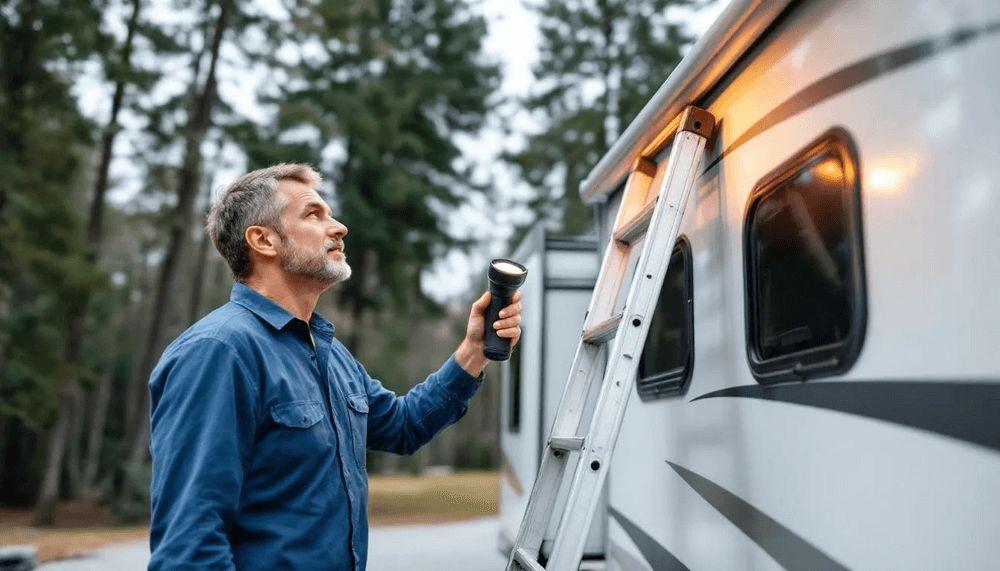
- Flashlight and basic tools
The goal is not bringing everything; it is carrying the right essentials for your rig.
Arrive During Daylight Hours
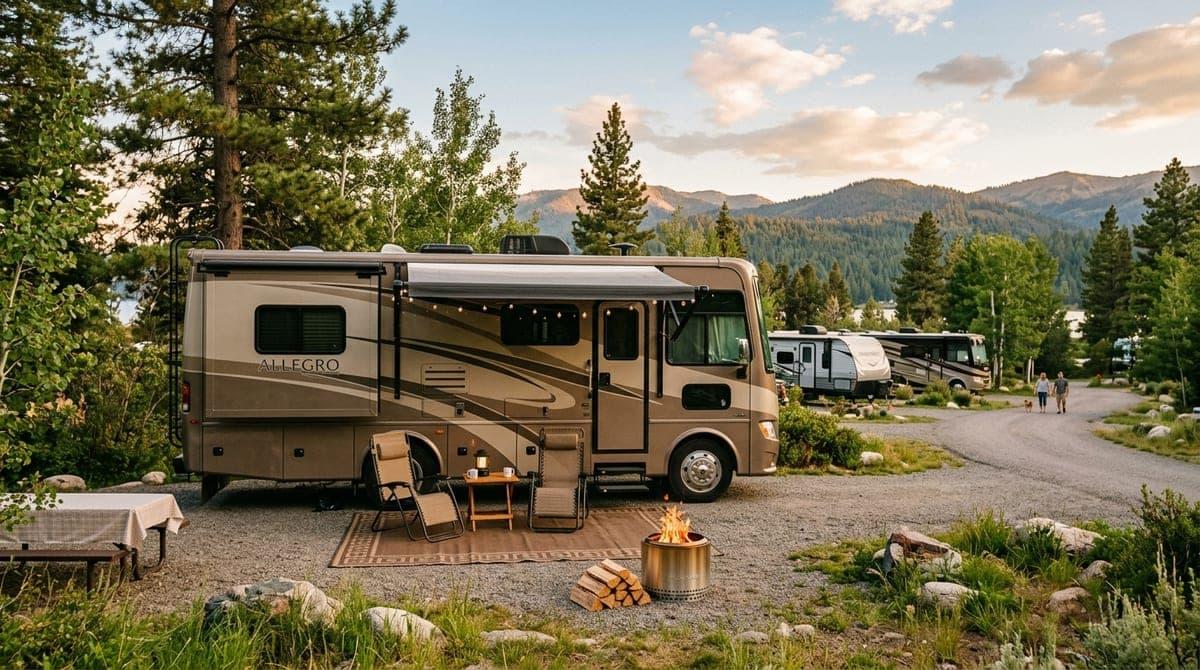
I treat first campground arrivals like airport connections: give yourself margin. Arriving before dark makes it easier to spot obstacles and understand your site.
Travel tip
Arrive early enough to complete setup without rushing. A calm first evening creates a much better RV camping experience.
Inspect Your Campsite Before Setting Up
I always walk the site before parking. It takes less than a minute and can reveal low branches, uneven ground, or a hookup location that changes my approach.
Check your surroundings first, then position the RV for easy setup and safe clearance.
Follow Campground Rules and Etiquette
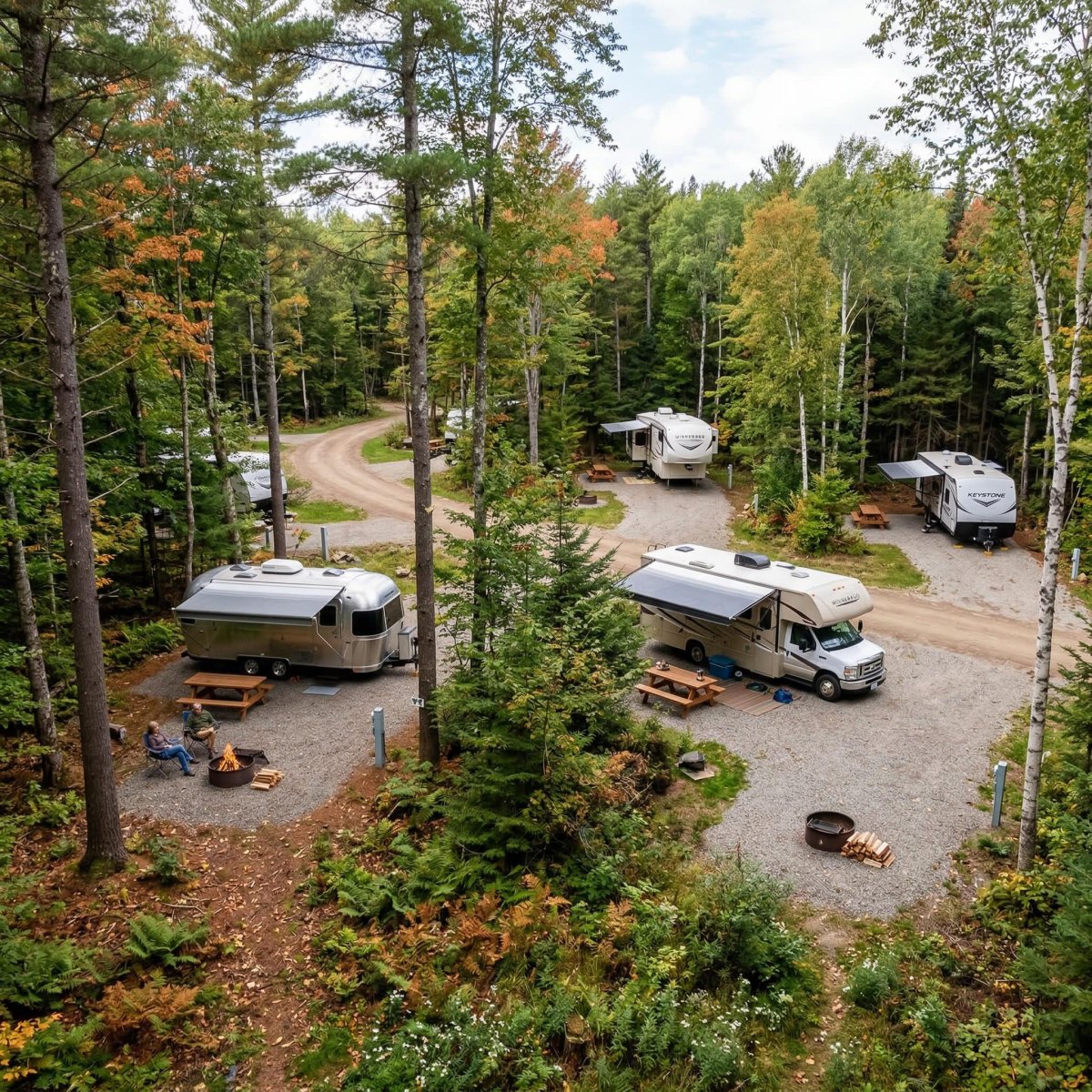
Good campground neighbors make every trip better. I keep noise low, respect boundaries, and remember that everyone came outside for a peaceful break.
Manage Water and Electricity Wisely
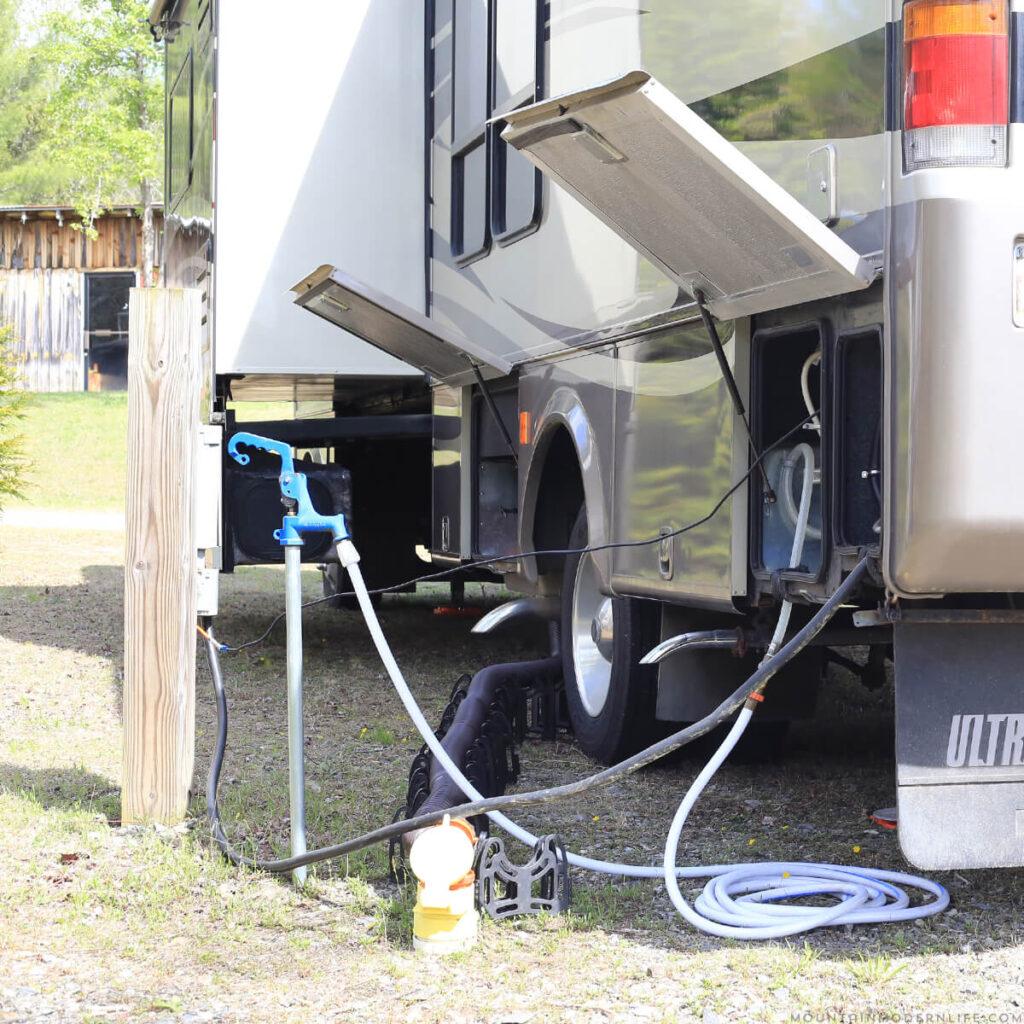
RV utilities become much less intimidating once you understand them. Full hookups typically provide electricity, water, and sewer connections, but each requires careful use.
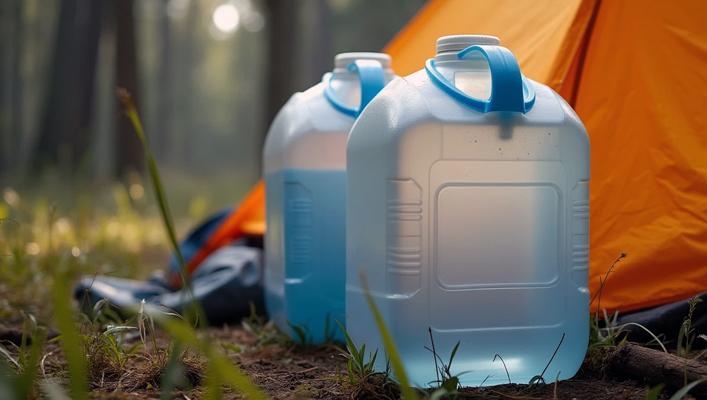
I always use a drinking-safe water hose and pressure regulator because campground water systems can vary.
Keep Your RV Clean and Organized
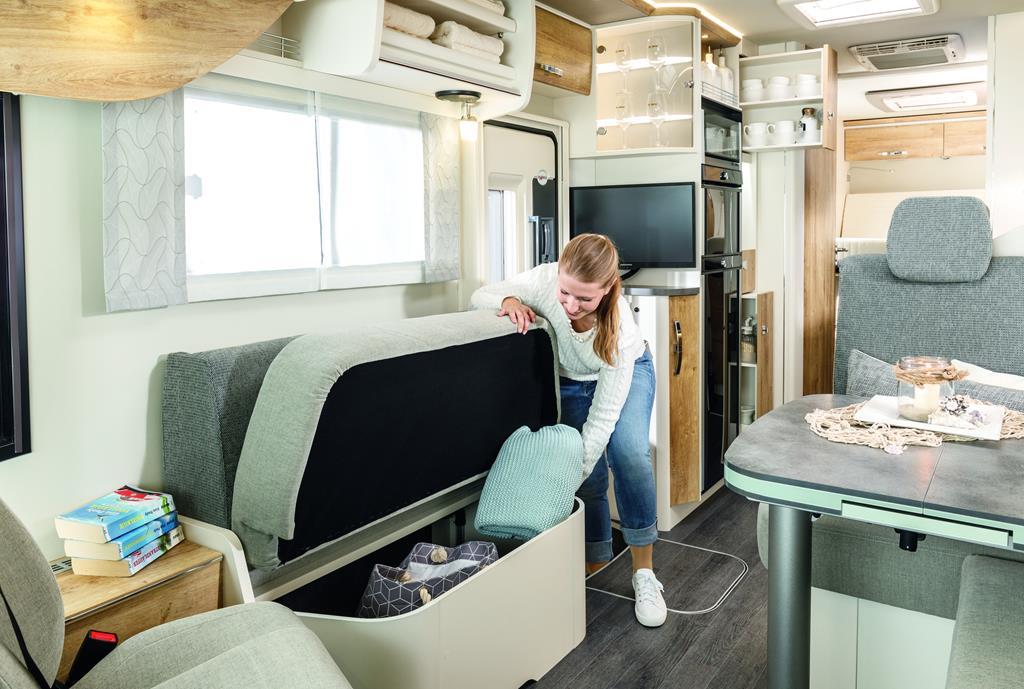
Small spaces reward organization. I assign every item a storage place because searching for a flashlight in a dark RV is an unnecessary adventure.
A simple routine for dishes, trash, and gear keeps the tiny home on wheels feeling comfortable.
Prepare for Weather and Emergencies
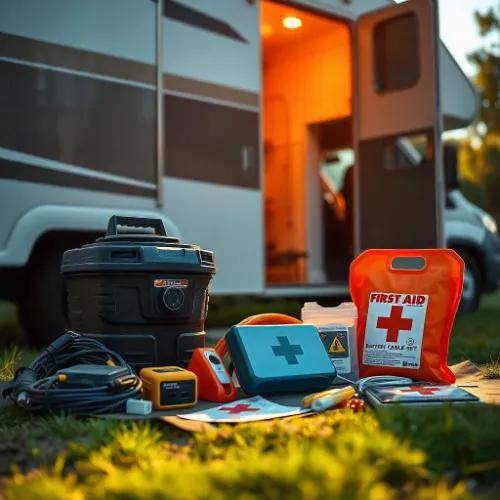
My flight attendant training taught me that calm preparation beats panic. RV trips need the same approach: check weather, know your route, and keep basic emergency supplies available.
Safety reminder
Never ignore changing conditions. A flexible plan is a smart camping strategy when weather shifts.
Respect Nature and Leave No Trace
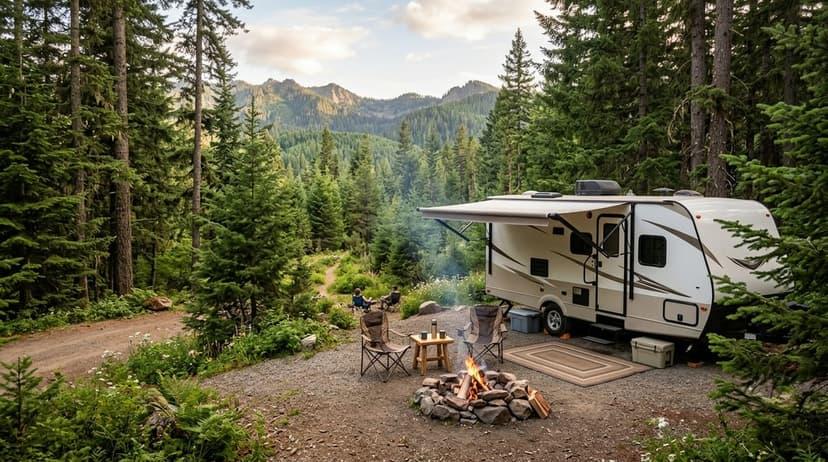
The best campsites are shared spaces, not private playgrounds. I leave every location cleaner than I found it because the next traveler deserves the same experience.
Protecting trails, wildlife, and quiet spaces is part of being a responsible RV traveler.
Plan Your Next RV Adventure
After each trip, I write down what worked and what I would change. My notebooks started with flights, but the same habit makes RV travel smoother.
Review your first trip, improve your setup, and plan the next route with less guesswork and more confidence.
The best travel plans leave enough room for the unexpected.
Lena’s travel notebook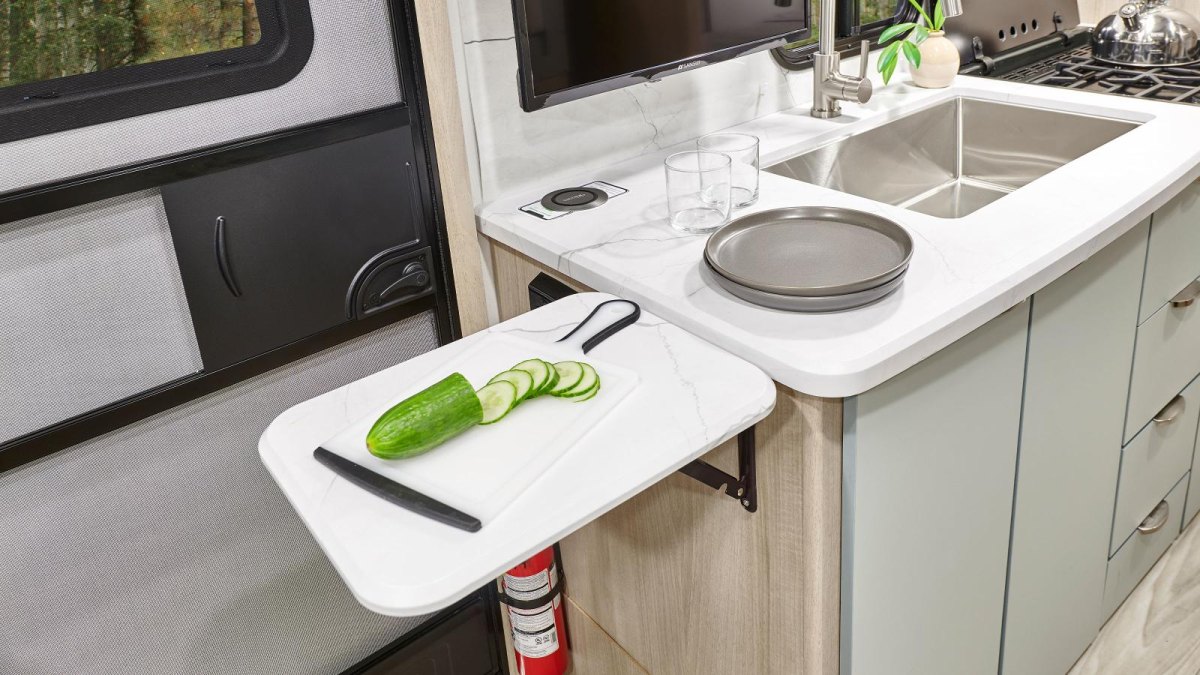
More Pinterest Visuals