
Buying an RV looks wonderfully simple from the outside: pick a shiny rig, imagine sunsets by the lake, sign the paperwork, and drive away. The reality is a little less cinematic. I have learned from years of travel planning that the details hiding behind the dream usually decide whether the trip feels effortless or exhausting.
The RV market continues to attract new travelers, with hundreds of thousands of units shipped annually in North America and towable RVs making up the majority of recent shipments. That means there are plenty of choices — and plenty of opportunities to choose the wrong one.
What I want first-time RV buyers to remember
- The best RV is the one that matches your real travel habits, not your fantasy version of travel.
- Inspection, weight ratings, and ownership costs matter as much as the floor plan.
- Taking your time before buying can save years of frustration.
Buying an RV Without Understanding Your Travel Needs
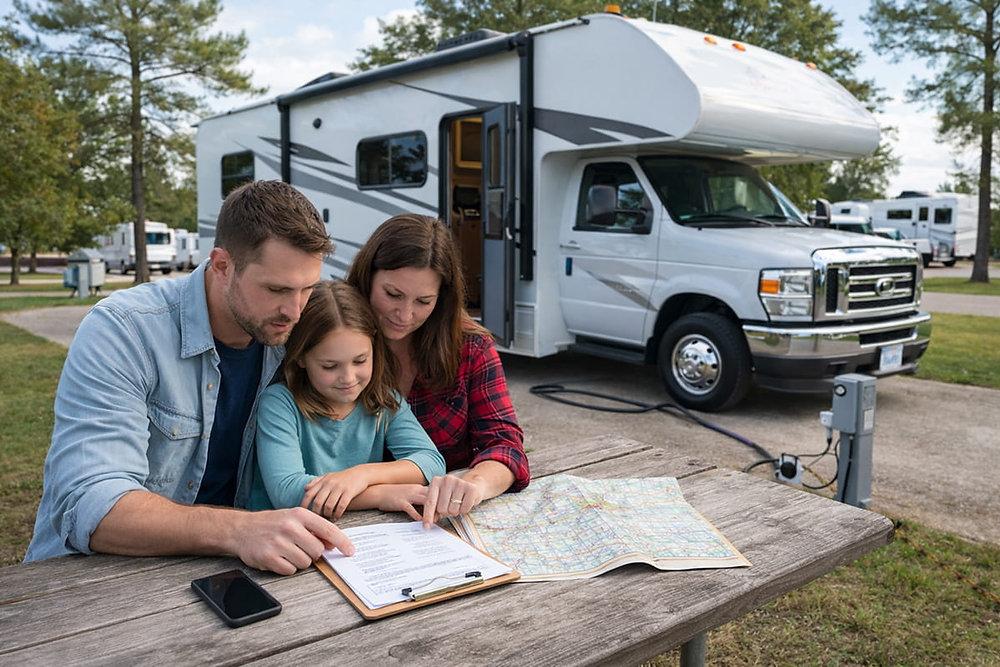
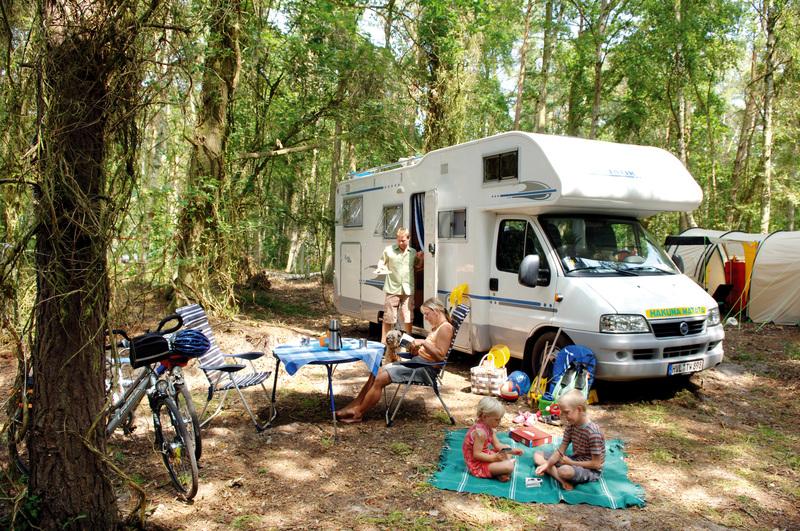
The first mistake I see beginners make is shopping for an RV before deciding how they will actually use it. A weekend beach traveler, a full-time nomad, and a family visiting national parks need very different setups.
I always start with a notebook page: where I will travel, how often, who comes along, and what comforts matter. The dream should fit the journey, not the other way around.
Common mistake
Buying the biggest RV you can afford before understanding your travel style.
Choosing the Wrong RV Size for Your Lifestyle
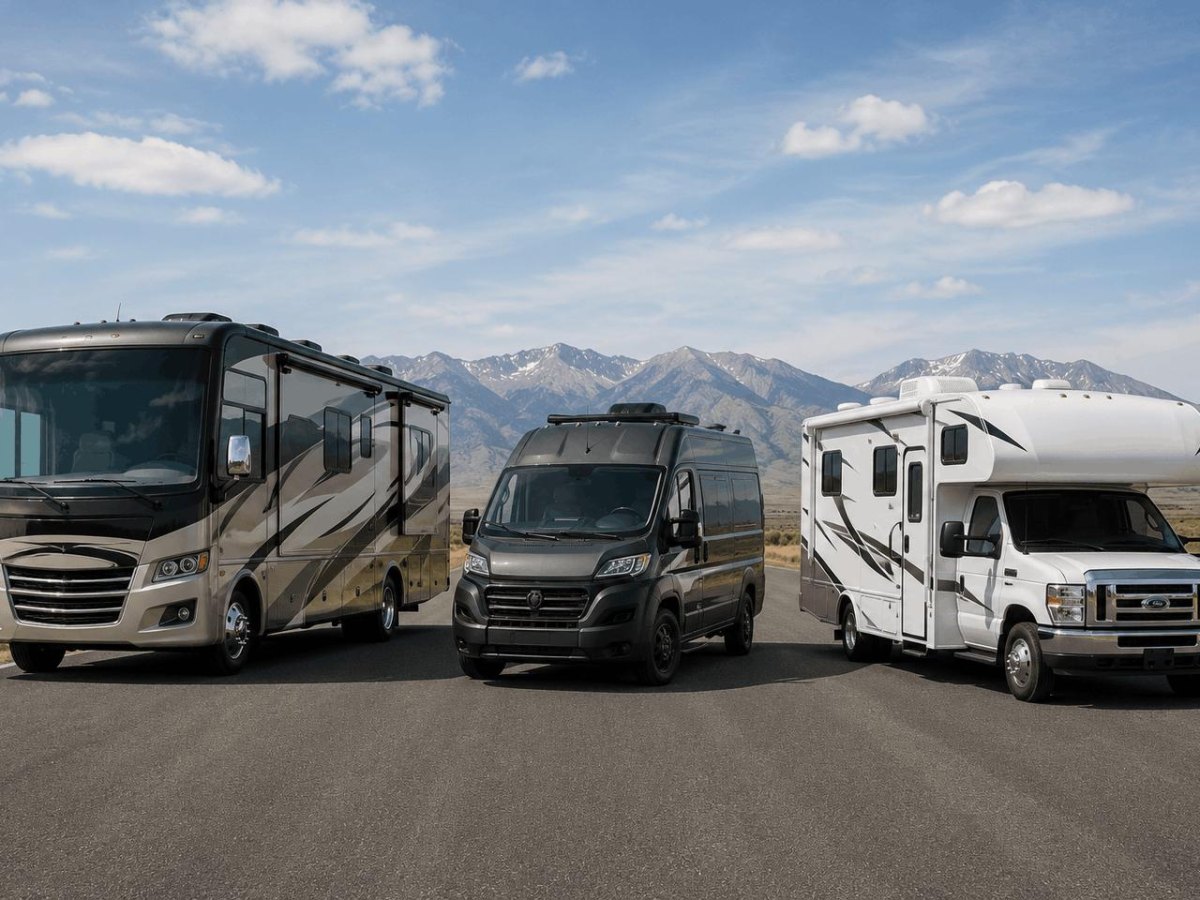
More space sounds wonderful until you are navigating narrow roads, crowded campgrounds, or unfamiliar parking lots. I learned during years of airport transfers that extra size is not always extra convenience.
Think about daily living space, not showroom measurements. A smaller RV that feels manageable often creates more freedom than a giant rig that limits where you can go.
Right-sized RV benefits
- Easier driving and parking
- More campground options
Oversized RV challenges
- Higher operating costs
- More difficult maneuvering
Ignoring RV Weight and Towing Limits
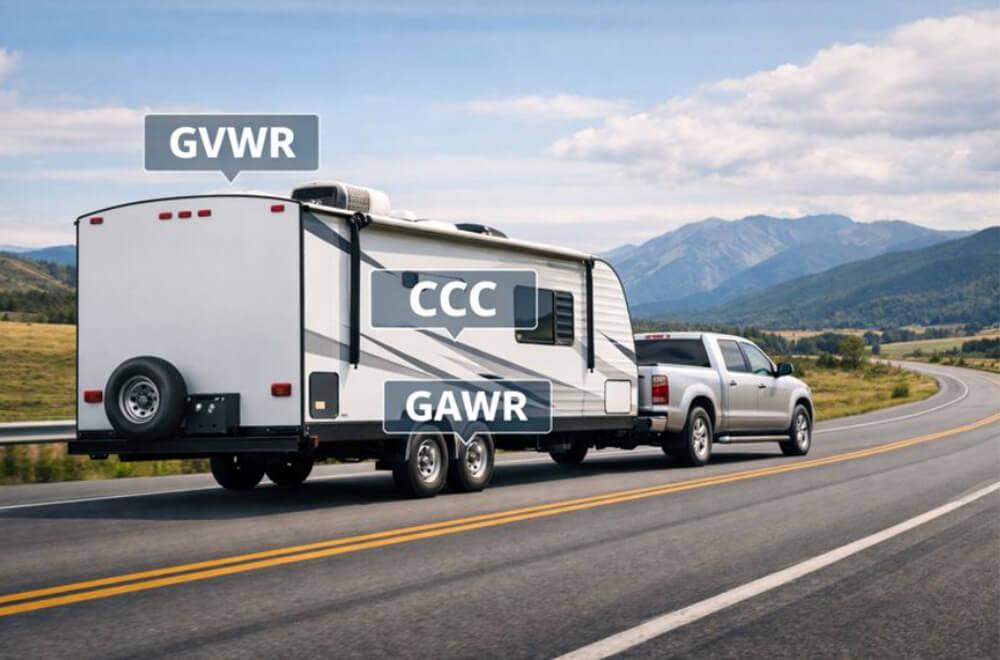
This is the section where I tell buyers to slow down and read the numbers. An RV that looks perfect may be unsafe if your vehicle cannot handle its weight.
Check GVWR and towing capacity before falling in love with a trailer. The salesperson's excitement cannot change your vehicle's engineering limits.
Skipping a Professional RV Inspection
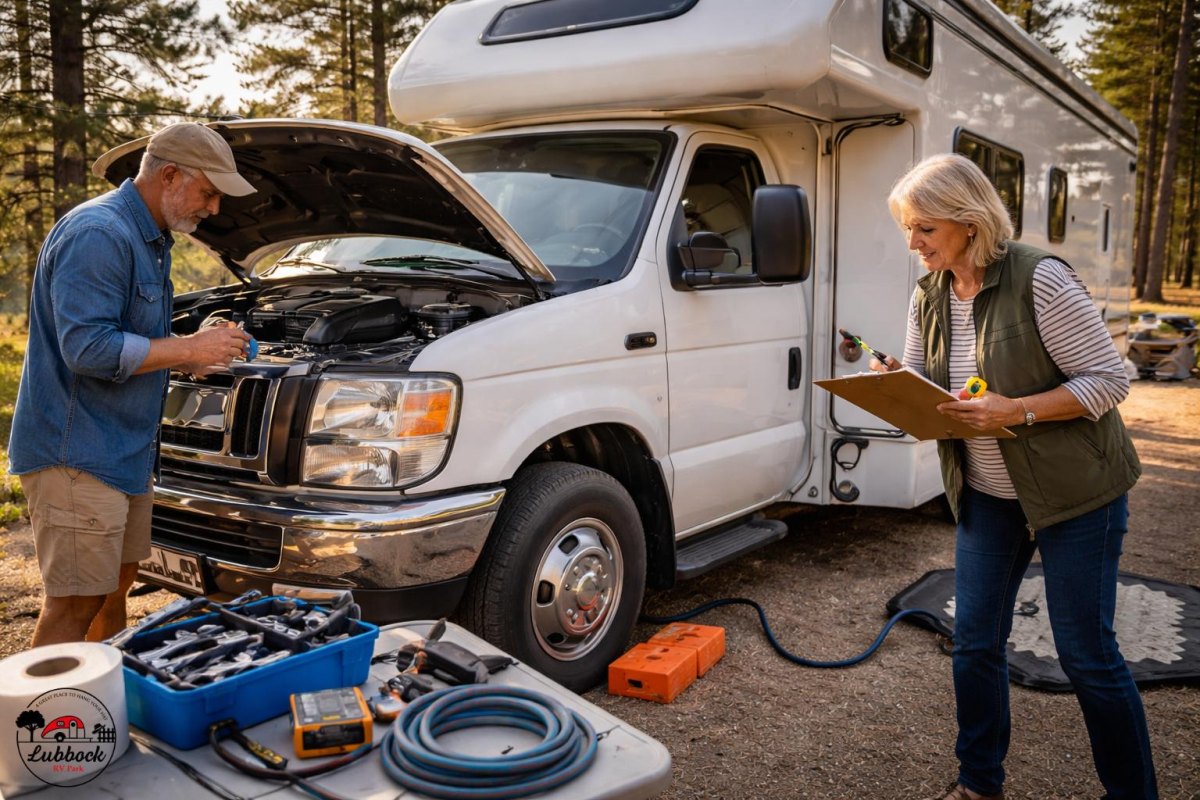
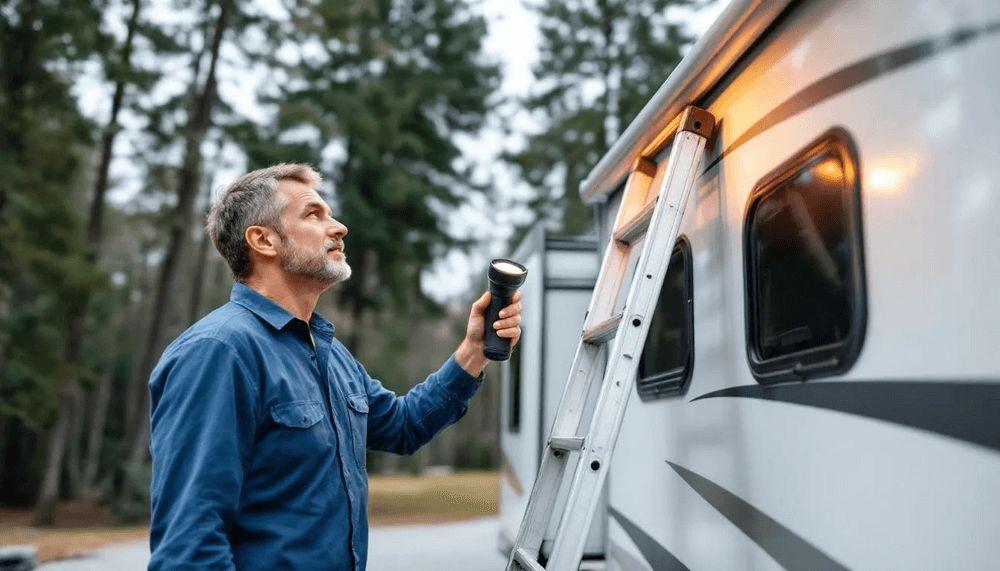
A polished RV can hide expensive problems. Professional inspections commonly focus on structure, systems, and hidden issues rather than just appearance.
I treat an inspection like checking a hotel room before unpacking: a few minutes of attention can prevent a much bigger headache later. Independent inspection is one of the smartest purchases you can make.
Failing to Check for Water Damage
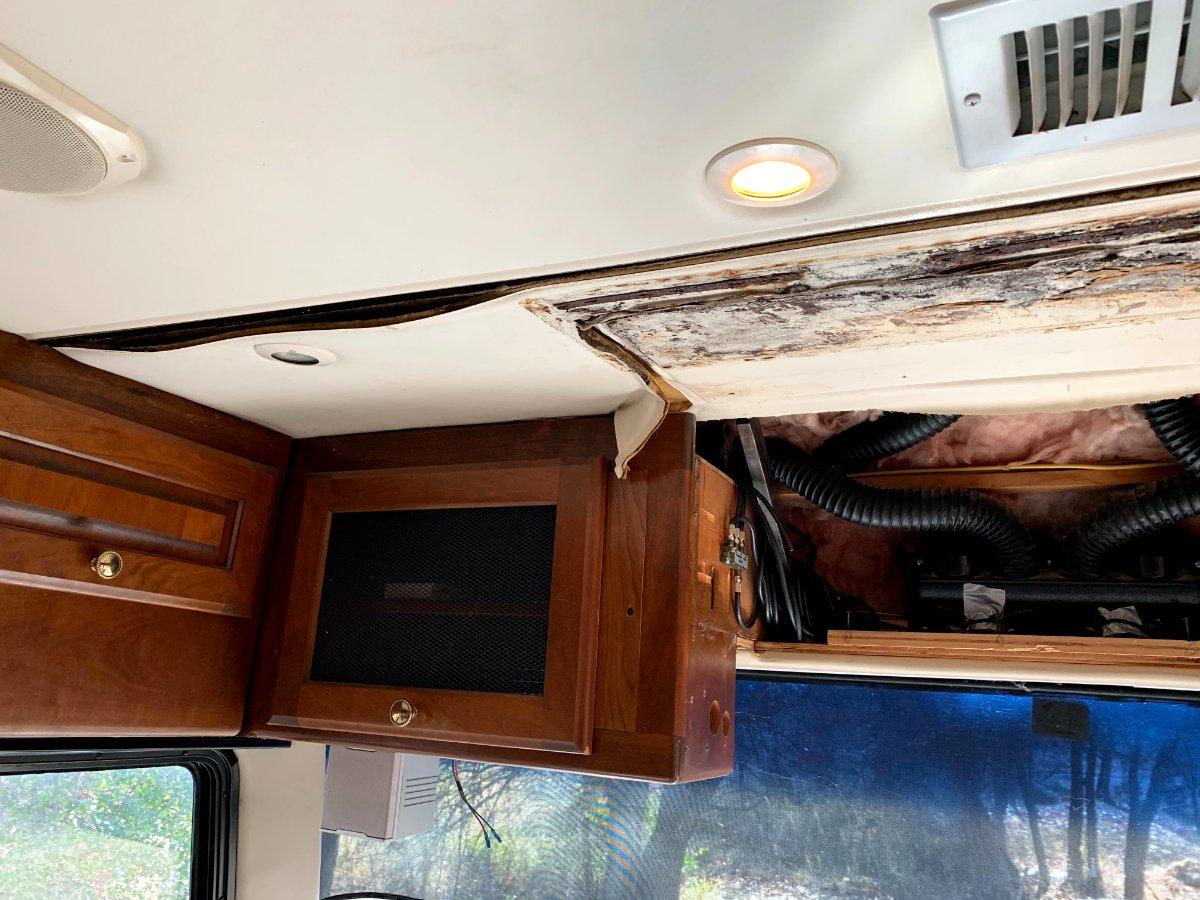
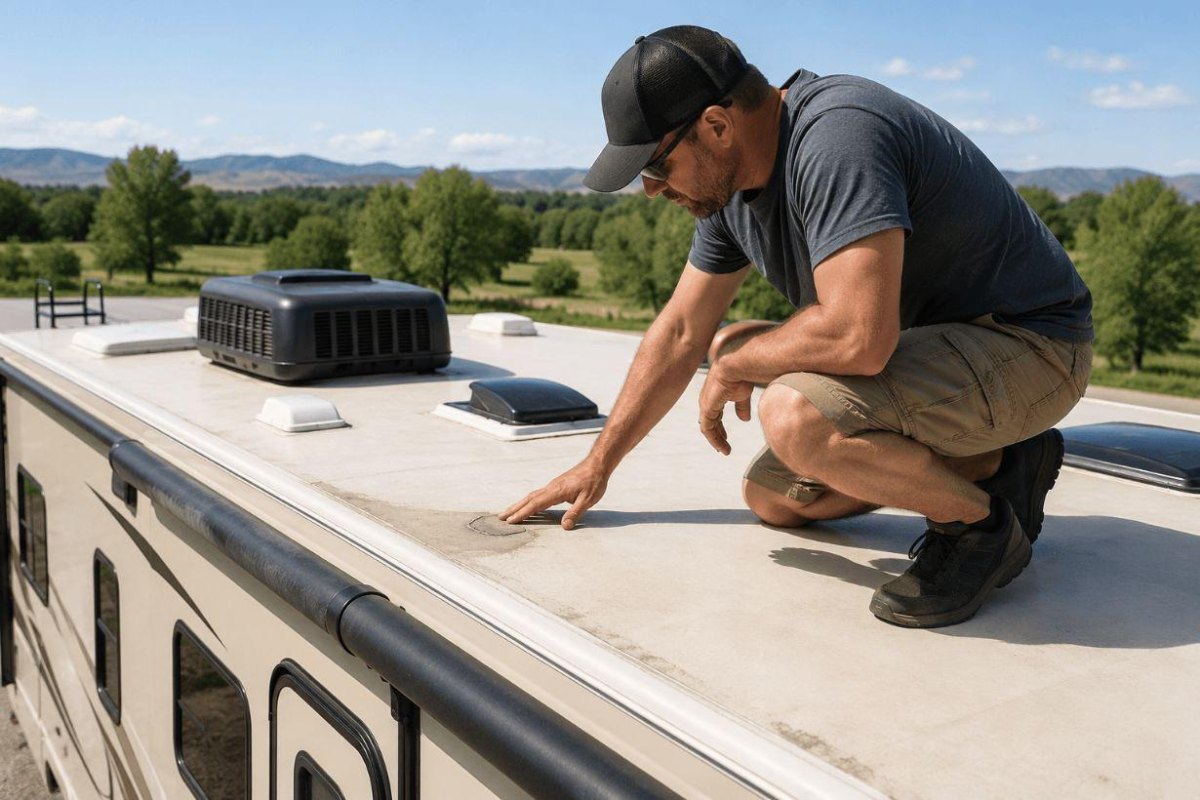
Water damage is the quiet villain of used RV shopping. It can hide behind walls, floors, and cabinets until the repair bill becomes painfully real. Inspection guides consistently highlight roofs, seals, soft floors, and moisture checks as key areas.
I always look beyond the pretty cushions and check for signs of moisture, unusual smells, and soft spots.
Buying an RV Based Only on Appearance
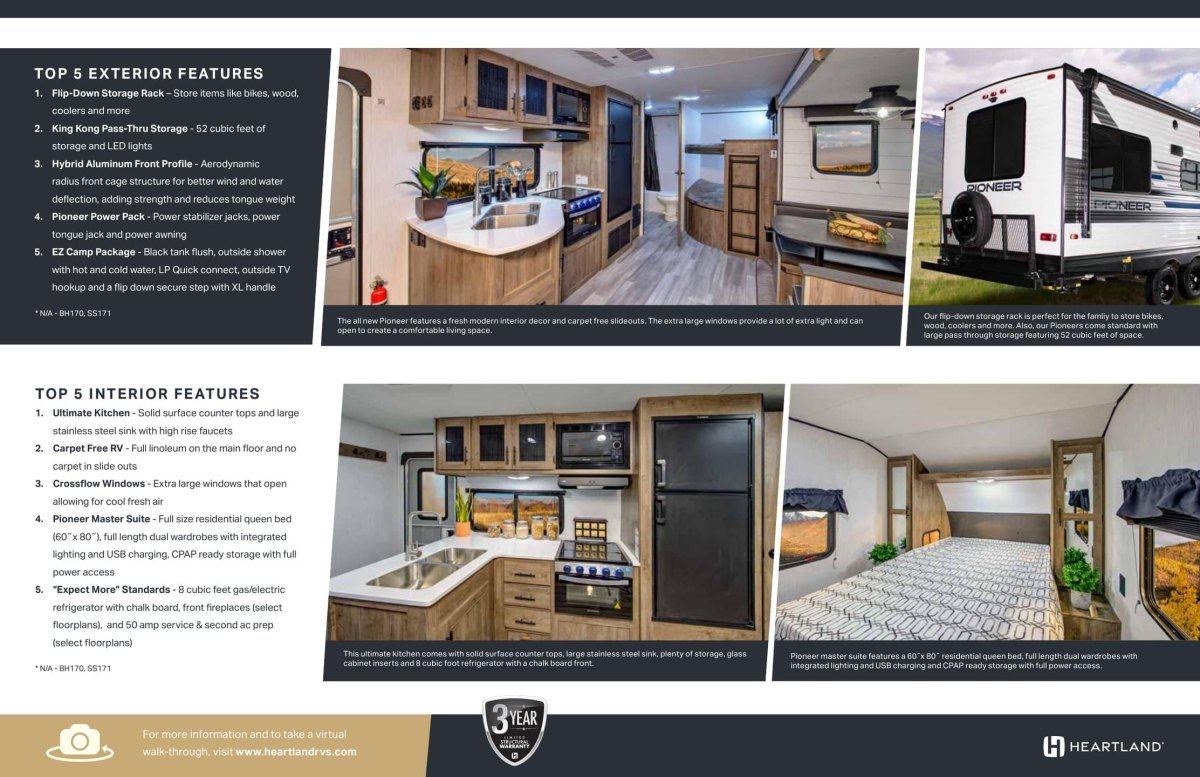
I understand the temptation. A beautiful RV creates instant vacation fantasies. I have fallen for charming travel promises myself — the same way I once booked a hotel because of one gorgeous photo.
Look at the systems, maintenance records, and construction quality before the decorations. Pretty finishes are wonderful, but they do not keep an RV reliable.
Underestimating RV Maintenance Costs
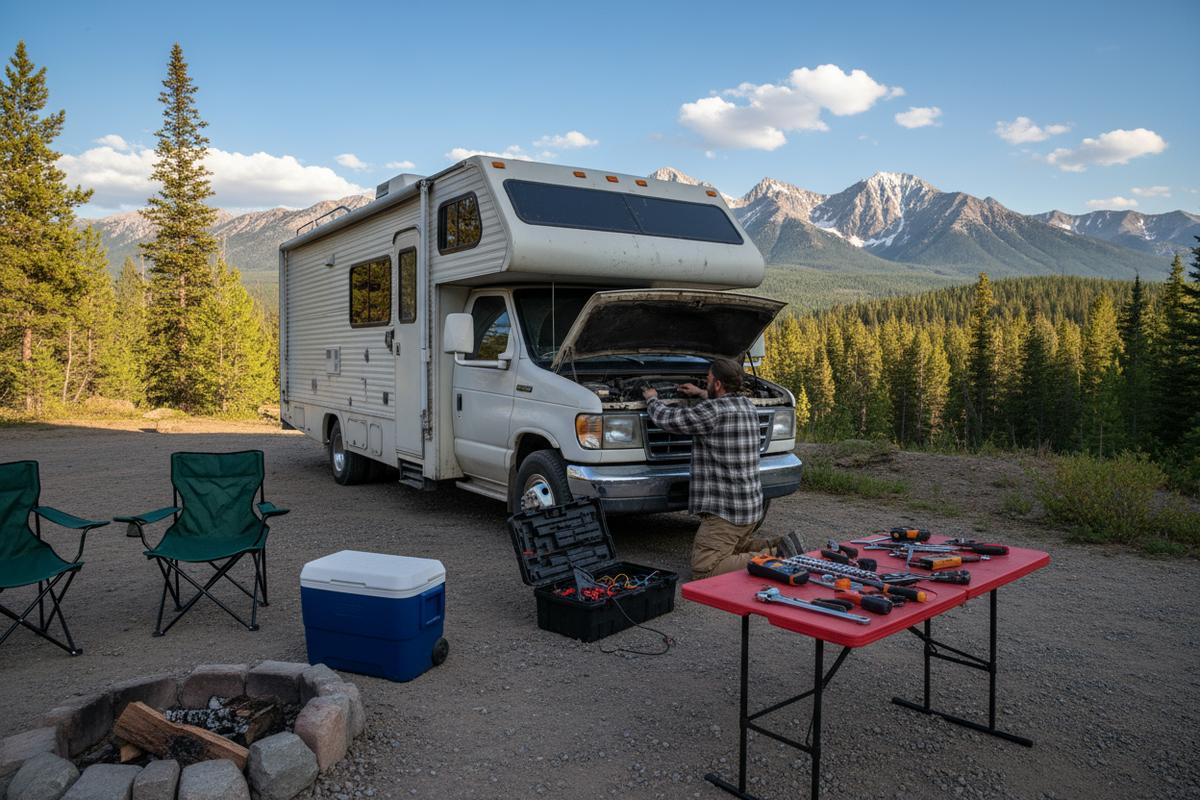
An RV is not just a vehicle or a home; it is both, which means it carries responsibilities from both categories. Tires, appliances, seals, batteries, and service visits all add up.
I keep a travel budget spreadsheet, and I recommend an ownership version with a line for ongoing maintenance before buying.
Forgetting About Storage and Parking Requirements
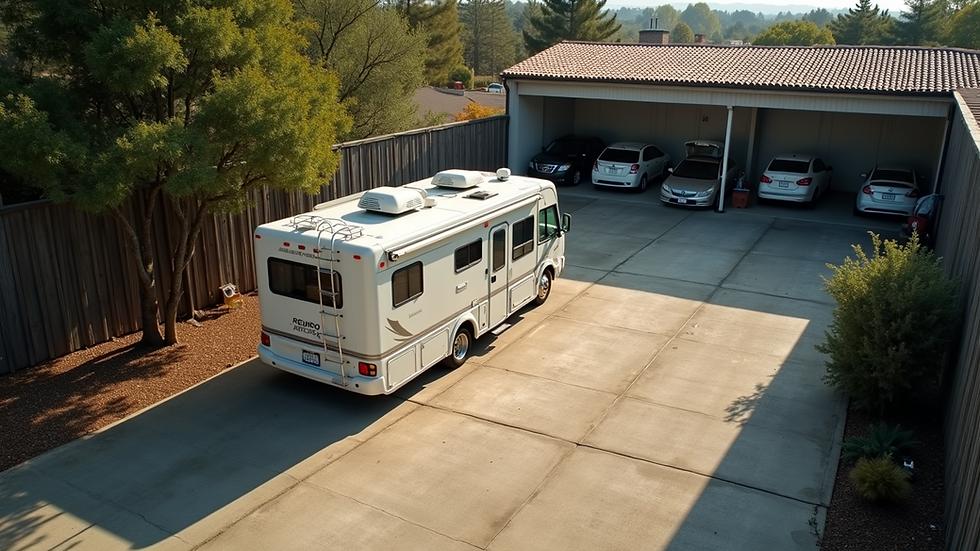
The first night you own an RV is not the only practical moment. You also need a plan for where it sleeps between adventures.
Measure your available space and research local rules. Storage planning prevents expensive surprises after the excitement fades.
Not Taking a Test Drive Before Buying
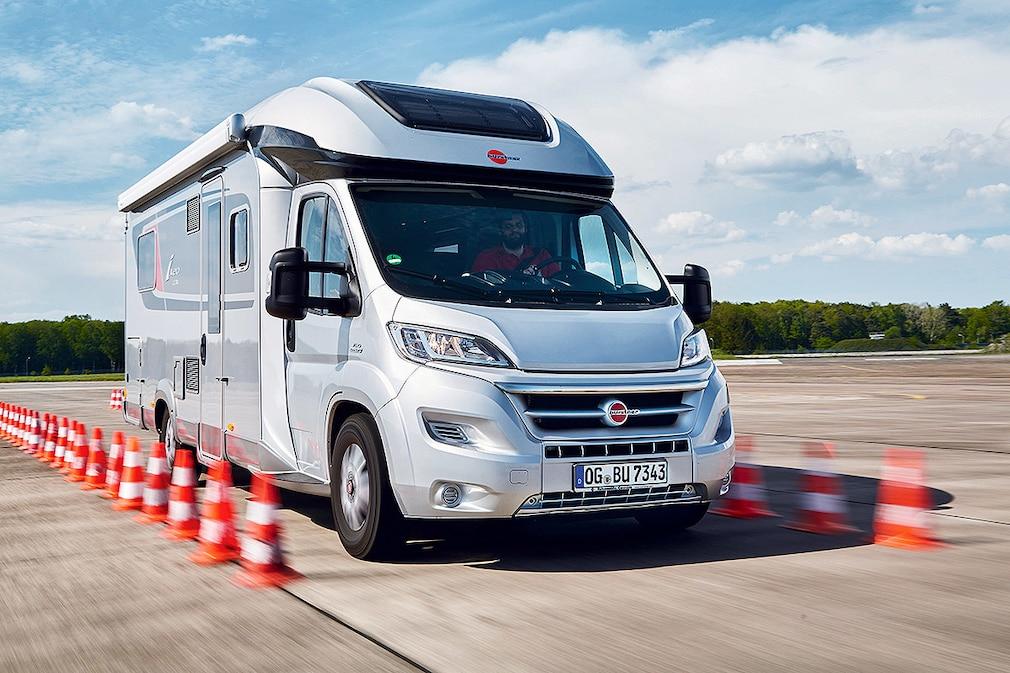
A vehicle can look perfect while feeling completely wrong from the driver's seat. A test drive reveals visibility issues, handling concerns, and comfort problems.
I learned from flying that confidence comes from familiarity. Spend time behind the wheel before committing to your first RV.
Overlooking Floor Plan and Interior Layout
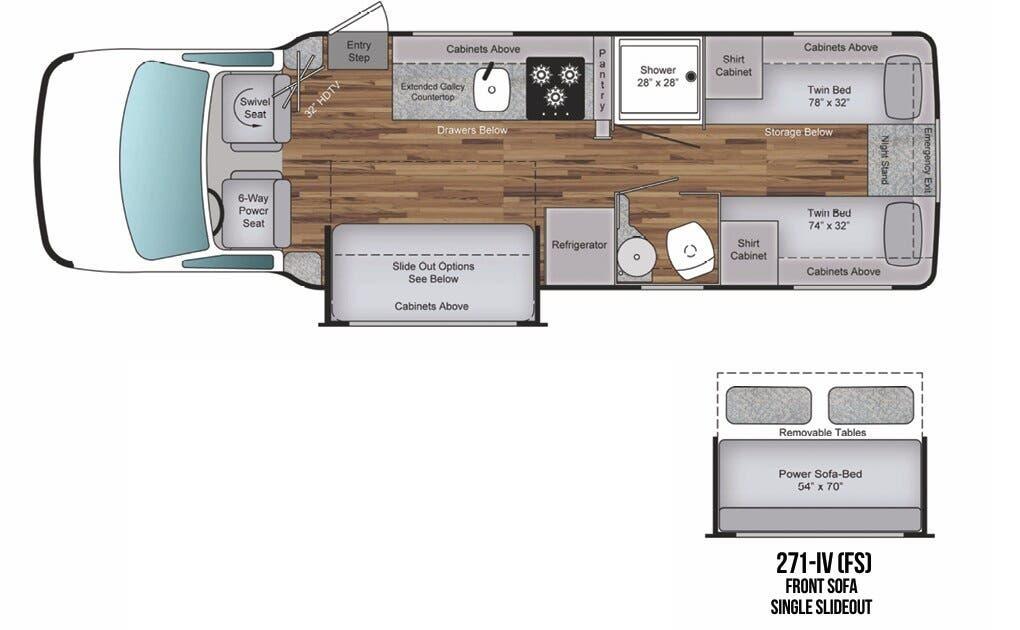
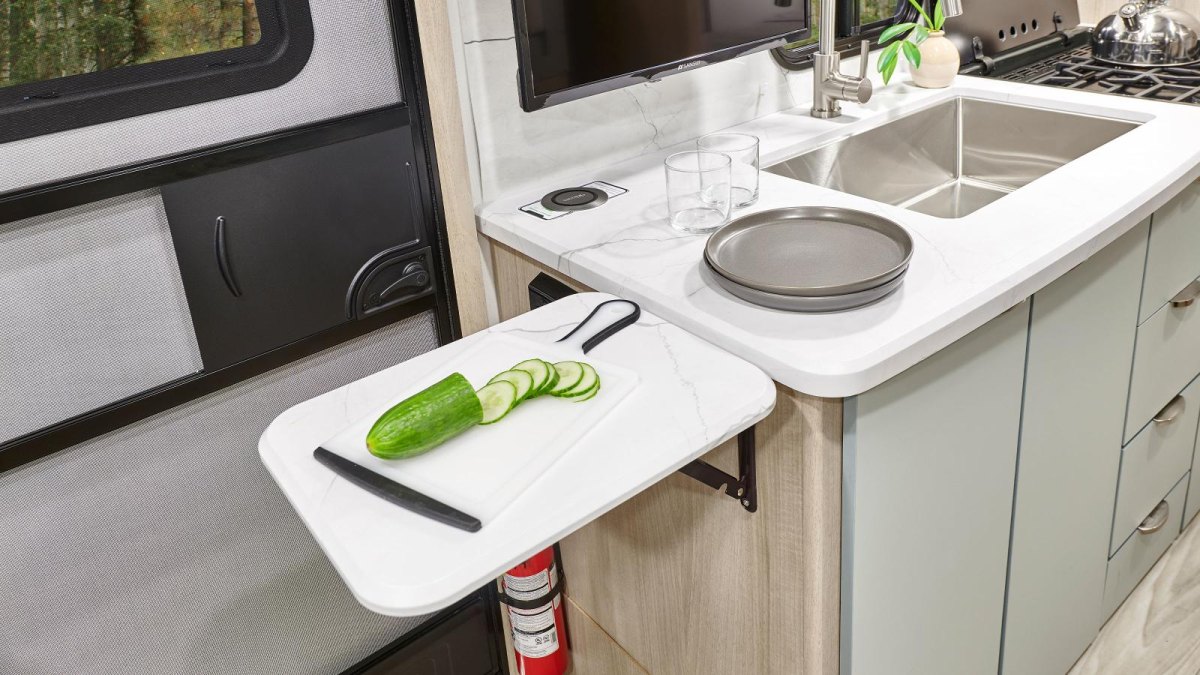
The floor plan decides your everyday experience. Where you cook, sleep, store shoes, and relax matters far more than a trendy finish.
Walk through the RV imagining a rainy day. Real-life routines reveal whether the layout works.
Buying an RV Without Researching Brands and Models
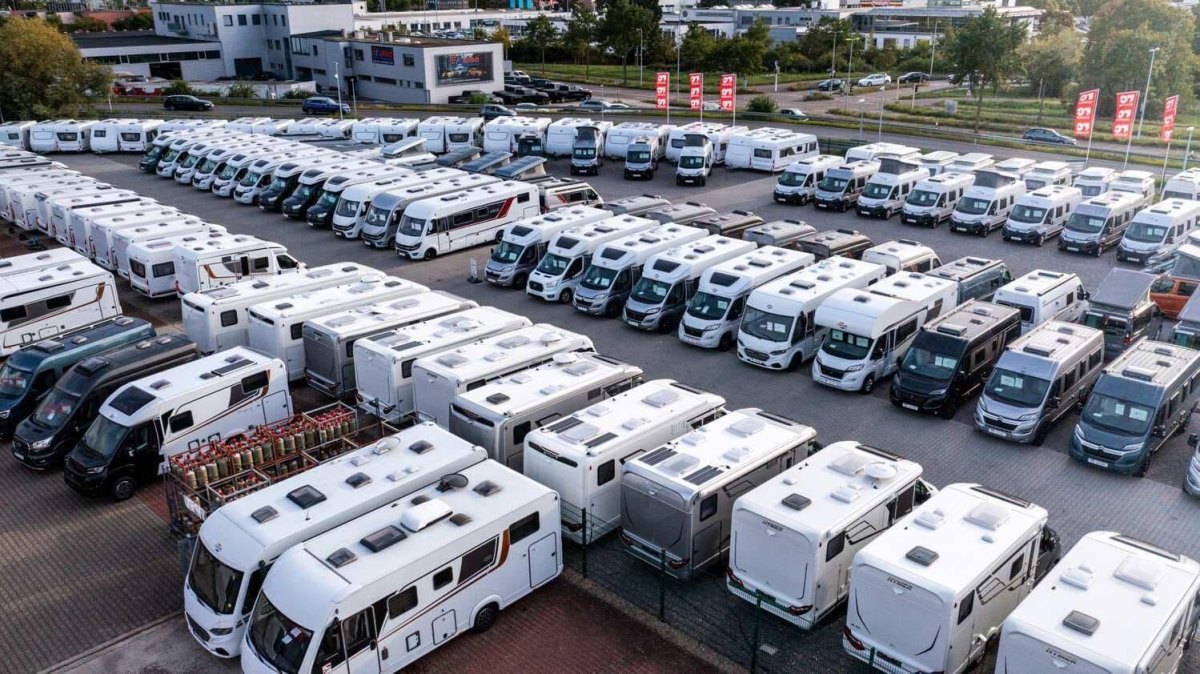
Every RV brand has strengths, weaknesses, and different owner experiences. I would never book a long trip without researching transportation first, and RV shopping deserves the same care.
Create a shortlist and compare brand reputation, service availability, and owner feedback.
Ignoring RV Fuel Efficiency and Operating Costs
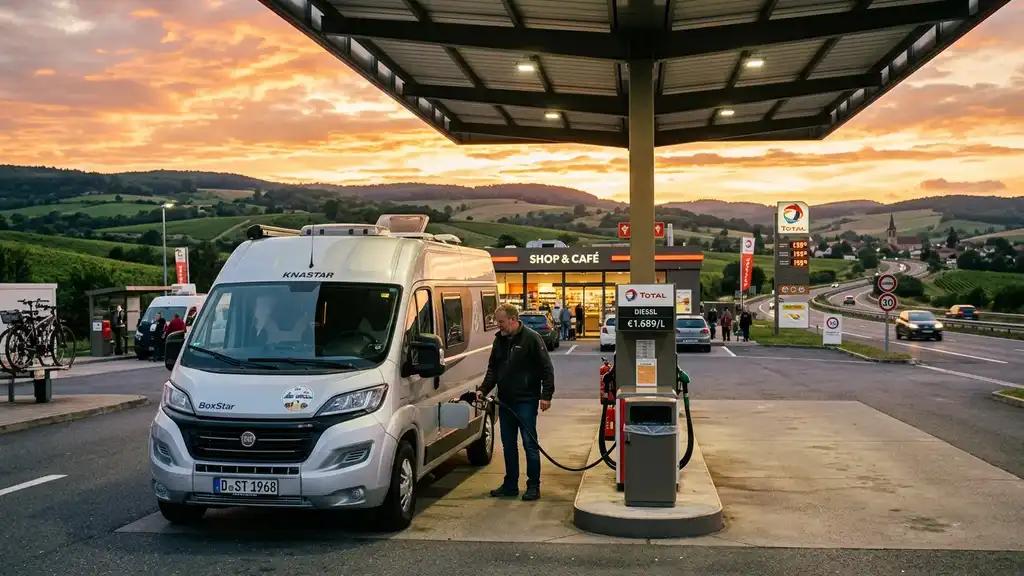
The purchase price is only the first number. Fuel, insurance, campground fees, maintenance, and repairs shape the real cost of ownership.
I love transparent travel budgets because the little costs are usually the ones that surprise people. Calculate total operating costs before signing.
Skipping the RV Warranty and Service History Check
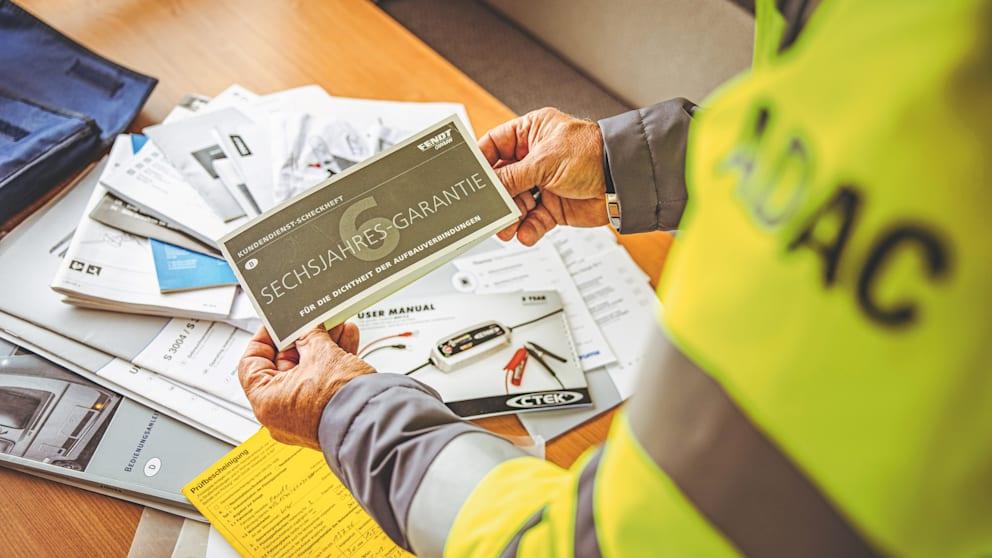
Paperwork is not boring when thousands of dollars are involved. Service records tell you how an RV was treated before it became yours.
Ask questions about repairs, recalls, and warranty coverage. Maintenance history can reveal more than a quick walk-through.
Financing an RV Without Understanding the Long-Term Cost

Monthly payments can make an RV feel affordable while hiding the full financial picture. Interest, insurance, storage, and repairs belong in the calculation.
I always write down the complete number before saying yes. Long-term affordability matters more than the monthly payment.
| Cost area | Question to ask |
|---|---|
| Loan | What is the total repayment? |
| Ownership | What yearly costs should I expect? |
Forgetting to Consider Campsite Compatibility
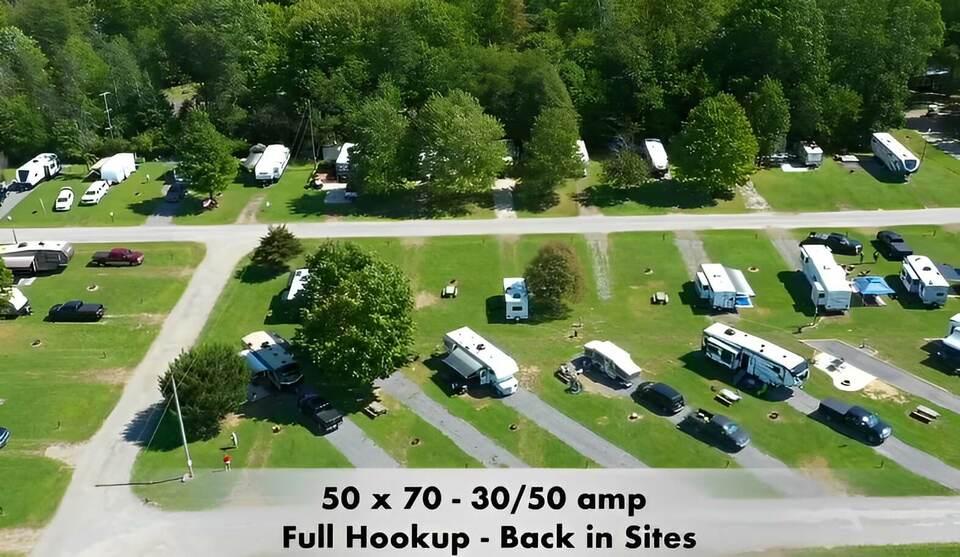
Your RV should match the places you want to visit. Some campgrounds have length limits, hookup differences, or road restrictions.
Before buying, research your favorite destinations and check campground requirements. The perfect RV is useless if it cannot reach the places you love.
Rushing the RV Purchase Decision

The excitement is real. I understand the urge to grab the keys and start the adventure immediately. But a rushed RV purchase can turn a dream into a repair project.
Take notes, compare options, inspect carefully, and sleep on big decisions. Patience before purchase is often the cheapest upgrade you can make.
My practical tip
Spend more time researching the RV than imagining the first campsite photo.