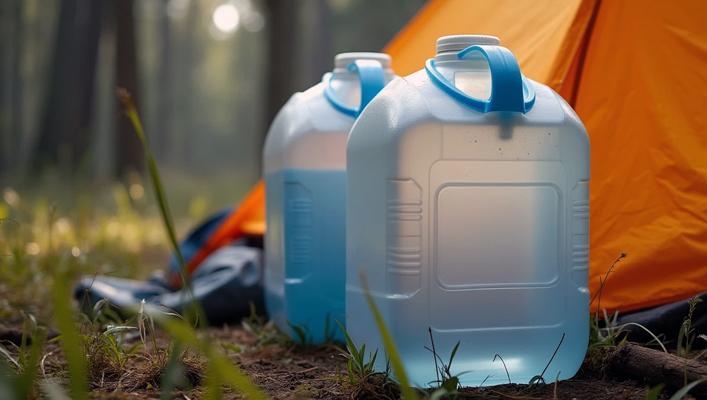

The first warm weekend of the year is when many RV owners discover what winter quietly changed. I have learned that a few hours of spring RV maintenance can save an entire trip from becoming a repair stop. Current RV maintenance guidance consistently highlights checking seals, tires, water systems, electrical components, and safety equipment before the first outing.
My spring RV prep priorities
- Prevent water damage before it starts.
- Restore every travel system after storage.
- Catch small issues before they become roadside problems.
I keep my checklist beside my travel notebook because a forgotten latch or tired battery is much less charming than a scenic campsite arrival.
Inspect the RV Exterior for Spring Damage
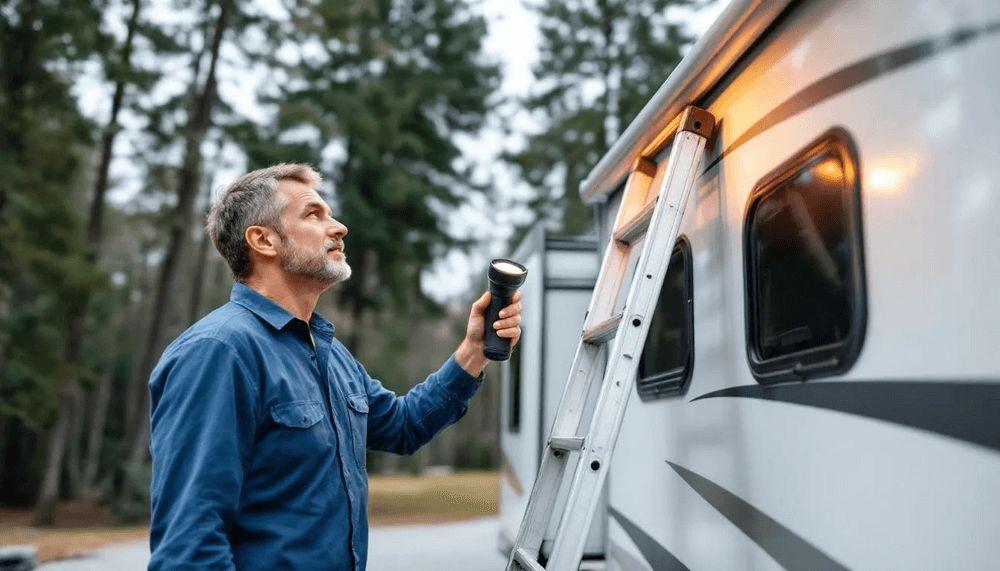
I begin with a slow walk around the rig because exterior inspection reveals the clues winter leaves behind. I check sidewalls, storage doors, lights, trim, and any place where moisture could sneak inside.
RV spring checklists commonly recommend looking for cracks, damaged seals, leaks, and signs of pests before moving the RV back into regular use.
Check and Repair the RV Roof Seals
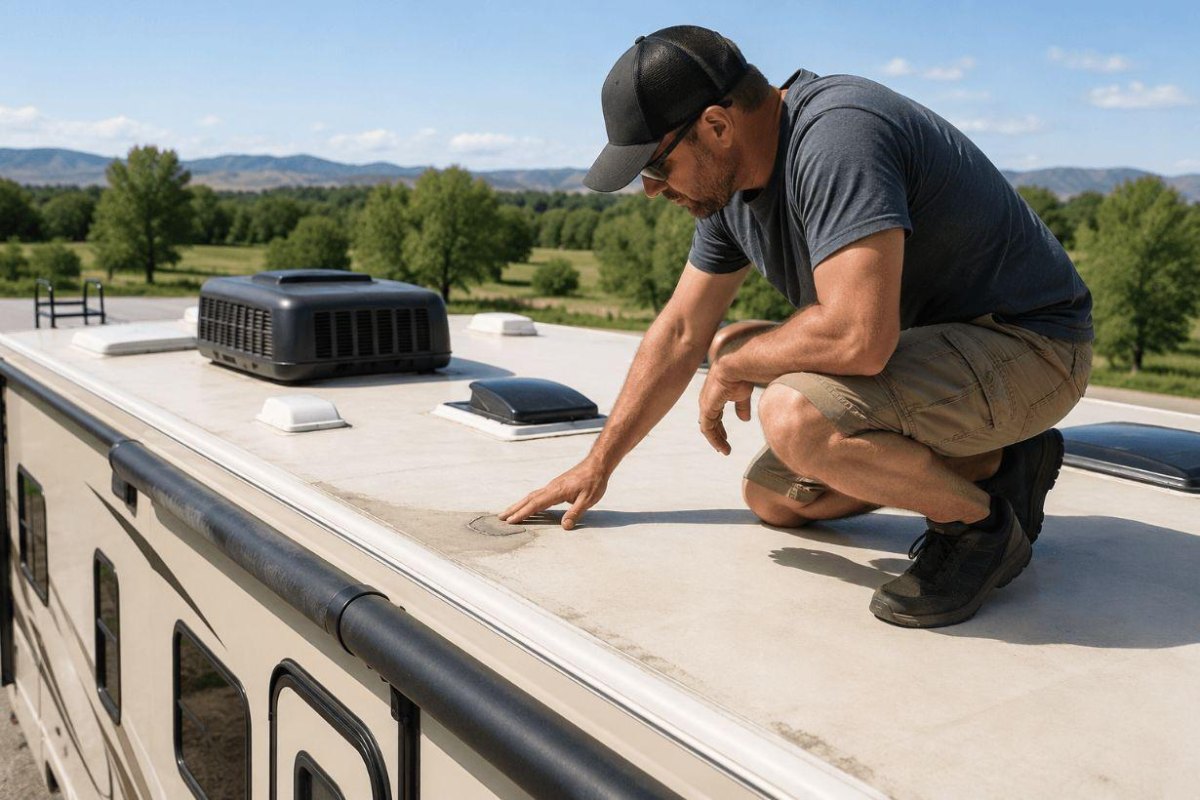
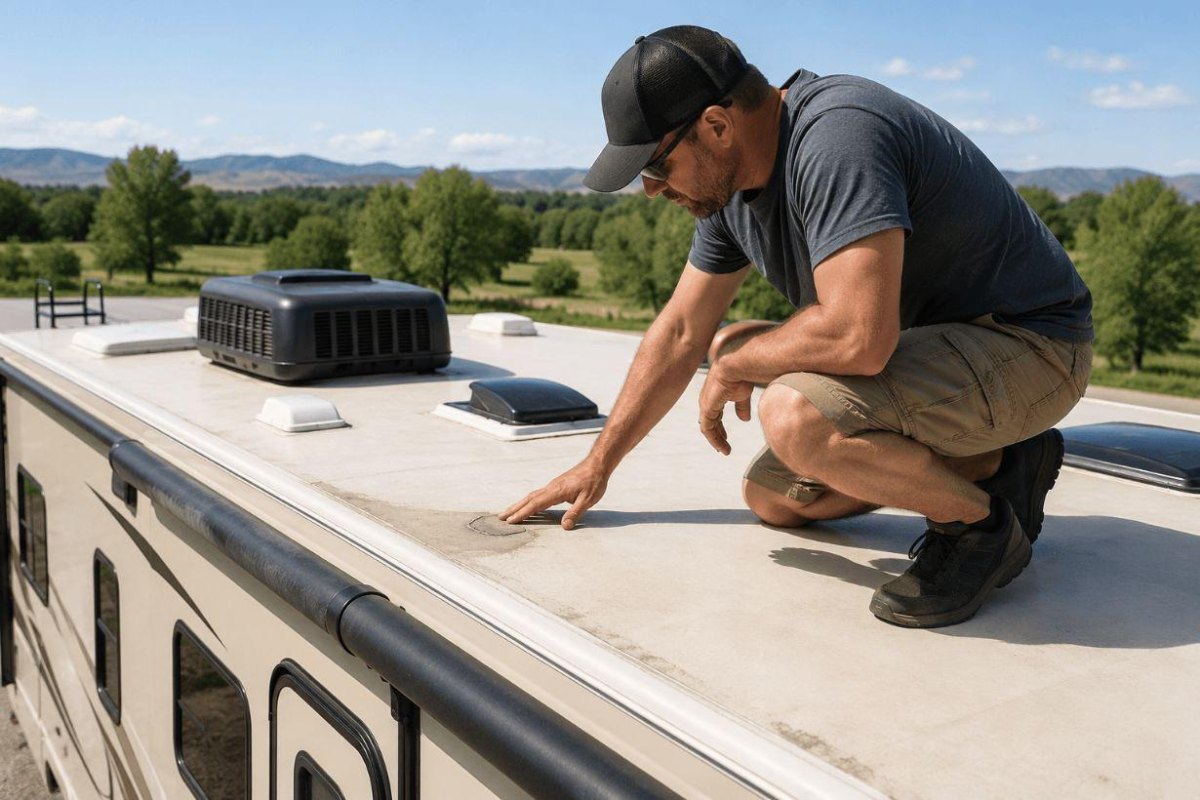
The roof is the place I never rush. A tiny opening around a vent or antenna can create a much bigger headache, so I inspect every roof seal and seam carefully.
Manufacturers and RV service guides emphasize checking roof vents, accessories, and sealant areas to prevent water intrusion before camping season begins.
Do not ignore small cracks
A small roof seal failure can become expensive interior damage.
Clean the RV Awning and Slide-Outs
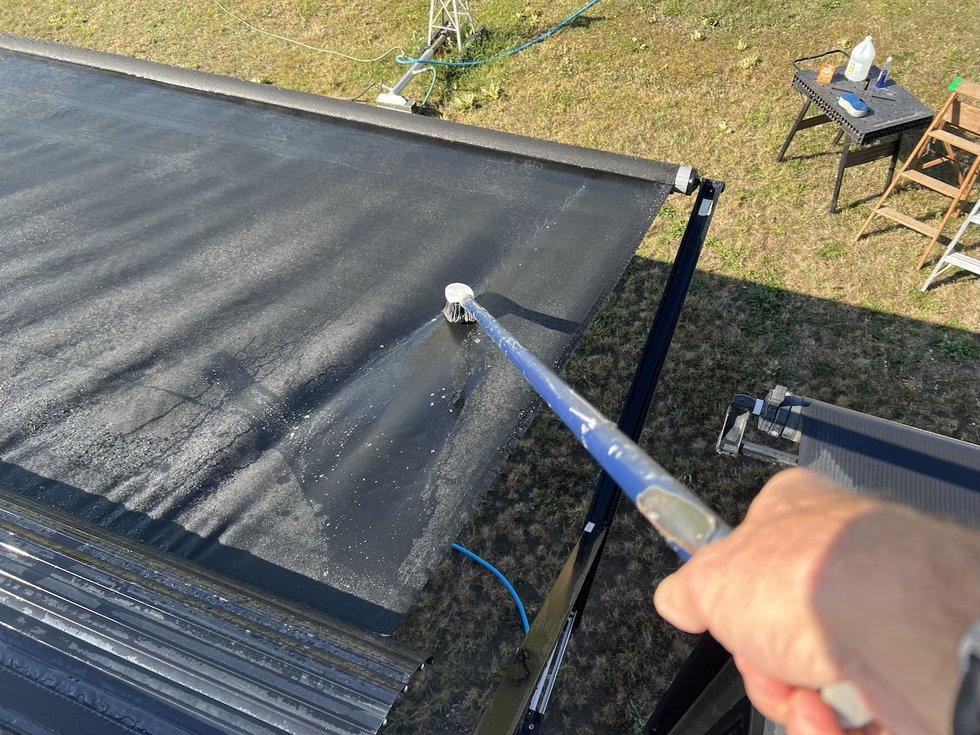
I treat awnings and slide-outs like outdoor furniture that happens to move. Cleaning them now helps me spot fabric damage and seal problems before I am parked somewhere remote.
Spring cleaning recommendations include washing awnings, checking slide seals, and lubricating moving parts according to manufacturer instructions.
Test the RV Battery and Electrical System
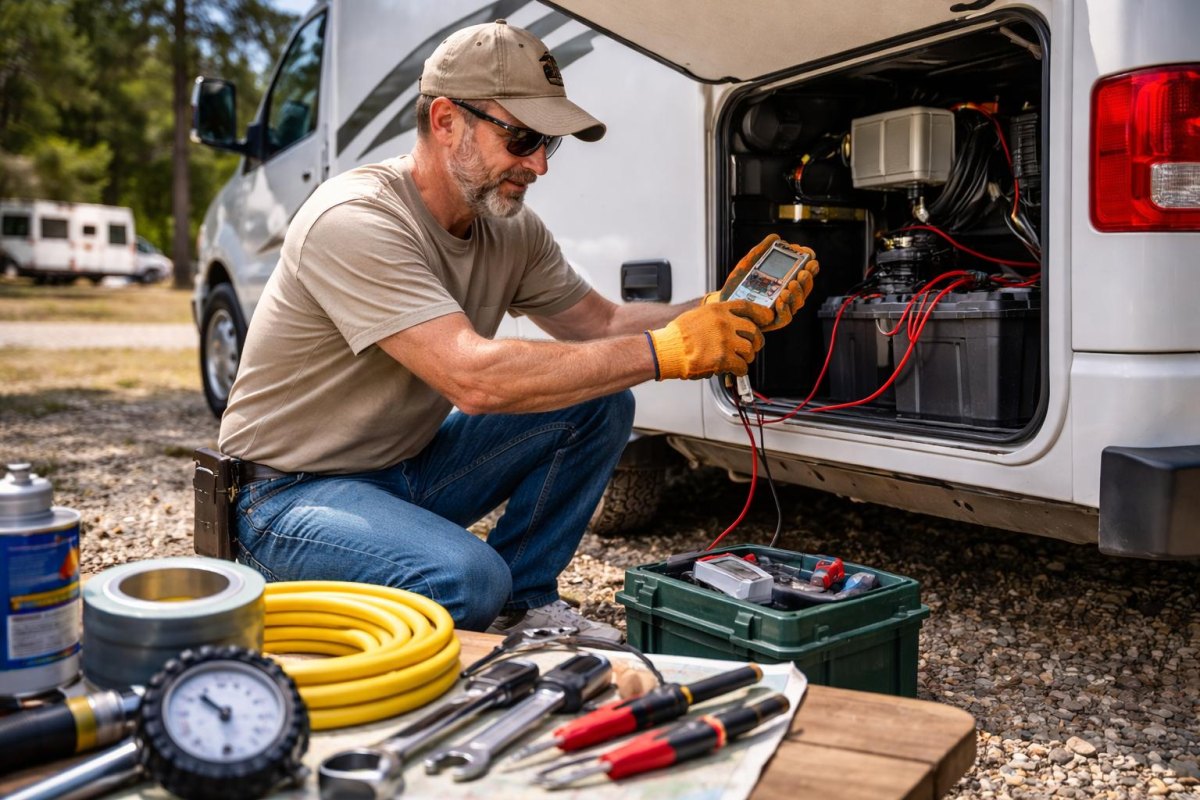
A dead battery has ended more travel mornings than I can count. I test the RV battery system, clean connections, and confirm that power reaches the places I need.
Spring maintenance sources recommend checking battery condition, corrosion, charge levels, shore power, and electrical connections after storage.
Flush and Sanitize the Fresh Water Tank
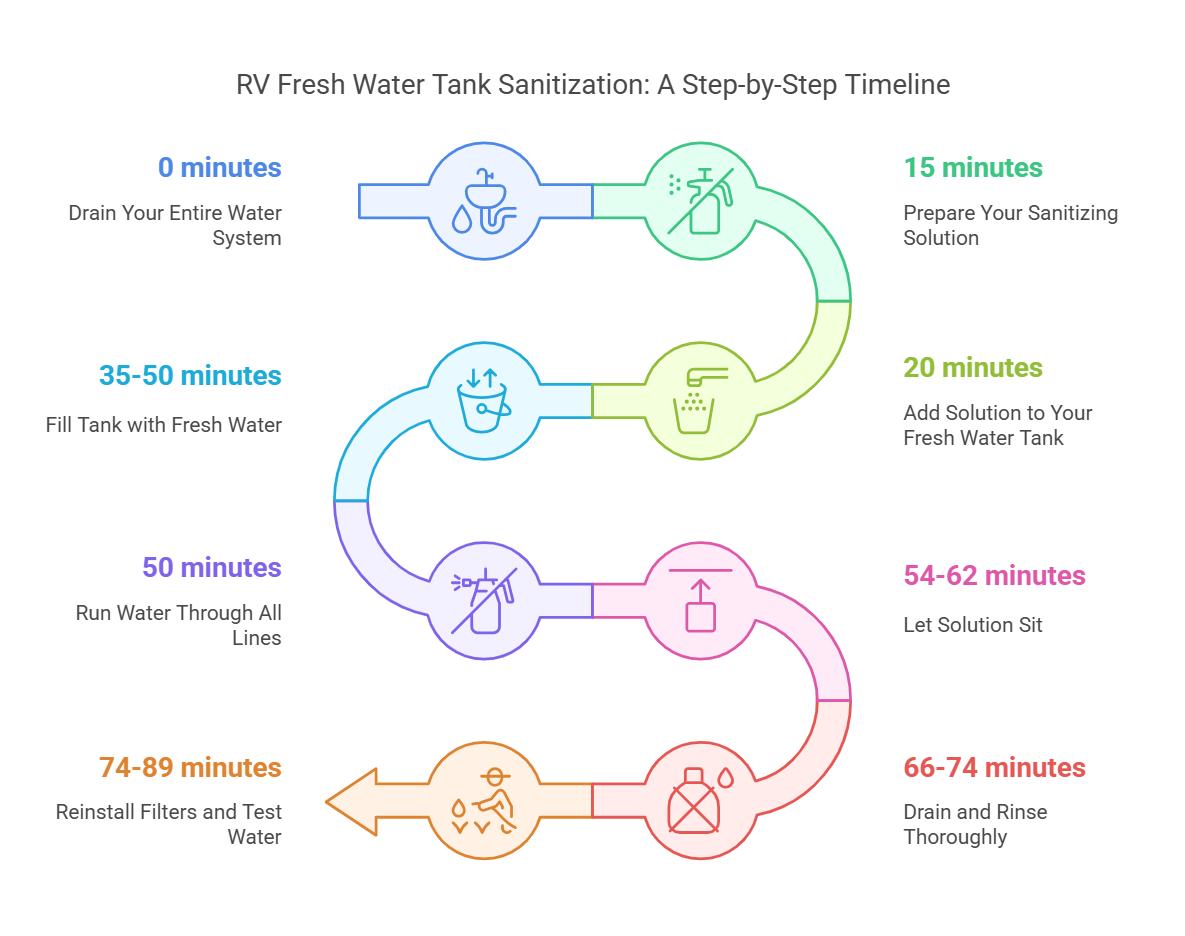
Fresh water is where I become pleasantly fussy. I want my first campsite coffee made with a system that has been properly cleaned, so I prioritize fresh water sanitation.
RV guidance recommends flushing winter antifreeze where applicable and sanitizing the freshwater system before normal use.
My travel tip
Run every faucet after sanitizing so the entire water system is ready.
Inspect the RV Plumbing and Water Lines
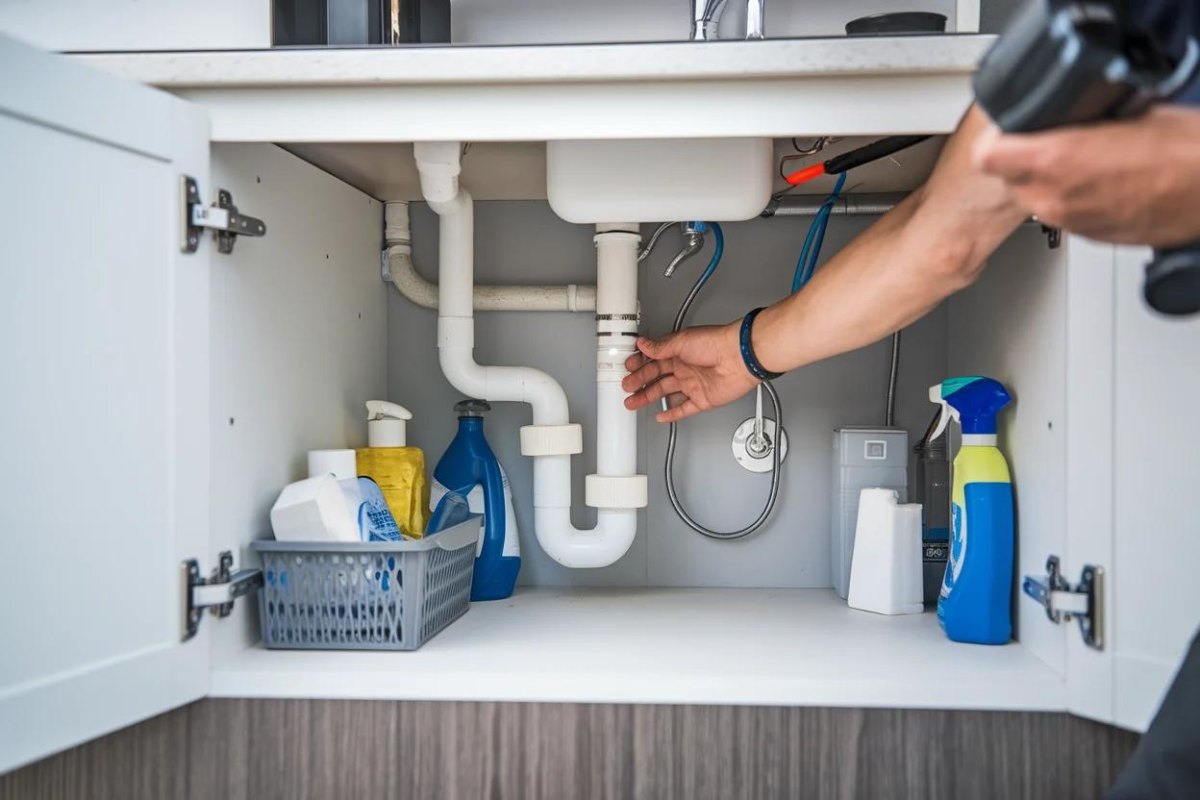
I open every faucet slowly and listen because plumbing checks are excellent at exposing hidden leaks. Storage can be tough on hoses, fittings, and connections.
Spring RV procedures recommend pressurizing water systems and checking faucets, pumps, drains, and connections for leaks.
Check Tires, Wheels, and Tire Pressure
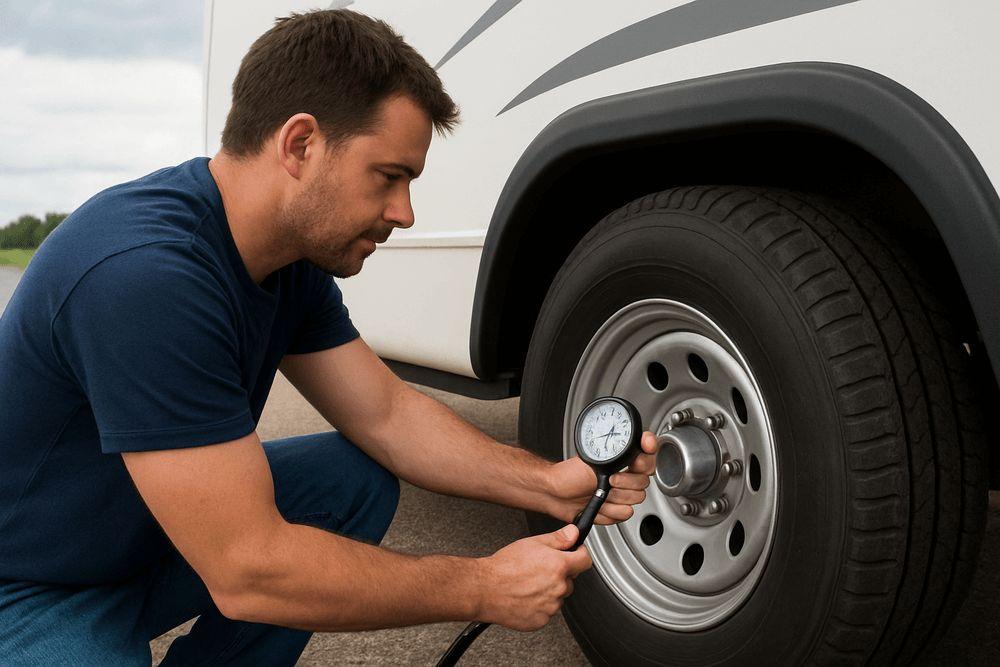
My flight crew years taught me that safety checks are not glamorous, but they work. Before any trip I inspect RV tires and wheels because they carry everything behind me.
RV maintenance resources recommend checking tire pressure, sidewalls, tread condition, tire age, and wheel hardware before travel.
| Check | Reason |
|---|---|
| Pressure | Helps tires perform correctly. |
| Sidewalls | Finds cracks or damage. |
Service the RV Engine and Generator
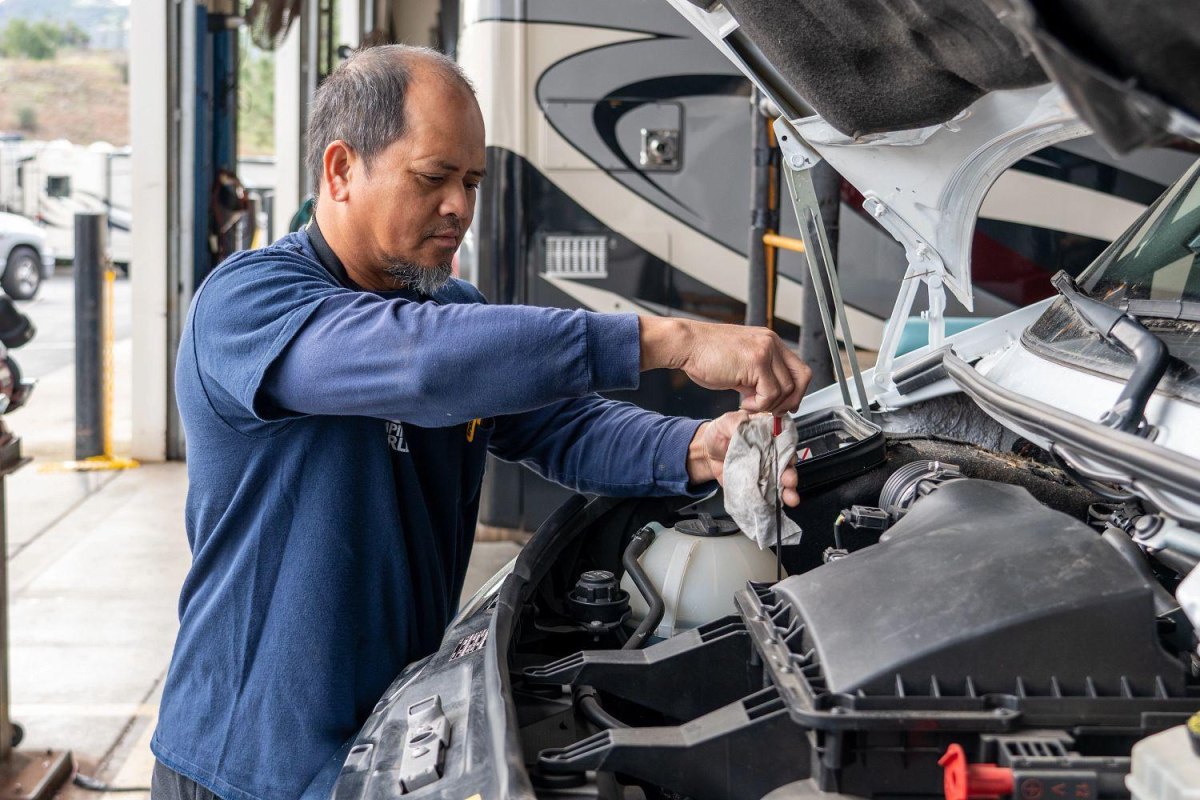
I like my generator to start before I need it, not during a midnight campsite problem. A spring service checks engine and generator readiness after months of inactivity.
Recommended checks include service intervals, oil levels, filters, debris removal, and running the generator under load when appropriate.
Benefits
- Fewer travel surprises.
- Better system reliability.
Risks of skipping
- Unexpected failures.
- Higher repair costs.
Inspect Brakes and Suspension Components
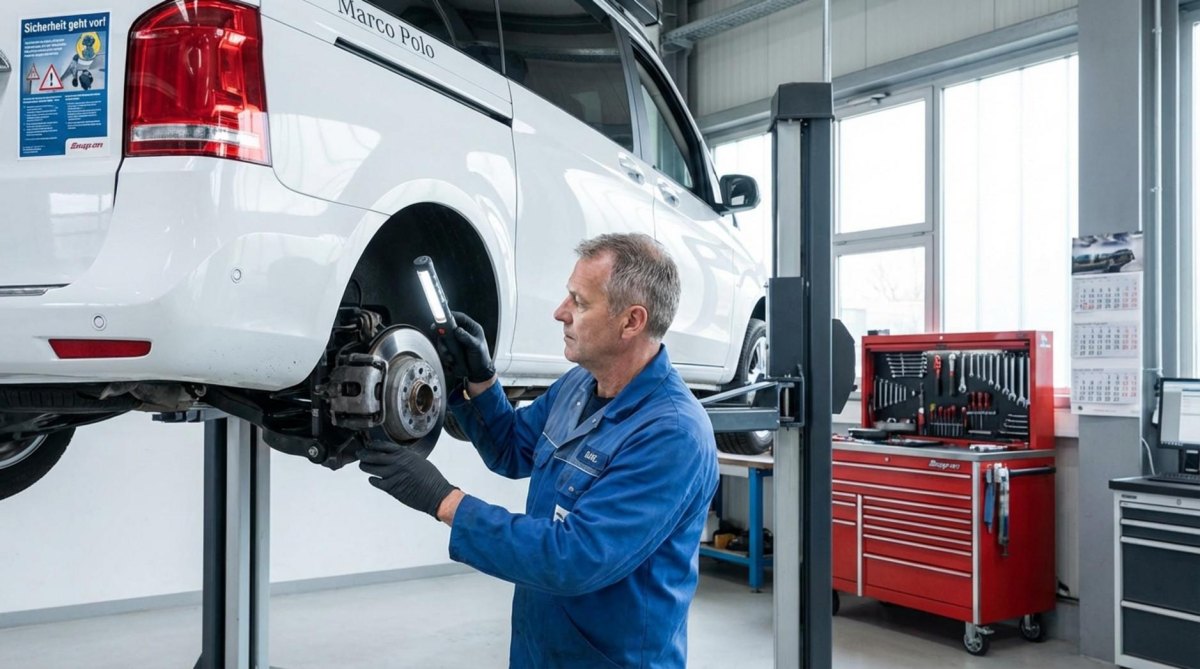
Brakes are not the place for optimism. I inspect braking and suspension parts because a smooth driveway test is not enough for a mountain road.
Seasonal RV recommendations include checking brakes, suspension hardware, and related chassis components before returning to regular travel.
Remember
Follow your RV and chassis manufacturer service intervals.
Replace or Clean RV Air and Fuel Filters
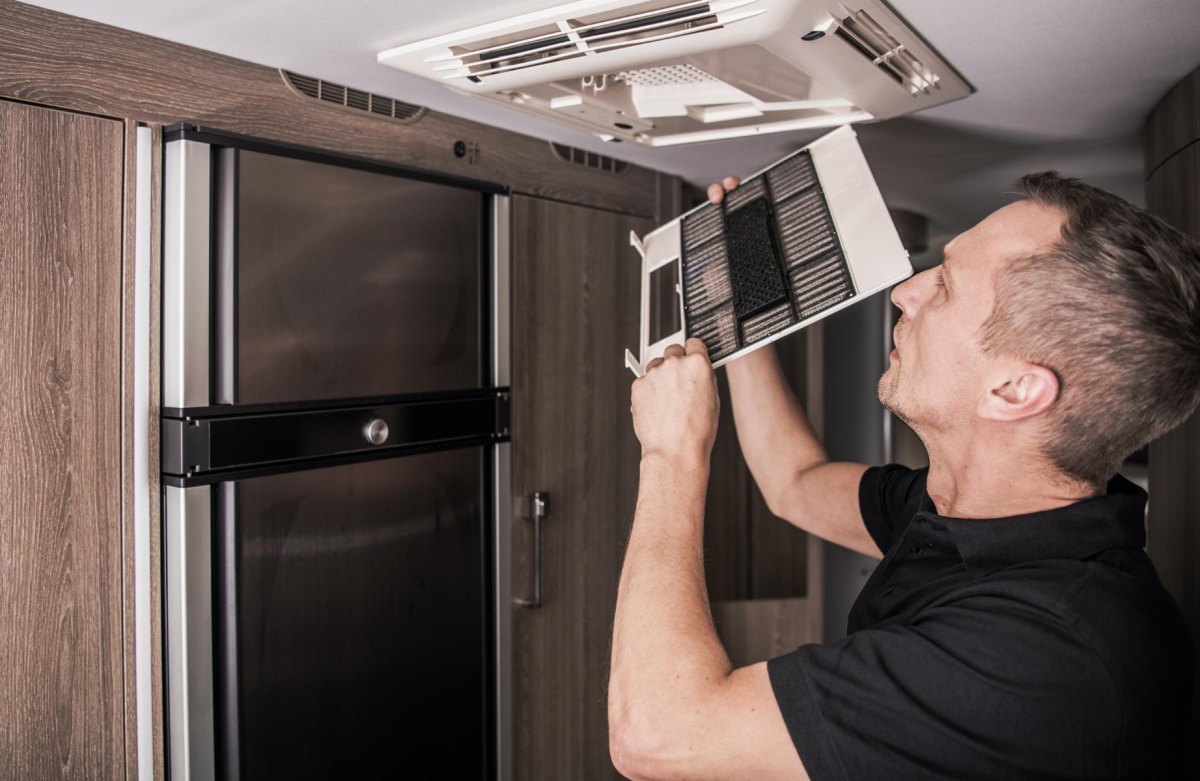
Clean filters are small maintenance items that make a noticeable difference. I check air and fuel filters as part of my spring reset routine.
Generator and motorhome maintenance guidance includes inspecting filters based on service schedules rather than waiting for performance problems.
Deep Clean the RV Interior After Storage
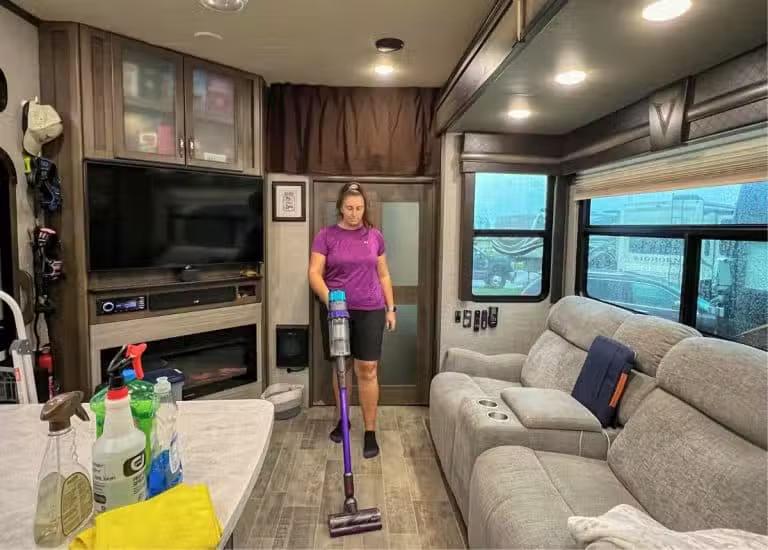
After storage, I open every cabinet and window. A proper RV interior deep clean makes the space feel like a home again rather than a parked machine.
Spring cleaning recommendations include airing out the RV, checking for pests, cleaning surfaces, washing fabrics, and refreshing vents.
My notebook habit
I write down anything unusual I find so next season starts with answers, not guesses.
Check Appliances and Propane Systems
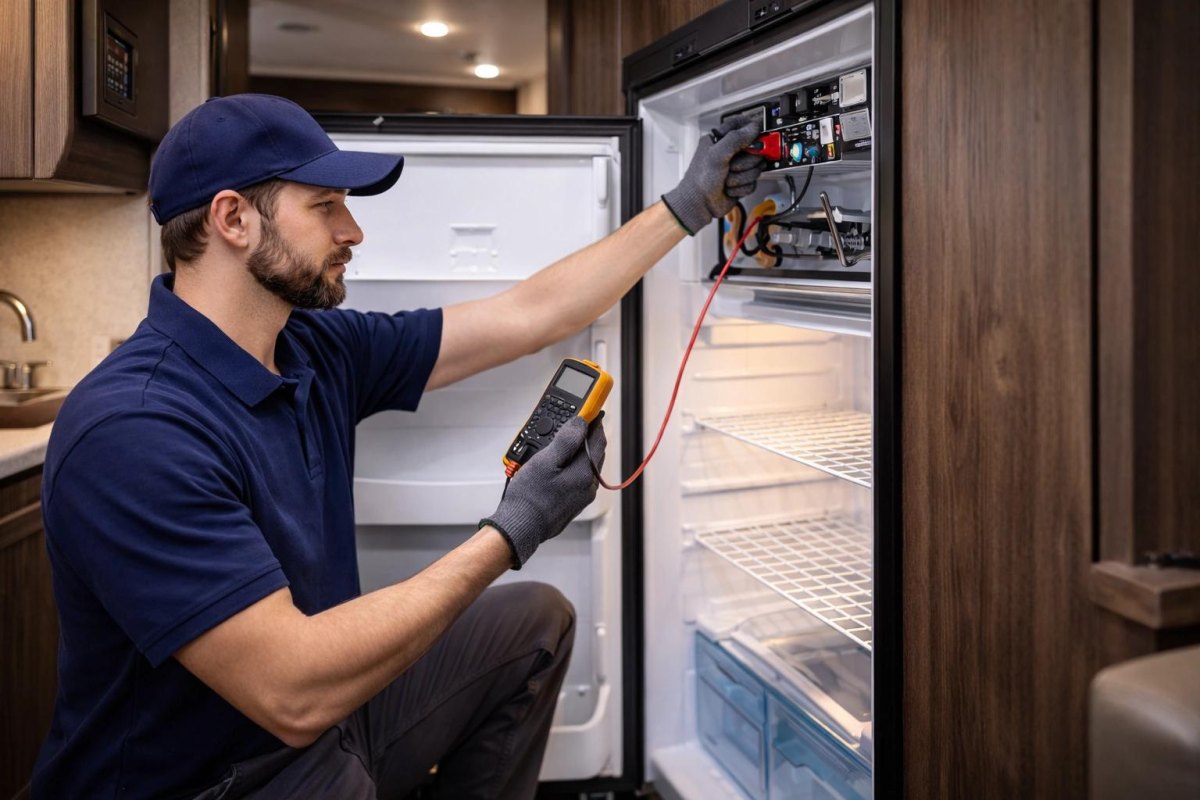
I test appliances before a trip because discovering a refrigerator issue at a campsite is a very expensive way to learn patience. The focus is propane and appliance safety.
RV spring checklists recommend testing appliances, checking propane systems, and having qualified technicians handle leak or pressure testing when needed.
Safety first
Never ignore a propane smell or suspected leak.
Inspect RV Windows, Doors, and Seals
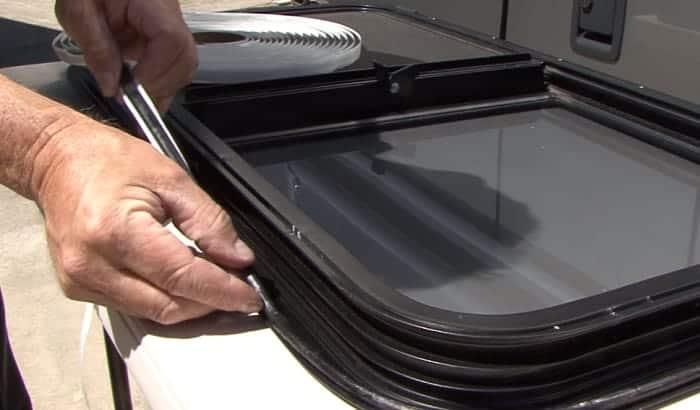
Windows and doors are easy to overlook because they still look like windows and doors. I check weather seals and latches to prevent drafts and leaks.
Seasonal inspection lists recommend checking window frames, doors, locks, and exterior sealant areas for damage.
Test Safety Equipment and Emergency Gear
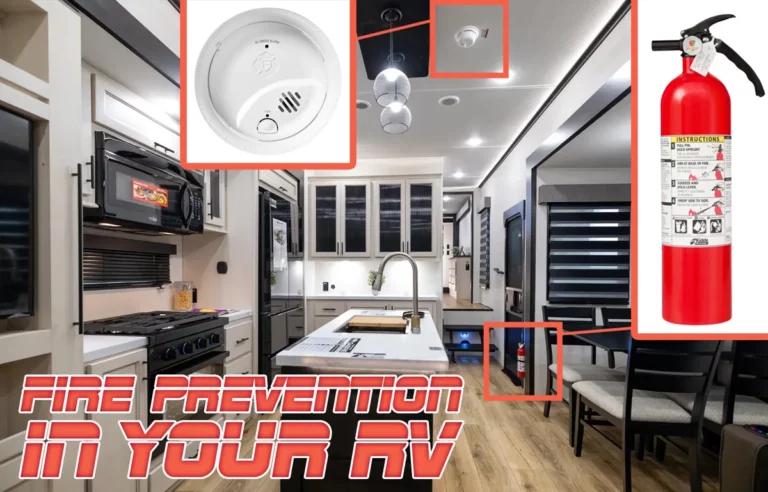
My airline background made this step automatic. Safety gear gets checked before departure, not after something goes wrong. I test detectors and emergency equipment every spring.
RV guidance recommends testing smoke, carbon monoxide, and propane detectors and checking fire extinguishers before travel.
1
spring safety review before your first trip
Update RV Registration, Insurance, and Travel Documents
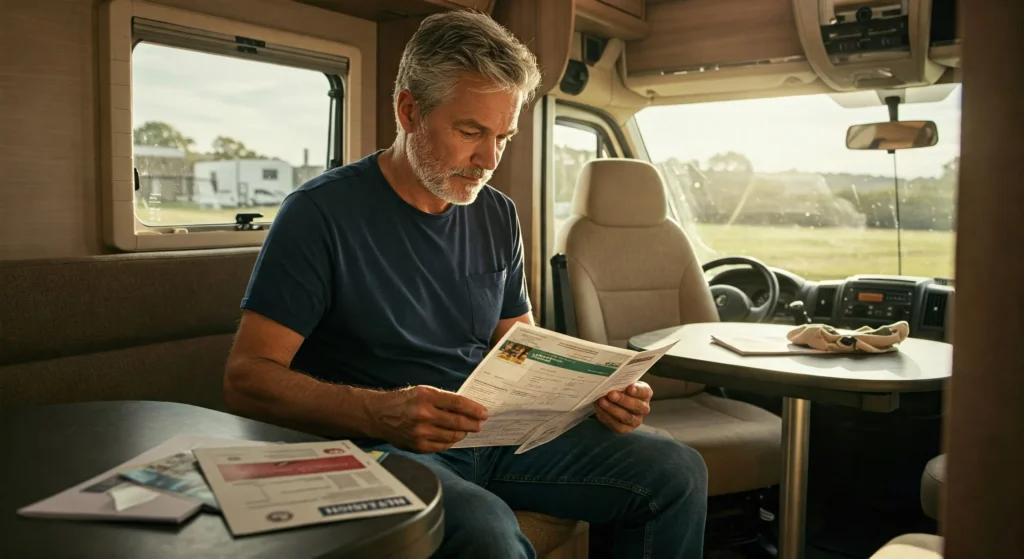
I have forgotten chargers, socks, and one memorable train ticket, but I try not to forget documents. Before leaving, I confirm RV paperwork is current.
Spring preparation checklists include verifying registration details and travel-related documents before hitting the road.
Prepare an RV Spring Road Test
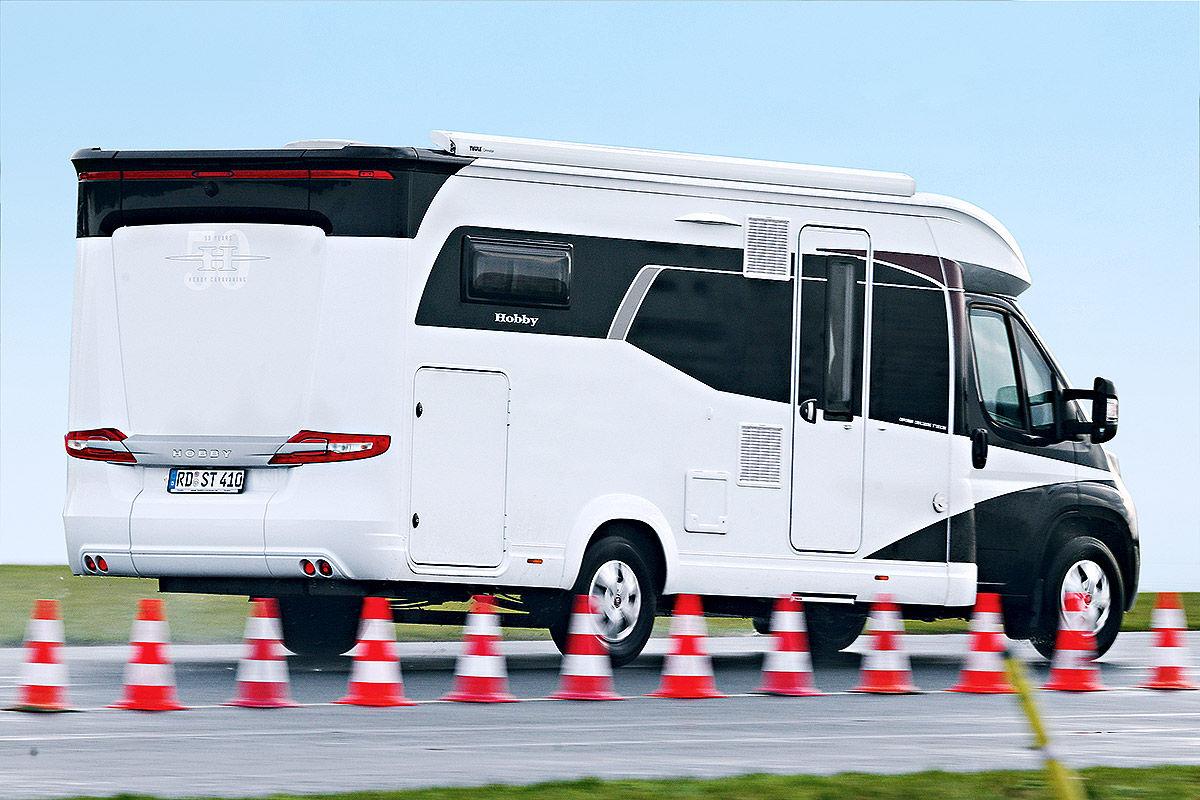
My final step is a short drive close to home. A spring road test lets me catch real-world problems before I am hundreds of miles away.
I check handling, lights, brakes, sounds, and anything that feels unusual before starting a longer journey.
A calm first drive is better than a stressful first vacation.
Lena's spring travel rule