
The first time I carried everything I needed into the wilderness, I made the classic beginner mistake: I packed like I was moving house for two nights. My shoulders still remember that trip. Good backpacking is not about carrying more; it is about carrying the right essentials and knowing how to use them.
I have spent years living out of carefully organized bags, from airline cabins to remote trails, and my notebook pages are full of lessons learned the muddy way. These beginner backpacking tips focus on the decisions that make a first trip safer, lighter, and much more enjoyable. Current guidance from outdoor organizations emphasizes choosing suitable routes, carrying essential gear, planning ahead, and building skills gradually.
Choose the Right Backpack and Gear
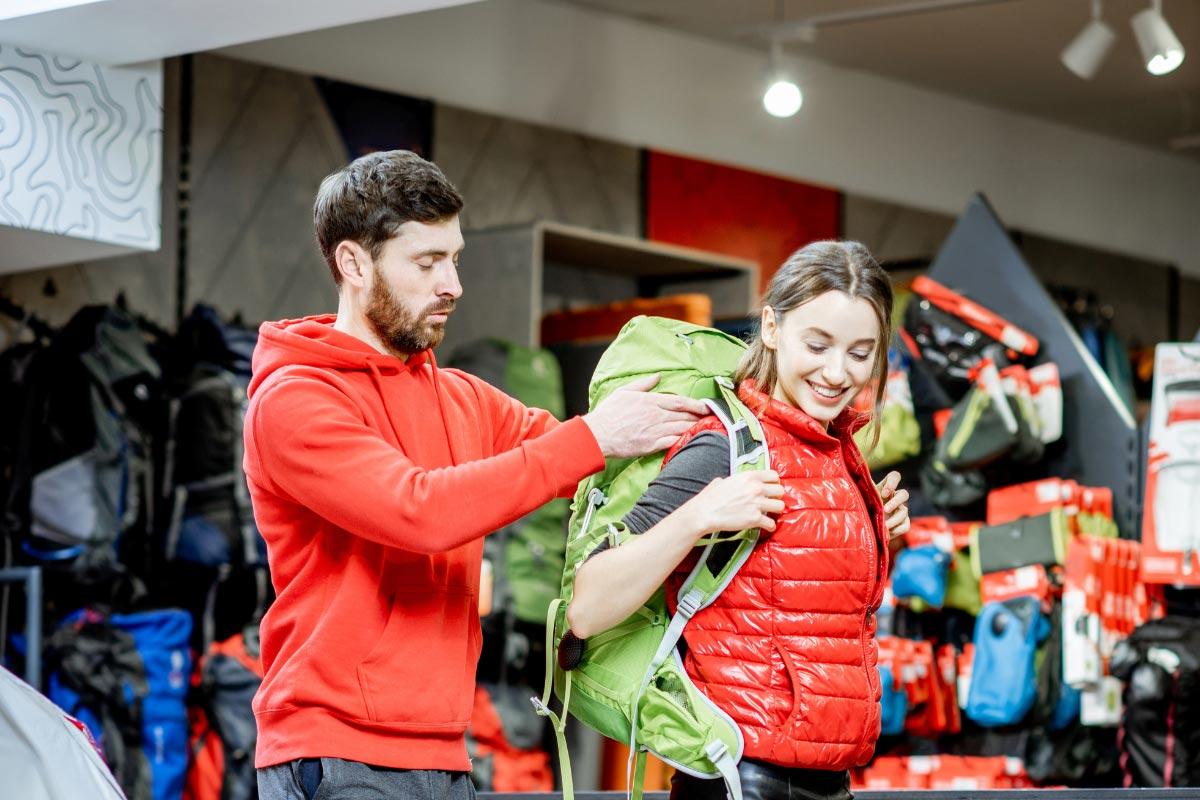
Your backpack is not just a bag; it is your tiny home with shoulder straps. I recommend beginners avoid buying every shiny gadget at once and start with the core backpacking systems: shelter, sleep, clothing, navigation, food, and water. REI’s beginner guidance also recommends borrowing or renting expensive items before committing.
I learned this lesson after years of packing for flights: the best gear is the gear you actually understand. A lighter pack with familiar equipment beats a heavy pack full of things you bought yesterday.
Plan Your Route Before You Go
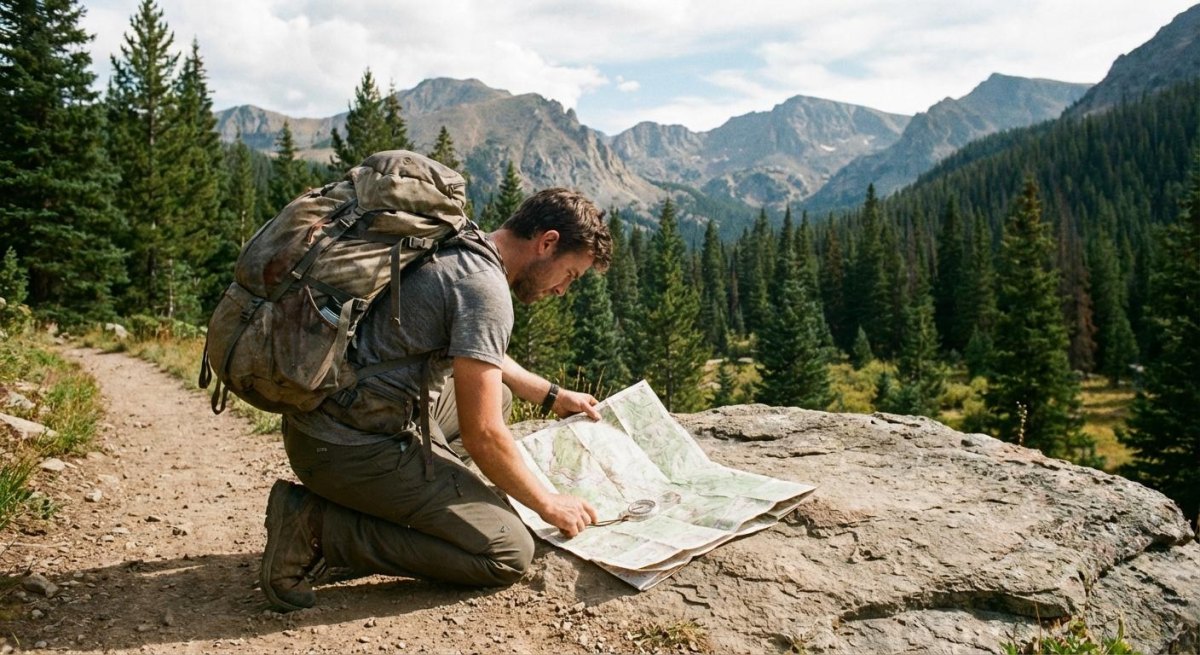
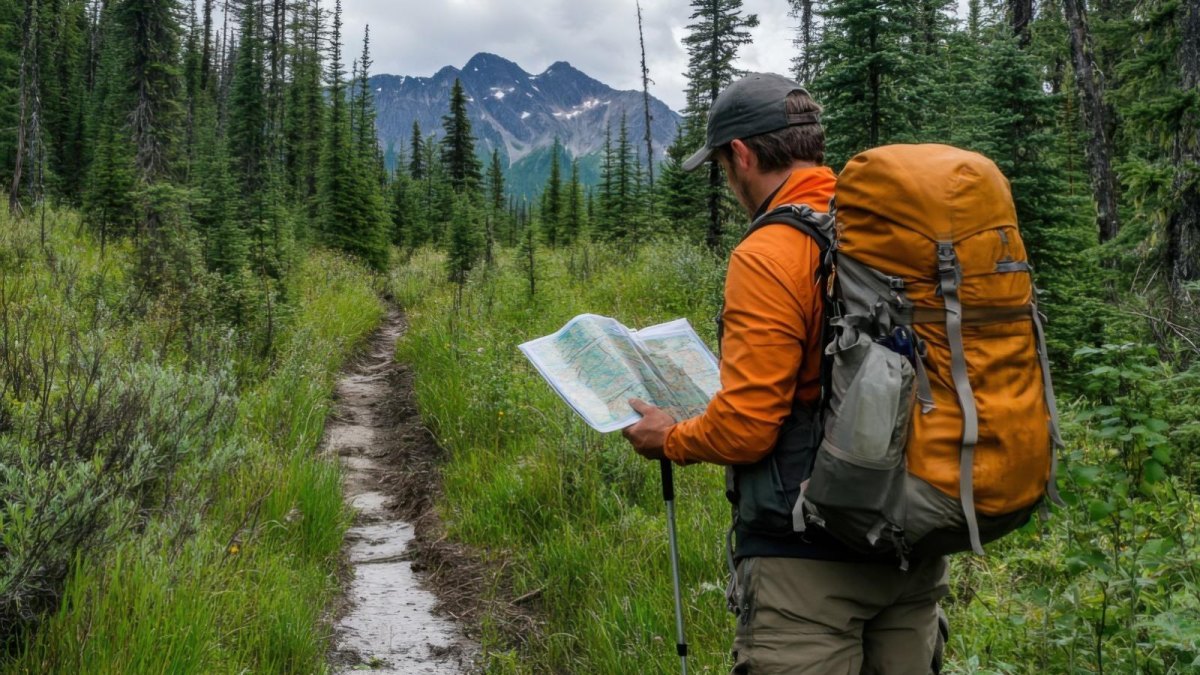
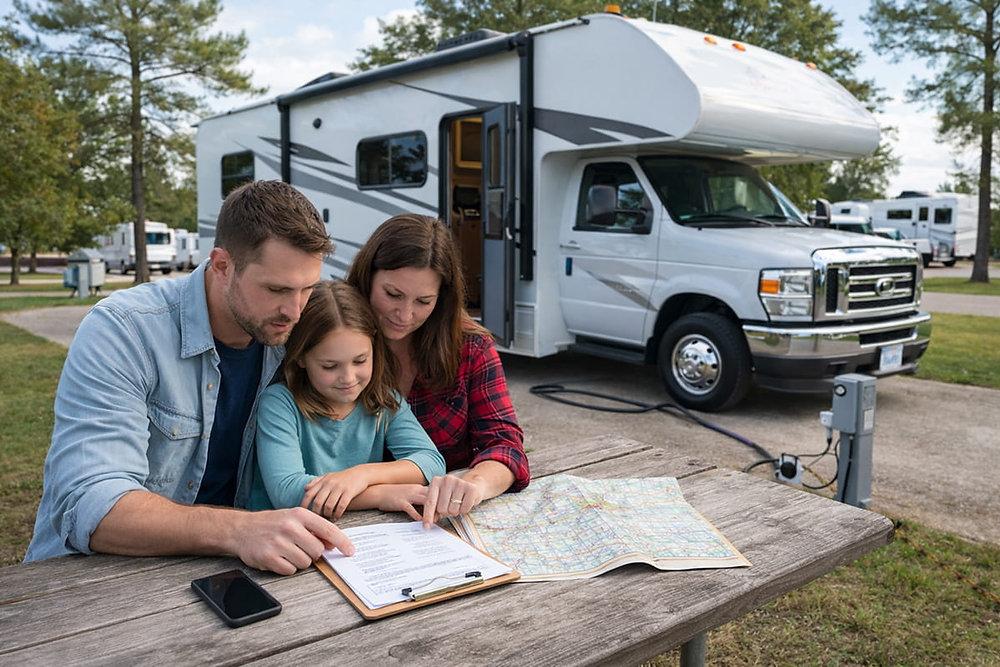
A beautiful trail can become a stressful trail if the distance, elevation, or conditions do not match your experience. I always check maps, permits, weather, and trail updates before leaving because surprises are charming in cafés, not always in the backcountry. Route research matters, especially on a first overnight trip.
My travel notebooks are full of tiny route notes: where water was available, where shade disappeared, and where I should have started earlier. Those details become gold on the next trip.
Pack Light and Pack Smart
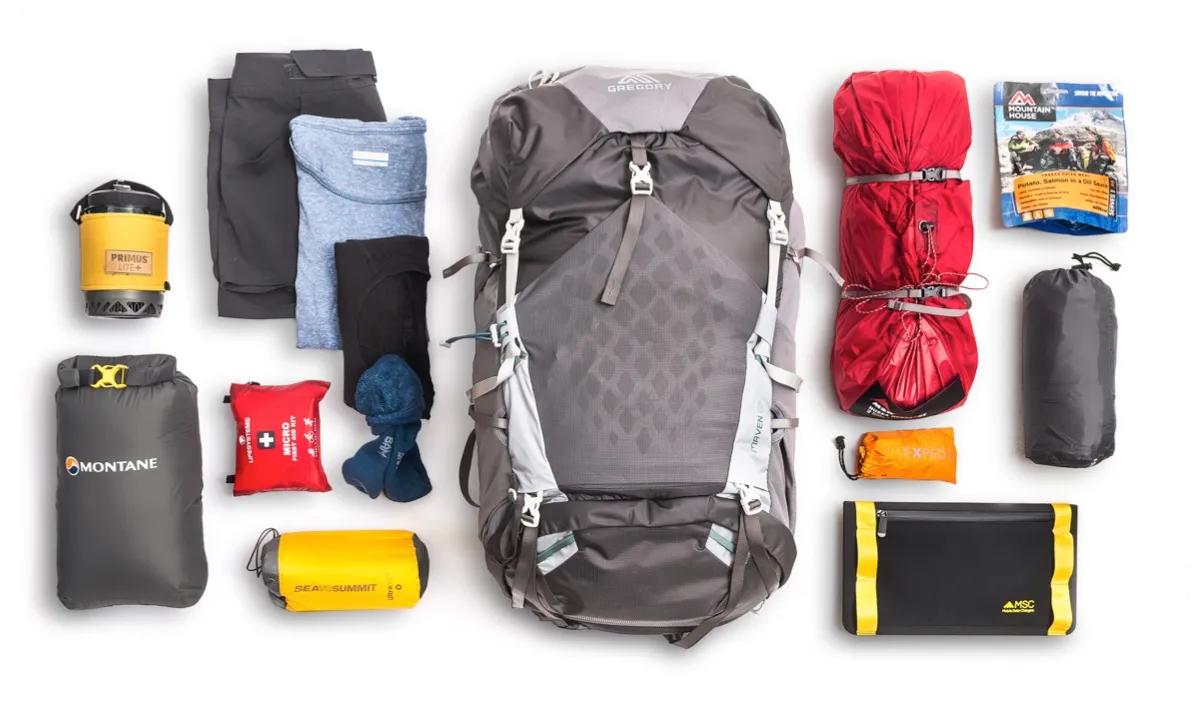
My flight attendant years taught me that every extra item eventually becomes something you have to carry. Backpacking follows the same rule. A thoughtful pack means less weight and more comfort on every mile. Outdoor gear checklists emphasize tailoring your load to the trip rather than packing every possible item.
I still pack a tiny notebook because writing at camp is part of my routine. It weighs almost nothing and gives every trip a memory attached to it.
Learn Basic Camping Skills
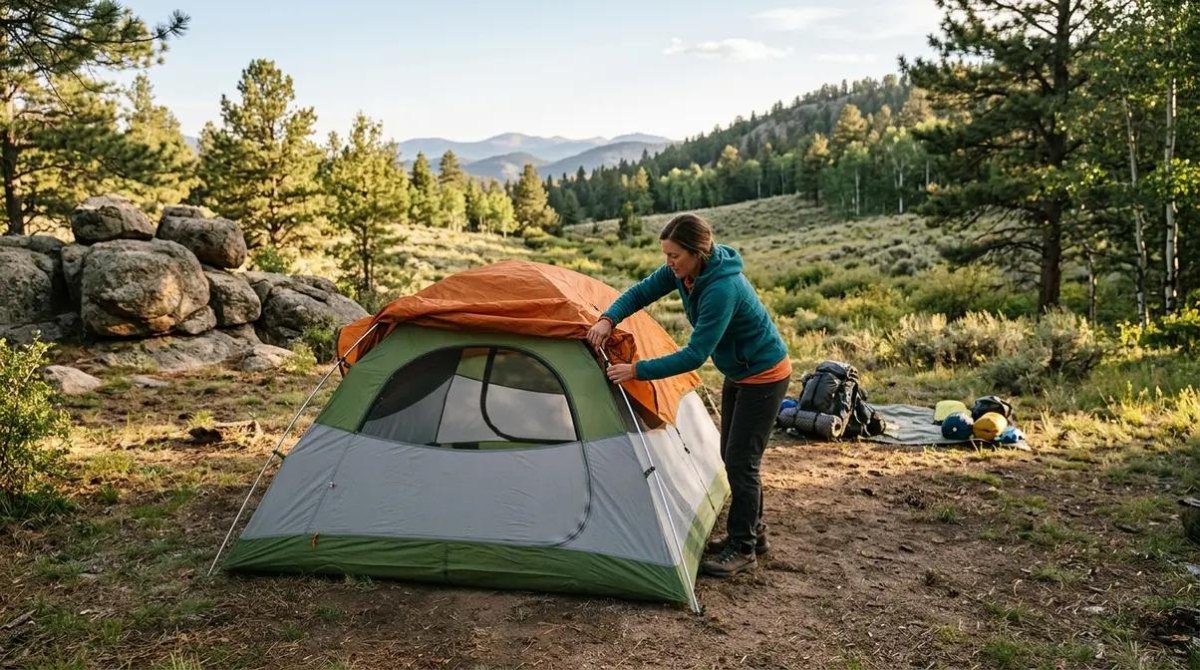
Do not wait until you are tired, hungry, and standing in the rain to discover you cannot set up your tent. I practice new gear at home first because camp skills need rehearsal, not confidence alone. REI also recommends practicing tasks like pitching tents and filtering water before a trip.
My beginner tip
Set up your shelter in your backyard or a local park before your first overnight. The glamorous wilderness moment is much better when the tent poles cooperate.
Learn how to cook with your stove, organize your sleeping setup, and handle small repairs. These simple skills turn a nervous first trip into a manageable adventure.
Prepare for Weather and Emergencies
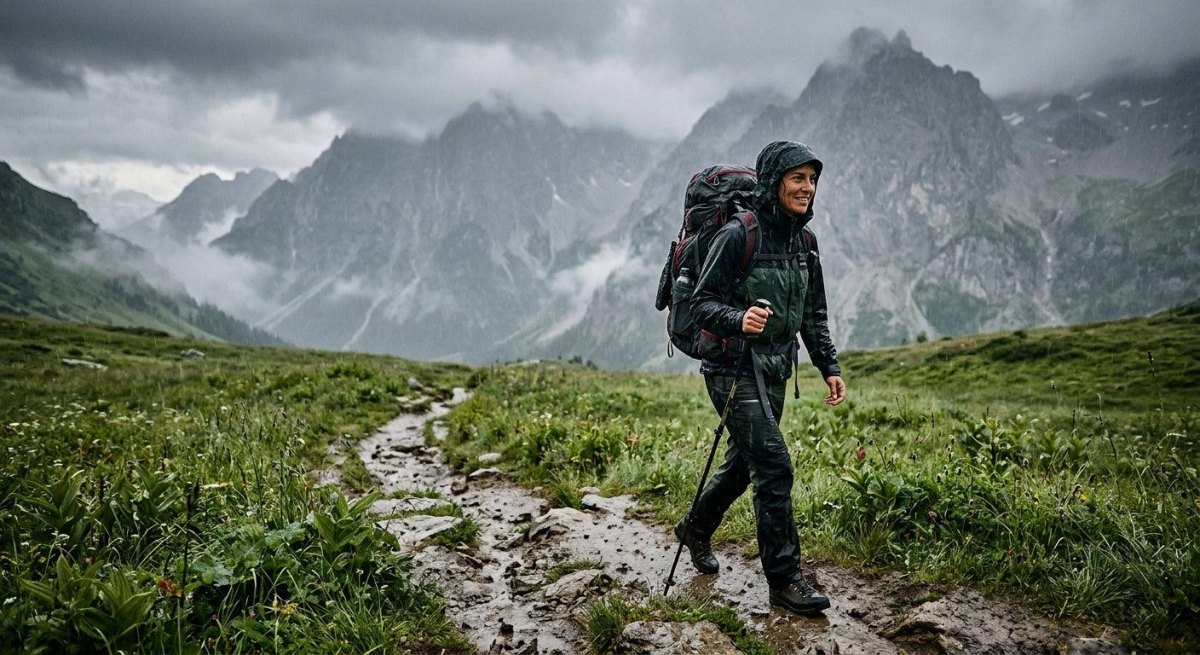
Weather is the one travel companion that never reads your itinerary. I check forecasts before every outdoor trip and still pack for conditions that could change. The emergency plan matters as much as the scenic plan.
Avoid this mistake
Do not rely only on your phone in remote areas. Signal can disappear exactly when you need it most.
I learned during airline emergencies that calm comes from preparation. The same is true on trails.
Manage Food and Water on the Trail
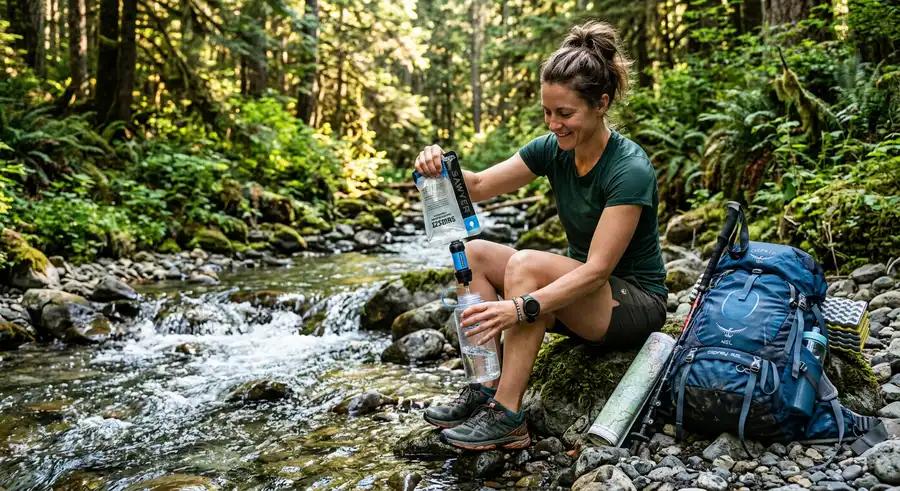
Trail food does not need to be complicated. My favorite backpacking meals are the ones that require little cleanup and taste wonderful after a long walk. The key is planning enough fuel without carrying a kitchen. Simple trail nutrition wins every time.
| Need | Beginner approach |
|---|---|
| Meals | Light, easy-to-cook options |
| Snacks | High-energy foods you enjoy |
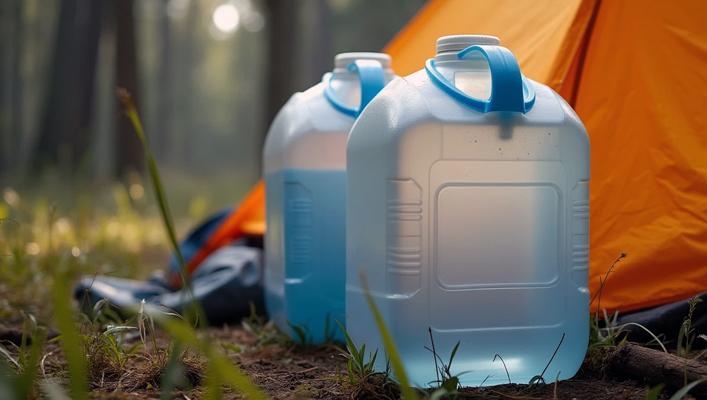
| Water | Carry and treat safely |
I keep a small record of what I eat on trips. It helps me avoid packing too much and reminds me which snacks actually survive being crushed in my bag.
Follow Leave No Trace Principles
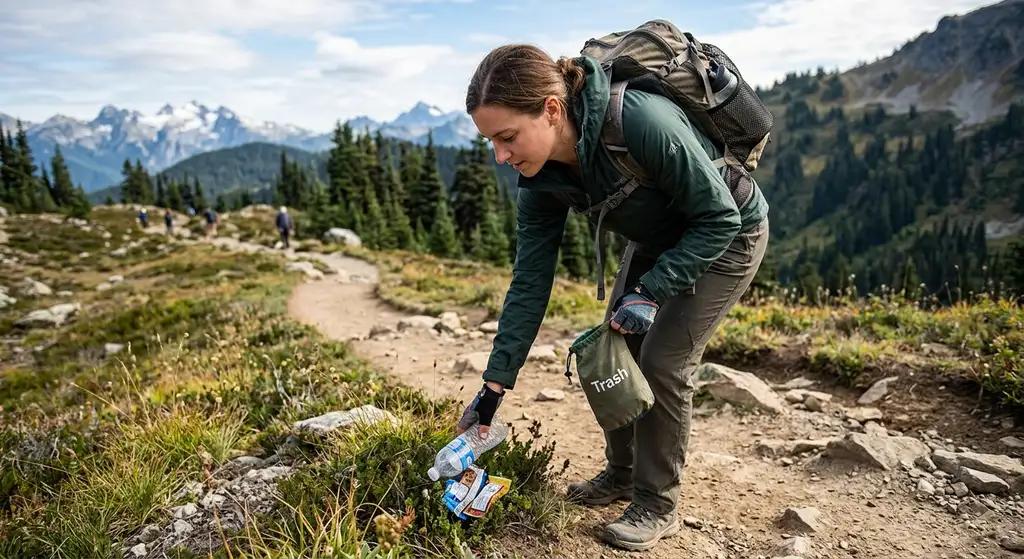
The best campsite is the one that looks like nobody was there. I treat wilderness spaces like borrowed rooms: beautiful, temporary, and deserving of care. The Leave No Trace principles emphasize durable surfaces, proper waste disposal, and respecting wildlife.
Remember
Pack out everything you bring in, including small pieces of trash and leftover food.
Responsible backpacking protects the places that make these trips special. Future hikers deserve the same quiet trails and clean campsites.
Stay Safe While Hiking Alone or With Others
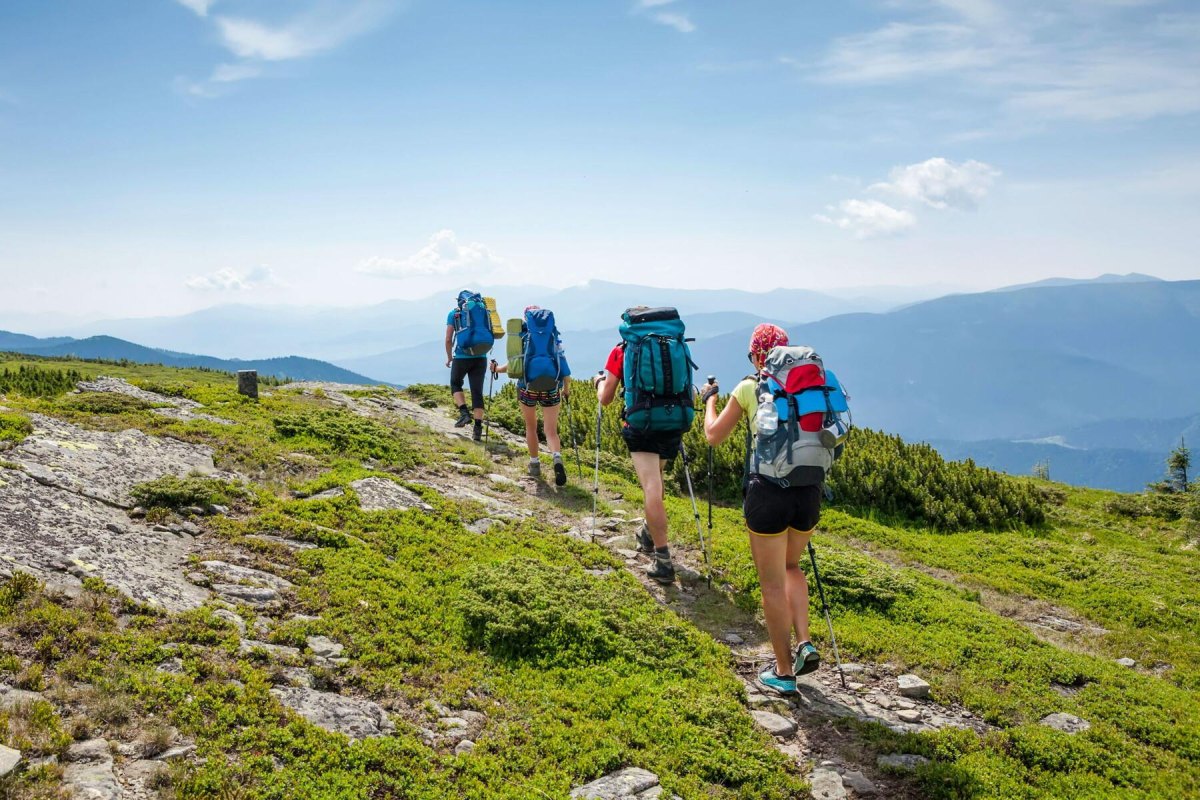
I love solo travel, but independence is not the same as ignoring risk. When I hike alone, I become more deliberate: I share plans, watch timing, and make conservative choices. Hiking safety guidance recommends understanding your abilities, planning ahead, and having emergency preparation.
Solo hiking benefits
- Complete freedom with your pace
- Deep quiet and personal reflection
Extra considerations
- You must handle decisions alone
- Emergency planning becomes essential
For a first backpacking trip, I often suggest going with someone experienced. A good trail partner is worth more than a fancy piece of gear.
Build Experience With Shorter Trips First
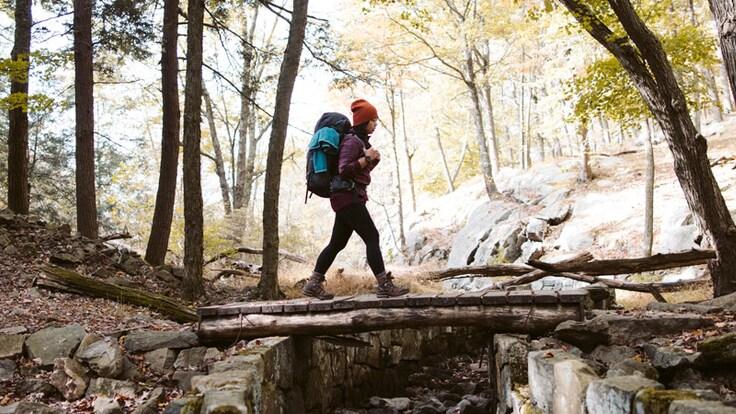
Your first backpacking trip does not need to be a legendary expedition. A one-night adventure close to home can teach you almost everything you need before a longer journey. Starting small builds real trail confidence.
I still review my travel notes after every adventure. The mistakes are usually the most useful entries because they save me from repeating them later. A shorter trail today can become tomorrow’s mountain route.