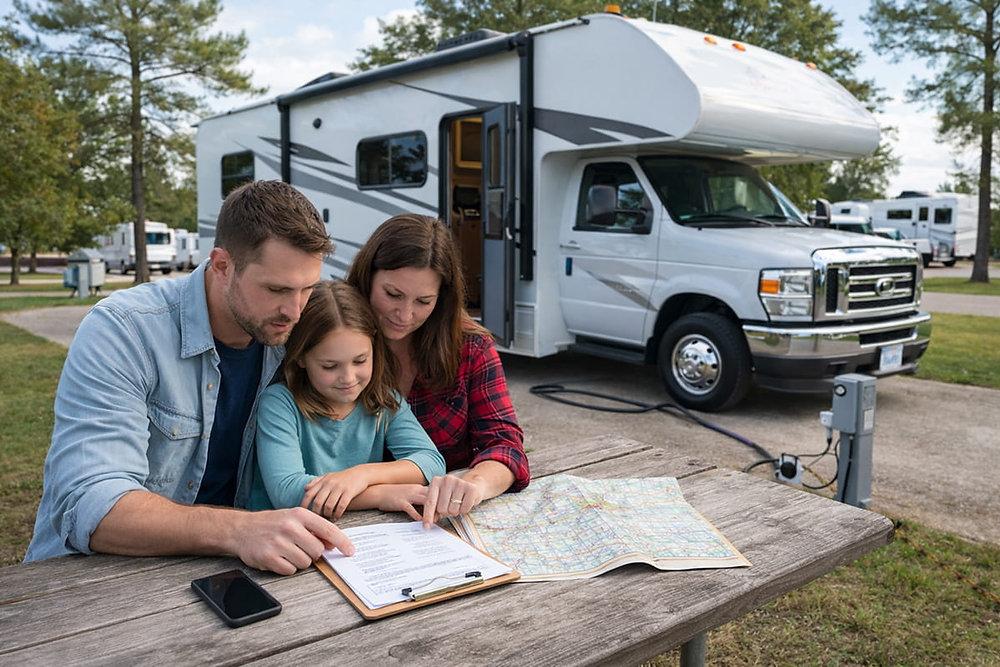

I have spent countless mornings chasing sunrise trails, quiet forests, and breathtaking overlooks, and this national park adventure itinerary brings together the route I would recommend for a balanced trip. From arrival day to the final scenic drive, this schedule is designed to help you experience the park’s best landscapes without rushing.
Arrival Day: Getting Oriented at the National Park
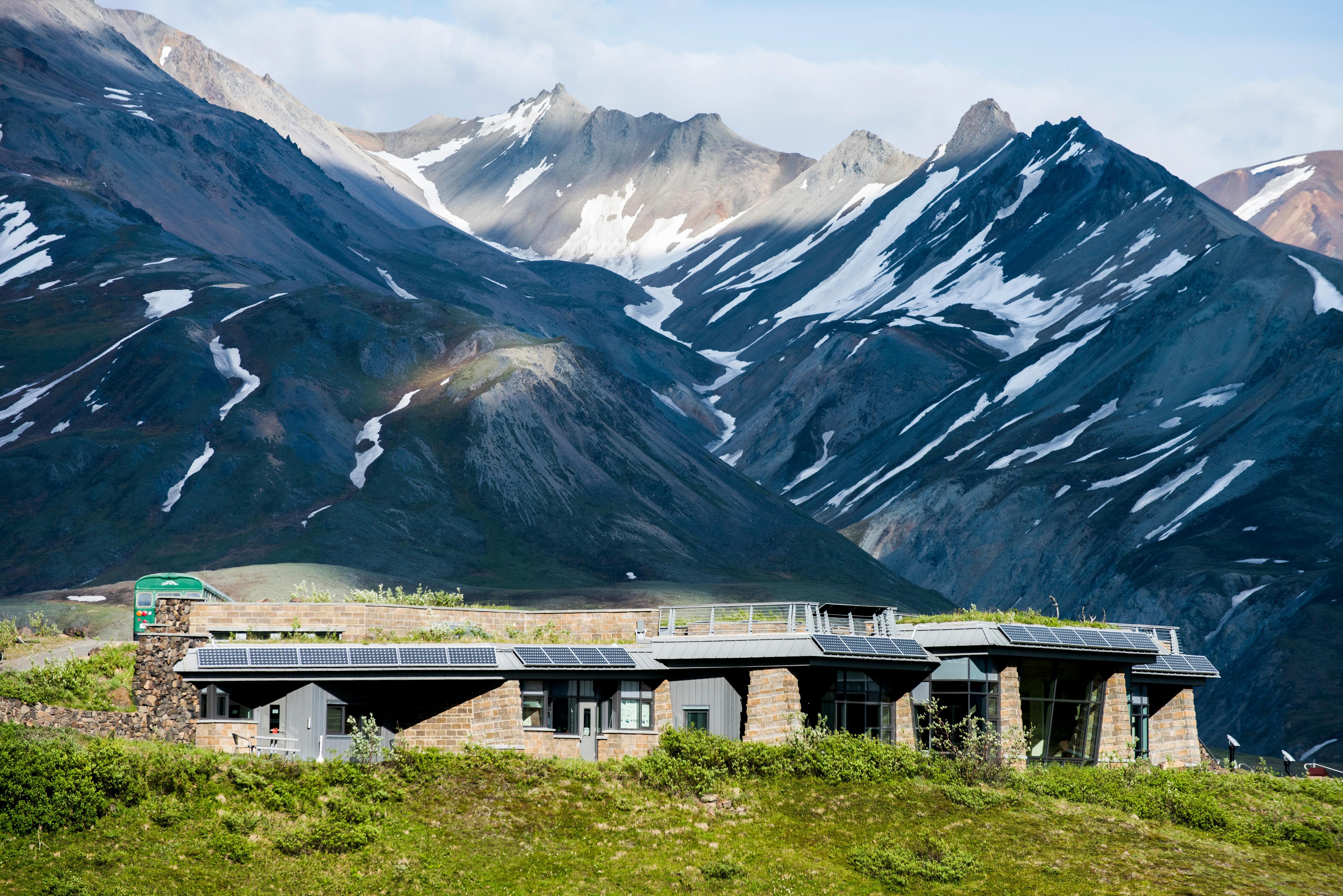
I always begin a national park adventure by learning the landscape before heading deep into the trails. Spend your first afternoon at the visitor center, pick up maps, check trail conditions, and talk with park staff about current wildlife activity.
First Day Essentials
- Explore the visitor center
- Plan trail routes
- Watch the first sunset viewpoint
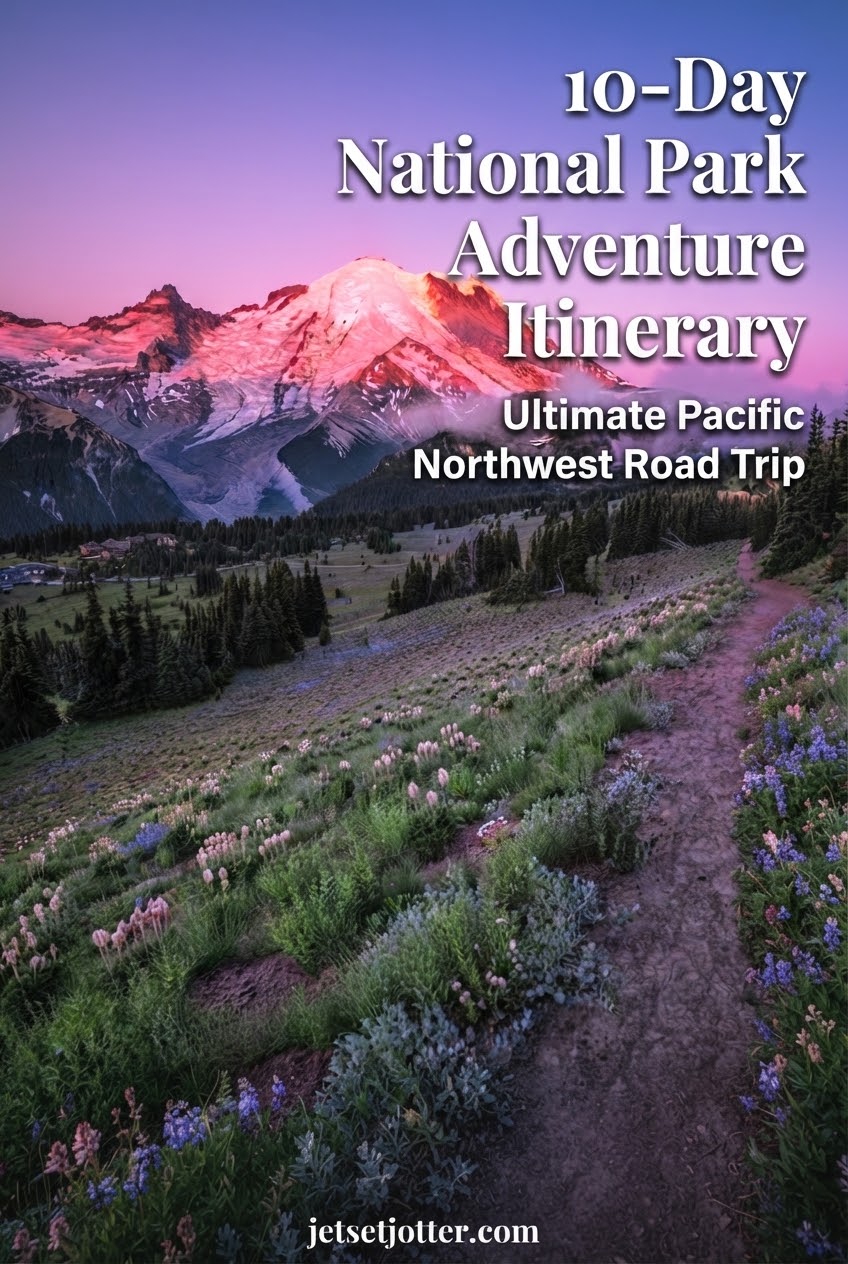
Day 2: Sunrise Trail Exploration
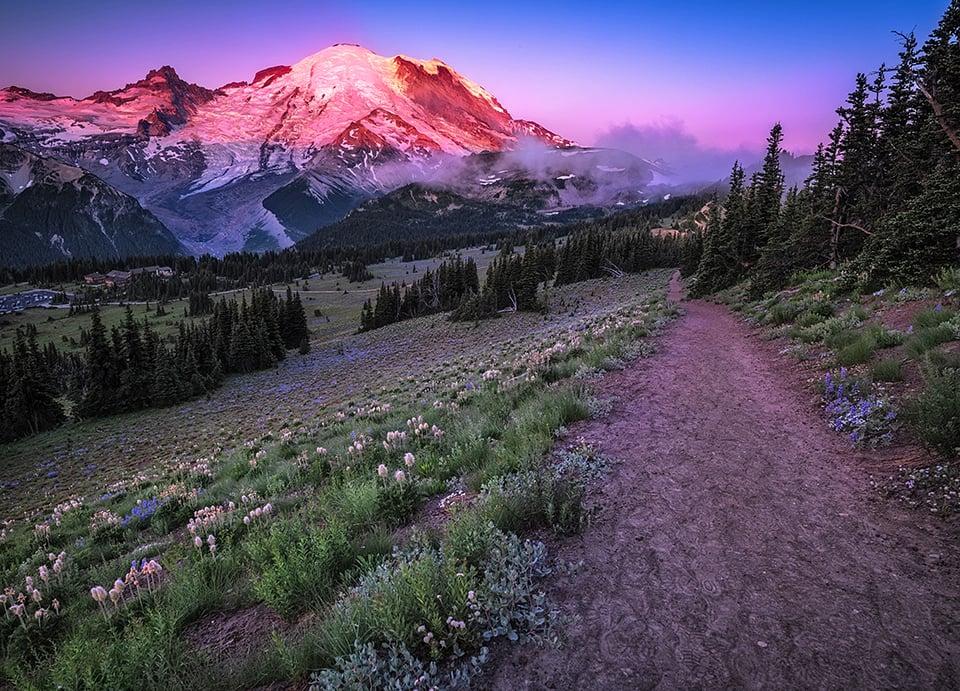
My favorite way to connect with a park is to start hiking before the crowds arrive. A sunrise trail offers cooler temperatures, better wildlife chances, and unforgettable views as the landscape changes with the morning light.
Trail Tip
Pack water and a small breakfast so you can enjoy the viewpoint without needing to return early.
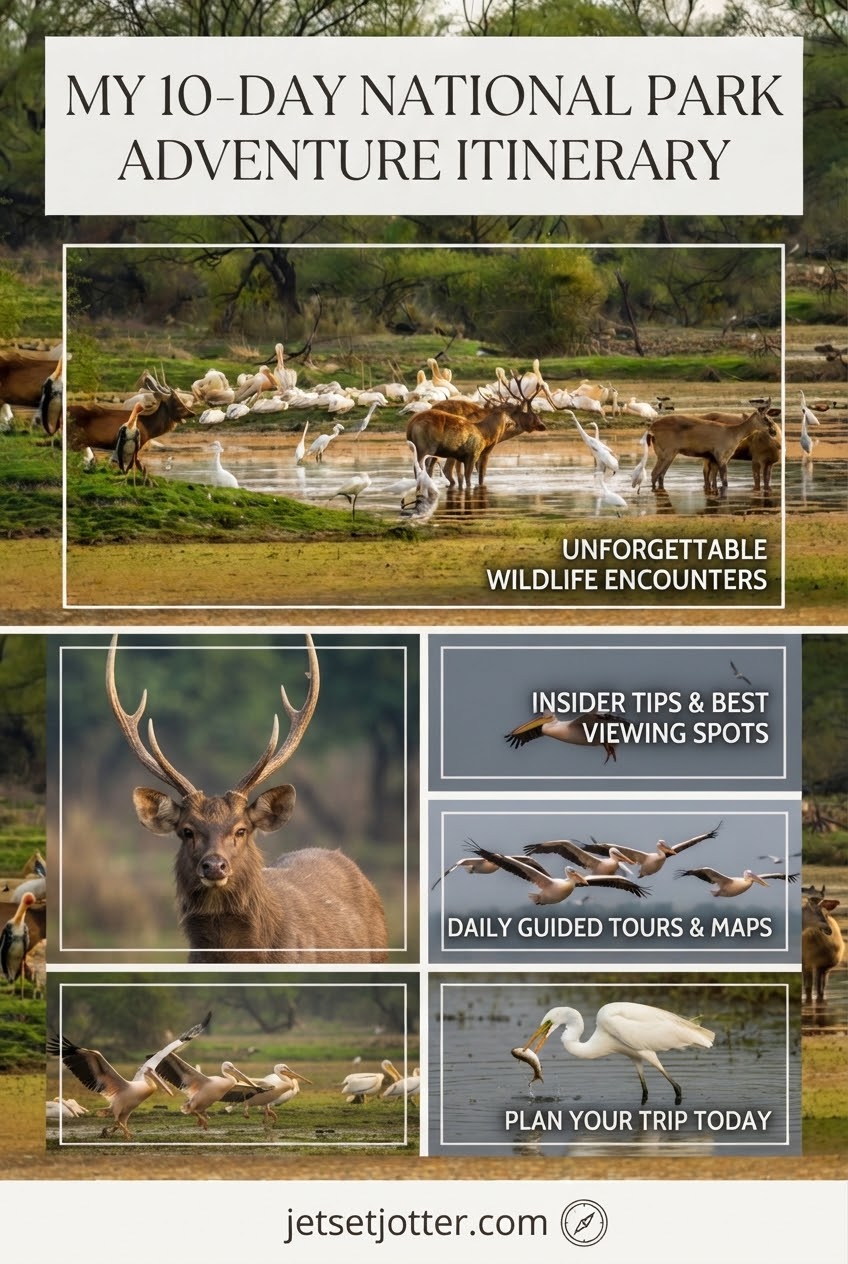
Day 3: Wildlife Watching Adventure
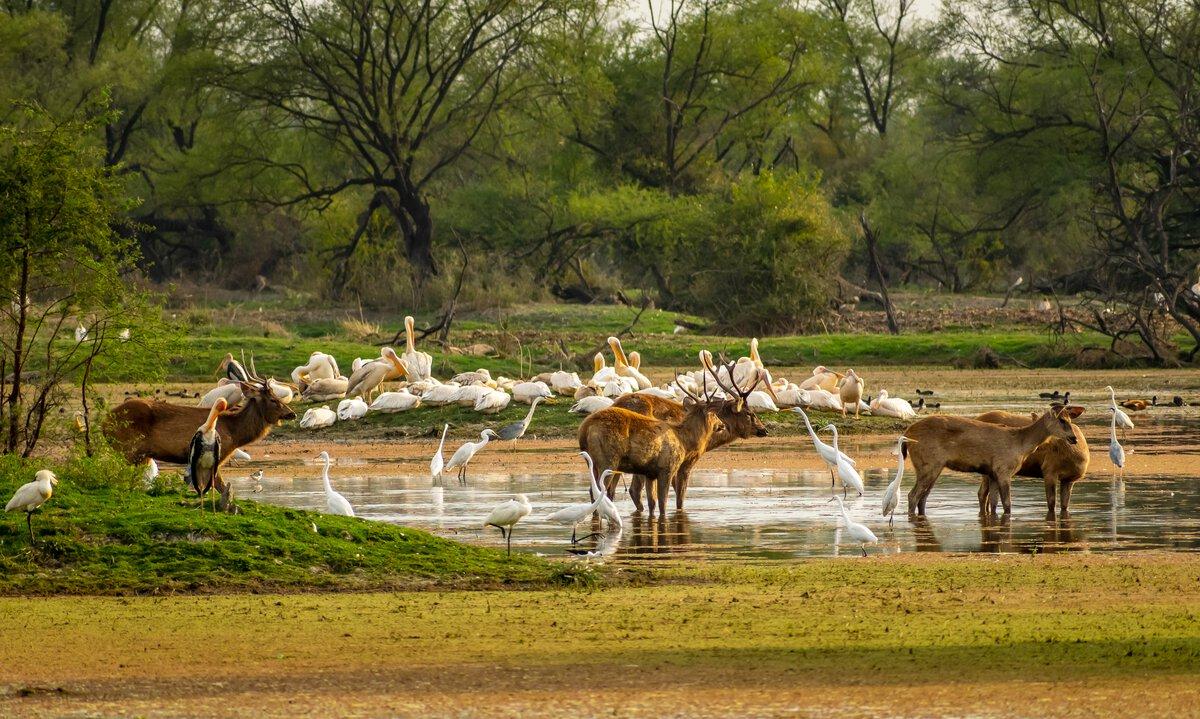
I plan wildlife viewing around early mornings and late afternoons because animals are usually more active during these quieter hours. Keep your distance, move slowly, and bring binoculars for a better experience.
- Carry binoculars
- Respect wildlife boundaries
- Stay on marked paths
Day 4: Scenic Viewpoint Discovery Route
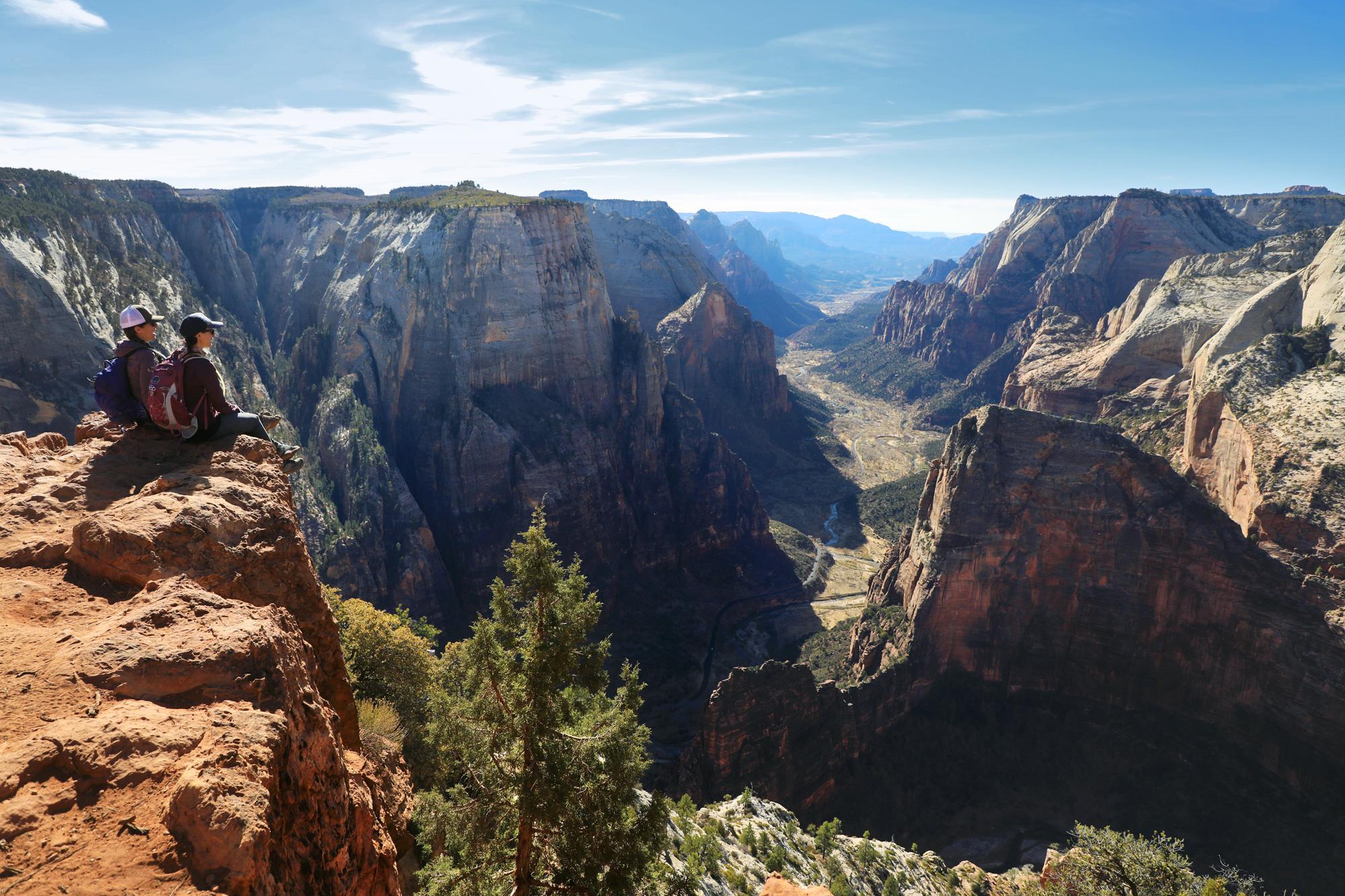
No itinerary feels complete without exploring the park’s famous overlooks. I schedule these stops during changing light because cliffs, valleys, and mountain ranges often look completely different throughout the day.
- Arrive. Reach viewpoints early to avoid busy periods.
- Explore. Walk nearby trails for different perspectives.
Day 5: Forest Trails and Waterfall Trek
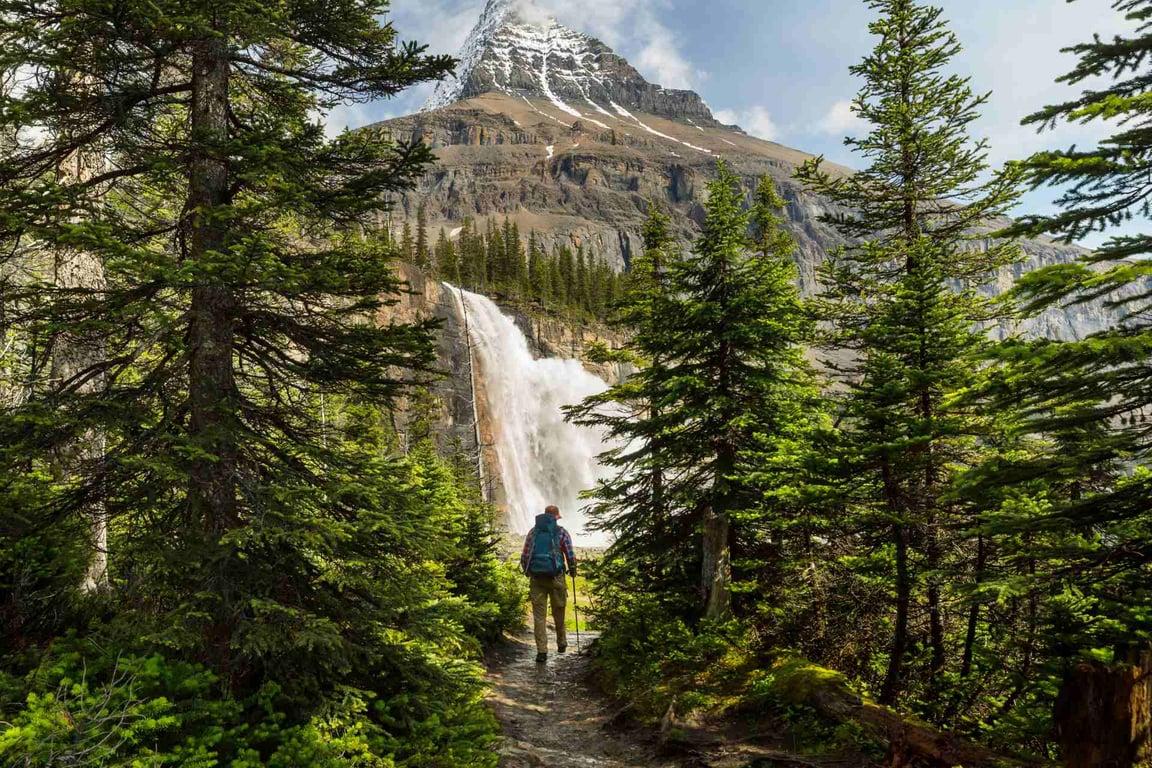
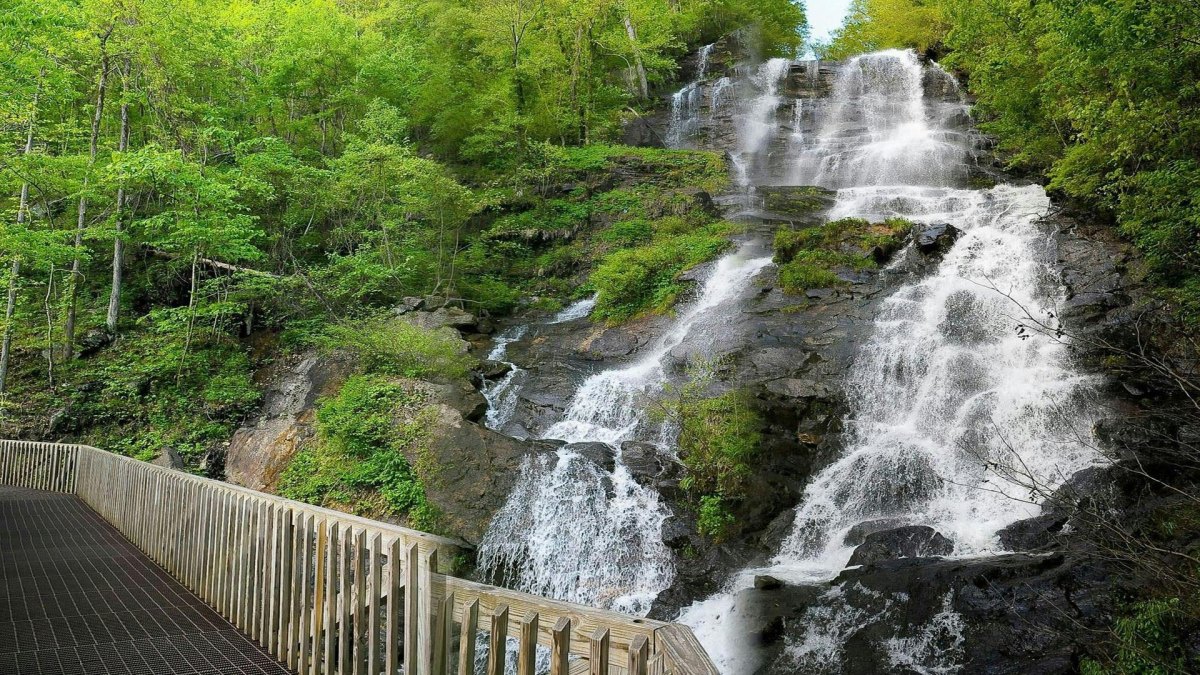
I save forest routes for the middle of the trip when my legs are ready for longer walks. Shaded paths, rushing waterfalls, and hidden viewpoints make these trails some of the most rewarding sections of the journey.
Safety Reminder
Wet rocks near waterfalls can be slippery, so take your time around stream crossings.
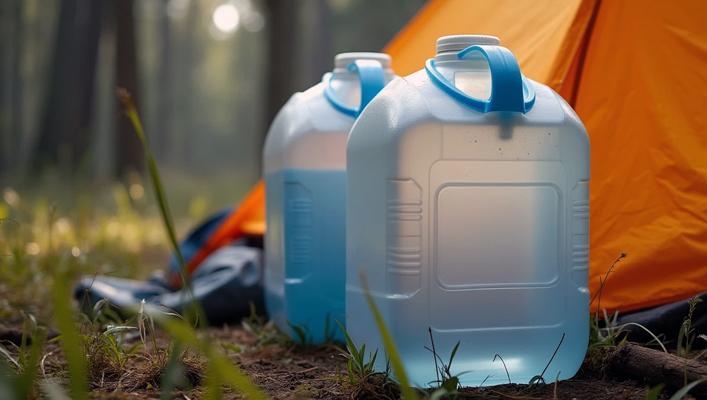
Day 6: Camping Under the Stars
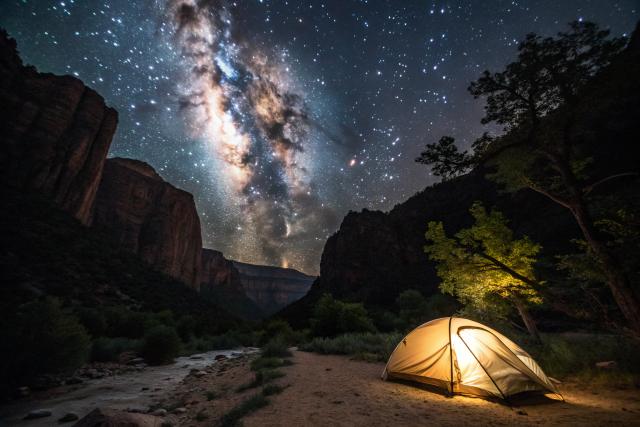
Camping changes the pace of a national park trip. I enjoy staying overnight because the quiet evenings and early mornings reveal a completely different side of the landscape.
- Bring: Warm layers, a headlamp, and a reliable water supply.
- Reserve: Campsites early during peak seasons.
Day 7: Lakes, Rivers, and Valley Activities
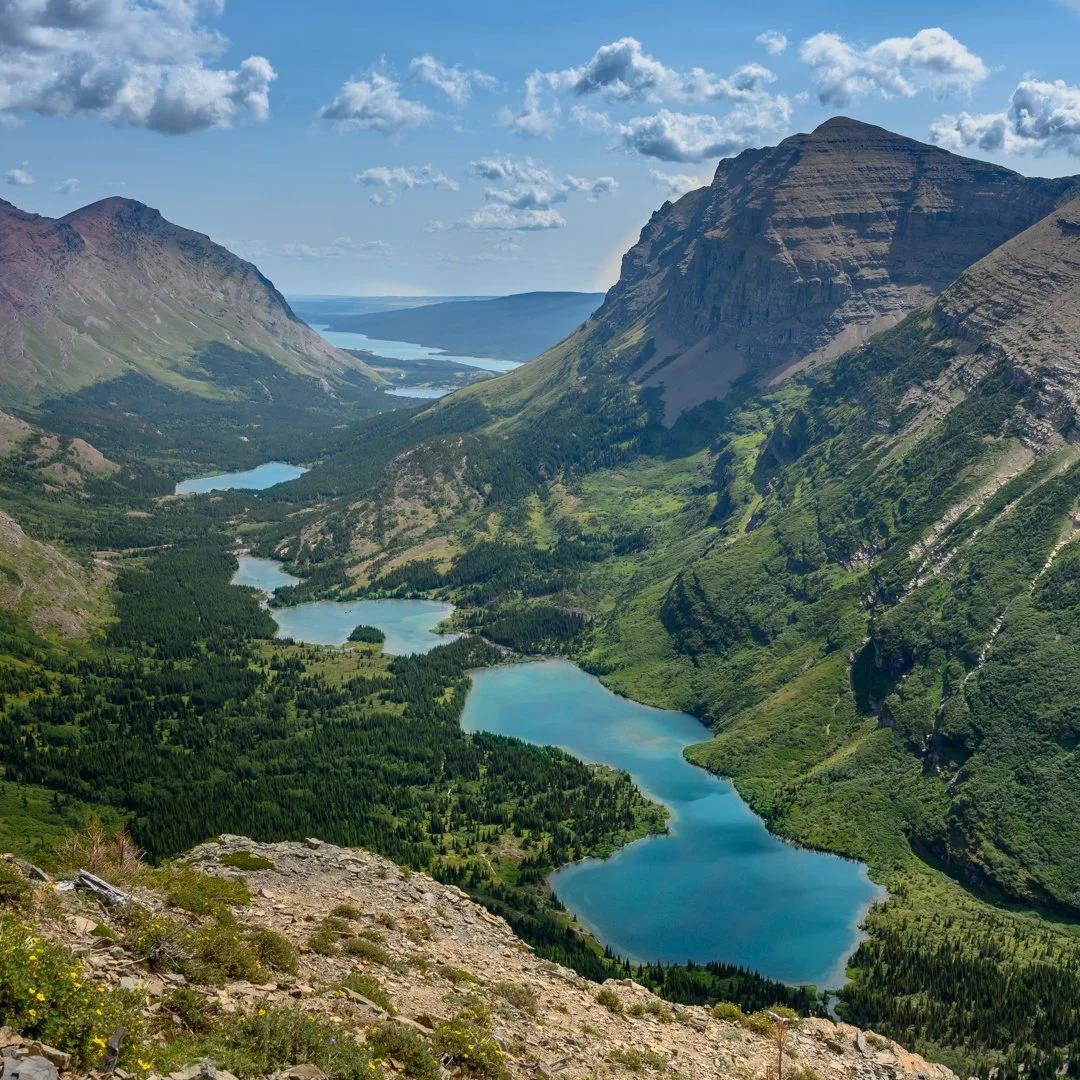
After several hiking days, I like adding slower activities near water. Lakes, rivers, and valleys are perfect places for photography, relaxing walks, and enjoying the park from a new angle.
Planning Tip
Keep a flexible schedule because weather can change quickly near lakes and mountain valleys.
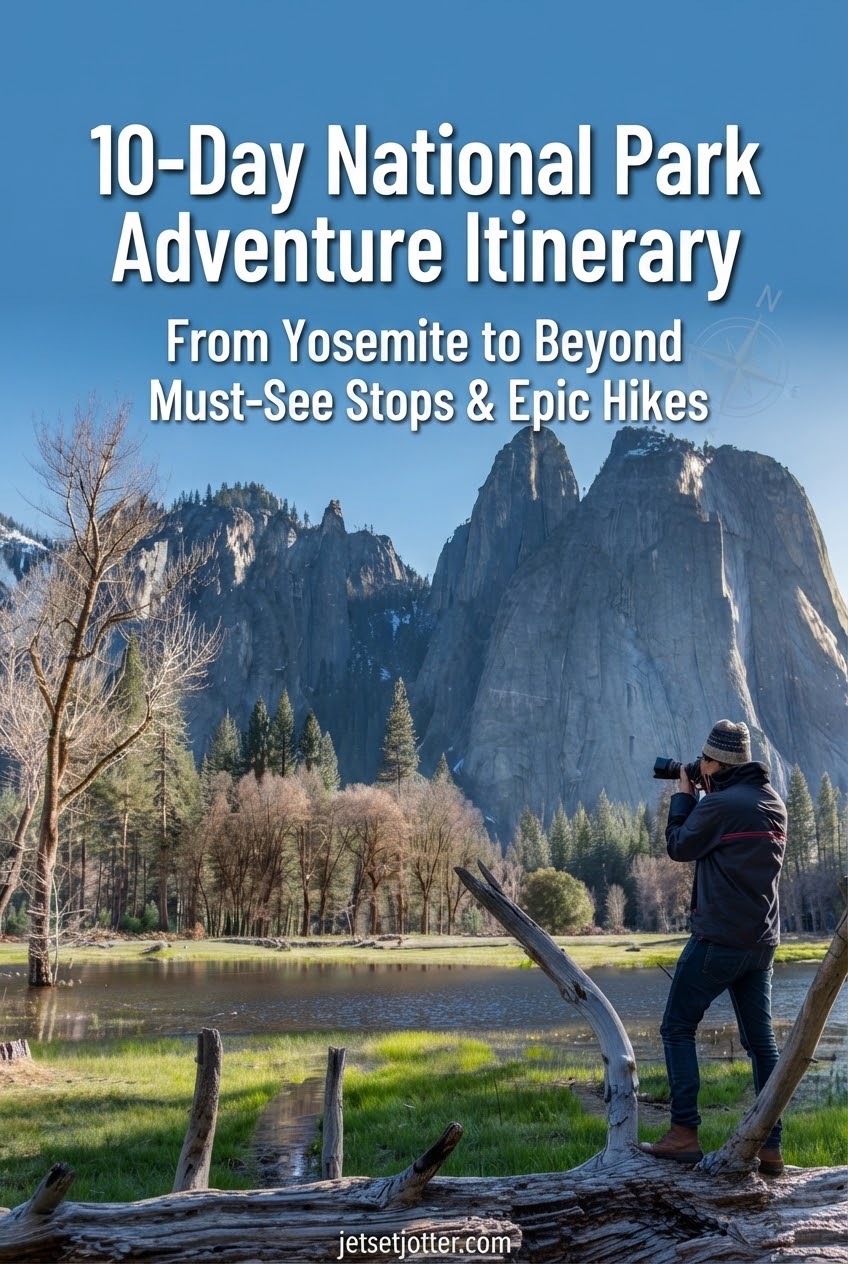
Day 8: Nature Photography Day
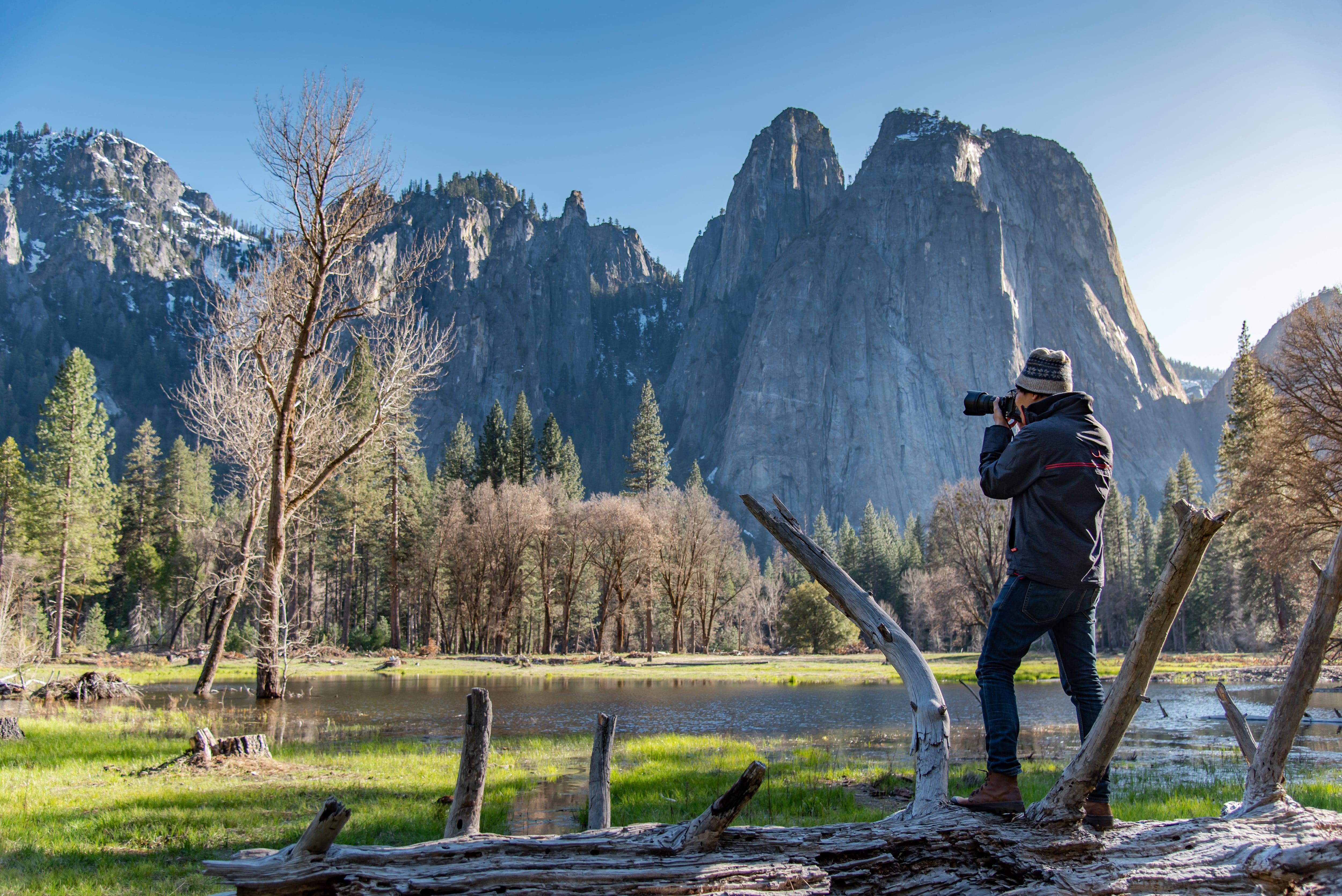
I always leave room for photography because the best moments are often unexpected. Spend the day revisiting favorite areas, looking for new compositions, and capturing details like plants, textures, and wildlife tracks.
Day 9: Sunset Views and Evening Relaxation
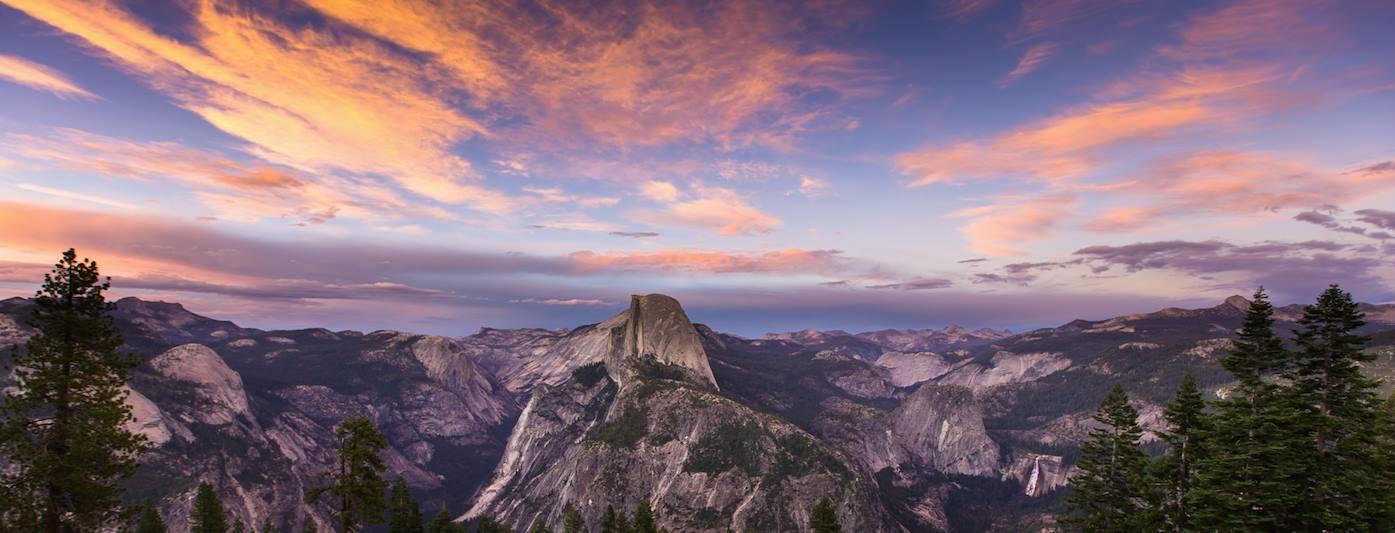
The final evening deserves a special viewpoint. I usually choose a place where I can sit quietly, watch the colors change, and reflect on the trails and landscapes from the past week.
The best park moments are often the quiet ones between destinations.
My trail journal
Day 10: Final Highlights and Scenic Departure
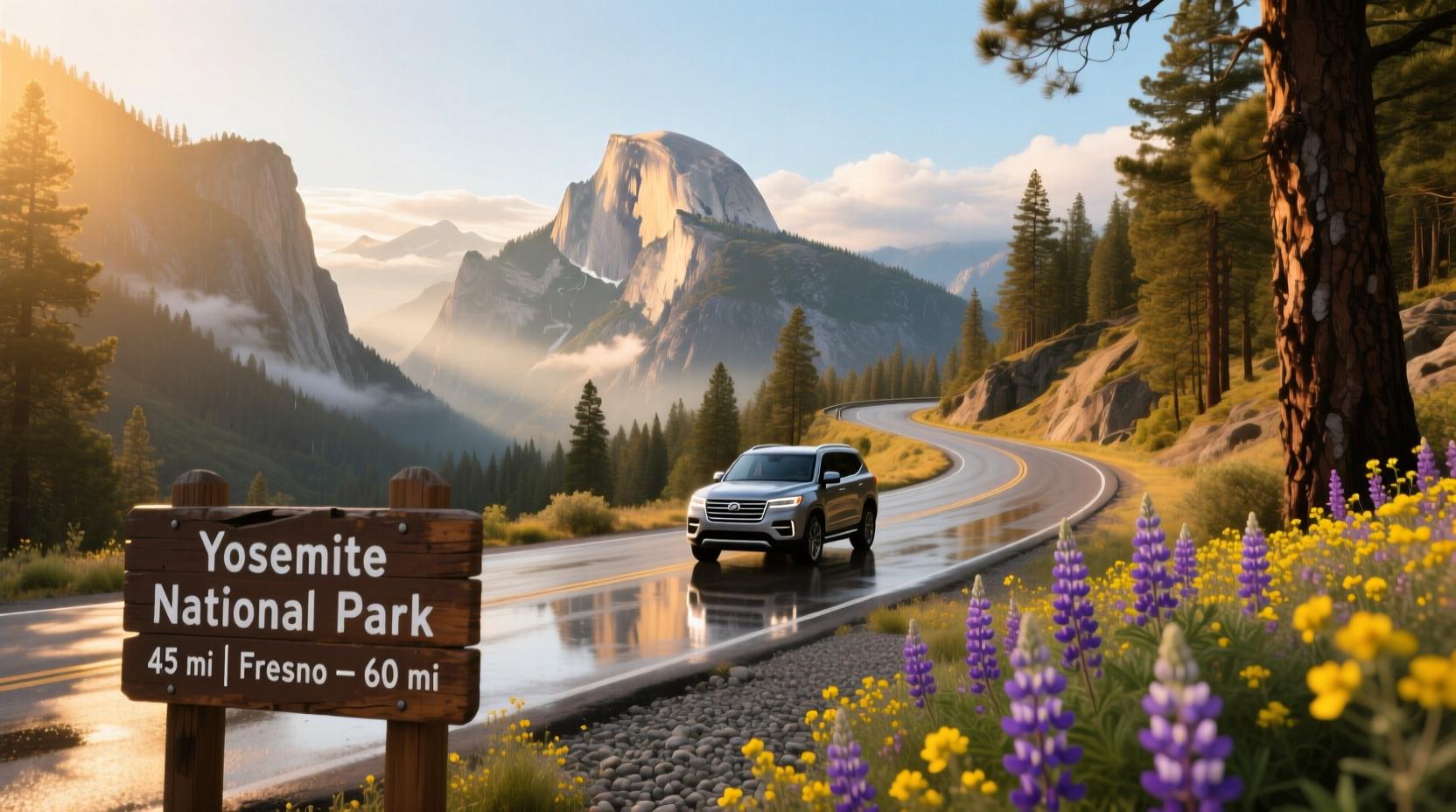
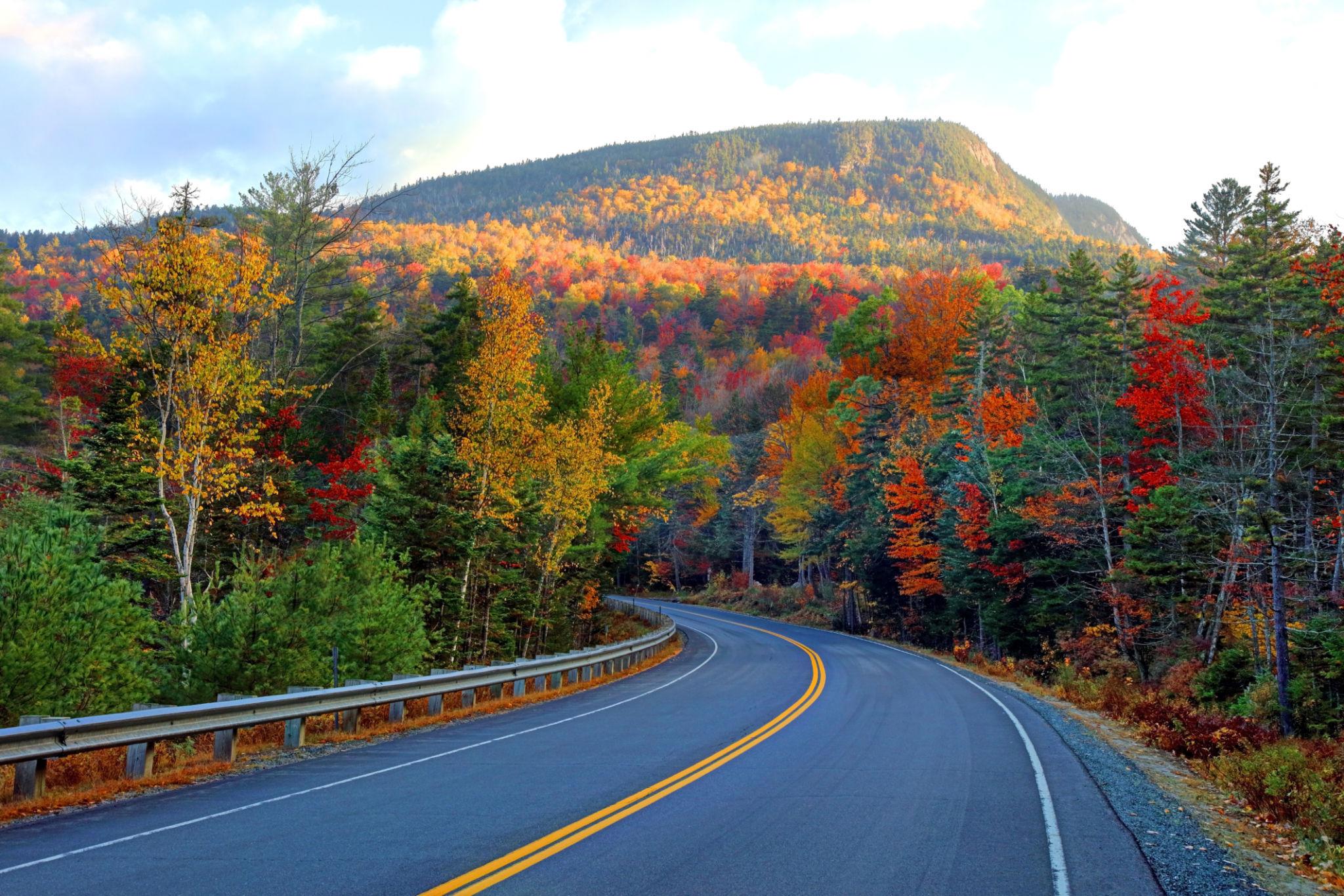
I never rush the last day of a national park trip. A final scenic drive, a short farewell walk, or one last viewpoint stop can turn the departure into another highlight.
Frequently Asked Questions
How many days are ideal for a national park adventure?
A 7 to 10 day itinerary allows enough time for hiking, wildlife viewing, camping, and scenic drives.
What should I pack first?
Start with hiking essentials, weather layers, navigation tools, and plenty of water.
Before leaving, I recommend saving your favorite viewpoints and trail memories in a trip journal. A well-planned route helps you see more, but the unexpected discoveries are usually what stay with you longest.


More Pinterest Visuals