
An RV rewards the people who pay attention to the tiny things. I learned that after years of living out of suitcases and notebooks: the smallest overlooked detail is usually the one that interrupts the adventure. This RV yearly maintenance checklist is the same kind of practical list I would keep tucked beside my travel notes before a long journey.
I like maintenance the way I like packing: simple, documented, and done before the panic starts. A few hours of checking your rig can save a ruined weekend, an expensive repair, or a roadside surprise.
Yearly RV maintenance priorities
- Inspect water entry points and seals.
- Check road safety items like tires and brakes.
- Record repairs so nothing gets forgotten.
Inspect and Maintain RV Roof Seals
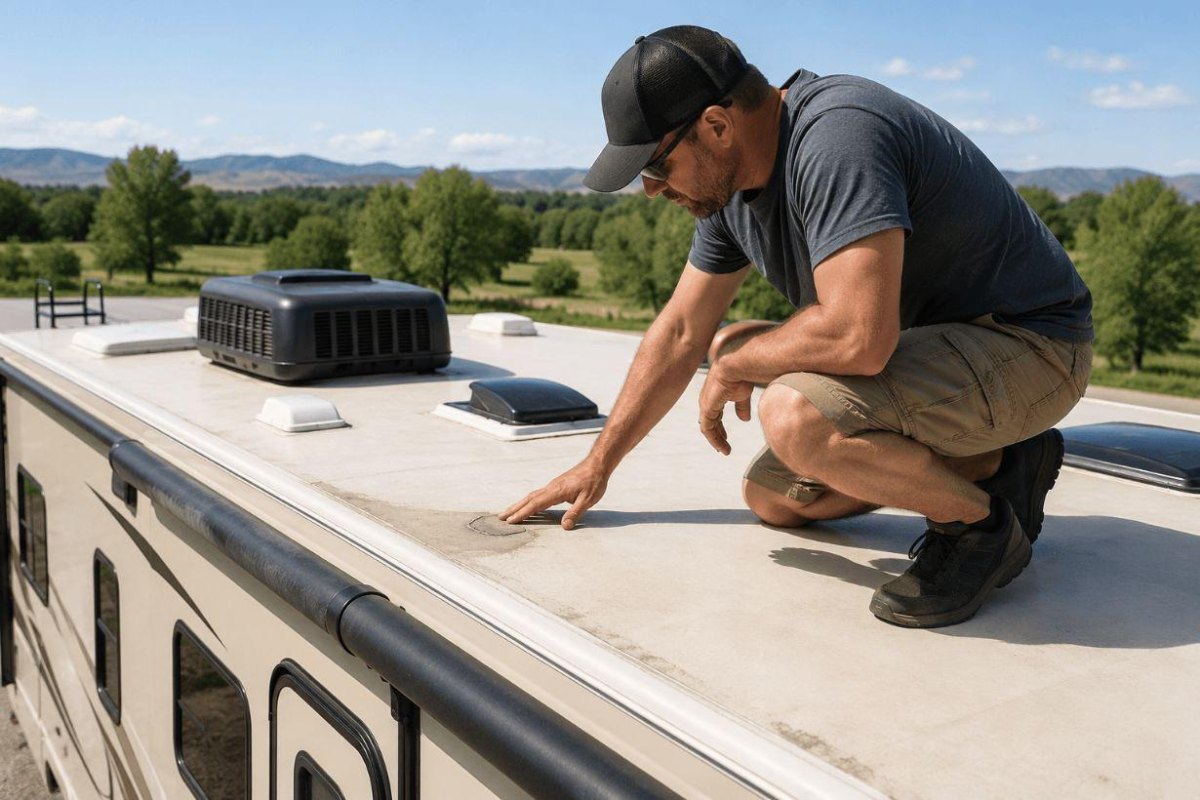
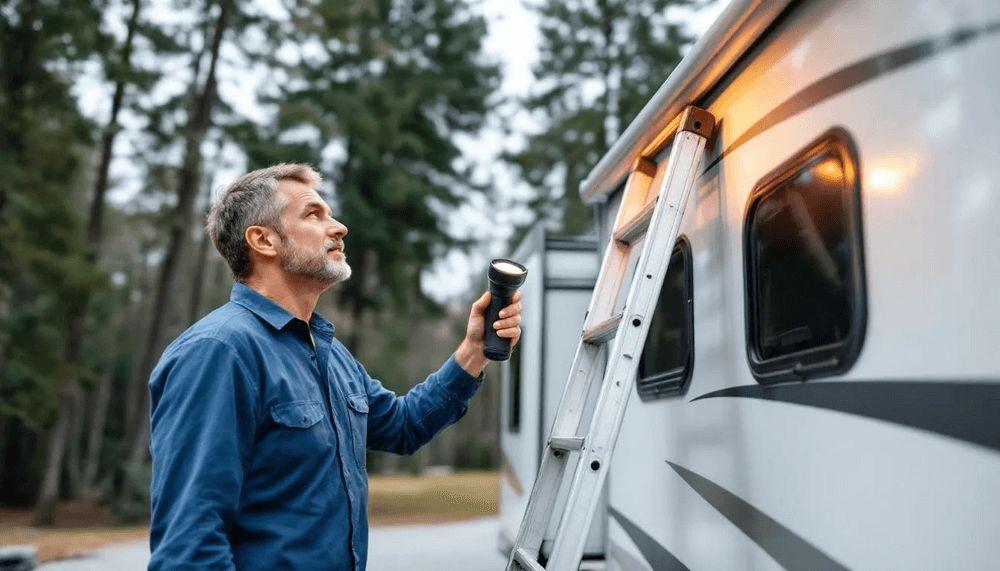
The roof is where I always begin because water damage hides quietly. I inspect seams, vents, and openings for cracks or separation because roof seal maintenance helps prevent expensive interior damage. RV manufacturers recommend regular inspection of exterior seals, especially around high-stress areas.
- Check roof seams and sealant edges.
- Look around vents, skylights, and antennas.
- Document repairs with photos.
Check Tires, Wheels, and Tire Pressure
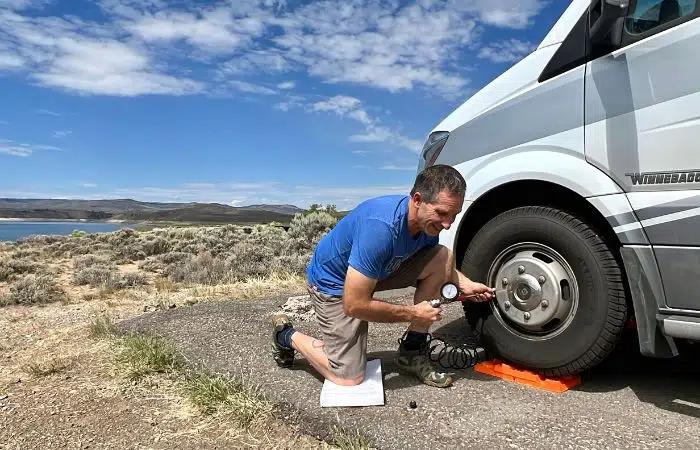
Tires are my version of the travel shoes test: if they fail, the whole journey stops. Before every major trip and during yearly maintenance, I check RV tire condition, inflation, cracks, tread wear, and wheel hardware.
My road note
I never trust a tire that only looks fine from a distance. Age, heat, and storage conditions matter too.
Service the RV Engine and Fluids
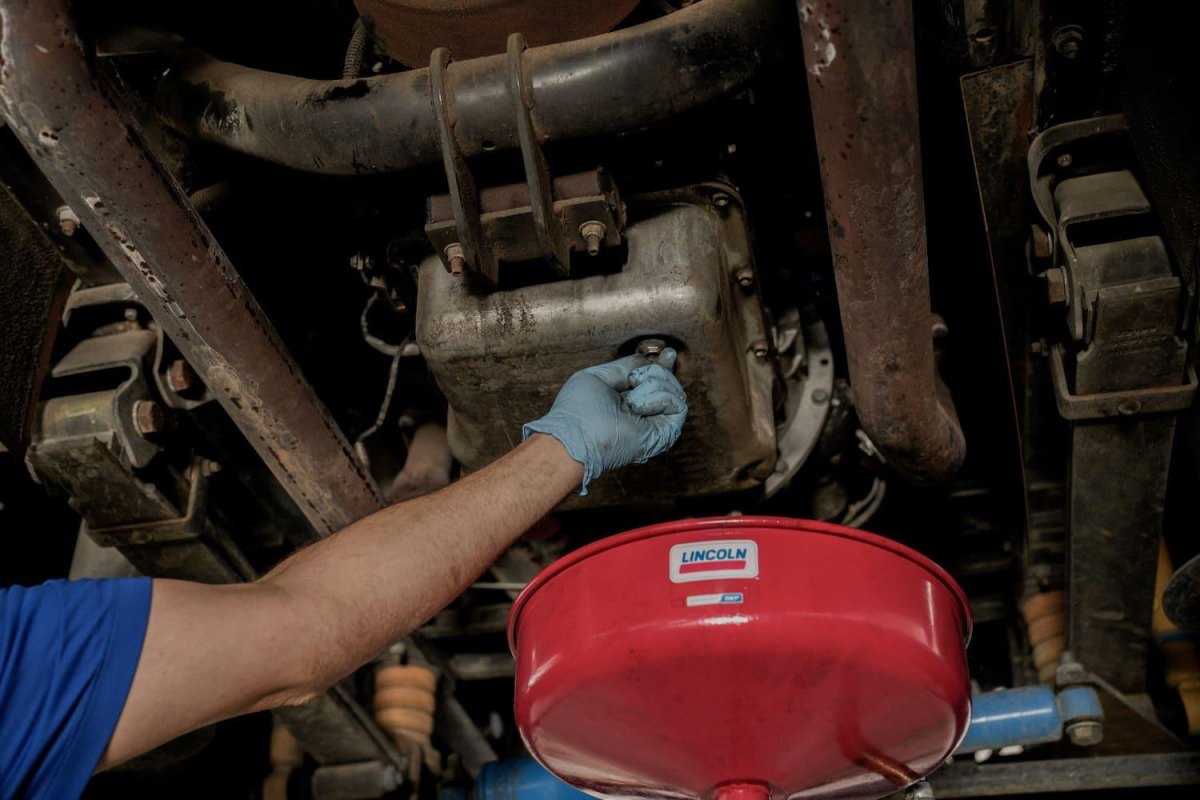
An engine check is less glamorous than choosing a destination, but it is what gets me there. I review oil, coolant, transmission fluid, and other manufacturer-recommended services because fluid maintenance keeps mechanical systems working reliably.
| Check | Why it matters |
|---|---|
| Oil level | Supports engine protection |
| Coolant | Helps control operating temperature |
Test the RV Battery and Electrical System
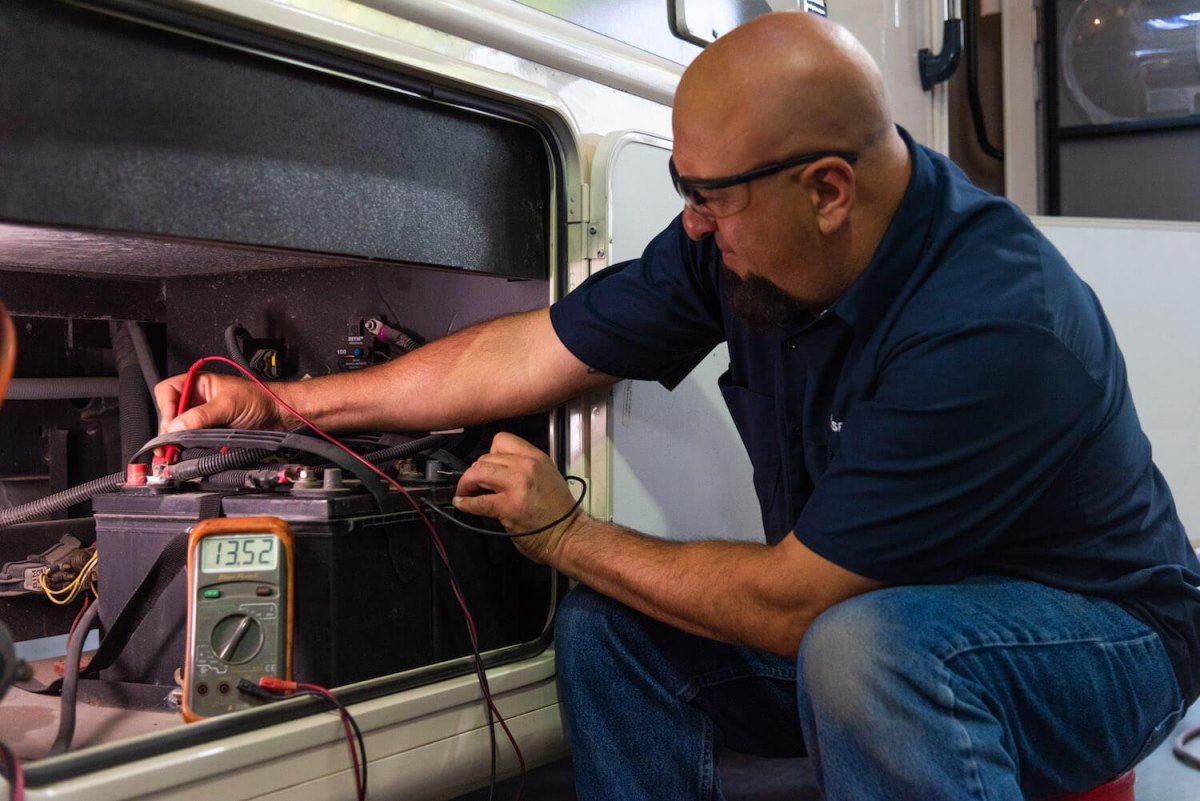
I treat batteries like airport connections: I check them before I need them. Cleaning terminals, checking connections, and confirming charging performance are important parts of RV battery care.
- Inspect. Look for corrosion, leaks, or damaged cables.
- Test. Confirm the battery holds and receives charge properly.
Clean and Inspect the RV Exterior
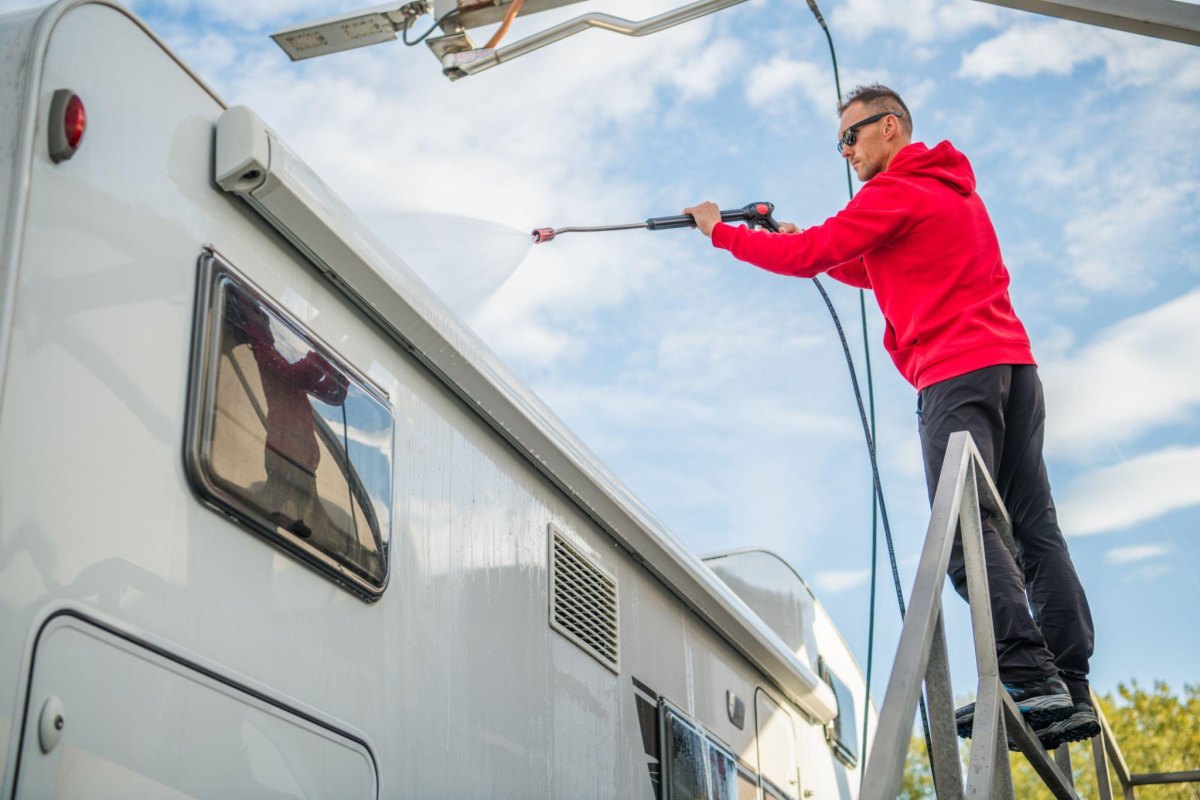
A clean RV is easier to inspect. I wash the exterior and look closely at windows, doors, compartments, and trim because exterior inspections often reveal problems before they become repairs.
Small detail worth noting
Dirt can hide cracks, loose fittings, and early signs of water intrusion.
Maintain the Plumbing and Water System
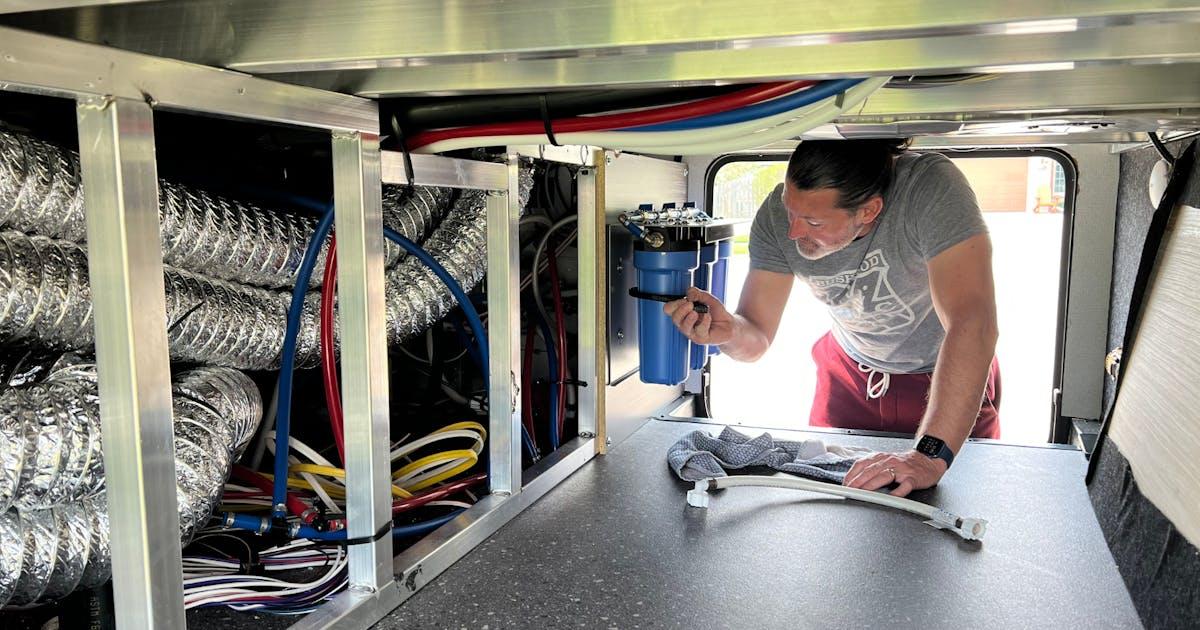
Water systems deserve attention because a tiny leak can create a very large headache. I inspect hoses, connections, faucets, and seals as part of my RV plumbing checklist.
- Fresh water: Check tanks, pumps, and connections.
- Fixtures: Look for drips and weak seals.
Flush and Inspect the RV Holding Tanks
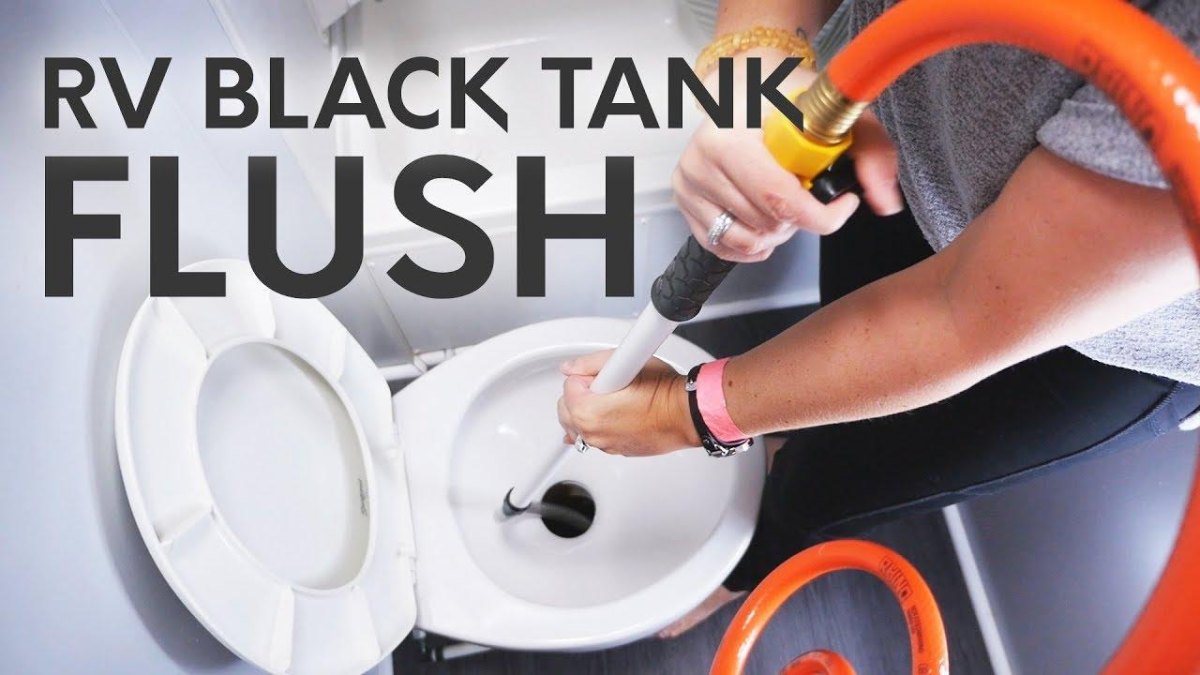
I keep tank care boring and consistent, which is exactly the point. Proper dumping habits, enough water use, and regular cleaning support holding tank maintenance and help avoid odors or sensor issues.
- Flush tanks after trips.
- Check sensors for inaccurate readings.
- Use appropriate treatments.
Check Appliances and Interior Systems
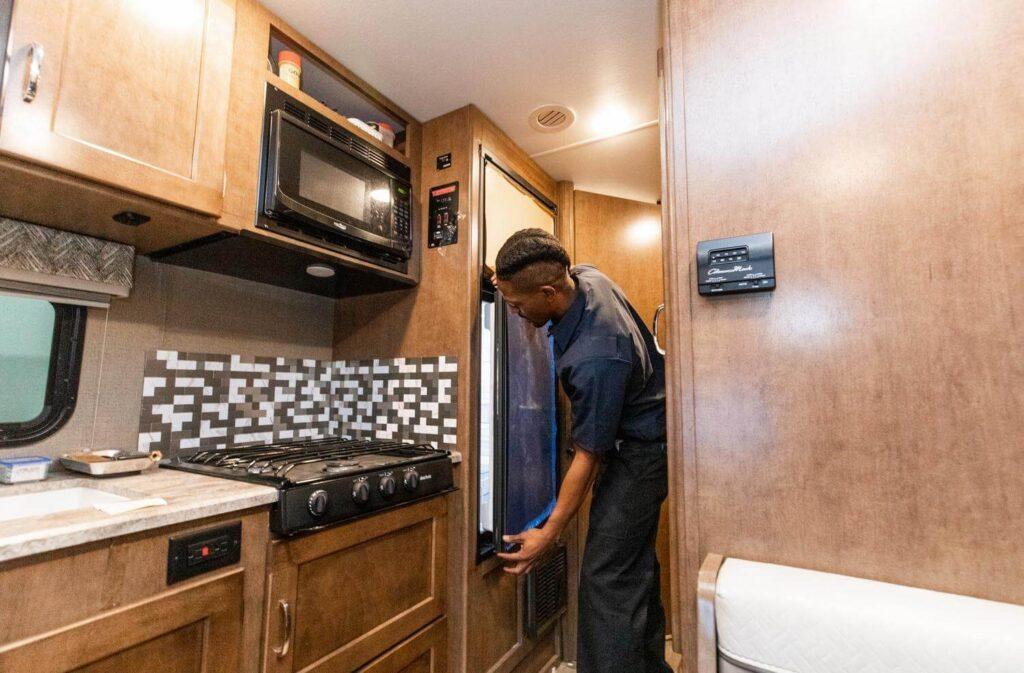
The inside of an RV is a tiny house that travels, so I check every little system. I test refrigerators, air conditioning, heaters, and other RV interior appliances before departure.
Regular checks help
- Catch small failures early.
- Improve trip confidence.
Ignoring systems can cause
- Unexpected repairs.
- Interrupted trips.
Inspect Brakes, Suspension, and Chassis Components
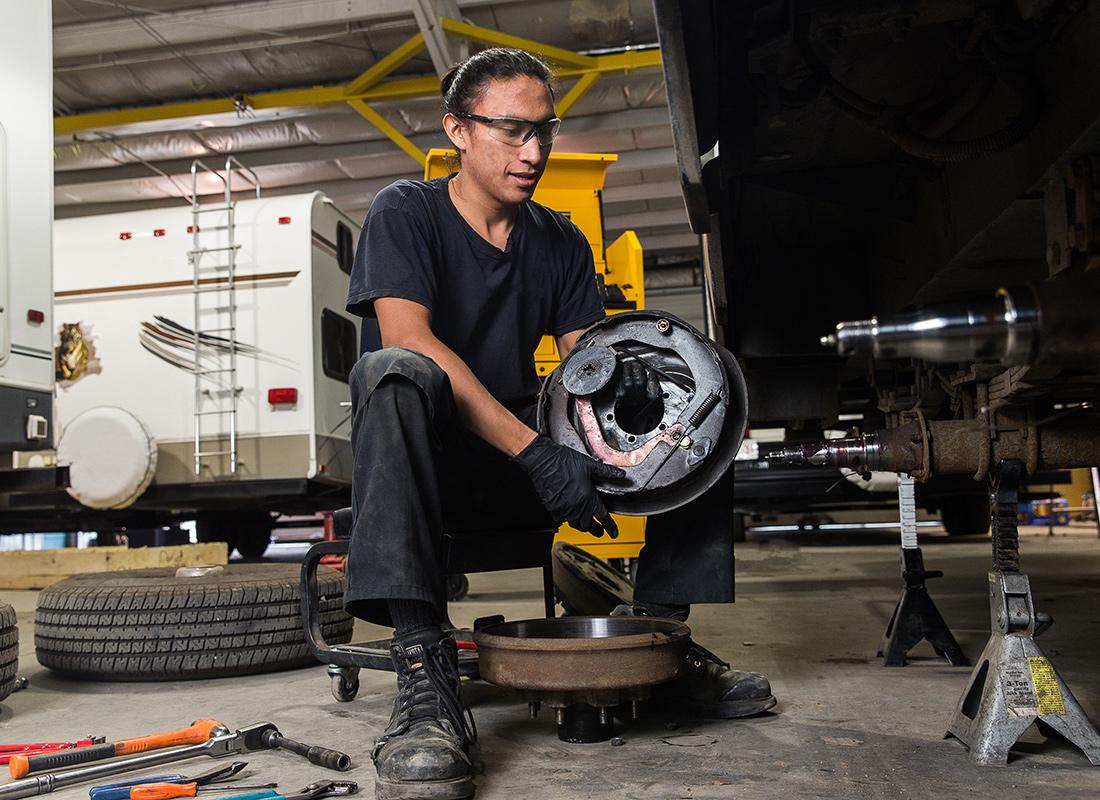
I never skip the parts that touch the road. Brakes, bearings, suspension, and chassis components need attention because running gear inspections are essential for safe travel.
Safety reminder
If braking feels different, I stop guessing and get it inspected.
Prepare and Protect the RV for Storage
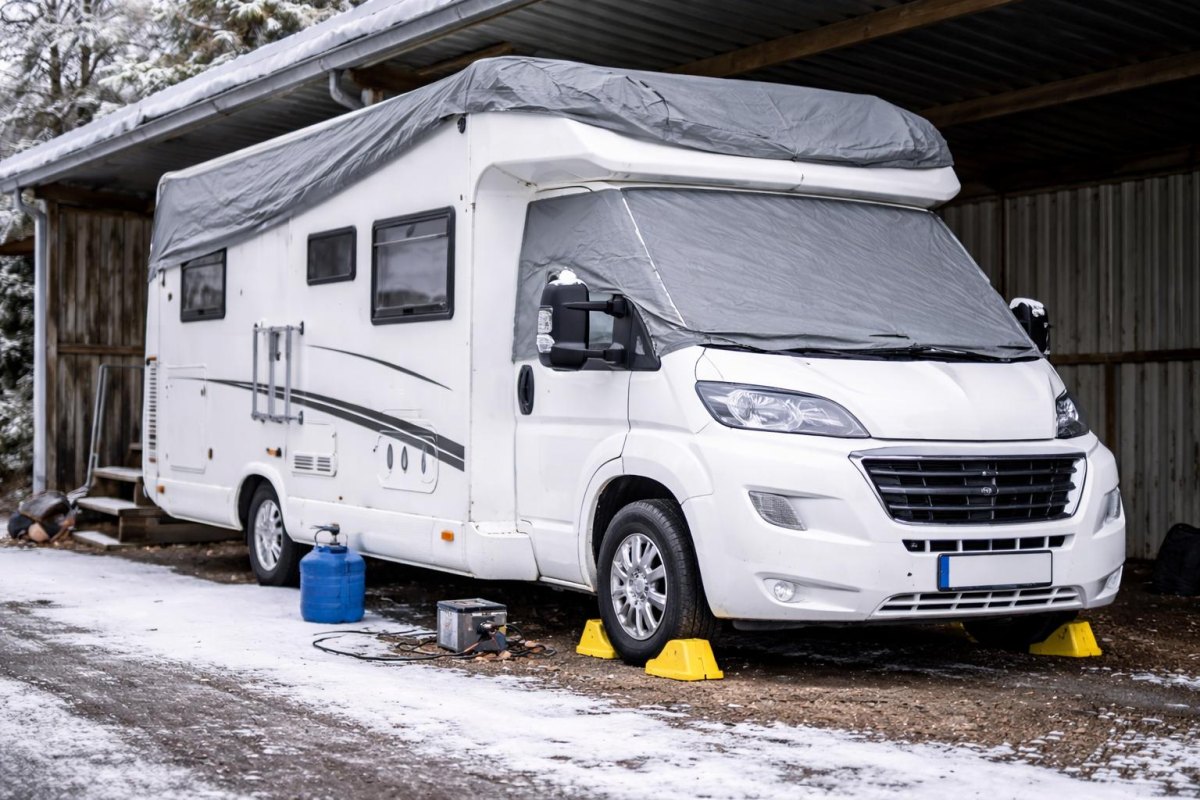
Storage preparation is where future travel begins. I clean, protect, and organize the RV because proper RV storage prevents many springtime surprises.
- Drain. Prepare water systems for storage conditions.
- Protect. Maintain batteries and prevent pests.
Check Safety Equipment and Emergency Gear
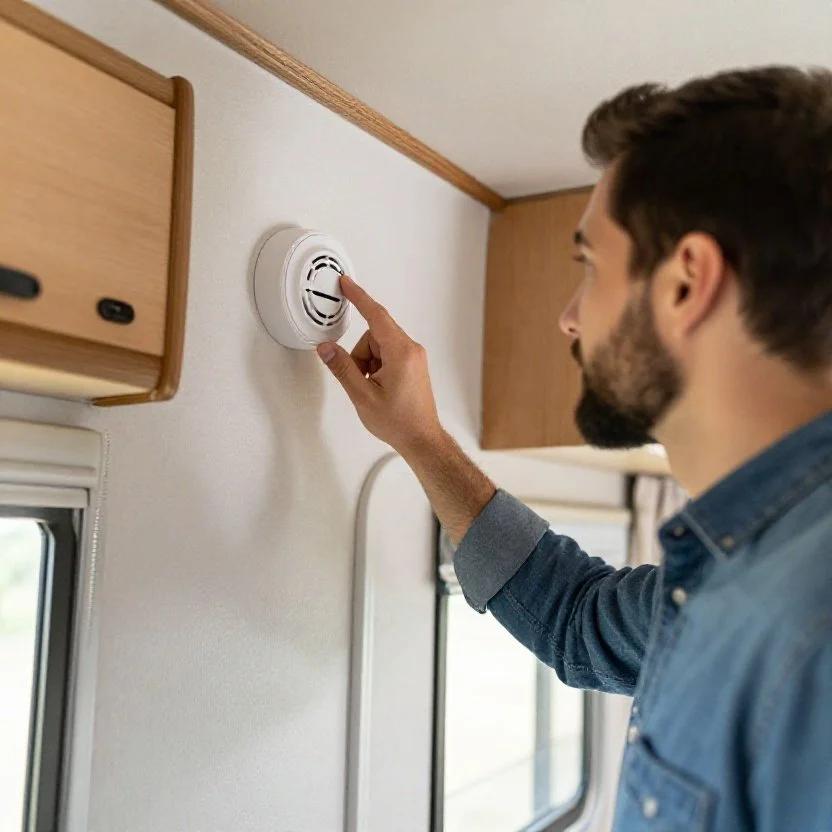
My flight attendant years made safety checks automatic, and I bring that habit into RV travel. I inspect extinguishers, alarms, first aid supplies, and emergency tools because RV safety equipment only helps when it works.
1 check
before every major travel season keeps safety gear ready
Review RV Maintenance Records and Schedule Repairs
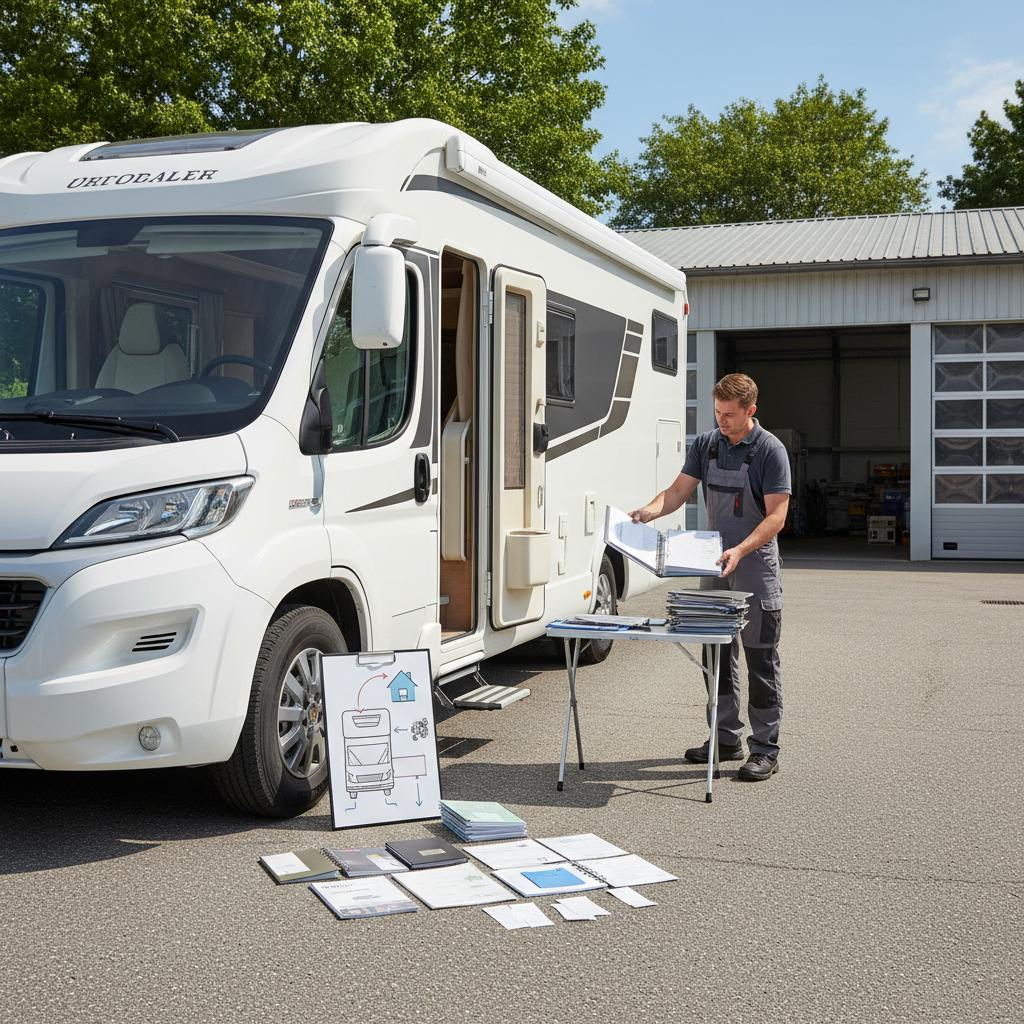
I write everything down because memory is a terrible maintenance system. My yearly review includes dates, mileage, receipts, and upcoming tasks so my RV maintenance records stay useful. Maintenance tracking tools also emphasize keeping service history organized.
The repair you document today is the problem you avoid rediscovering tomorrow.
My travel notebook rule
More Pinterest Visuals