
The first thing I check before a hike is not my snack supply (although my snack supply is admittedly serious business). I check how I can visit a place without leaving evidence that I was there. The Leave No Trace principles are the backbone of responsible hiking, covering everything from preparation to wildlife etiquette.
I have spent enough mornings on trails to know that tiny choices add up. A wrapper carried home, a boot kept on the path, or a quieter conversation can protect a landscape someone else will experience years from now.
Plan Your Hike and Know the Leave No Trace Principles
My pre-hike checklist
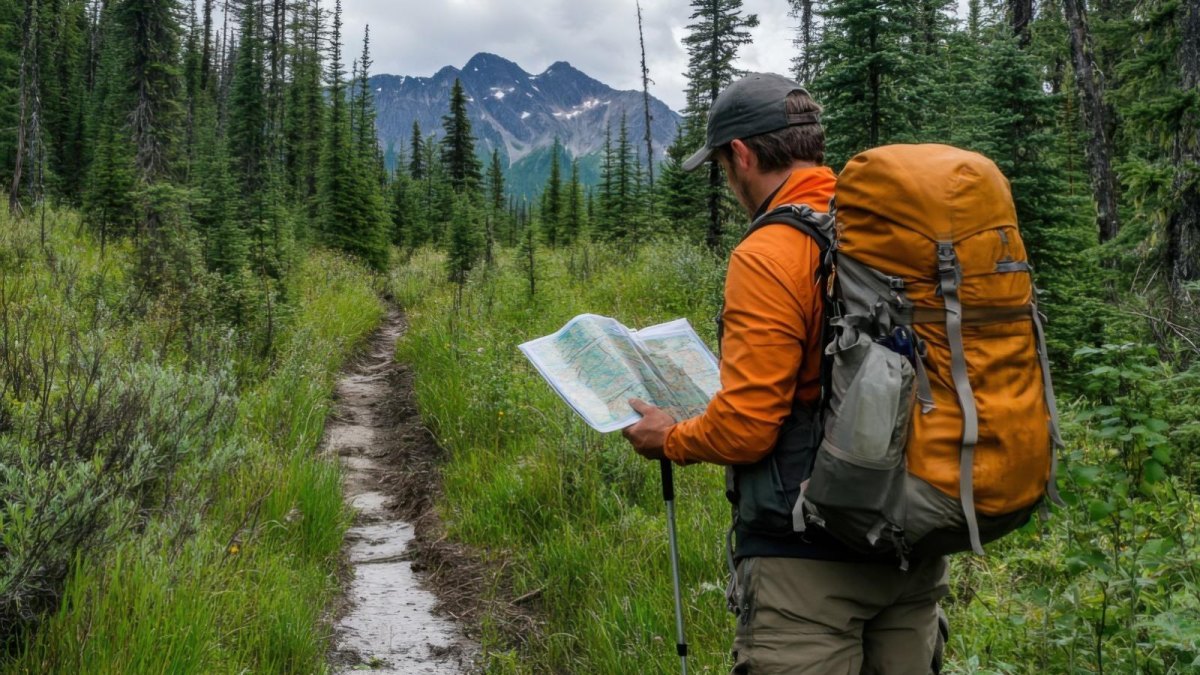
- Research rules, weather, and trail conditions.
- Pack only what you need and reduce waste.
- Understand the seven Leave No Trace principles.
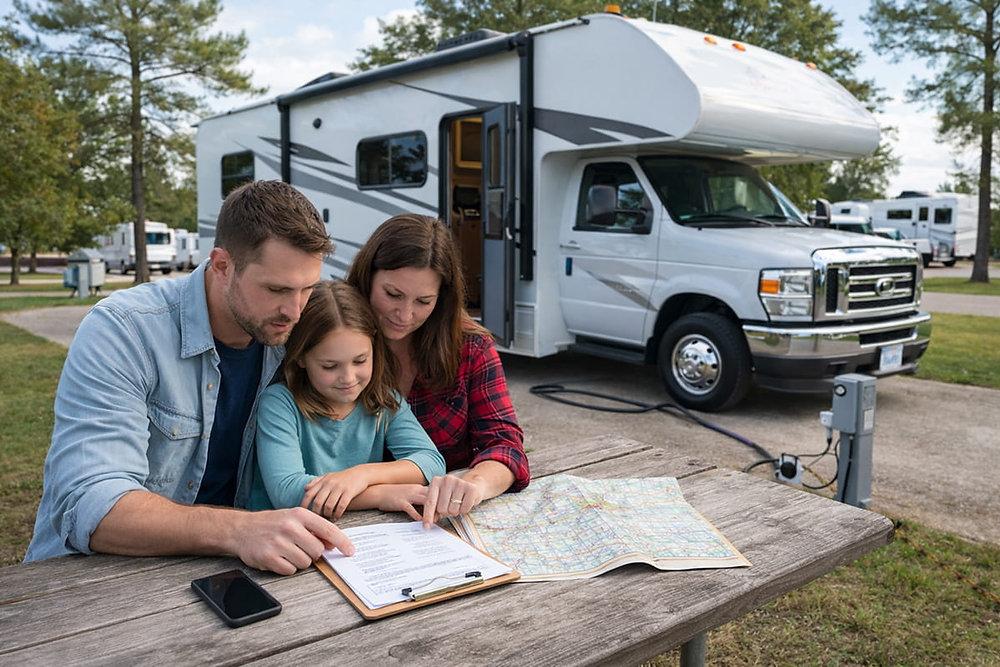
I start every hike with planning ahead because good preparation prevents most avoidable impacts. The official principles encourage hikers to know regulations, hazards, and special concerns before arriving.
My old flight-attendant habit of checking details before departure never left me. Trails deserve the same care as airports: know where you are going before you arrive.
Travel on Durable Surfaces to Protect Nature
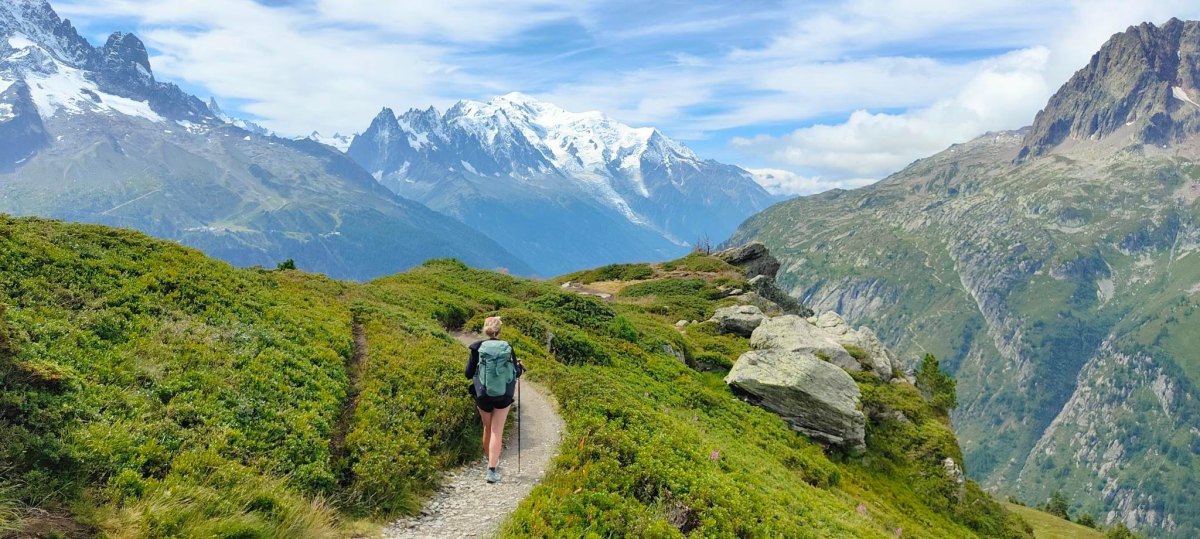
Beautiful landscapes often hide fragile ecosystems. I keep my boots on durable surfaces like established trails, rock, gravel, or designated campsites whenever possible.
A shortcut may save two minutes but can create damage that lasts much longer. I would rather take the scenic route than become the reason a meadow needs recovery.
Stay on Marked Trails and Avoid Creating New Paths
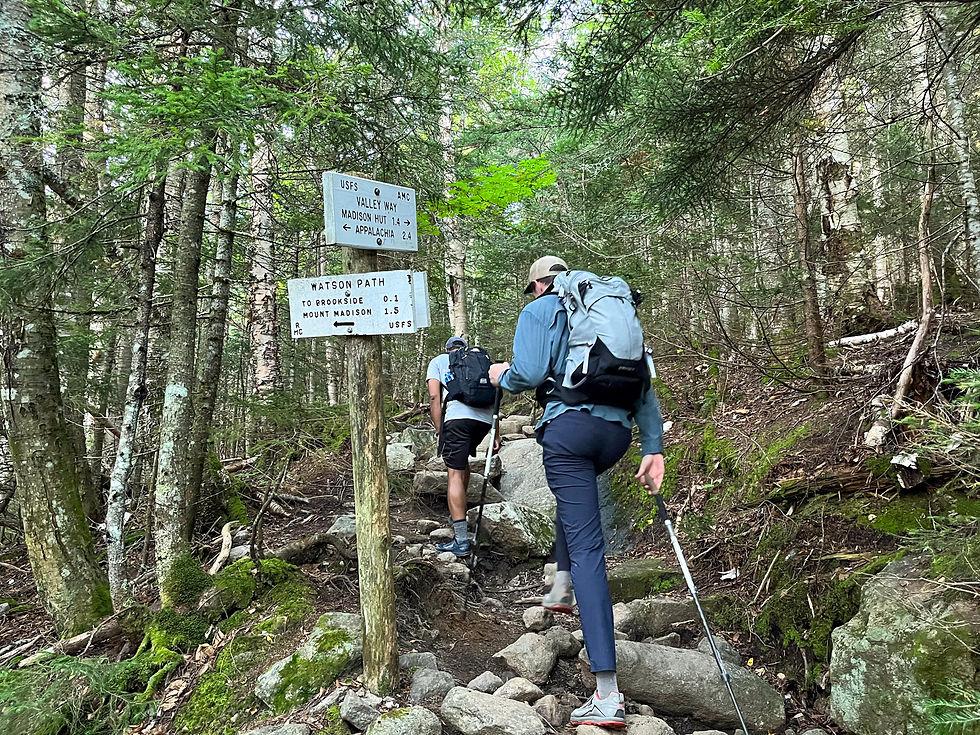
Trail signs are not suggestions; they are quiet instructions from people who understand the landscape. Staying on marked trails protects plants, soil, and future hikers.
I have learned that the best views usually come from patience, not from wandering off-path looking for a shortcut.
Pack Out All Trash and Leftover Gear
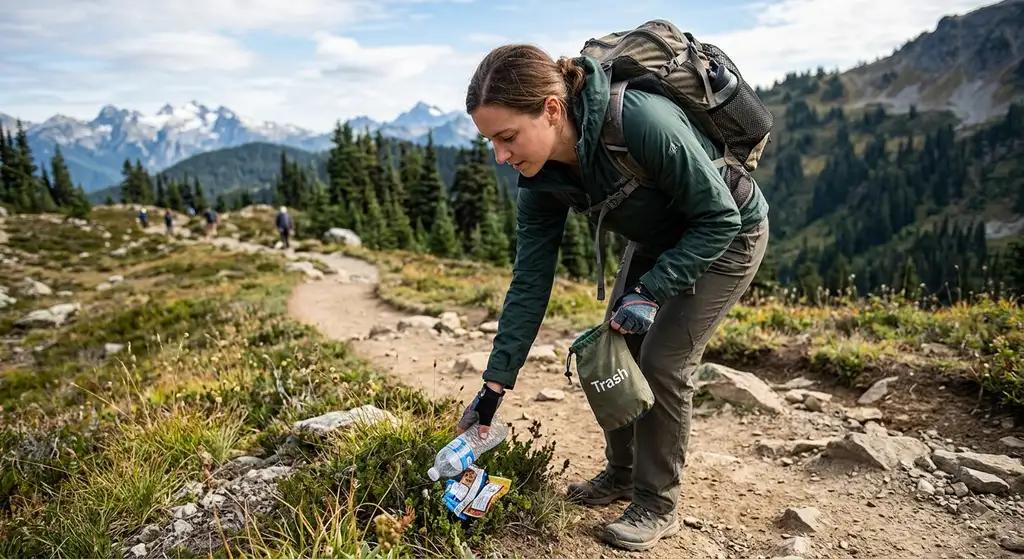
My rule is simple: everything that comes out of my backpack comes home with me. Pack it in pack it out is the easiest Leave No Trace habit to practice.
That includes food scraps, tissues, and tiny pieces of packaging. Nature is not a trash bin, even when the trash is biodegradable.
Reduce Campfire Impacts and Use Fire Responsibly
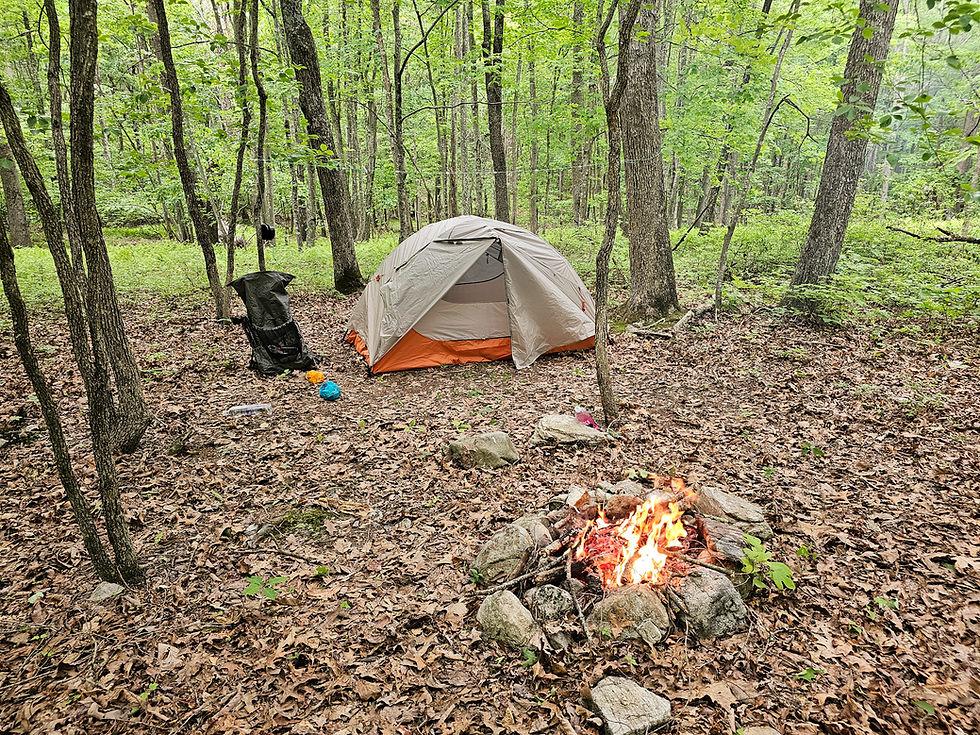
Campfire reminder
Check local fire restrictions before lighting anything outdoors.
I love a campfire, but I respect that fires can leave lasting scars. When possible, I choose a camping stove instead of creating a new fire impact.
If fires are allowed, I keep them small, controlled, and completely extinguished before leaving.
Respect Wildlife and Observe Animals From a Distance
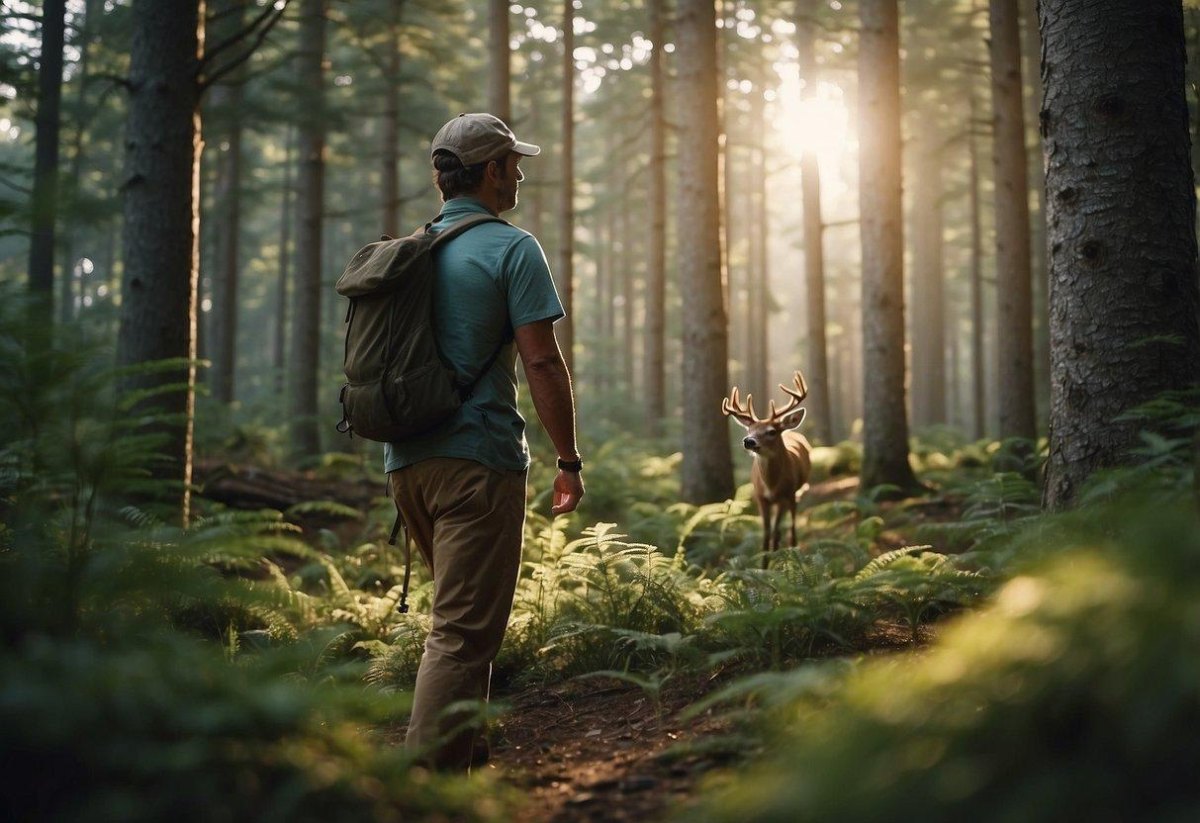
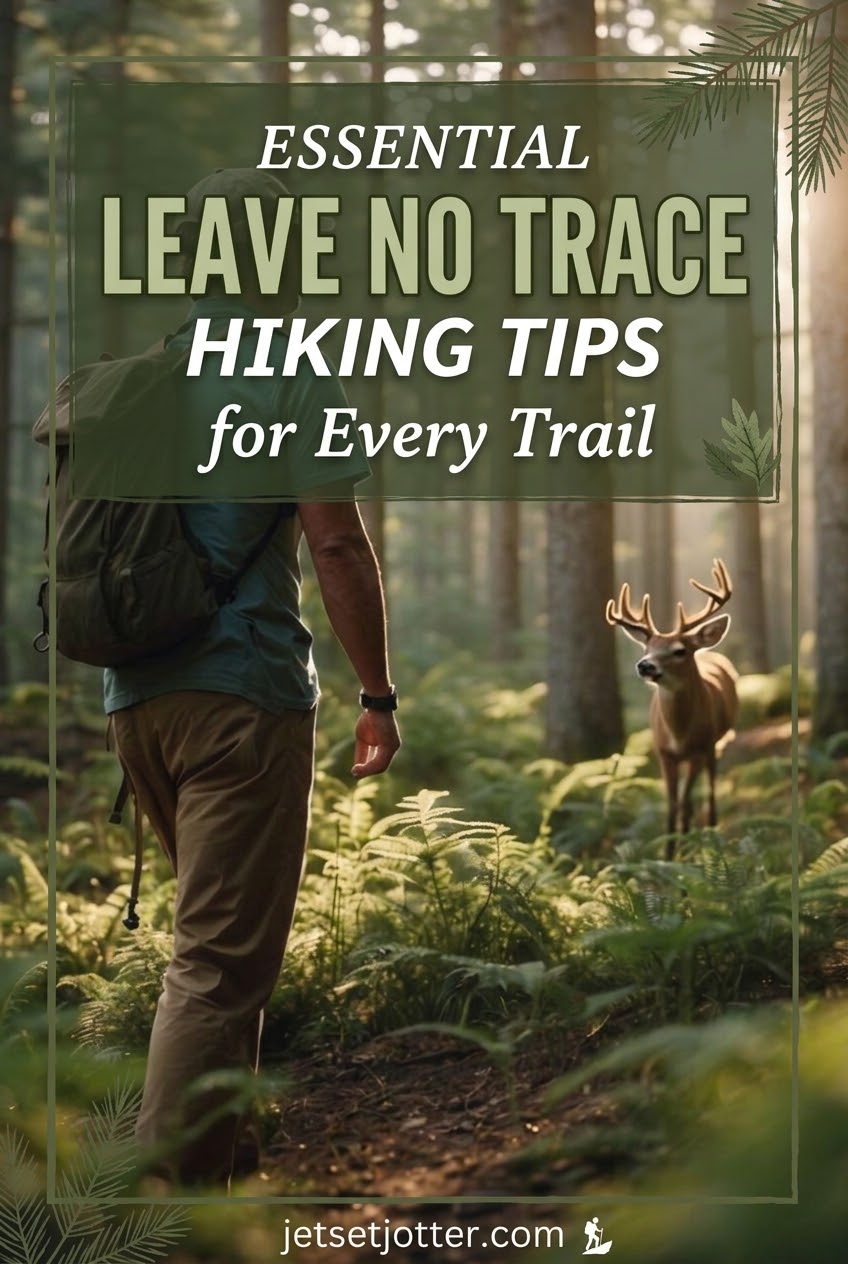
The best wildlife encounters are the ones where animals continue behaving normally. I admire creatures from a distance and avoid trying to create a closer moment for a photo.
Wildlife distance protects both animals and hikers because feeding or approaching animals can change natural behavior.
Keep Food Away From Animals While Hiking
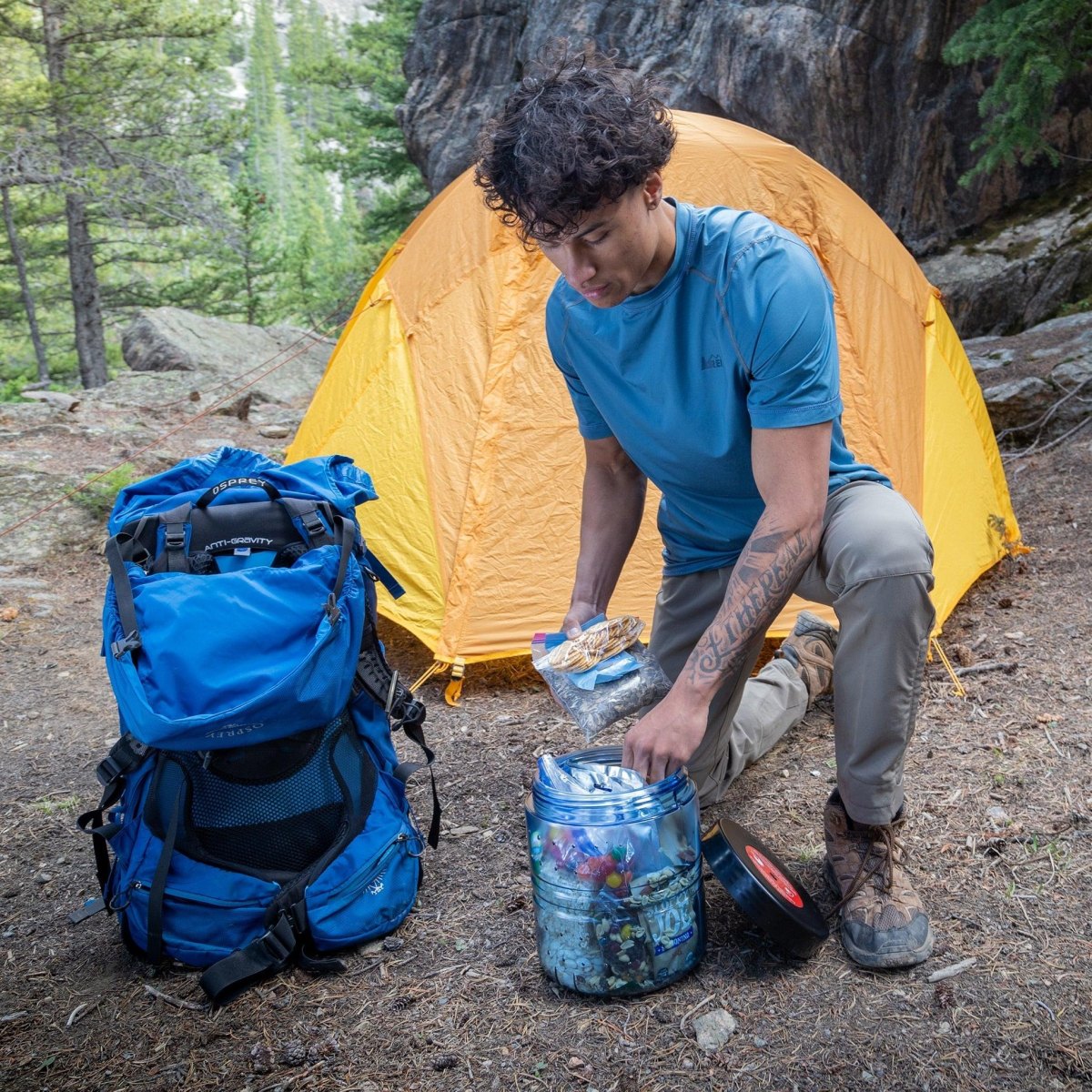
I store snacks carefully because a curious animal finding my trail mix is not a cute souvenir story. It is a lesson in food storage habits.
Secure containers and careful packing help keep wildlife wild and prevent animals from associating hikers with food.
Leave Plants, Rocks, and Natural Objects Where They Are
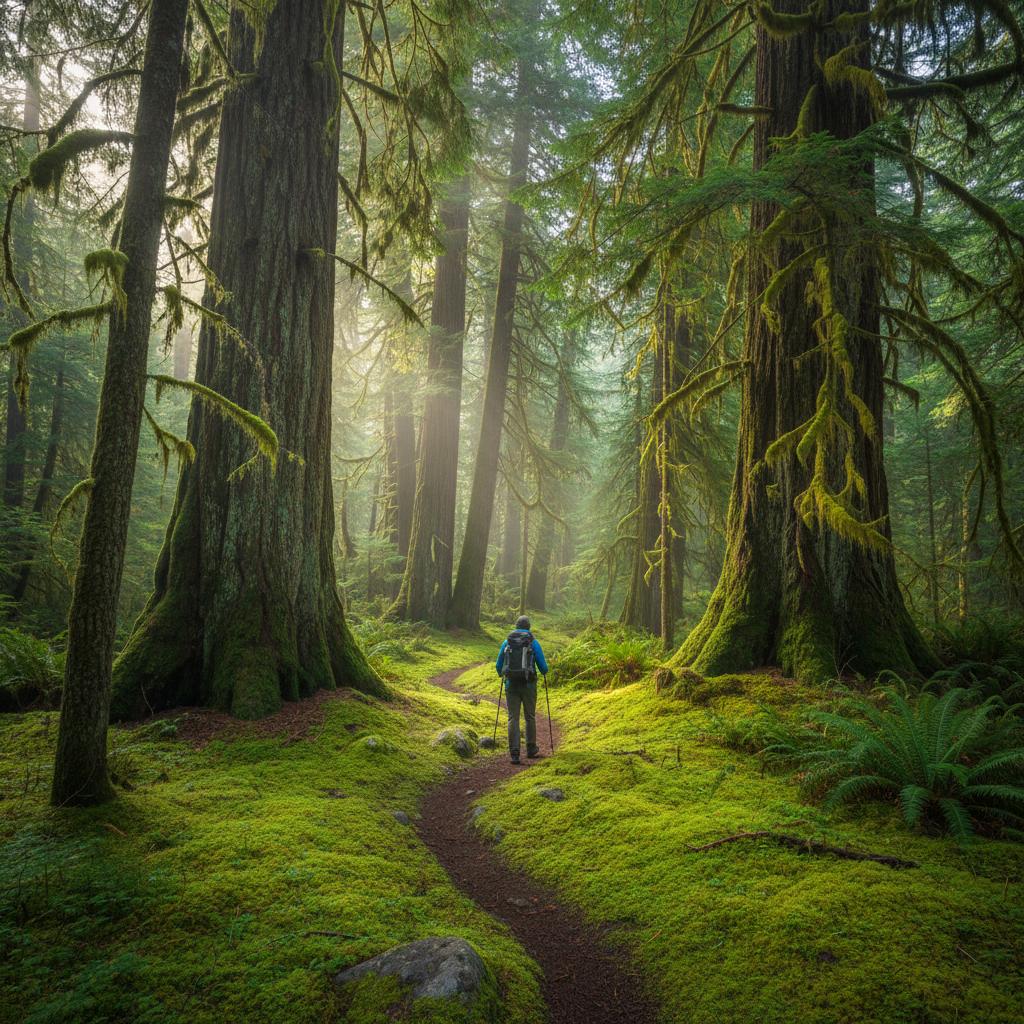
I photograph the things I love instead of collecting them. Rocks, flowers, and natural objects belong to the places where they formed.
Leave what you find is one of my favorite hiking rules because memories weigh nothing in a camera roll.
Minimize Noise to Preserve the Outdoor Experience
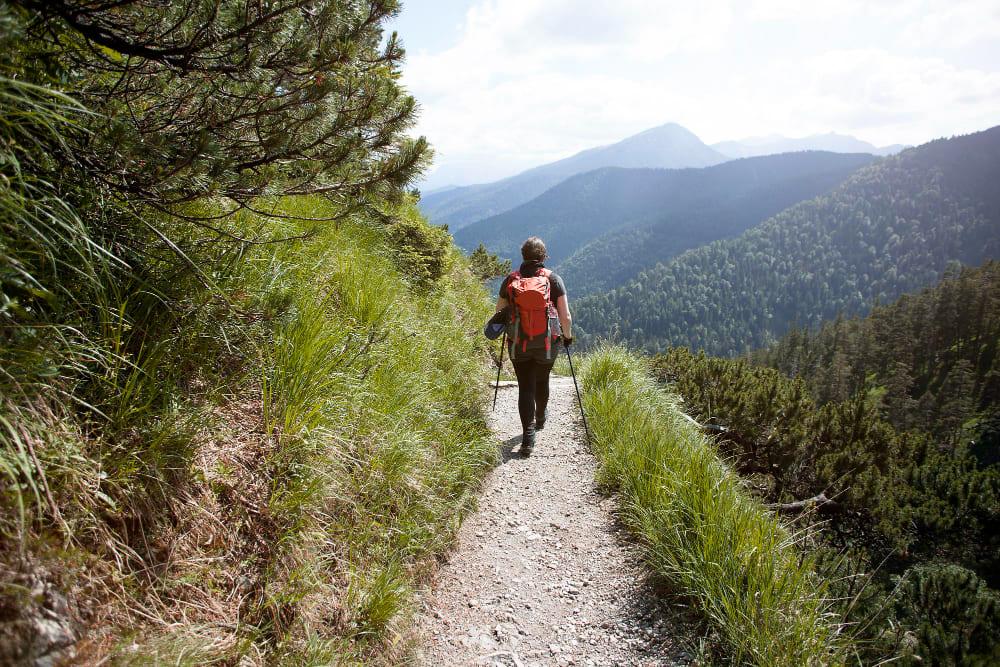
One reason I hike is for the rare luxury of hearing wind instead of notifications. Keeping voices low protects the natural quiet other visitors came to enjoy.
I skip loud music on trails and let the landscape provide the soundtrack.
Dispose of Waste Properly in the Backcountry
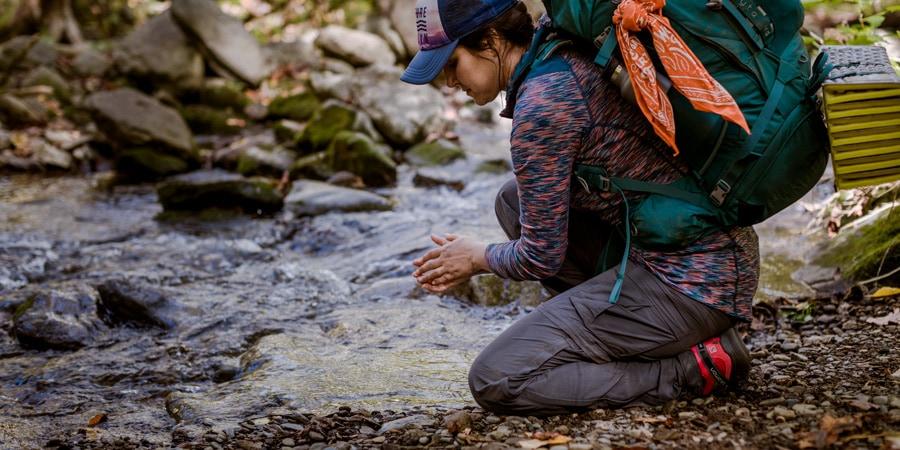
Backcountry waste requires planning. I carry the right supplies and follow local guidance for human waste disposal.
Responsible waste disposal protects water, wildlife, and the experience of everyone who follows behind me.
Use Biodegradable Soap and Protect Water Sources
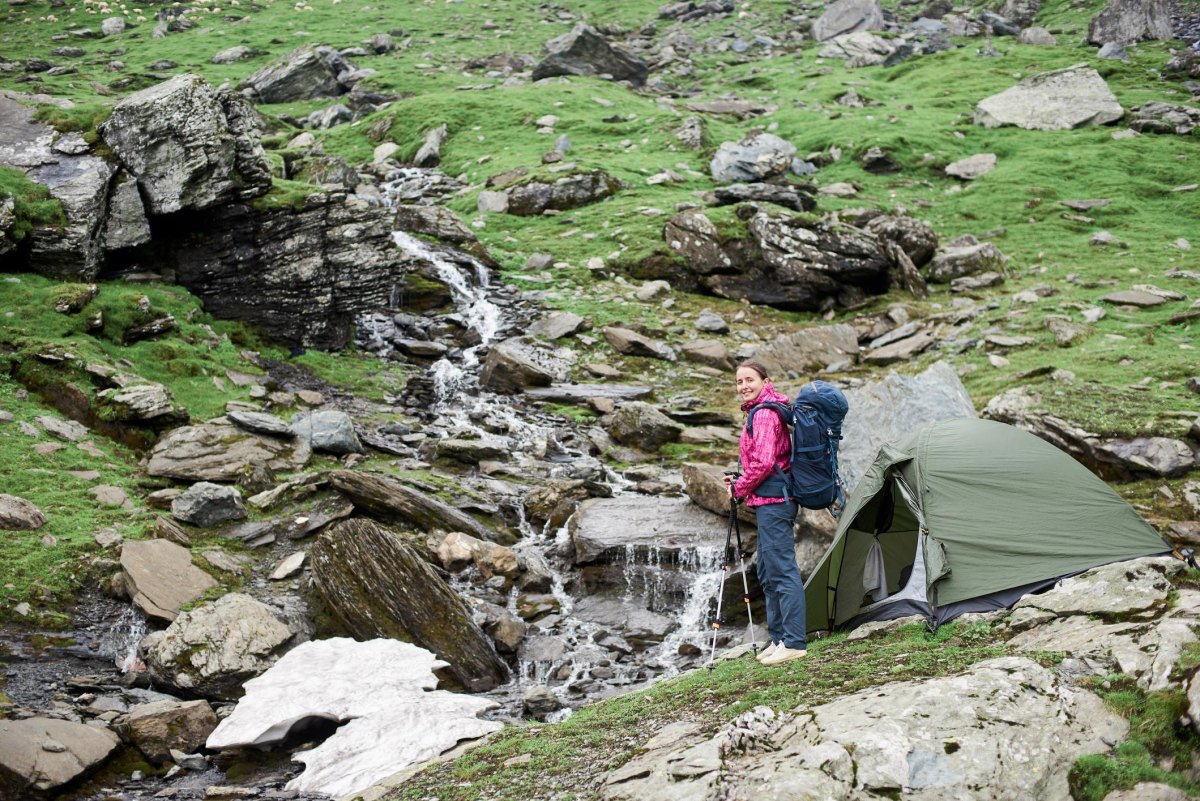
Streams look inviting, but they are fragile. I wash away from water sources and use only small amounts of biodegradable soap when necessary.
The extra effort takes seconds and helps protect places that feel untouched.
Choose Campsites That Have Minimal Environmental Impact
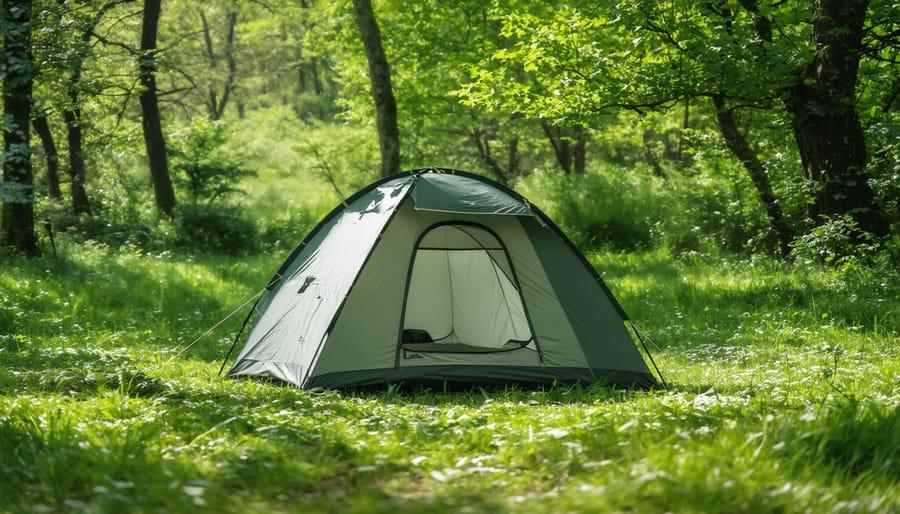
A good campsite is discovered, not created. I look for places already suited for camping rather than reshaping the landscape.
Low impact camping means respecting vegetation, soil, and nearby water areas.
Keep Camp Areas Clean Before Leaving
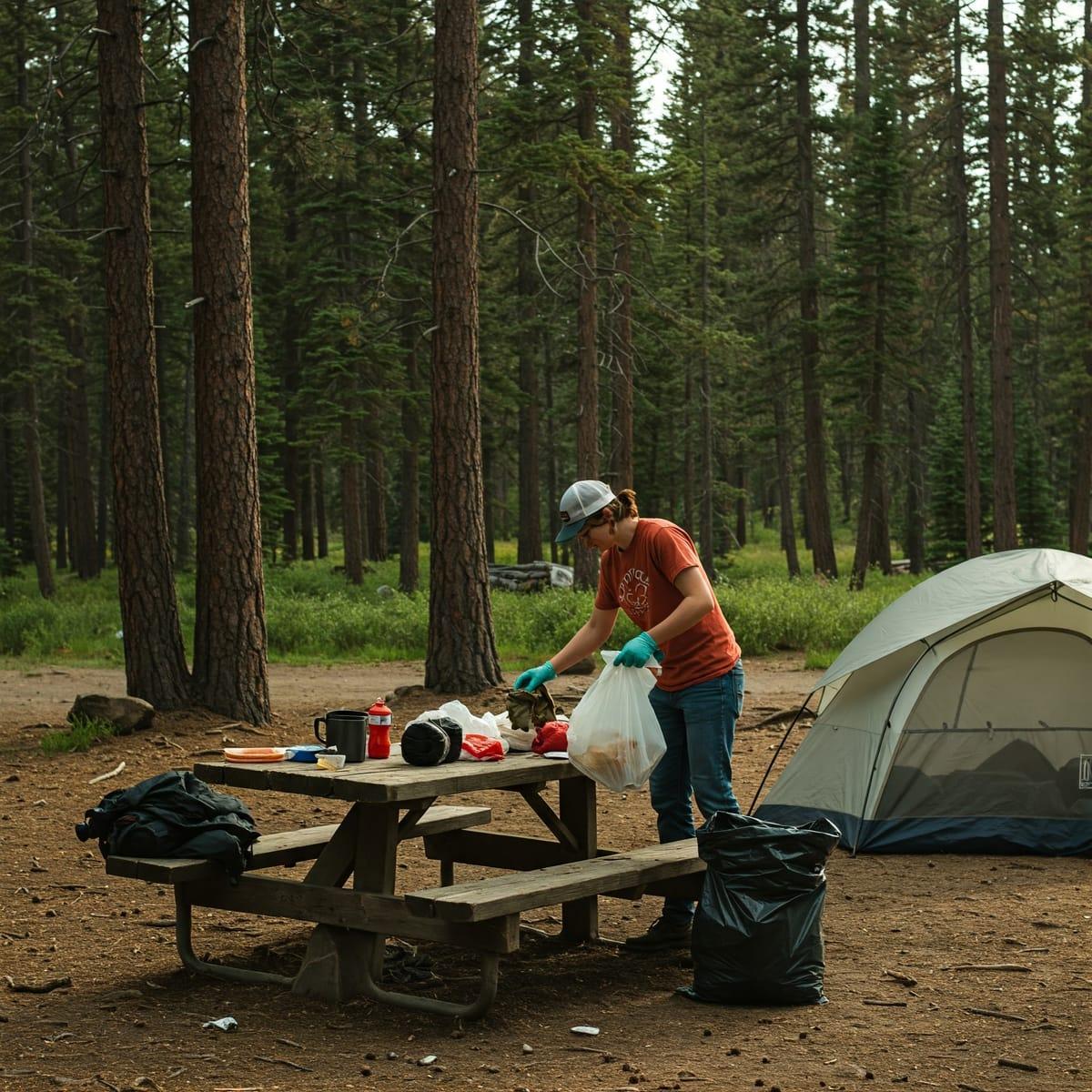
Before I shoulder my backpack, I do one final sweep. I check the ground because small forgotten items become someone else's problem.
This simple campsite inspection habit takes less than a minute and makes a huge difference.
Respect Other Hikers and Shared Spaces
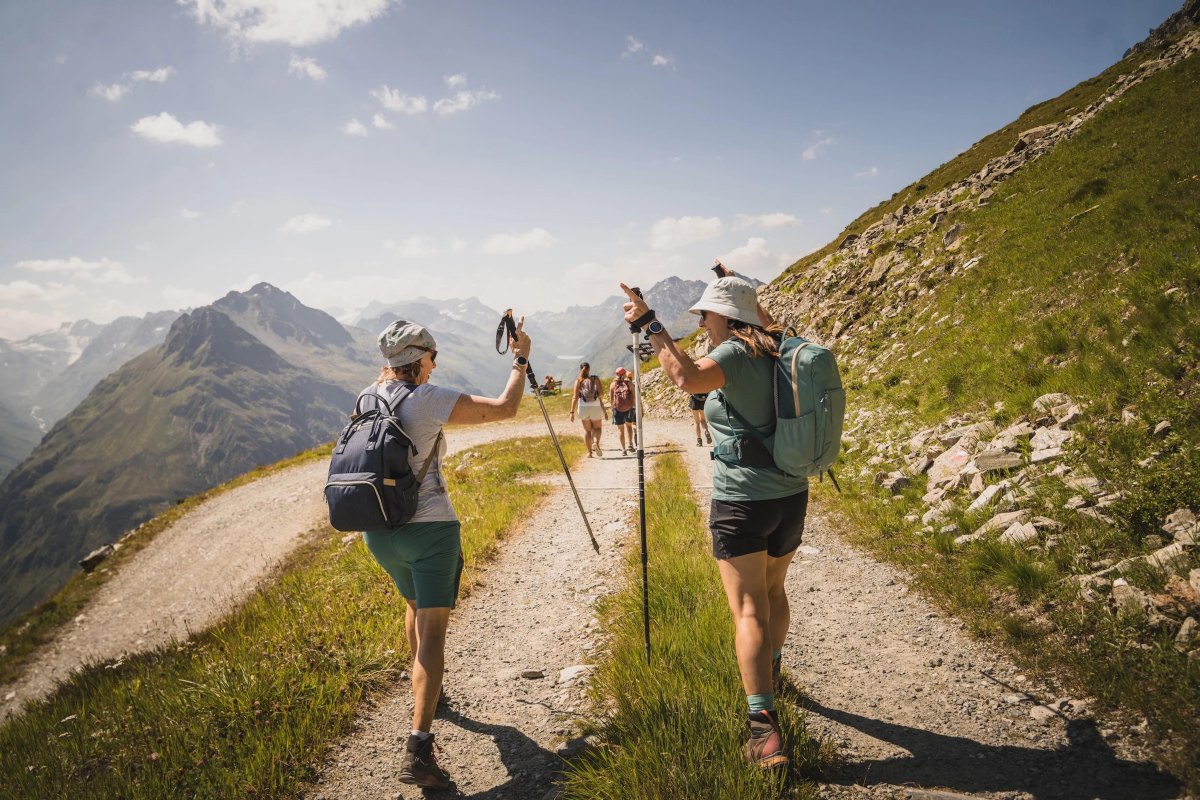
Trails are shared spaces, not personal stages. I yield when needed, keep groups considerate, and remember everyone arrived looking for their own outdoor moment.
Trail courtesy keeps hiking enjoyable for beginners, experts, and everyone between.
Prepare for Weather and Unexpected Conditions
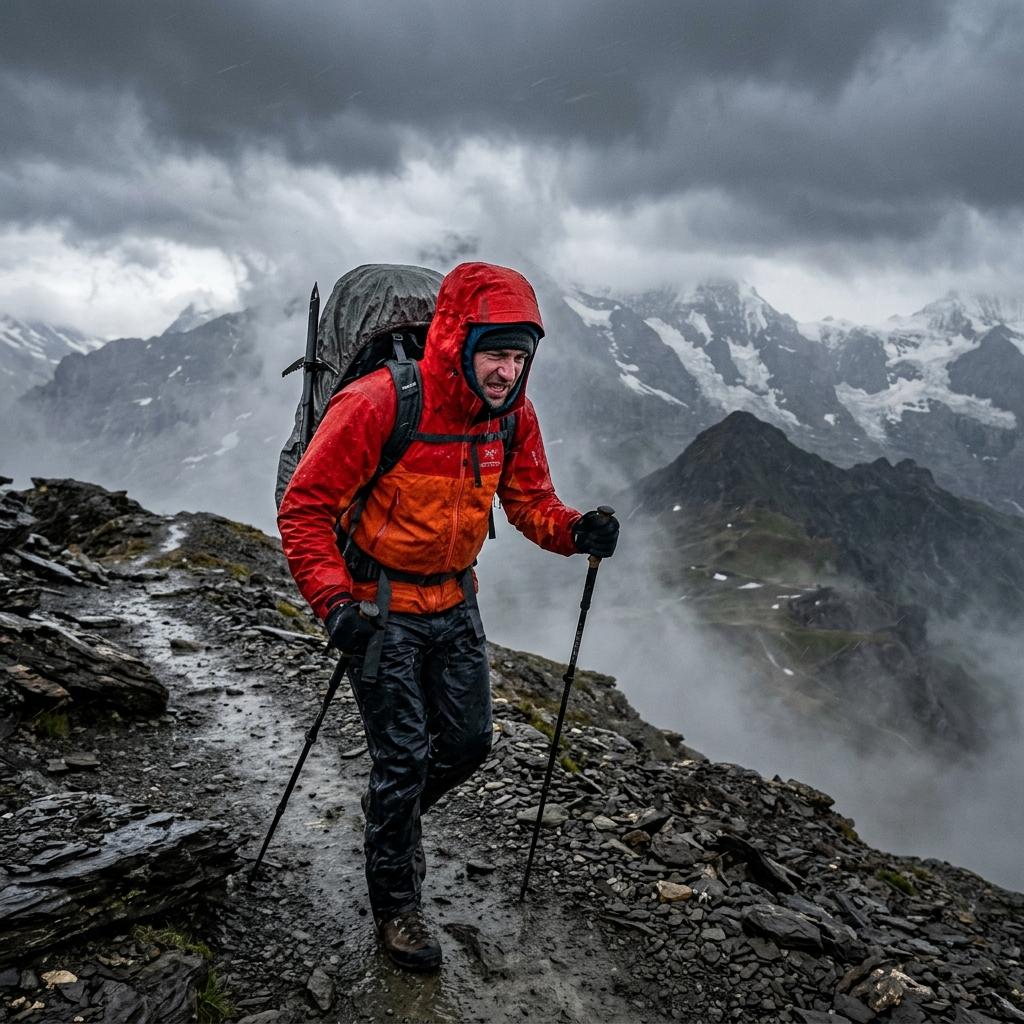
My years flying taught me that preparation is calming. The same applies outdoors: check forecasts, pack layers, and understand the route.
Weather preparation protects hikers and reduces the chance of emergency impacts on natural areas.
Avoid Damaging Muddy or Sensitive Areas
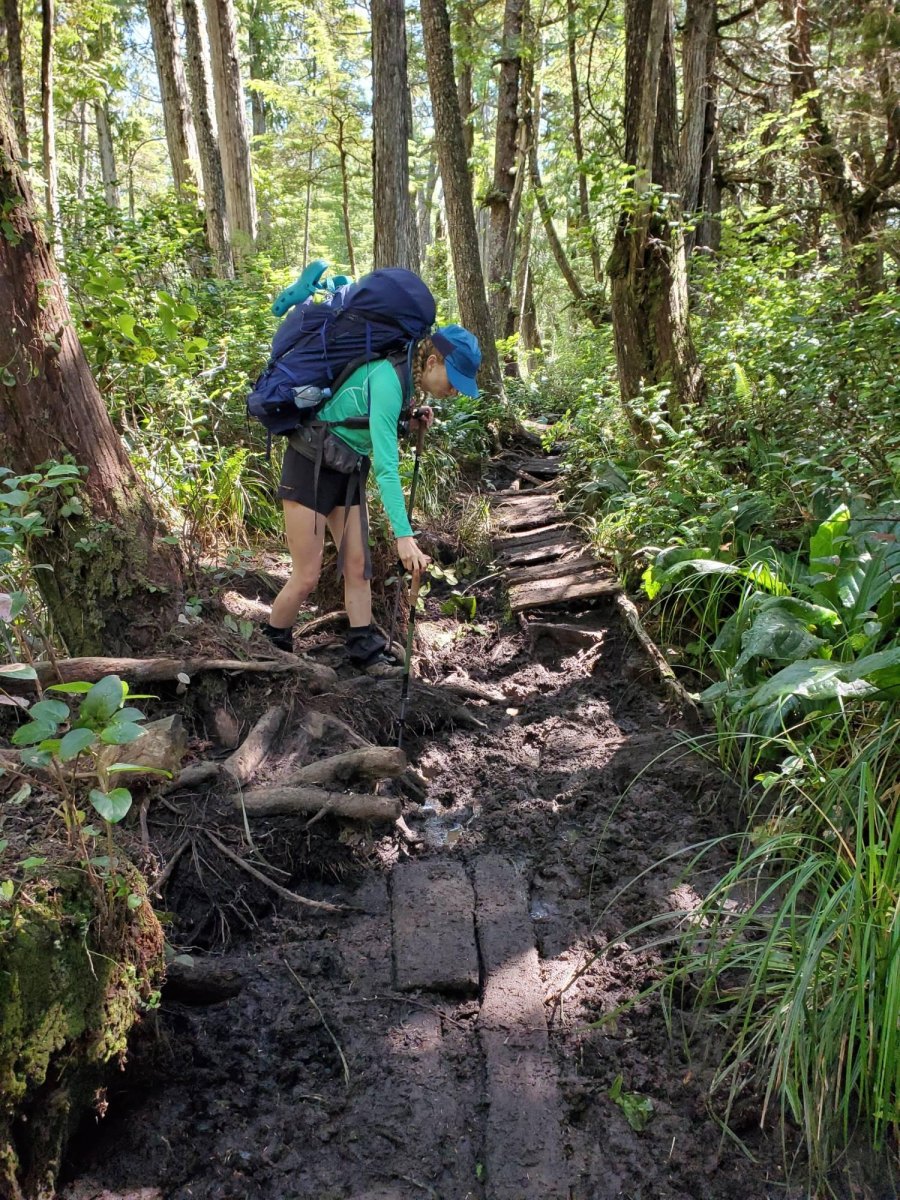
Mud is tempting to avoid by walking around, but those side steps often widen trails. I stay aware of fragile areas and follow the established route.
Protecting sensitive terrain keeps trails healthier for everyone.
Bring Reusable and Eco-Friendly Hiking Gear
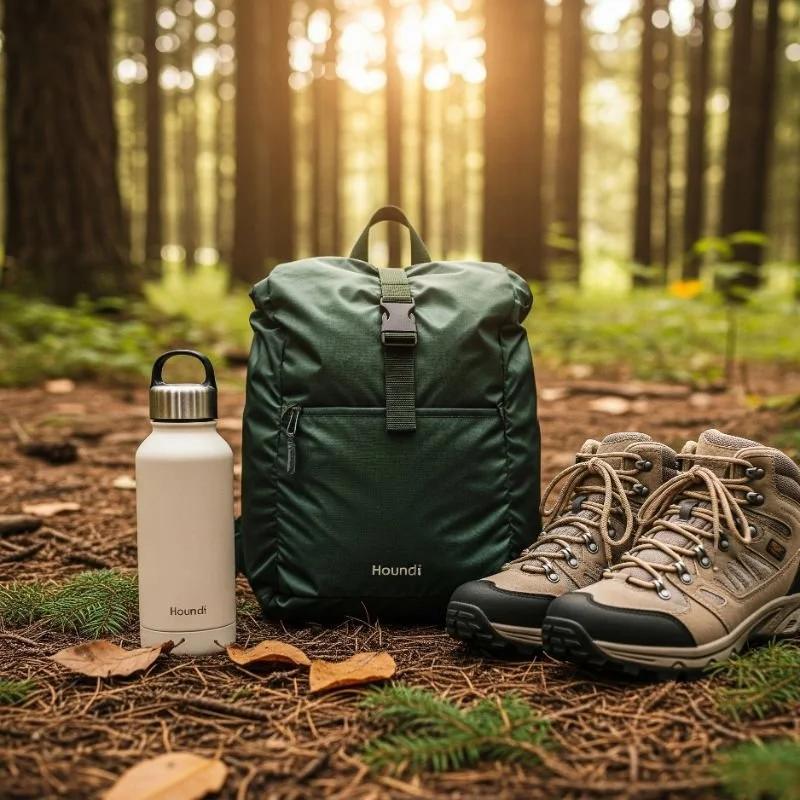
My backpack has evolved through years of travel, and reusable gear has earned permanent spots. A refillable bottle and durable equipment reduce unnecessary waste.
Sustainable hiking gear makes responsible choices easier on every trip.
Teach Others About Responsible Hiking Practices
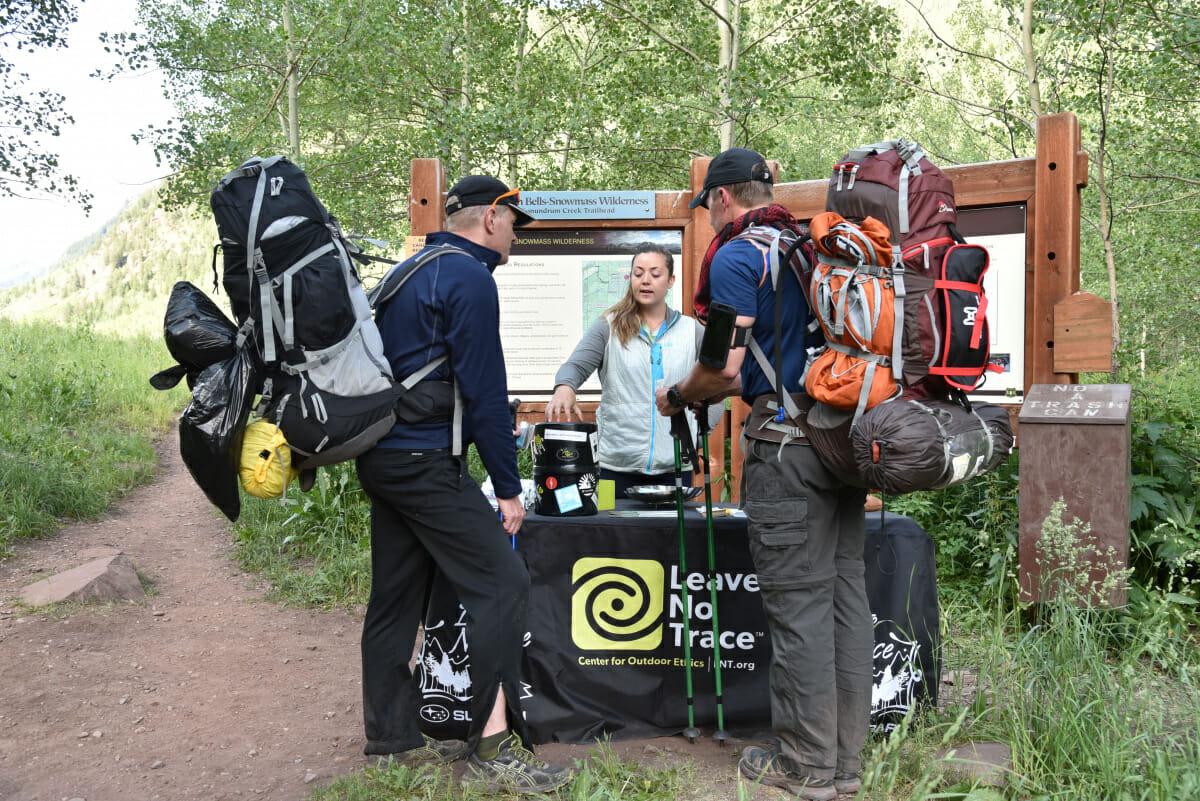
The best outdoor habit is one worth sharing. I have found that a friendly reminder works better than a lecture.
Sharing trail knowledge helps create a culture where protecting nature becomes normal.
Reflect on Your Impact and Help Preserve Trails
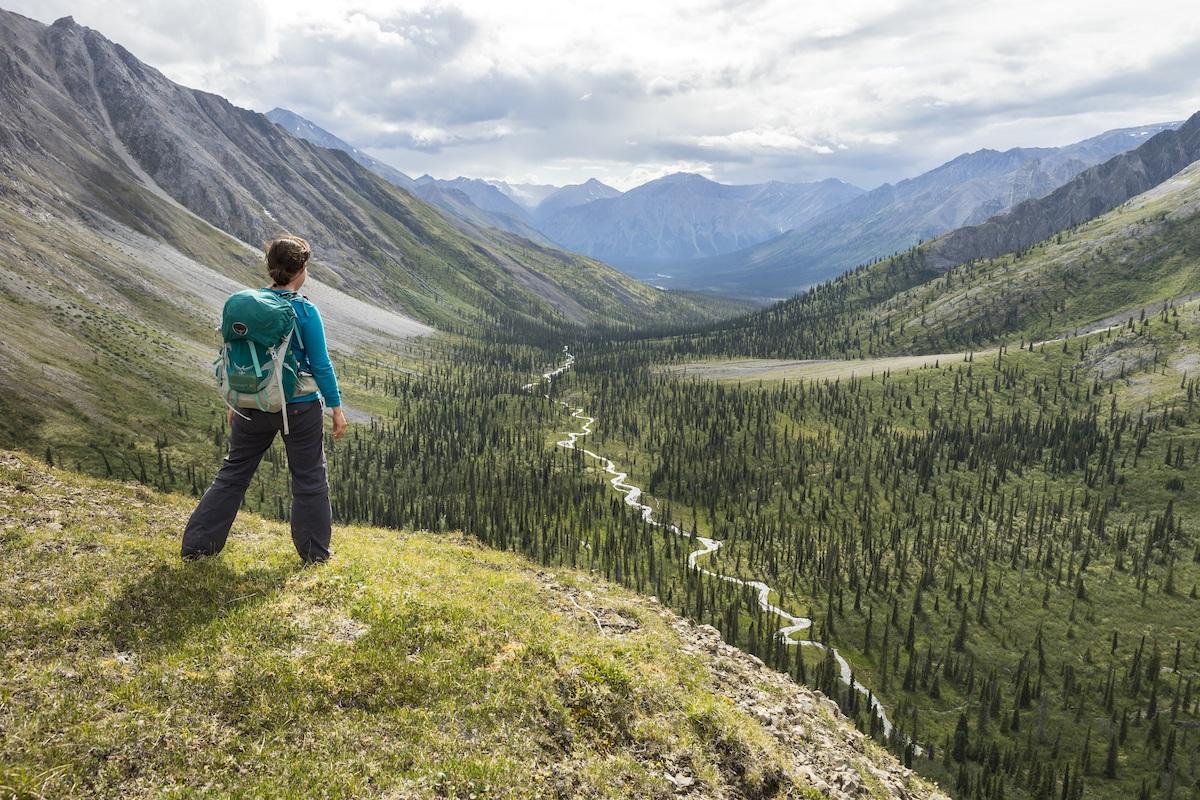
After every hike, I think about what I left behind. Usually the answer should be nothing except footprints that disappear quickly.
Mindful hiking turns every adventure into a small act of conservation, and that is a tradition worth carrying forward.

More Pinterest Visuals