A Camino backpack looks innocent on the living room floor. Then day three arrives, the hills arrive, and suddenly the extra pair of jeans feels like a personal betrayal. I built this Camino de Santiago packing list from the same method I use for every long journey: remove what I do not use, keep what earns its space, and write down every lesson.
I have carried bags through airports for years, but walking the Camino taught me a different kind of packing discipline. Your feet and shoulders become your luggage scale. Current Camino packing guidance commonly recommends keeping your pack close to a manageable percentage of body weight and prioritizing essentials over extras.
Backpack Essentials for the Camino de Santiago
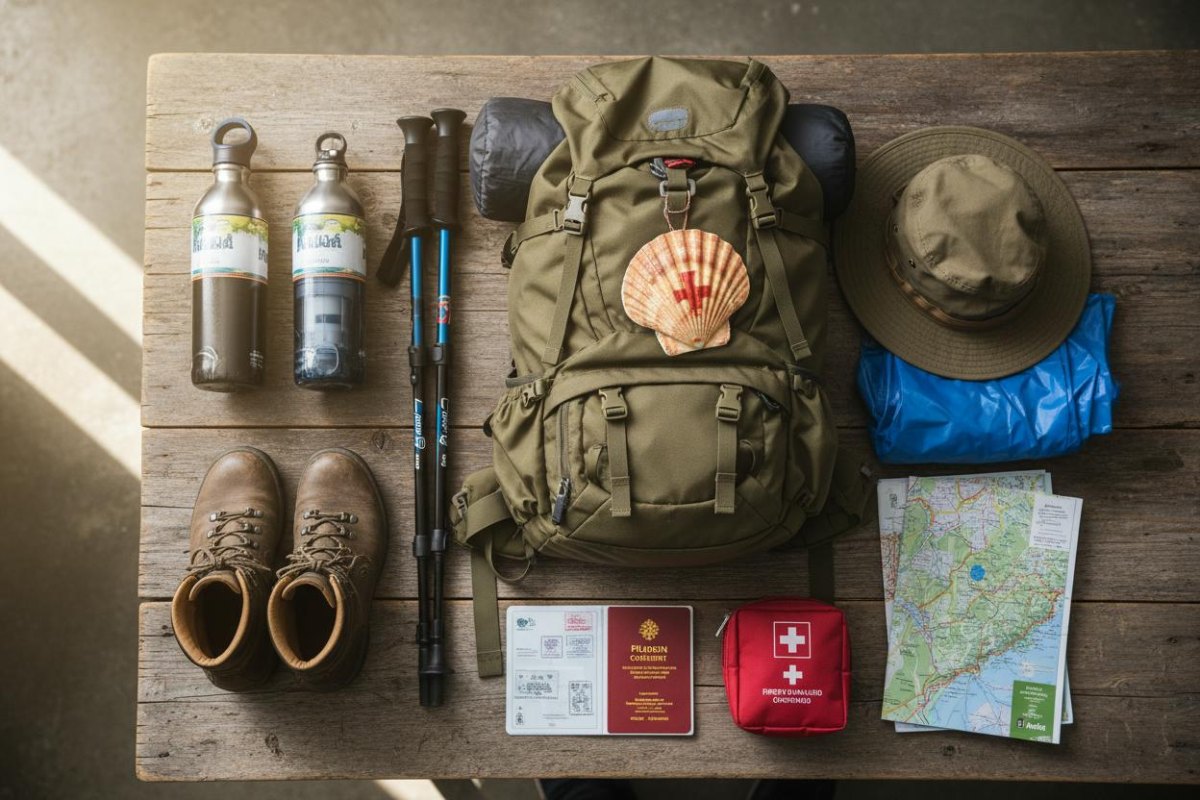
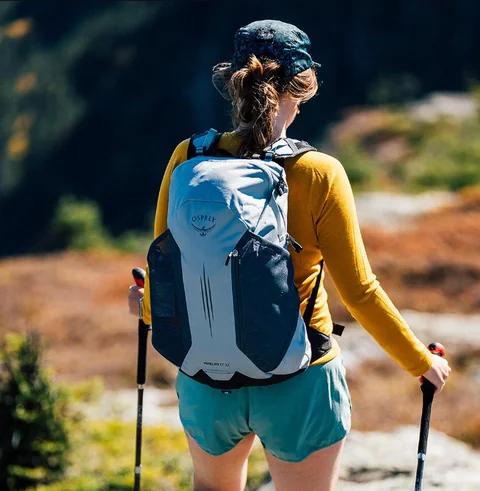
I start with the backpack because every item inside becomes a companion for hundreds of kilometers. I prefer a comfortable hiking pack with good support, accessible pockets, and a layout that lets me reach my daily essentials without unpacking everything.
My rule is simple: if I cannot explain why something is in my bag, it probably belongs at home. A lighter pack means more attention for villages, conversations, and the actual Camino experience.
- Lightweight backpack with hip support
- Packing cubes or small dry bags
- Rain cover for the backpack
Choosing the Right Hiking Shoes and Socks
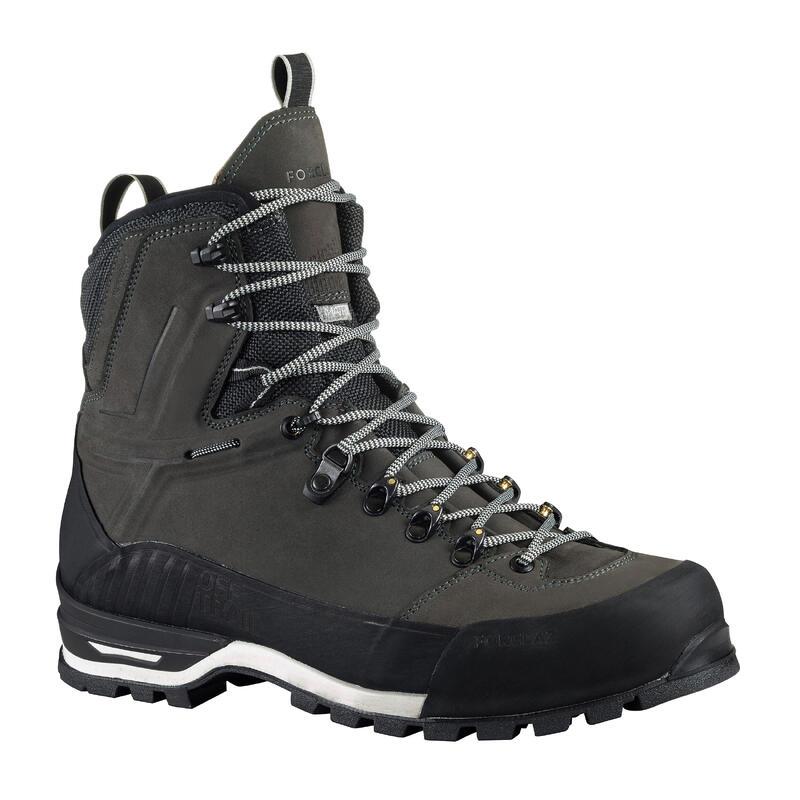
I have learned from years of travel that uncomfortable shoes can ruin a beautiful itinerary faster than almost anything else. For the Camino, I choose broken-in footwear and test it on long walks before departure.
The winning combination is personal, but I always prioritize foot comfort, breathable materials, and socks that manage moisture. Cotton socks are usually a poor choice because damp fabric increases friction and discomfort.
My tip
Never make the Camino your shoe-testing trip. Your feet deserve a rehearsal.
Lightweight Clothing for Walking Long Distances
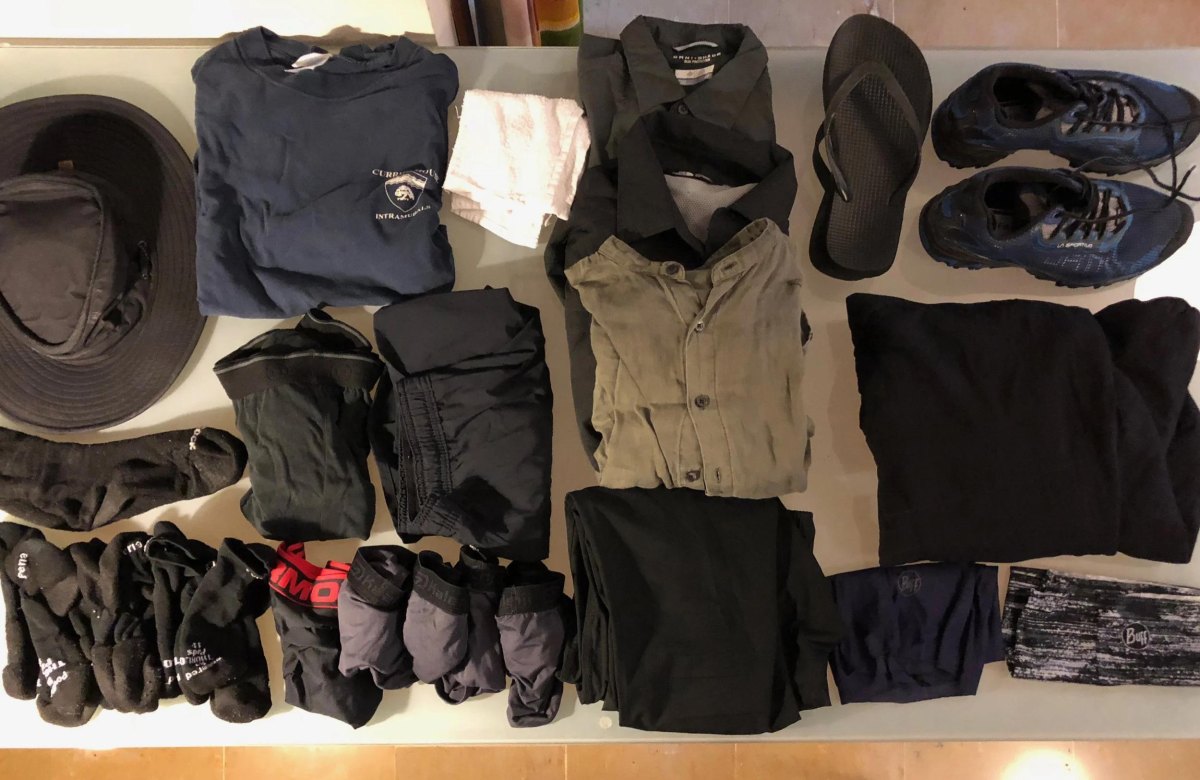
I pack clothing like a flight attendant packs a carry-on: every item needs a job. Two or three walking outfits that wash easily beat a suitcase of choices. My favorite travel clothing system uses layers rather than bulky single-purpose pieces.
Technical shirts, lightweight trousers, and quick-drying underwear make evening laundry much easier. The Camino rewards people who embrace simple routines.
- Base layers: moisture-managing shirts and underwear
- Warm layer: light fleece or insulated jacket
- Walking layer: comfortable trousers or shorts
Rain Gear and Weather Protection
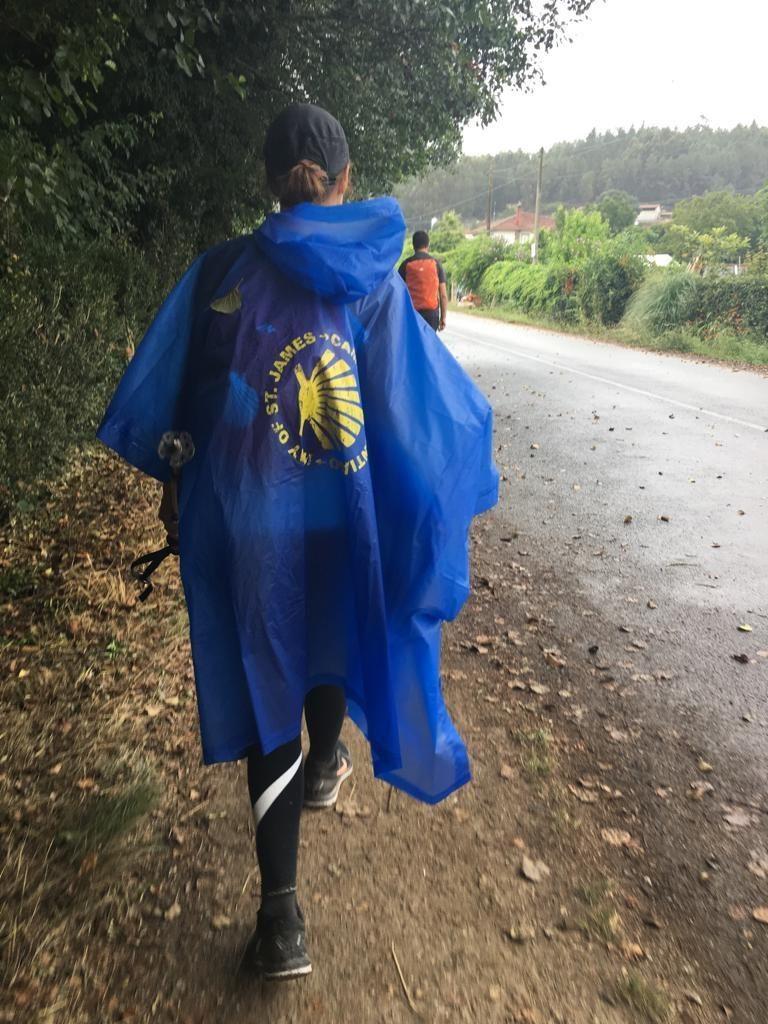
Rain on the Camino is not a rare guest, especially in northern sections. I pack a waterproof layer because weather changes are easier to handle when my rain protection is already waiting in my bag.
I avoid packing for imaginary disasters, but I do prepare for realistic ones. A compact jacket, backpack cover, and dry bag keep my essentials safe during wet stages.
Common mistake
Do not bury your rain gear at the bottom of your backpack.
Sleeping Gear for Albergues and Refugios
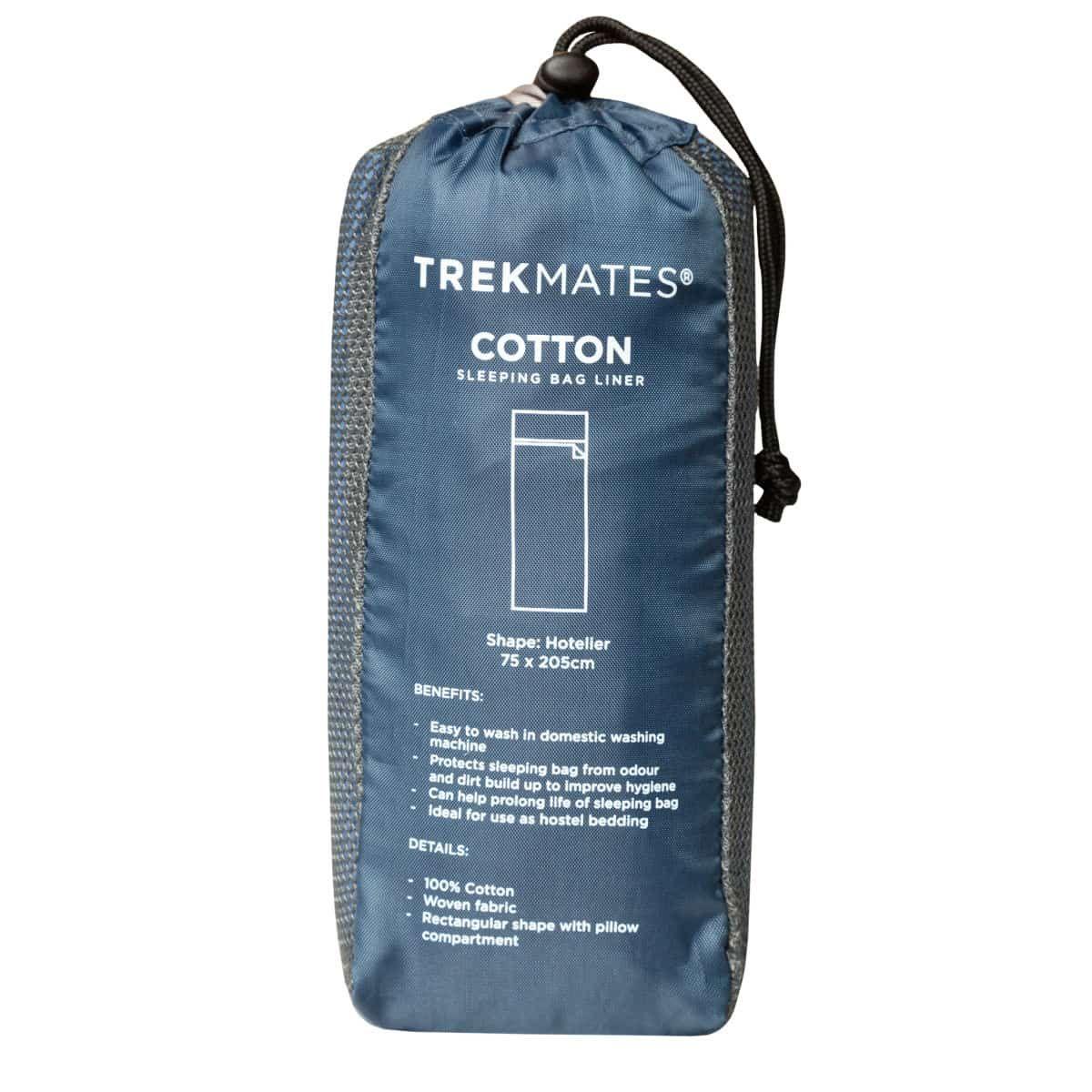
Albergue nights are part of the Camino rhythm, and my sleeping kit stays small. I focus on a clean, comfortable setup rather than carrying my bedroom. A lightweight sleeping liner is often the practical middle ground.
I also carry small comfort items because rest determines tomorrow's walking. Good sleep is not luxury; it is walking fuel.
| Item | Purpose |
|---|---|
| Sleeping liner | Personal sleeping layer |
| Earplugs | Better hostel sleep |
Toiletries and Personal Hygiene Items
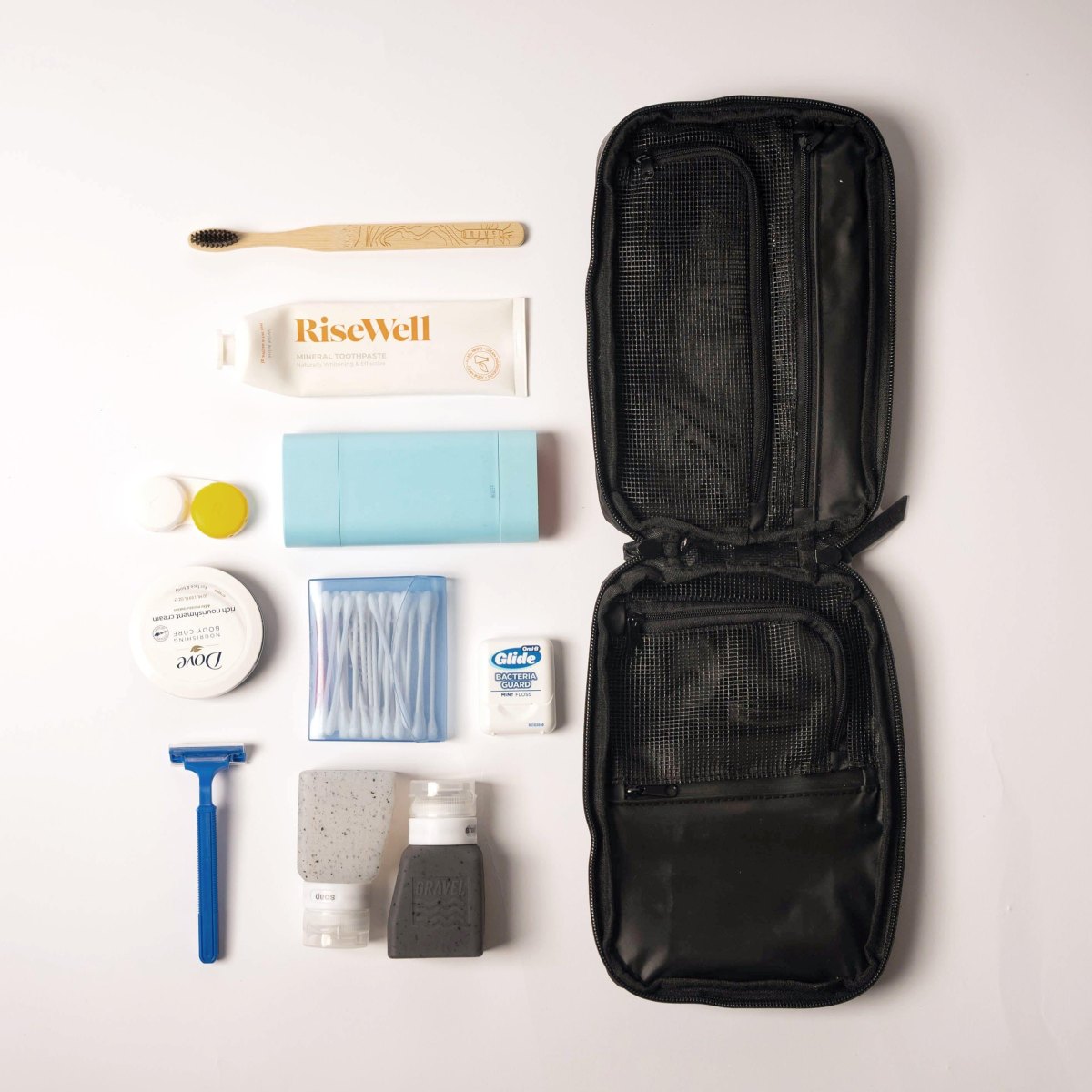
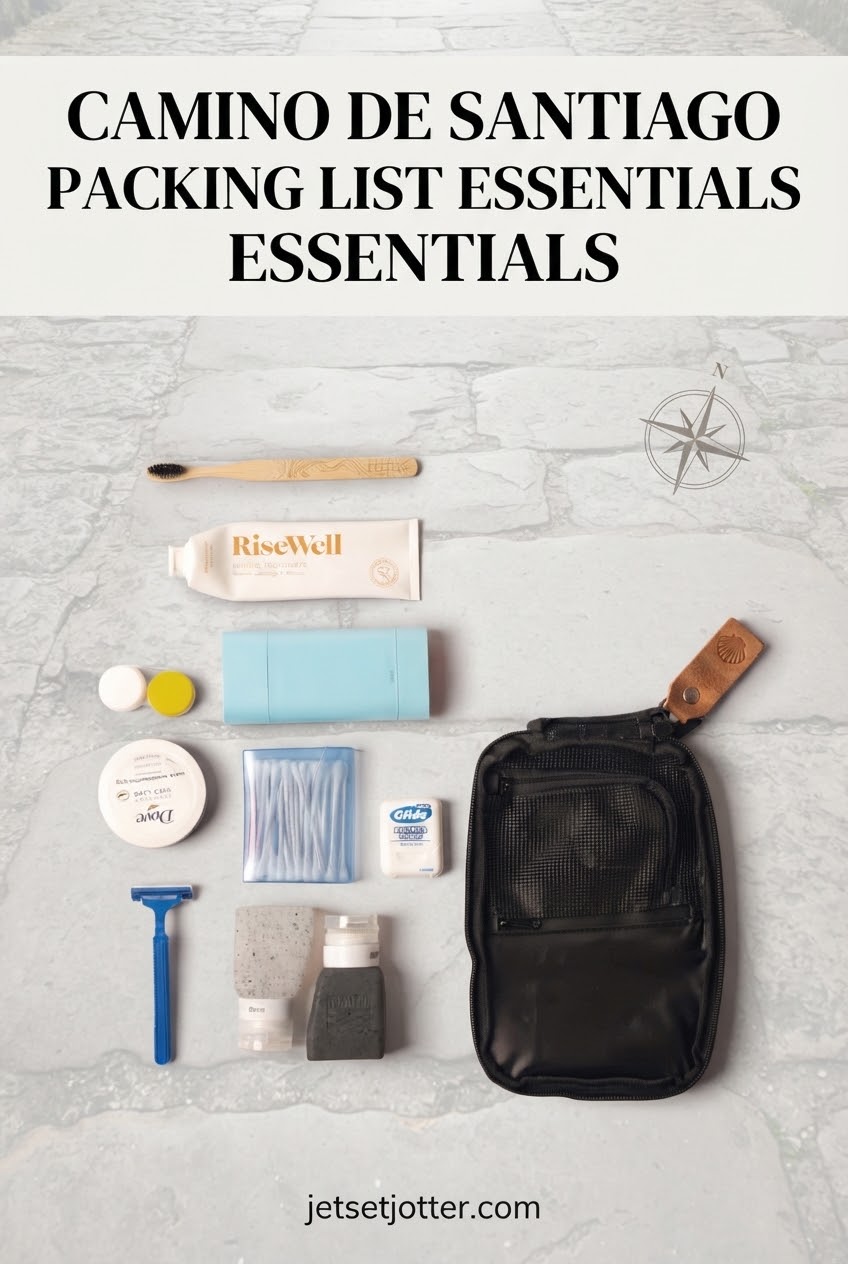
My toiletry bag is tiny because I learned years ago that convenience matters more than variety. The Camino is not the place for a full bathroom cabinet. A focused hygiene kit covers everything important.
I carry refillable containers, sunscreen, and basic personal items while remembering that many towns along the route have shops and pharmacies.
- Toothbrush and toothpaste
- Sunscreen
- Small soap or shampoo
First Aid Kit and Foot Care Supplies
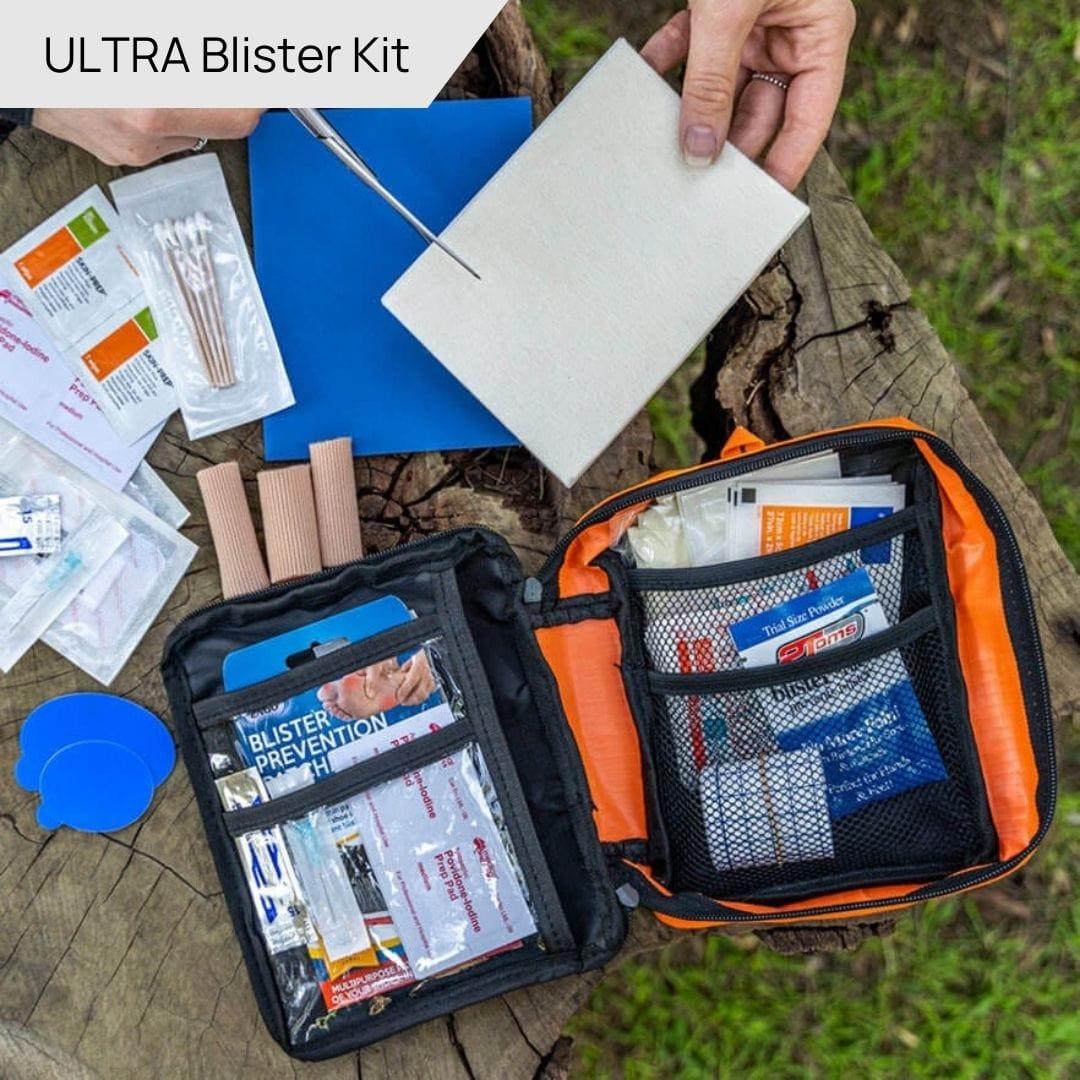
The first item I protect on a walking trip is not my camera; it is my feet. Blister prevention, cleaning supplies, and small repairs belong in every Camino first aid kit. Official Camino guidance also emphasizes careful foot hygiene and suitable footwear.
I keep the kit compact because pharmacies exist along many routes, but I want immediate help for small problems before they become big ones.
- Blister treatment supplies
- Bandages
- Pain relief products you personally use
Water Bottles and Hydration Equipment
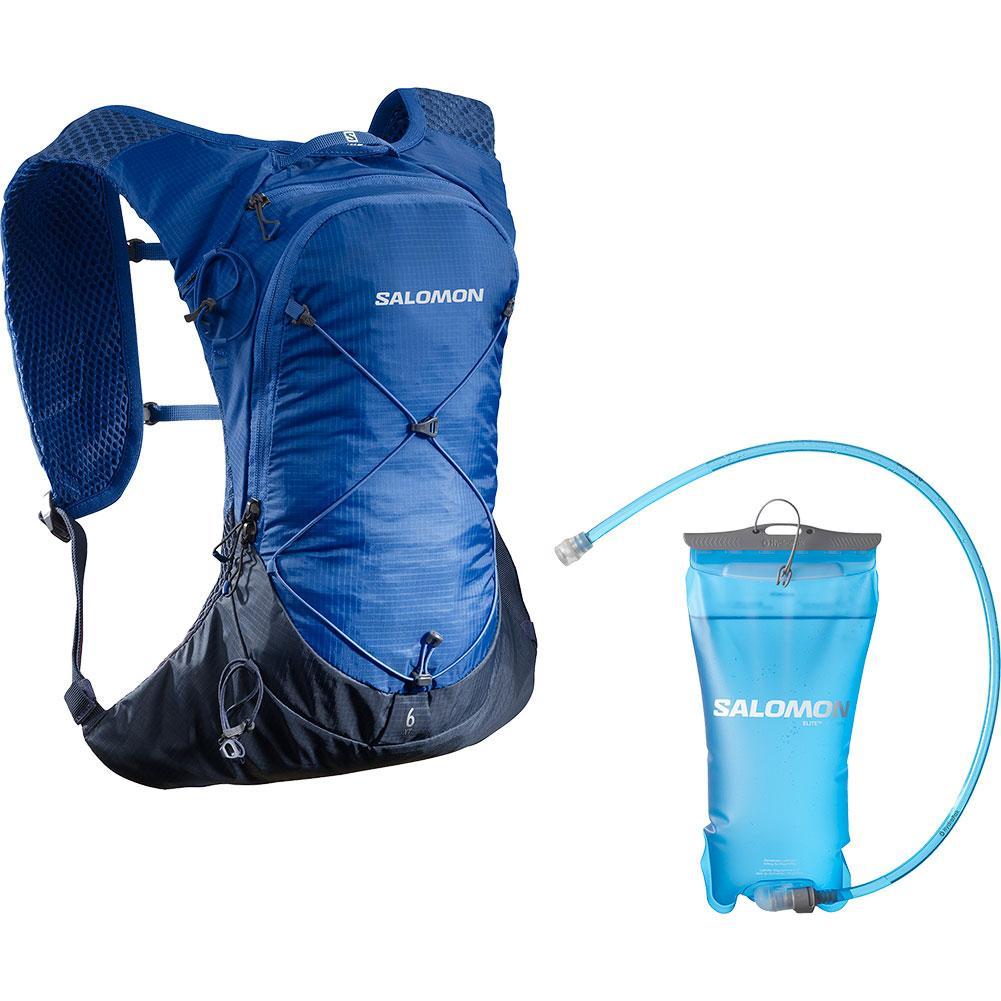
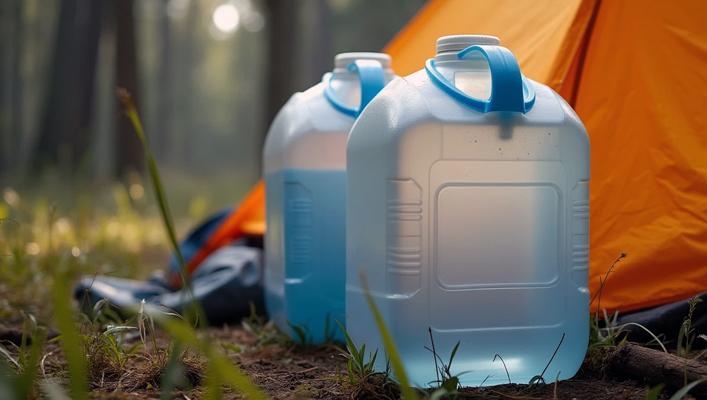
Hydration planning changes with season, route, and stage length. I carry enough water capacity for my planned walk but avoid turning my backpack into a portable reservoir. My hydration setup stays simple.
Refilling thoughtfully is part of the Camino rhythm. I check route information each day and adjust based on heat, distance, and available services.
Electronics and Travel Accessories
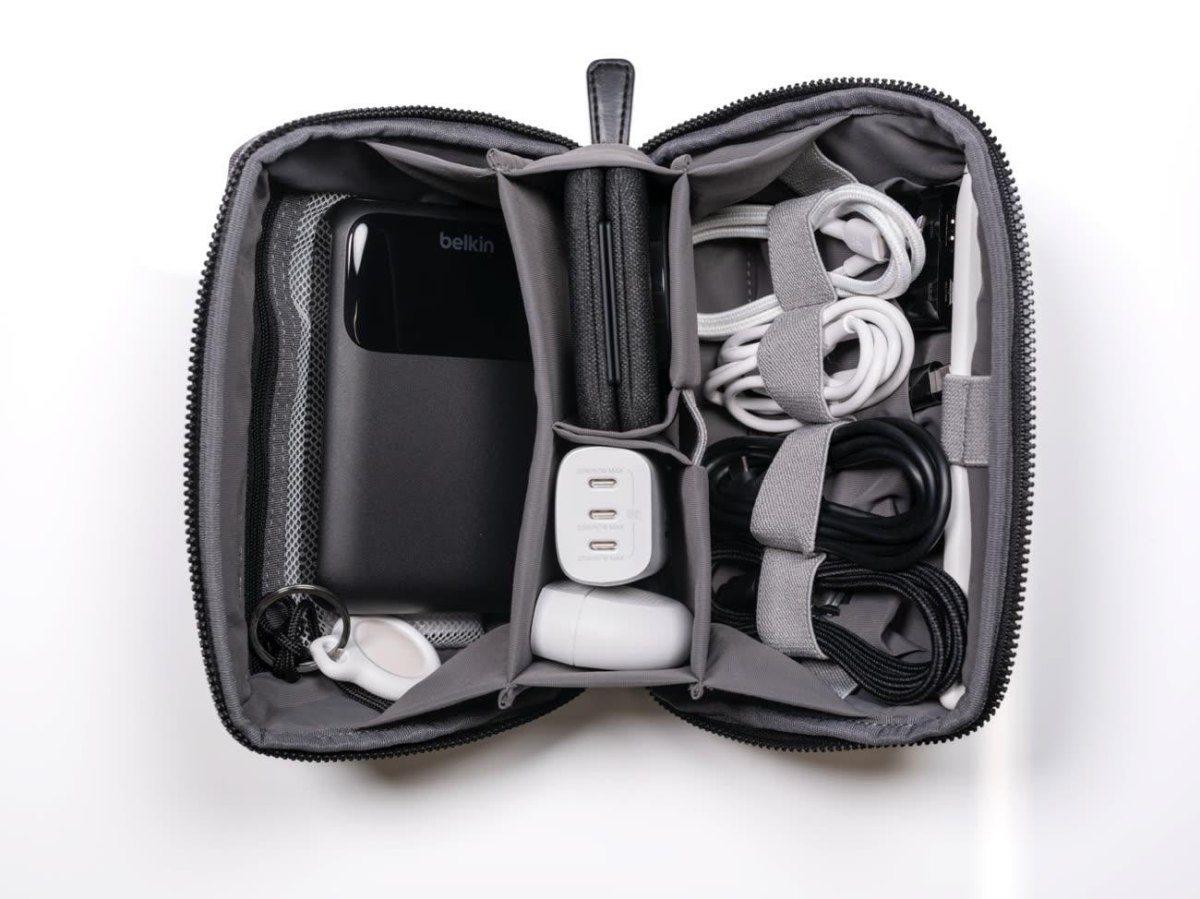
My old airline habits are strong here: fewer cables, fewer chargers, fewer things that can disappear in a hostel. My electronics pouch contains only my essential technology.
A phone, charging cable, and power bank usually cover navigation, photos, and communication. The best Camino memories rarely require a screen.
Documents, Money, and Camino Credentials
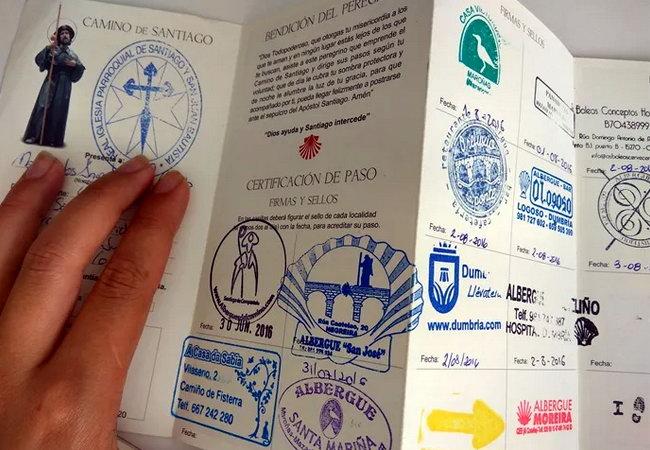
I keep documents where my hands can find them quickly. The Camino credential is one of the small items that transforms a walk into a shared tradition. My travel document pouch is always organized.
I carry backup payment options because small villages may not operate like major cities. Organization prevents unnecessary stress on the road.
- Credential: passport for pilgrim stamps
- Identification: personal travel documents
- Money: cards and emergency cash
Food, Snacks, and Trail Nutrition
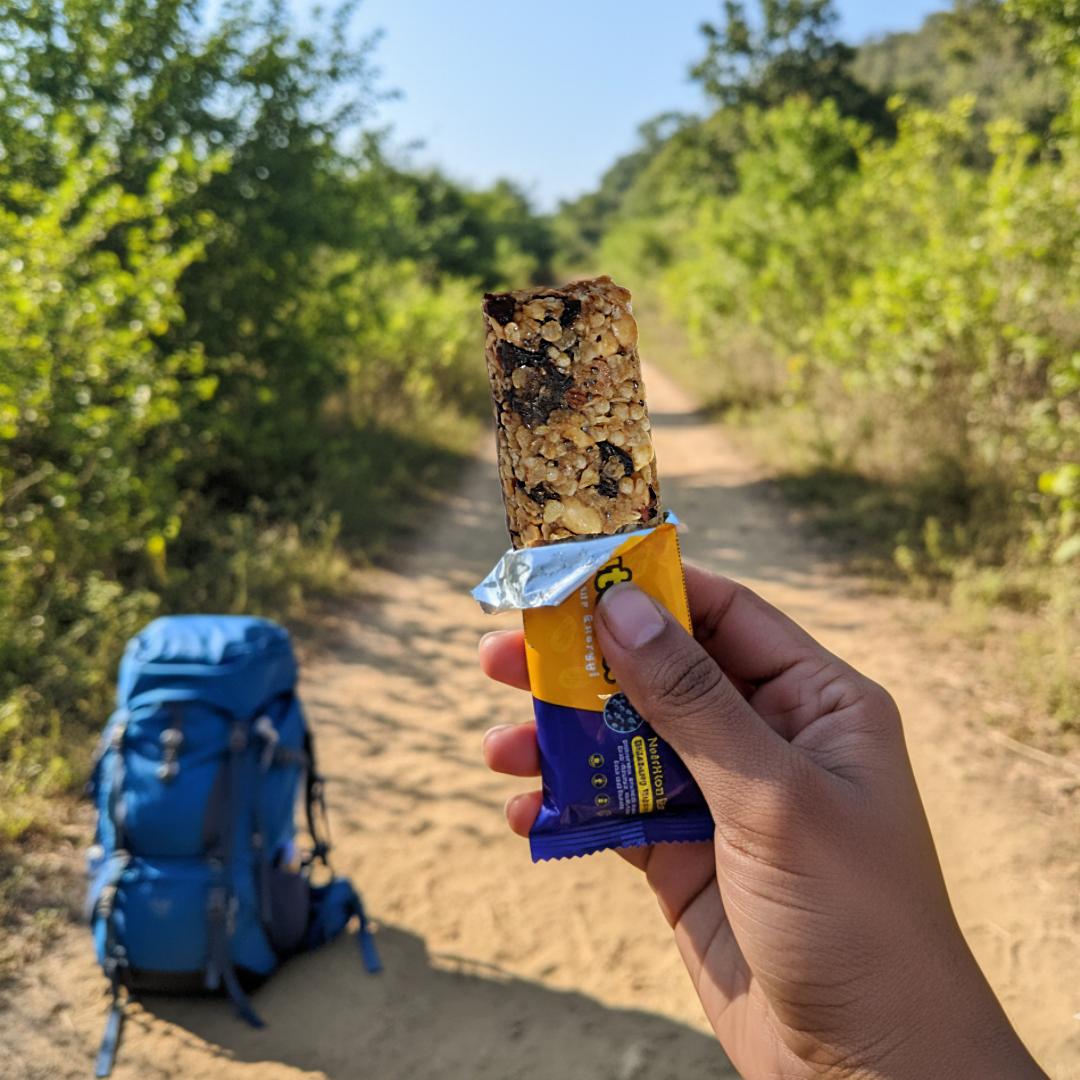
I am a food-first traveler, so I always leave room for local meals. Still, walking long distances means carrying reliable trail snacks for moments between villages.
I choose practical foods that survive a backpack and give steady energy. The best snack is the one I actually want after several hours of walking.
Trekking Poles and Walking Accessories
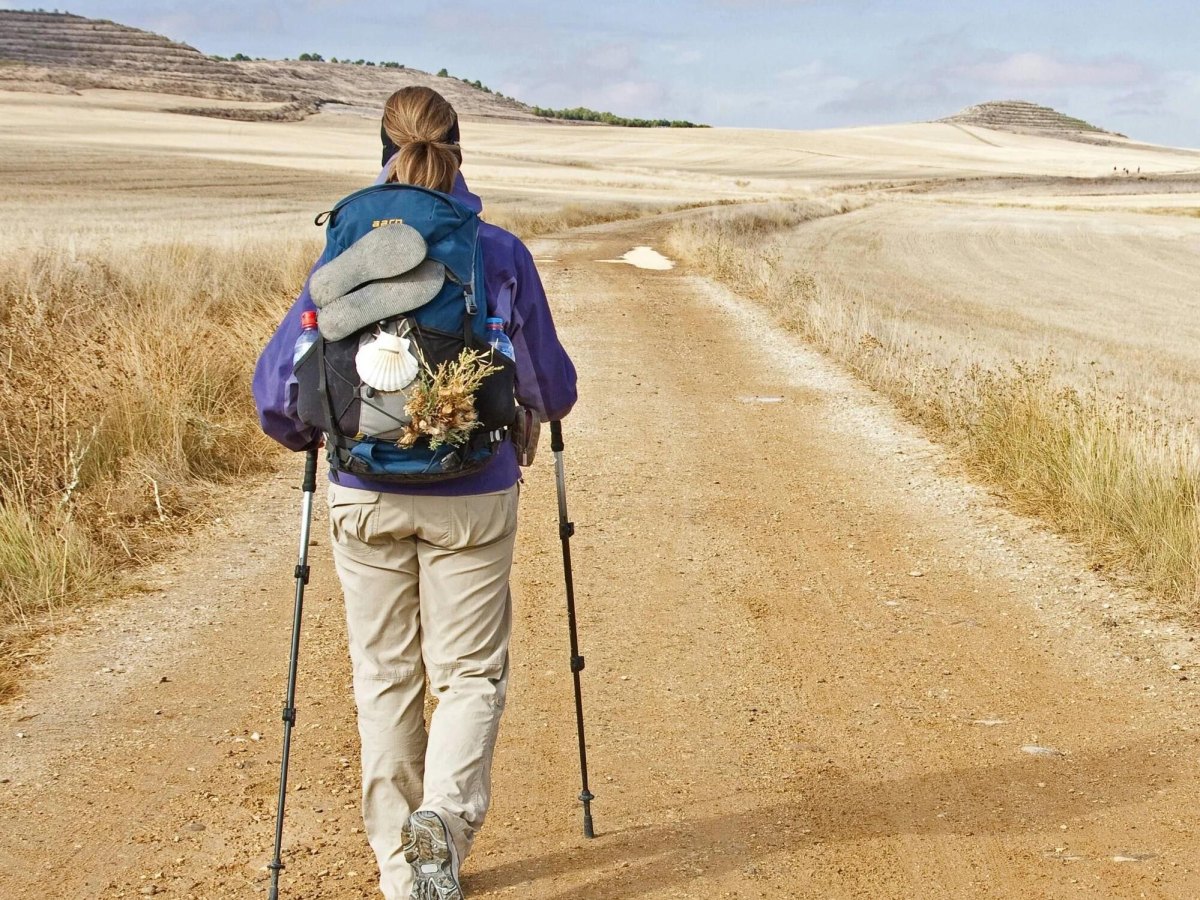
Trekking poles are not mandatory, but many walkers appreciate them on uneven terrain and long descents. I think of them as a tool, not a fashion statement. Good walking accessories should solve problems.
I also pack small items that improve daily comfort, like sunglasses and a hat, because repeated exposure adds up.
Seasonal Packing Adjustments for the Camino
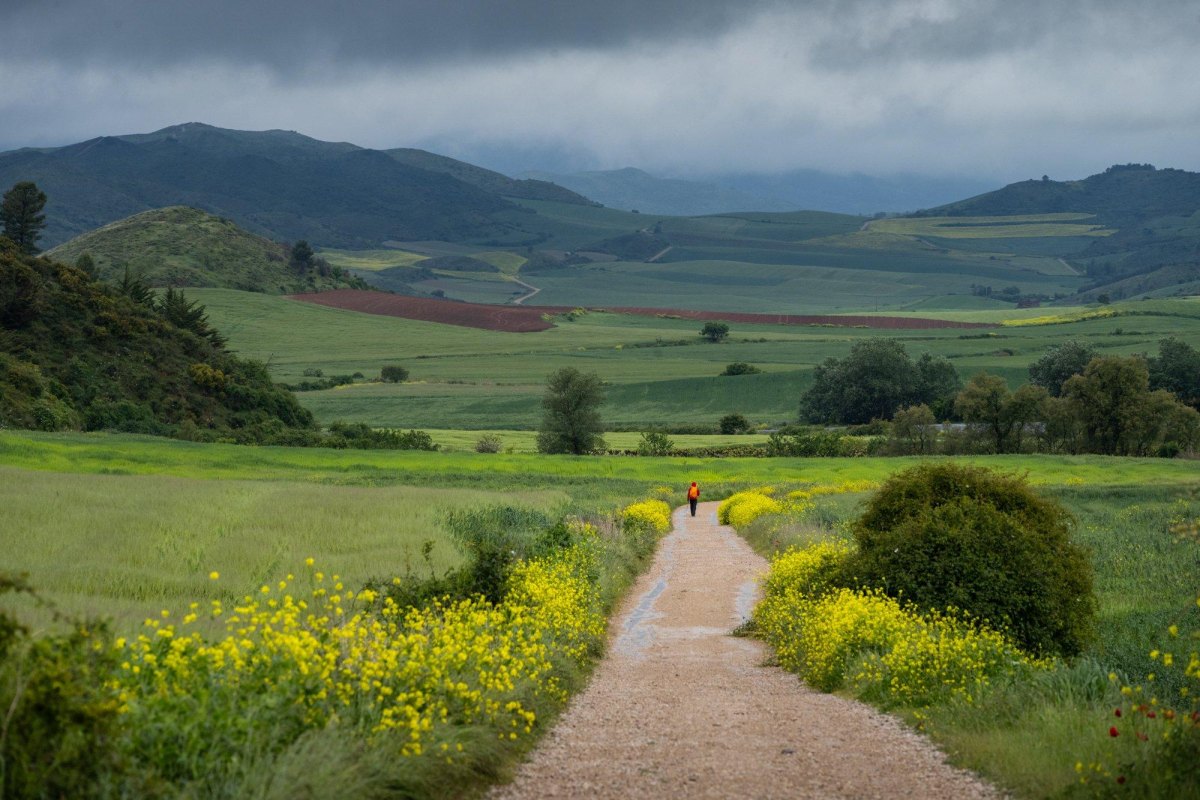
The Camino changes personality with the calendar. My summer bag is not my spring bag, and winter requires more attention to warmth and weather. Seasonal planning keeps the packing list realistic.
I always check current conditions before leaving because mountain sections and coastal routes can behave very differently.
| Season | Extra focus |
|---|---|
| Summer | Sun protection and ventilation |
| Winter | Warm layers and rain protection |
Optional Comfort Items Worth Packing
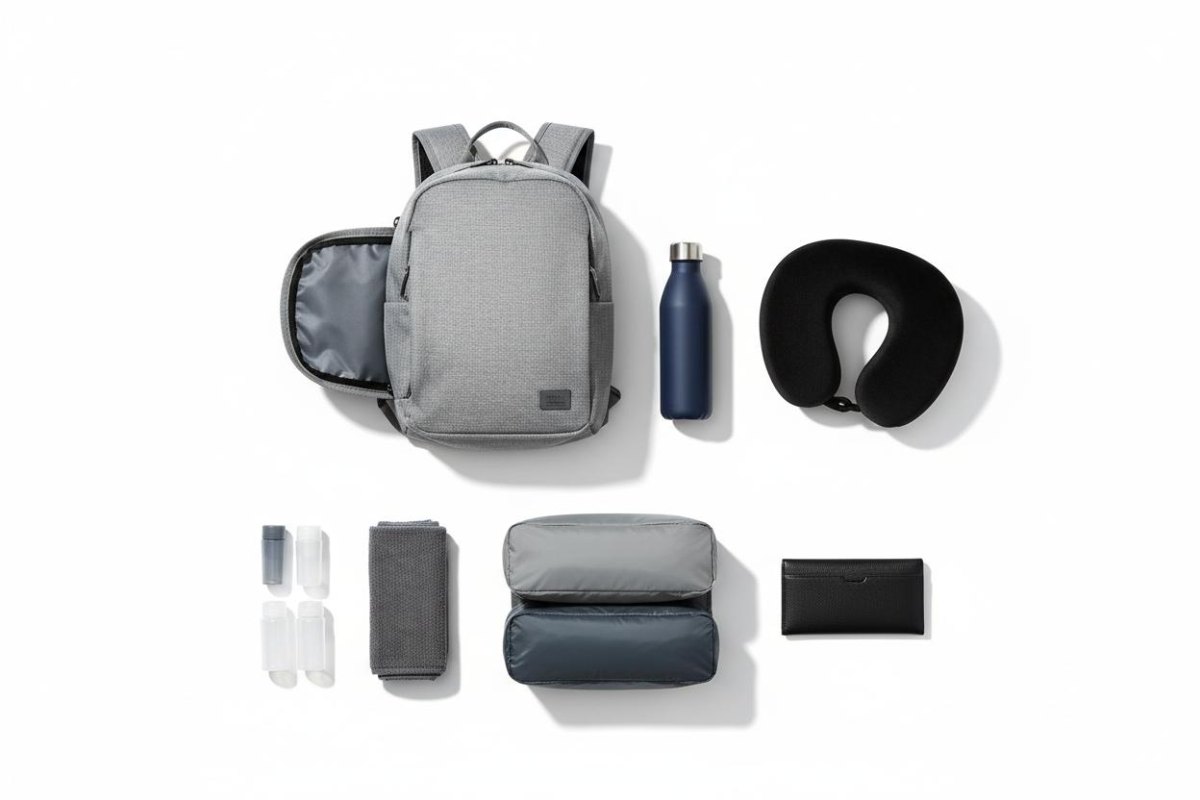
Some items are not essential but earn their place because they improve daily life. My favorite comfort additions are small, lightweight, and repeatedly useful.
A tiny luxury after a long walking day can make a shared room feel like home. The trick is choosing comfort without rebuilding your suitcase.
Worth considering
- Light sandals
- Notebook
Usually skip
- Heavy extras
- Duplicate items
Final Backpack Weight Checklist Before Departure
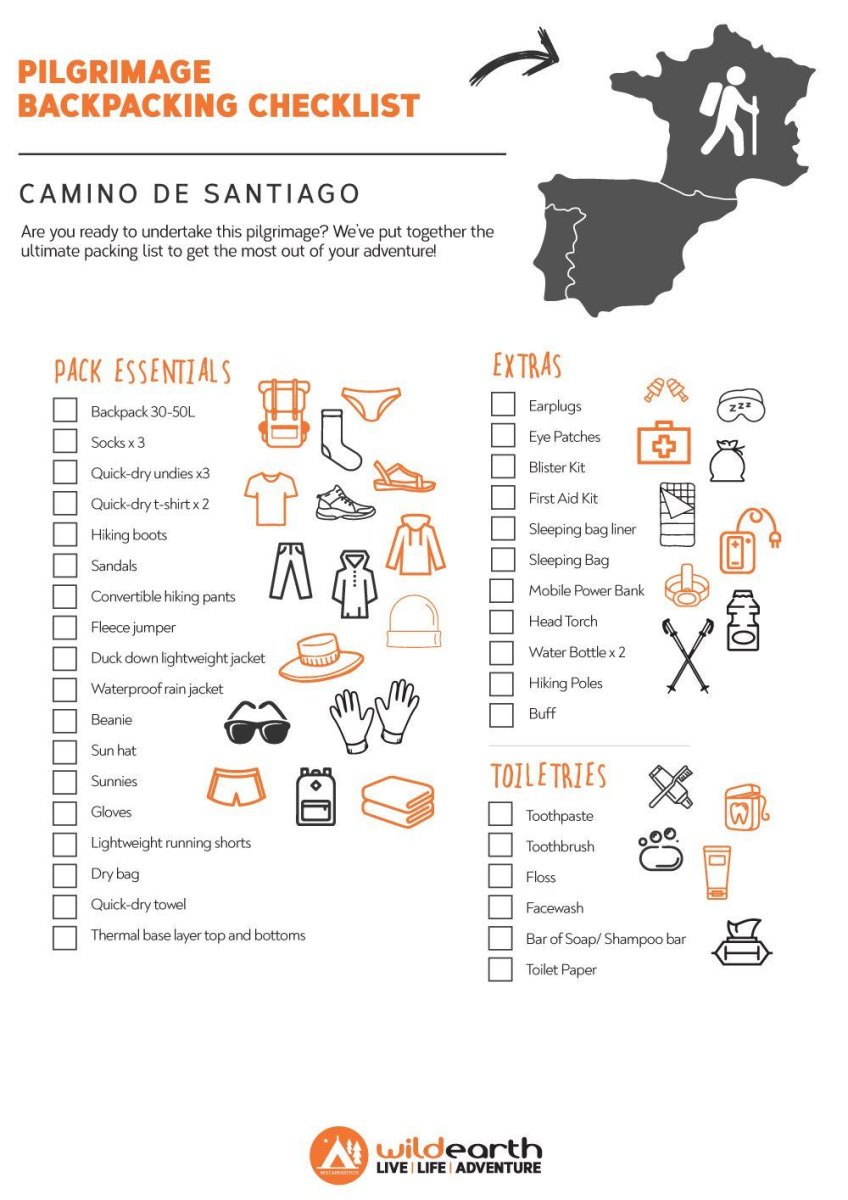
The final packing moment is where most pilgrims discover the truth: the bag is heavier than expected. I weigh everything before leaving because backpack weight affects every kilometer.
My last step is always the same: remove one more thing. The Camino provides enough experiences; I do not need to carry unnecessary ones.
- Weigh. Check the complete packed backpack.
- Review. Remove items without a clear purpose.
- Walk. Test the final setup before departure.
More Pinterest Visuals