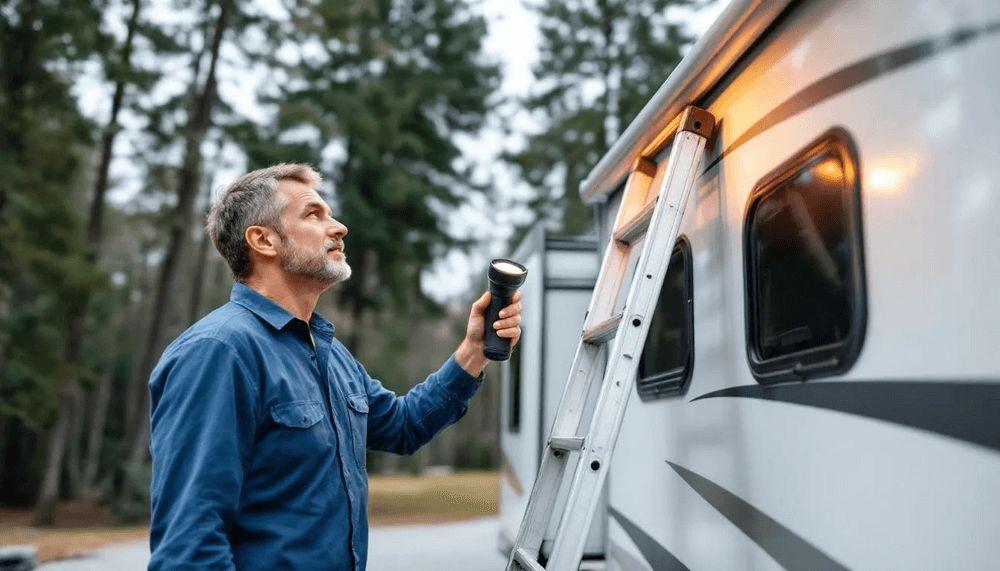

Dry camping looks wonderfully simple from the outside: a vehicle, a quiet landscape, and a few days away from hookups. The reality is that comfort off grid comes from preparation. I have learned that the smallest missing item — a forgotten water filter, a dead headlamp, a missing adapter — can turn a peaceful campsite into a very long afternoon. Current public-land guidance also emphasizes carrying your own supplies, checking conditions, and preparing for areas without services.
This is the checklist I would build from my travel notebooks: the dry camping essentials that keep water flowing, batteries alive, meals possible, and mistakes manageable.
Fresh Water Storage Systems
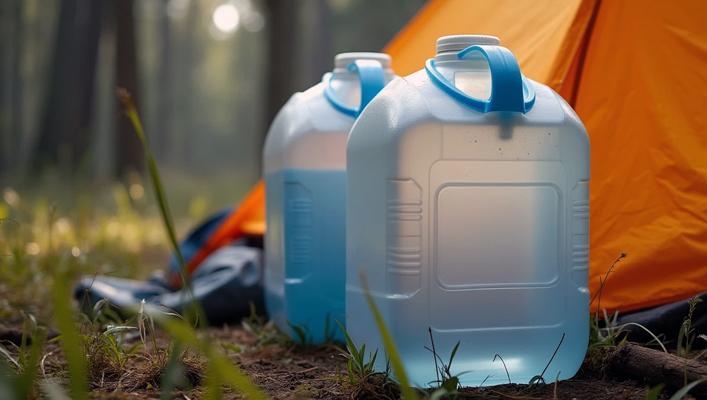
Water is the first line item I plan when dry camping because there is no convenient refill tap waiting behind the next tree. I pack containers that are easy to lift, secure, and track so I always know my remaining water supply.
I also separate drinking water from utility water for washing and cleaning. That tiny organization habit saves confusion when I am tired after a long drive.
Portable Solar Power Setup
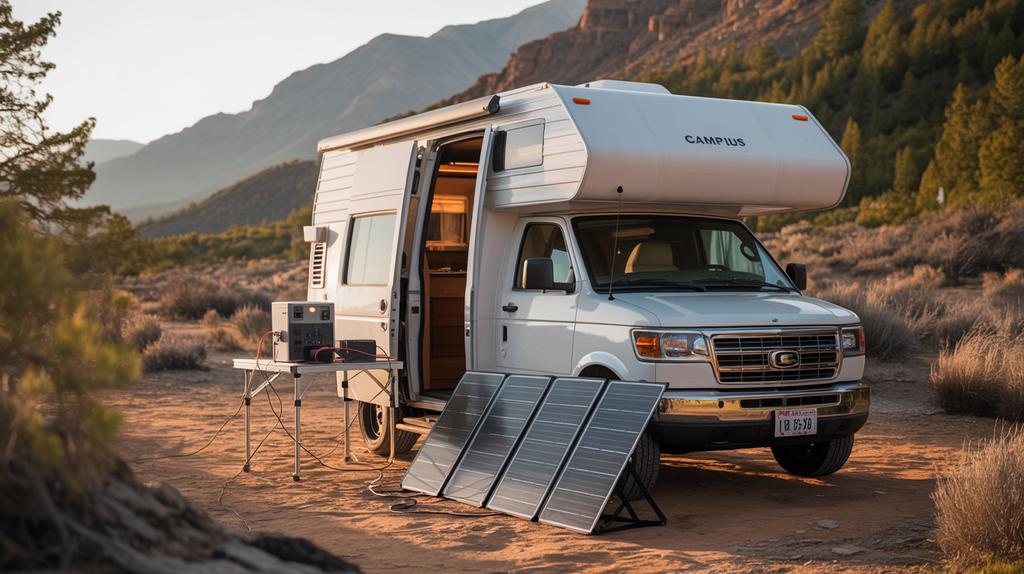
Solar has changed the way I approach remote campsites. A small portable system can keep phones, cameras, and other essentials alive without carrying endless fuel. I always consider my daily power needs before buying equipment.
My rule is simple: calculate what I actually use, then add a little margin. Overpacking batteries is just another version of carrying five extra pairs of shoes.
My field tip
Place panels where they receive consistent sunlight and check your setup before leaving home.
Battery Banks and Power Management
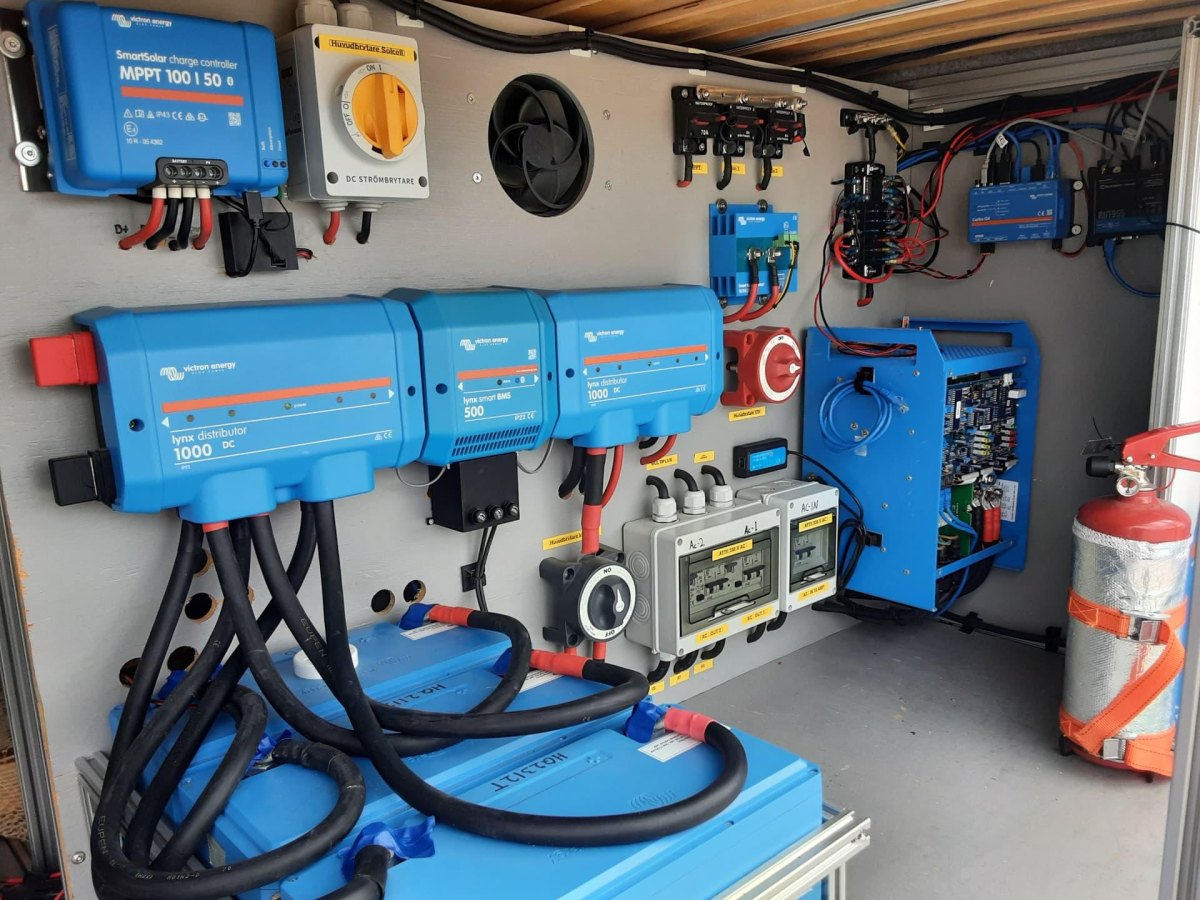
A solar panel is only half the story. The battery system stores the energy that lets me write notes, photograph landscapes, and navigate after sunset. I keep a simple record of my battery consumption habits.
I avoid guessing because a surprise dead battery is especially inconvenient when the nearest town is hours away.
| Device | Power Priority |
|---|---|
| Phone | High |
| Camera batteries | Medium |
| Entertainment devices | Low |
Efficient Cooking Equipment
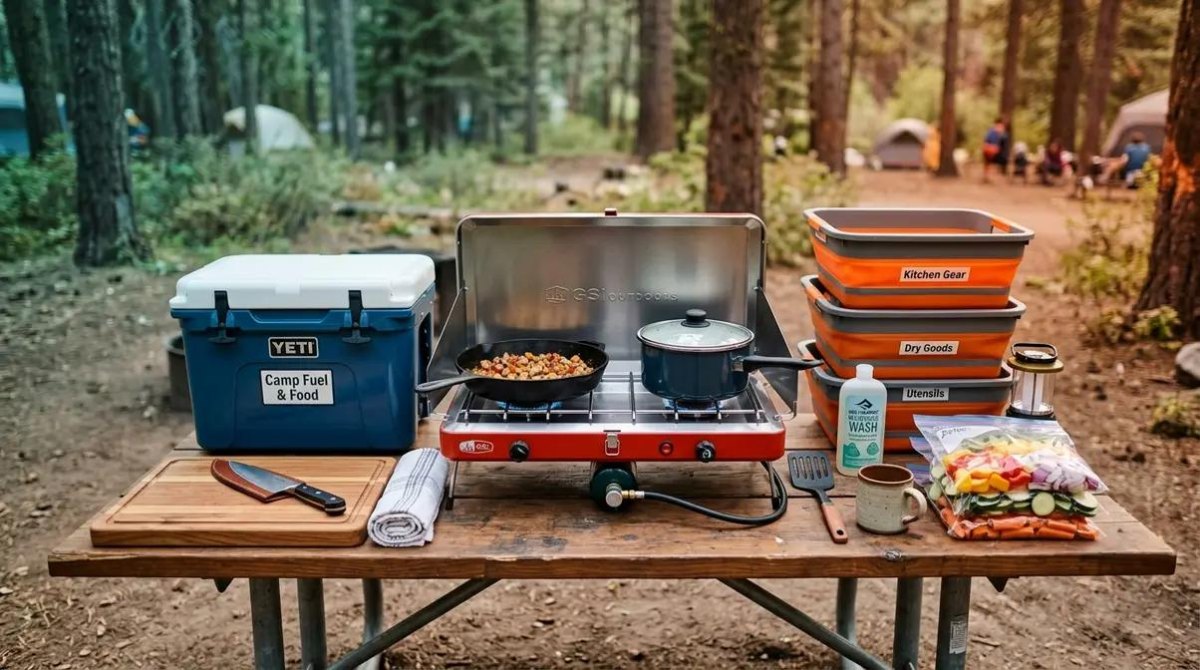
Good camp cooking is less about fancy gear and more about reliable basics. After years of packing light, I know a compact stove and a few excellent tools beat a giant kitchen box every time.
I bring equipment that supports simple campsite meals because nobody wants to wash twelve pans after watching a sunset.
Pros
- Fast meal preparation
- Less packing space
Cons
- Requires meal planning
- Limited cooking capacity
Food Storage and Meal Planning
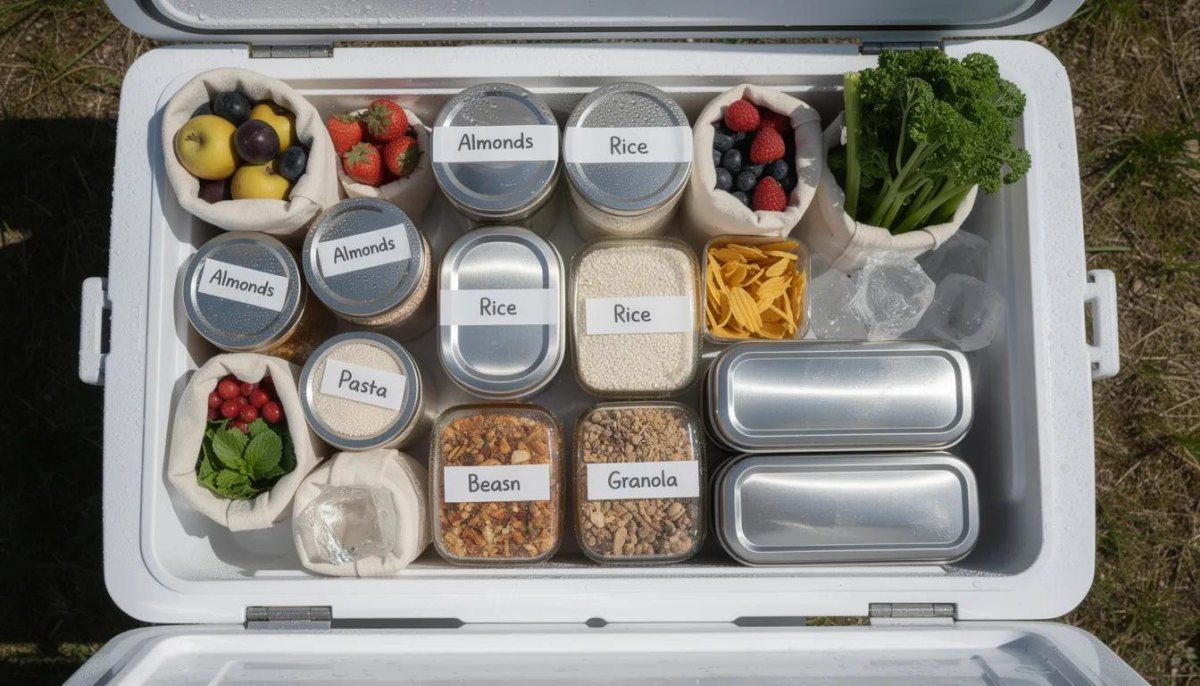
My favorite dry camping meals are predictable winners: ingredients I know, recipes I can make when tired, and snacks that survive temperature changes. Good planning prevents unnecessary grocery runs.
I organize food around easy camp meals and keep a small emergency supply separate from my main food box.
Waste Management Solutions
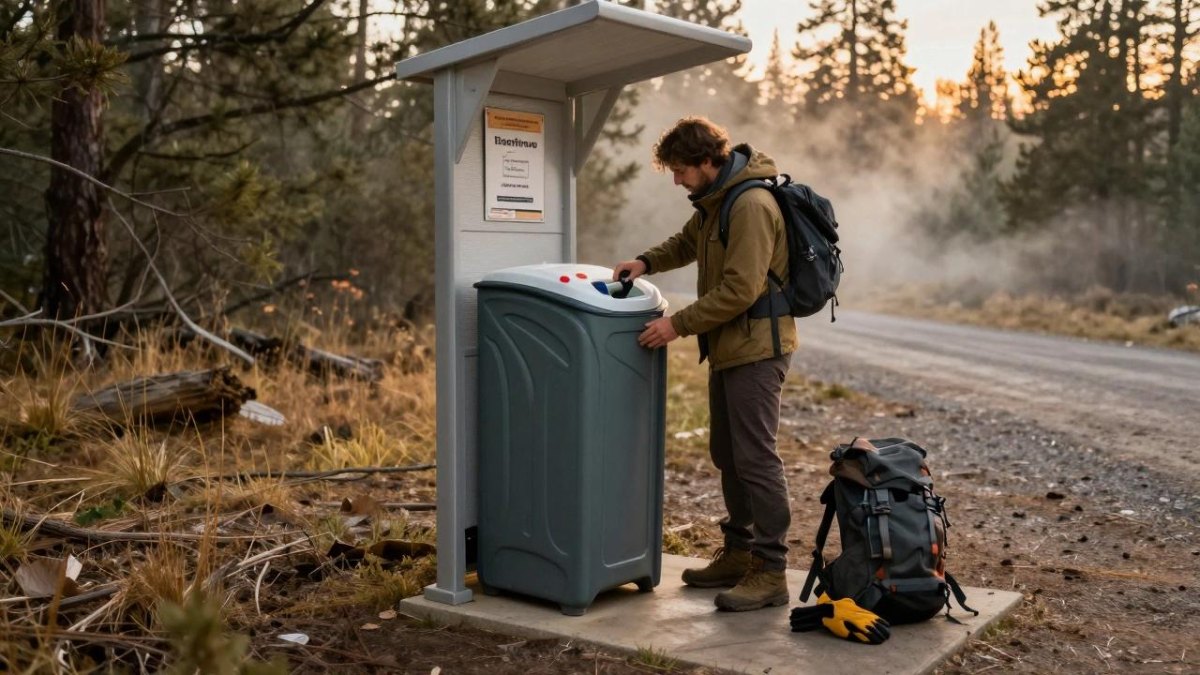
Remote camping means managing what I bring in and what leaves with me. Responsible waste habits protect the places that make dry camping special. Leave No Trace guidance emphasizes packing out trash and handling waste properly.
I pack systems that make cleanup easy because responsible campsite habits should not depend on motivation at the end of a trip.
Important reminder
Always check local rules because waste and toilet requirements vary by location.
Water Filtration and Purification
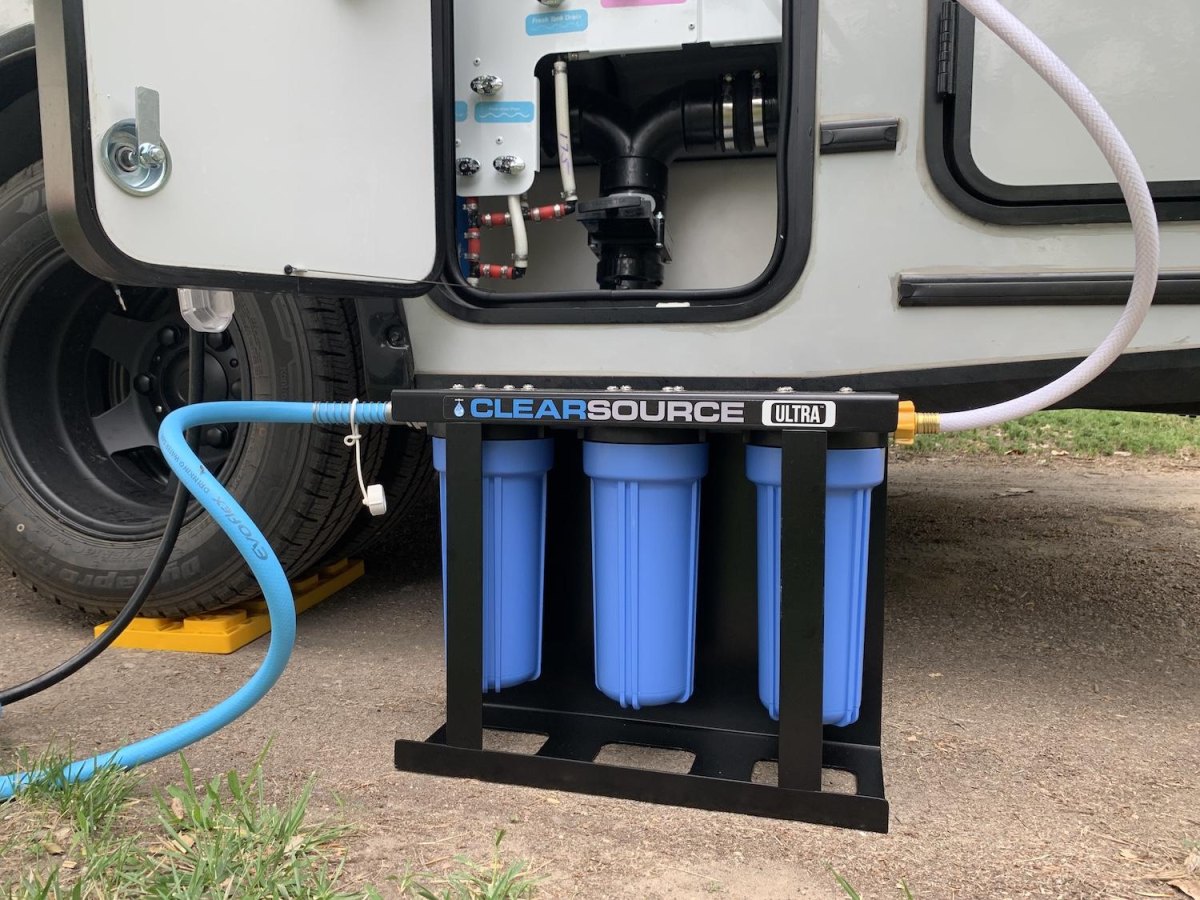
Even when I carry my own water, I bring a purification option. Conditions change, and natural sources should never be treated as automatically safe.
A filter gives me confidence and a backup plan, especially when exploring areas with limited services.
Navigation and Offline Maps
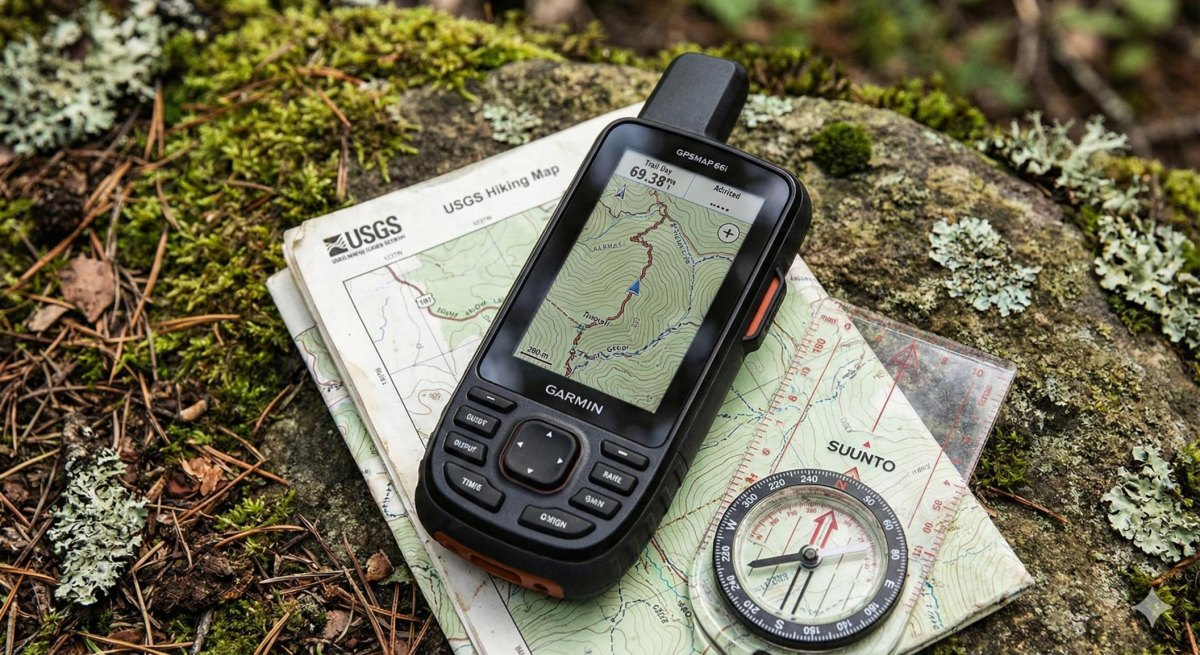
Remote roads have taught me not to rely on a perfect signal. I download maps before departure and carry a backup navigation method because offline navigation tools remove unnecessary stress.
My old flight-attendant habit applies here: know the route before you need it.
Emergency and First Aid Supplies
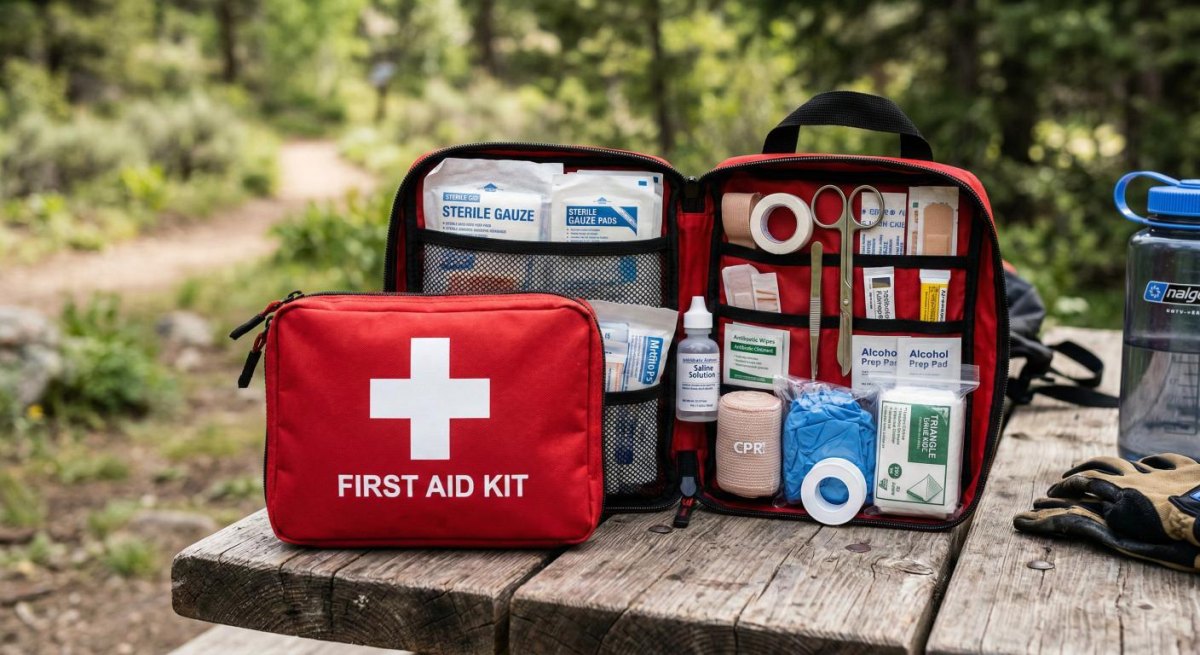
My first aid kit is not dramatic; it is practical. I carry supplies for small problems that become bigger when help is far away.
I organize it so I can find emergency essentials quickly without emptying every storage bin.
Weather Protection Gear
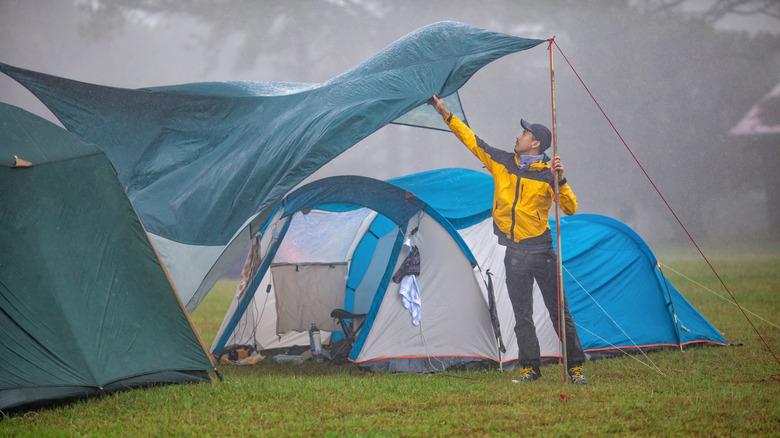
Weather can change faster than a travel plan. I check forecasts and pack for conditions beyond the perfect sunny prediction because preparation matters outdoors.
Layers, shelter, and dry storage are the foundation of weather-ready camping.
Reliable Lighting Equipment
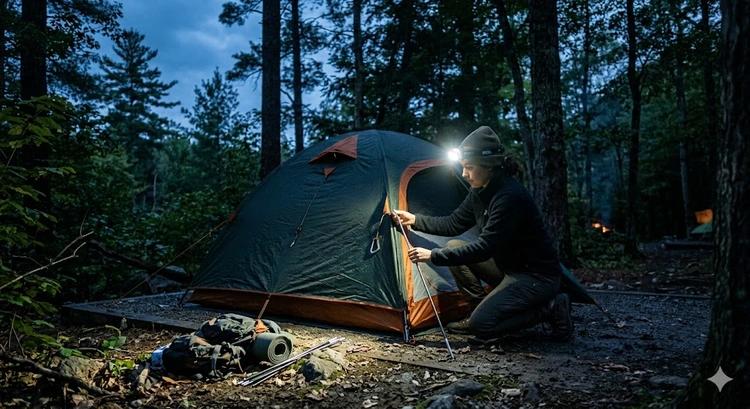
Night arrives quickly when there are no city lights nearby. I keep multiple light sources because one forgotten battery should not end my evening.
A headlamp remains my favorite hands-free campsite tool for cooking and organizing after dark.
Sleeping Comfort Essentials
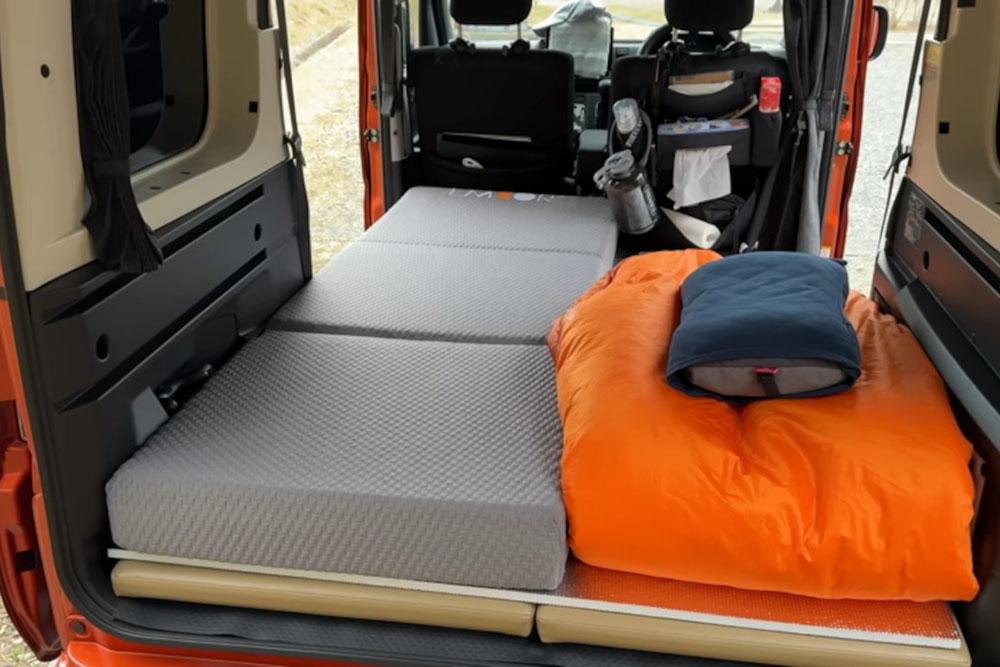
I have slept in enough airports and unusual places to know that rest changes everything. A good sleeping setup makes remote camping feel restorative instead of exhausting.
The right mattress, insulation, and bedding create comfortable outdoor sleep.
Camp Furniture and Outdoor Setup
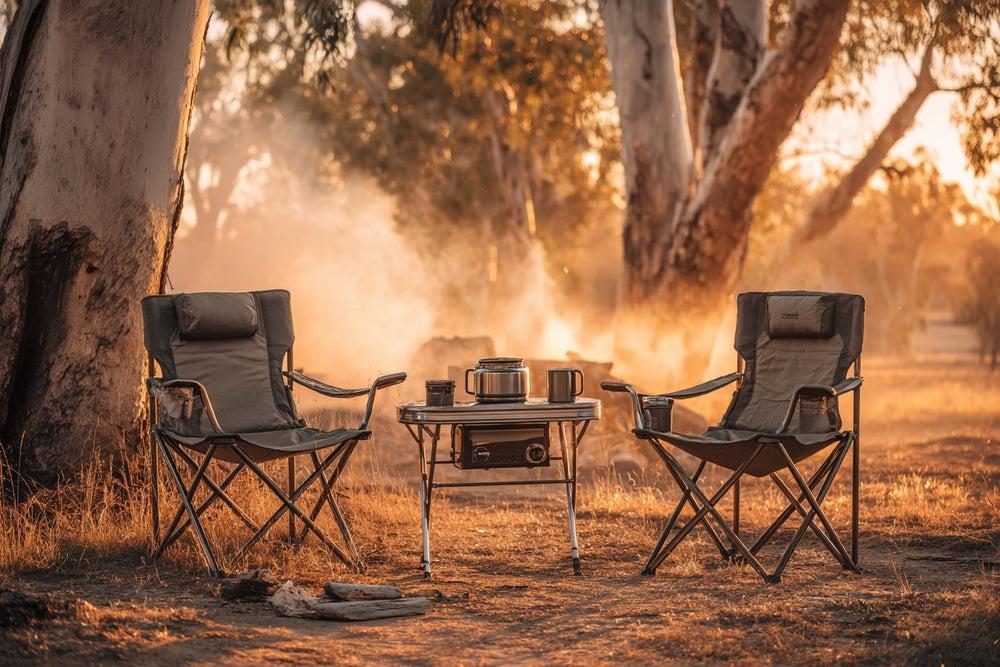
I like a campsite that feels functional, not crowded. A chair, small table, and organized storage area create a little outdoor room.
The best setup is the one that supports relaxed campsite living without filling the vehicle completely.
Clothing and Layering Systems
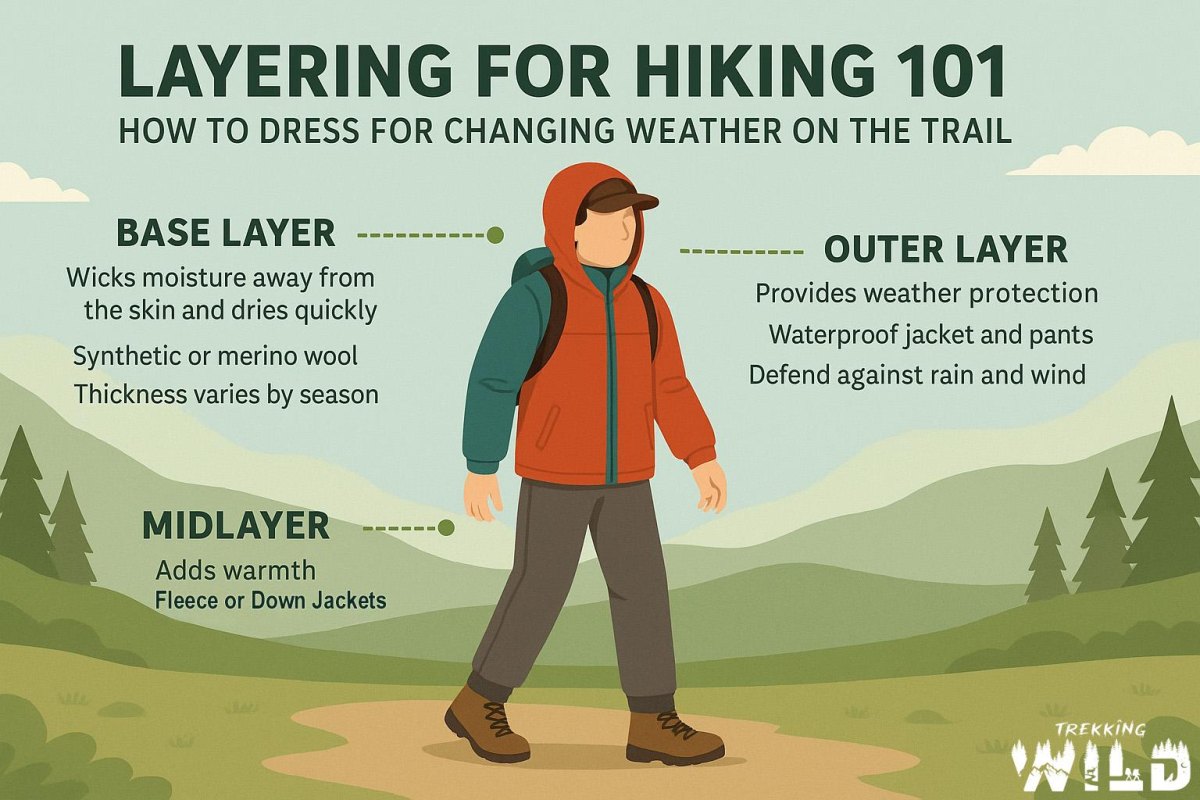
My travel wardrobe comes from years of packing for flights: fewer pieces, better combinations. Dry camping rewards the same strategy.
I focus on layered outdoor clothing that handles mornings, afternoons, and chilly evenings.
Tools and Repair Kits
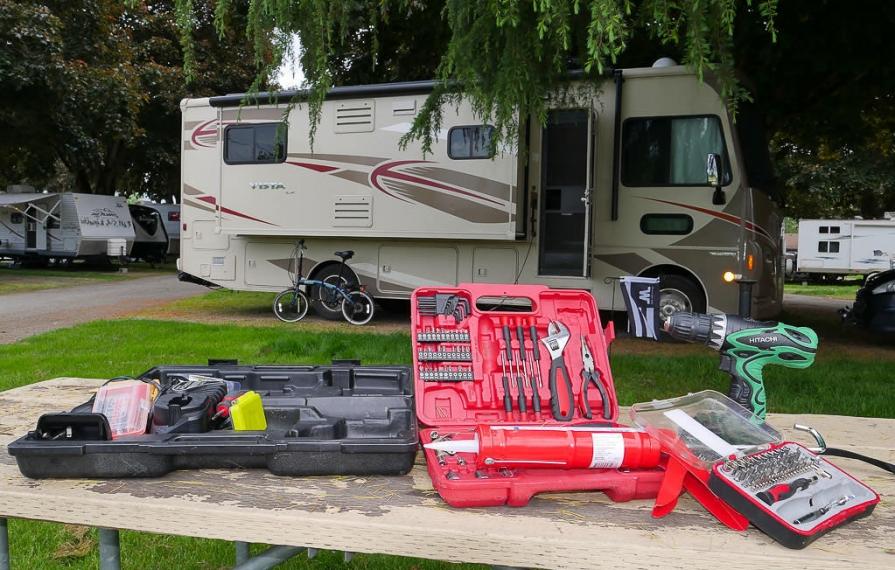
Small repairs are part of every adventure. A loose screw, damaged strap, or broken connector is much easier to handle with a compact kit.
I carry tools that solve common problems rather than a whole workshop of unused repair gear.
Communication Devices
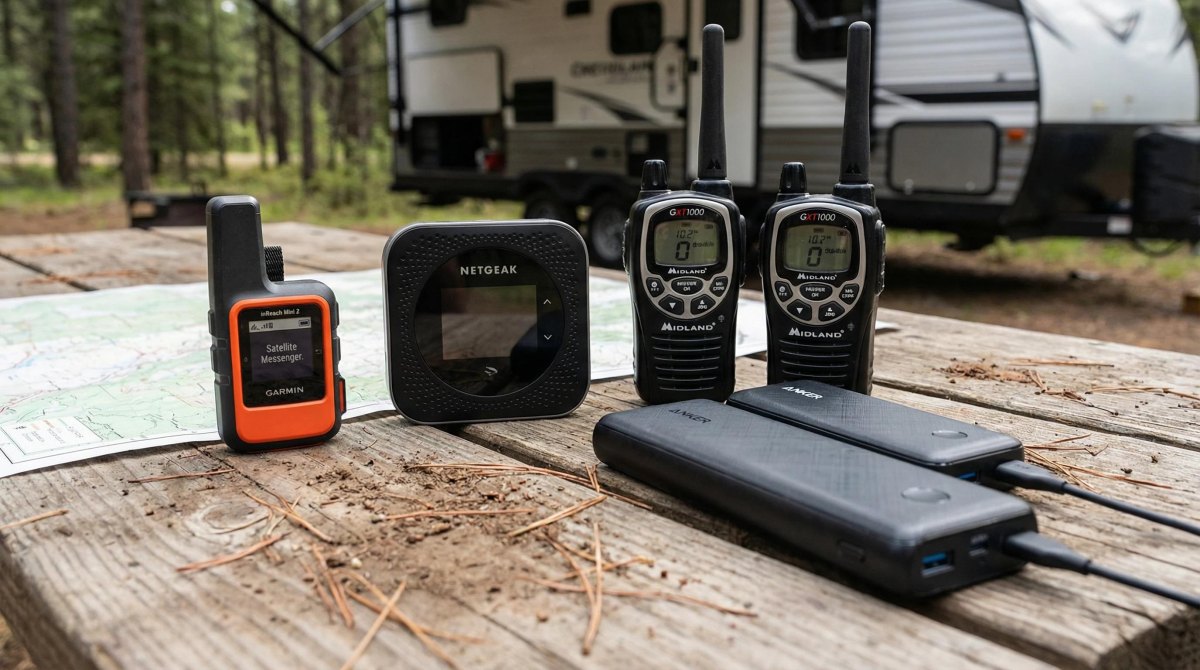
When I camp remotely, I respect the distance. Communication devices are not about fear; they are about having options when plans change.
A reliable device adds another layer of remote travel confidence.
Camp Hygiene Supplies
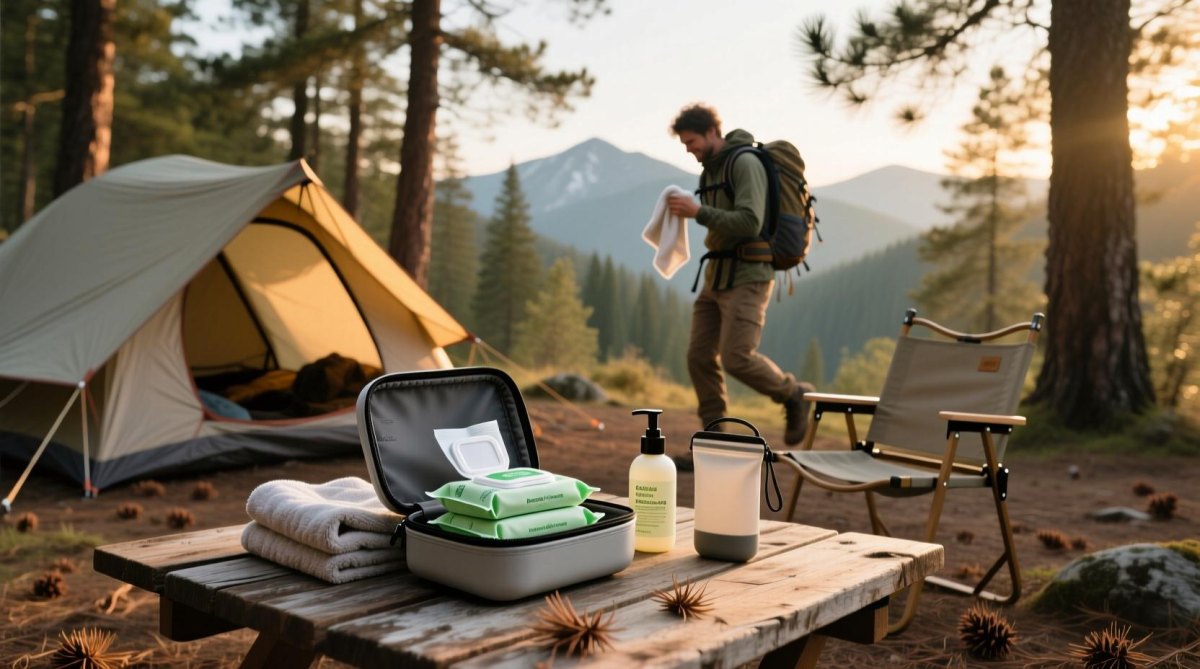
Clean hands and simple routines make long trips much more enjoyable. I keep hygiene supplies organized so they are easy to access every day.
My favorite items are small, practical pieces that maintain daily campsite comfort.
Wildlife Safety Equipment
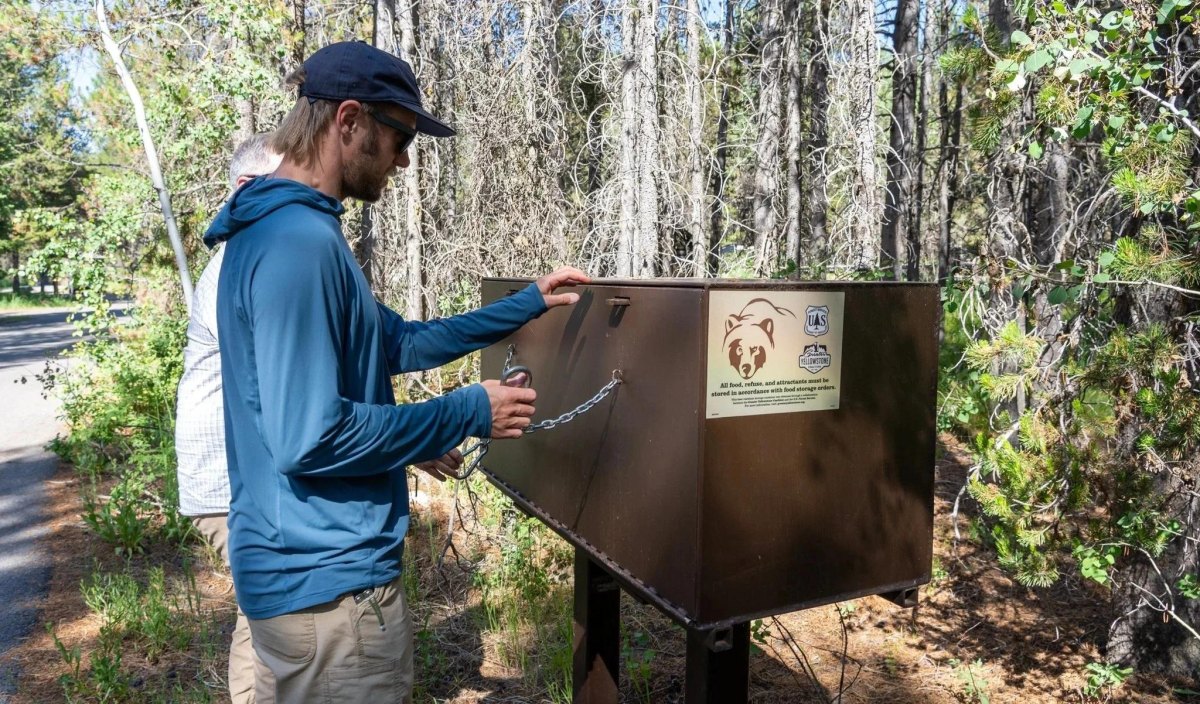
Wildlife encounters are exciting when handled respectfully. I store food properly and follow local guidance rather than assuming every location works the same way.
Good habits protect both campers and animals through safe food storage practices.
Fire Safety and Campfire Gear
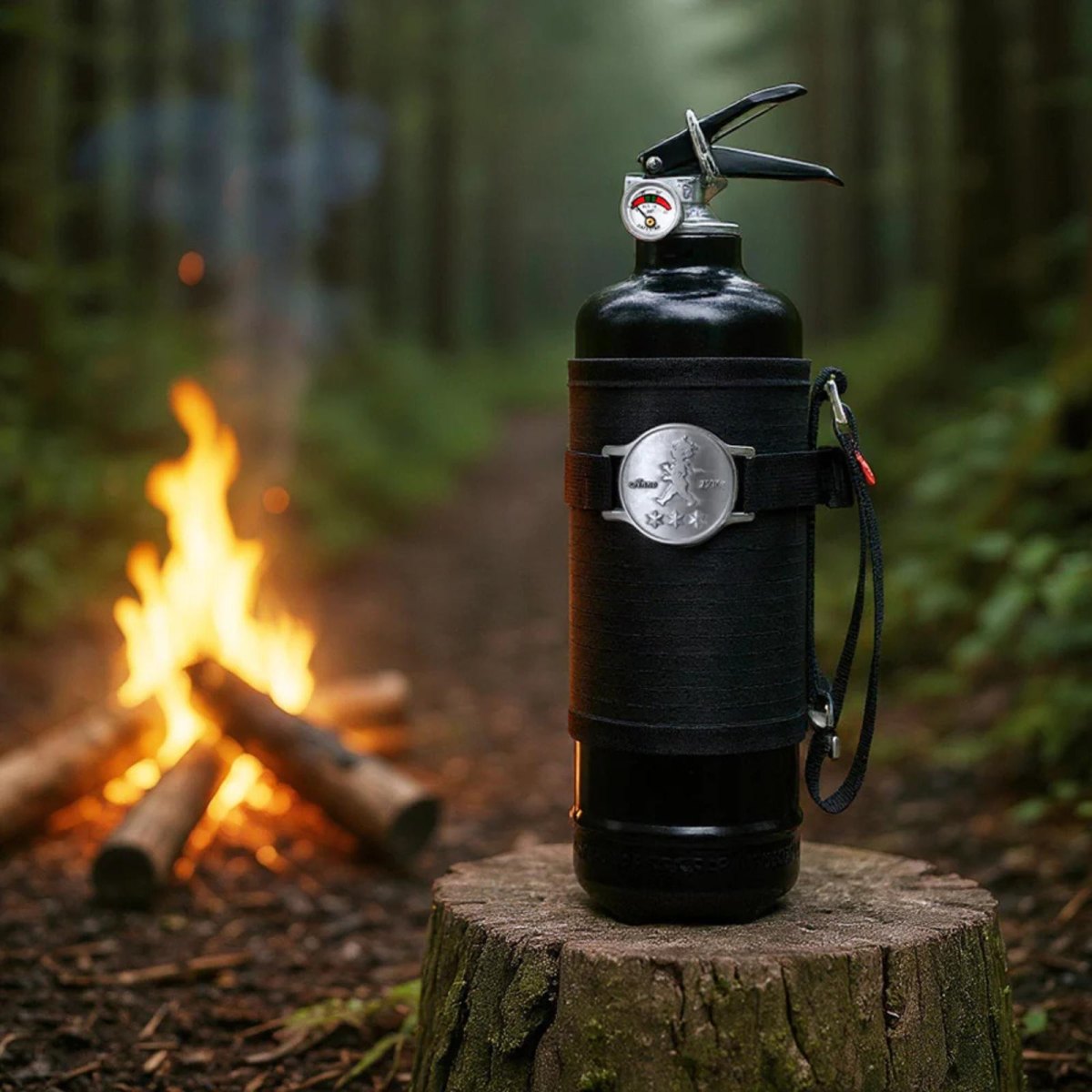
Campfires are wonderful, but they require attention. I check restrictions before traveling and never treat fire safety as optional.
A safe fire setup is part of responsible outdoor cooking, not just a comfort feature.
Security and Campsite Organization
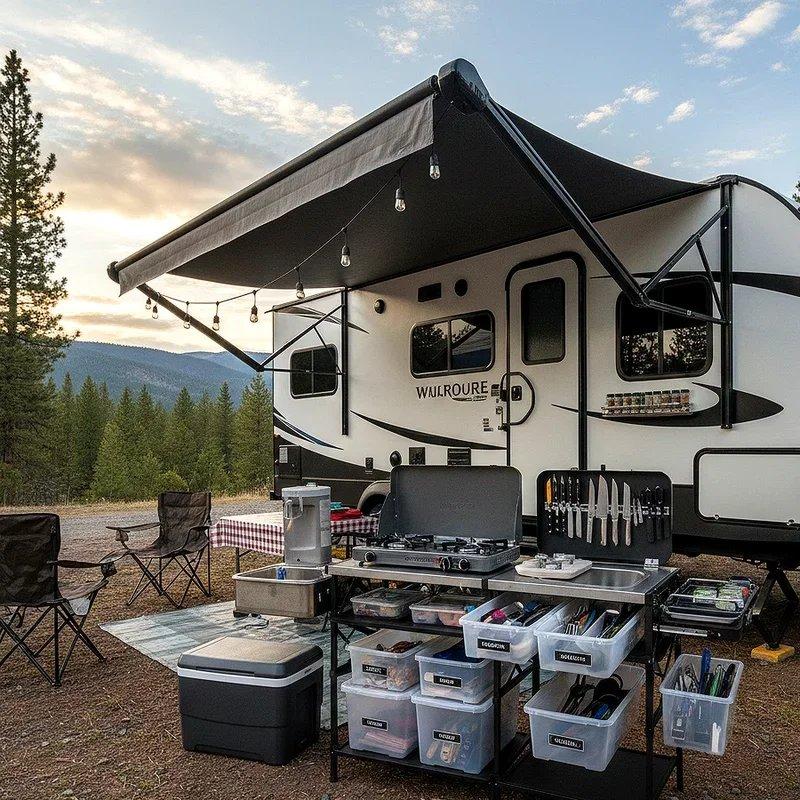
The final piece of my dry camping checklist is organization. I know where everything lives because searching through chaos wastes daylight and patience.
A tidy campsite improves peace of mind outdoors and makes packing up much faster when it is time to move.


More Pinterest Visuals