
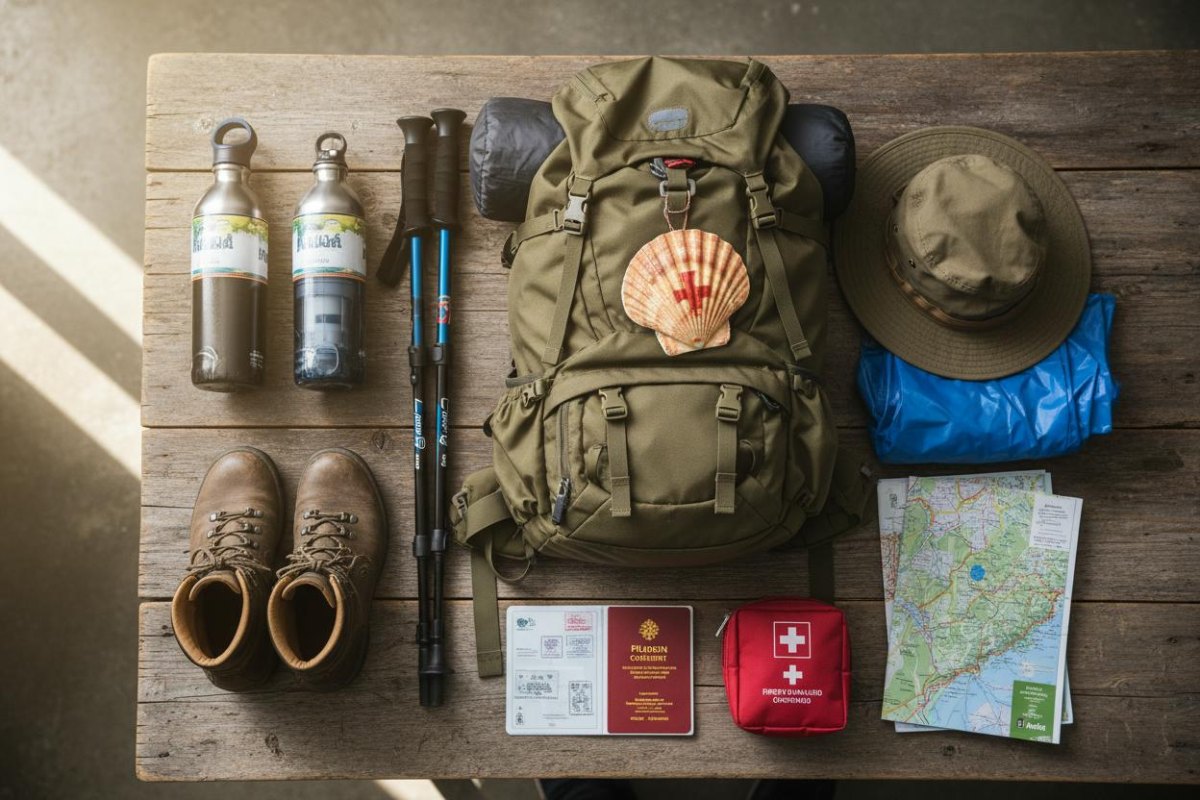
A good backpacking trip is usually decided before the first trail marker, somewhere between the packing shelf and the front door. I have learned that the happiest miles come from carrying the right essential gear, not the most gear. After years of packing systems, airline crew bags, and muddy trail experiments, this is the checklist I would actually use.
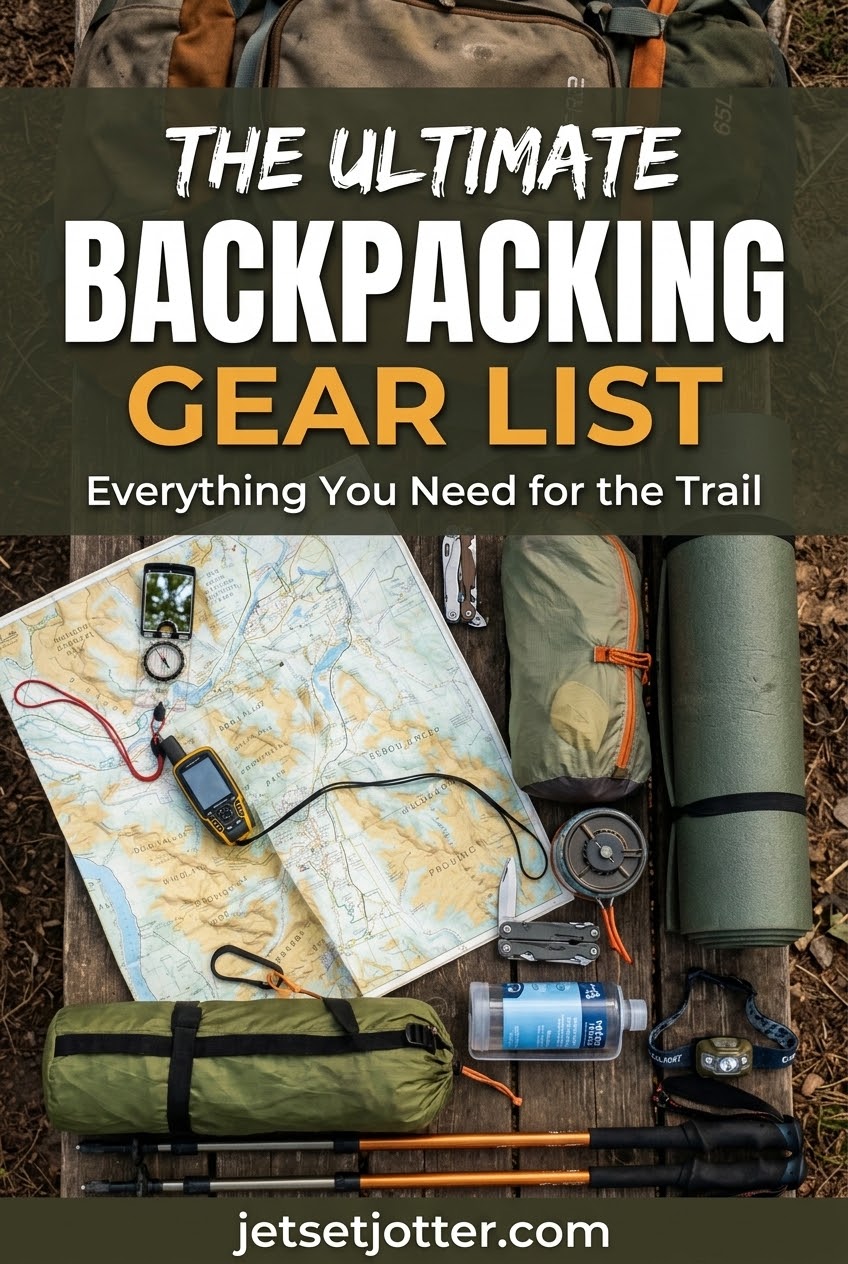
I built this list around the same categories I use when preparing for multi-day hikes: shelter, sleep, food, water, clothing, navigation, and the small items that prevent big headaches. Current backpacking checklists from outdoor experts also organize gear around these core systems rather than one giant pile of objects.
Backpacking Backpack
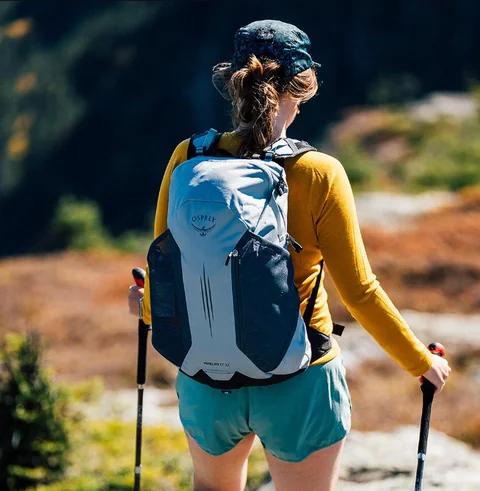
The backpack is your mobile home, and I treat choosing one like choosing a travel companion. A comfortable fit matters more than a fancy logo because a beautiful pack that rubs your shoulders is just an expensive annoyance. Pack fit comes first when I build a gear list.
For multi-day trips, I look for enough capacity for my shelter, sleep system, food, and water without leaving room for unnecessary extras. Most backpacking packs fall roughly in the 45 to 80 liter range depending on trip length and equipment.
Lightweight Shelter and Tent
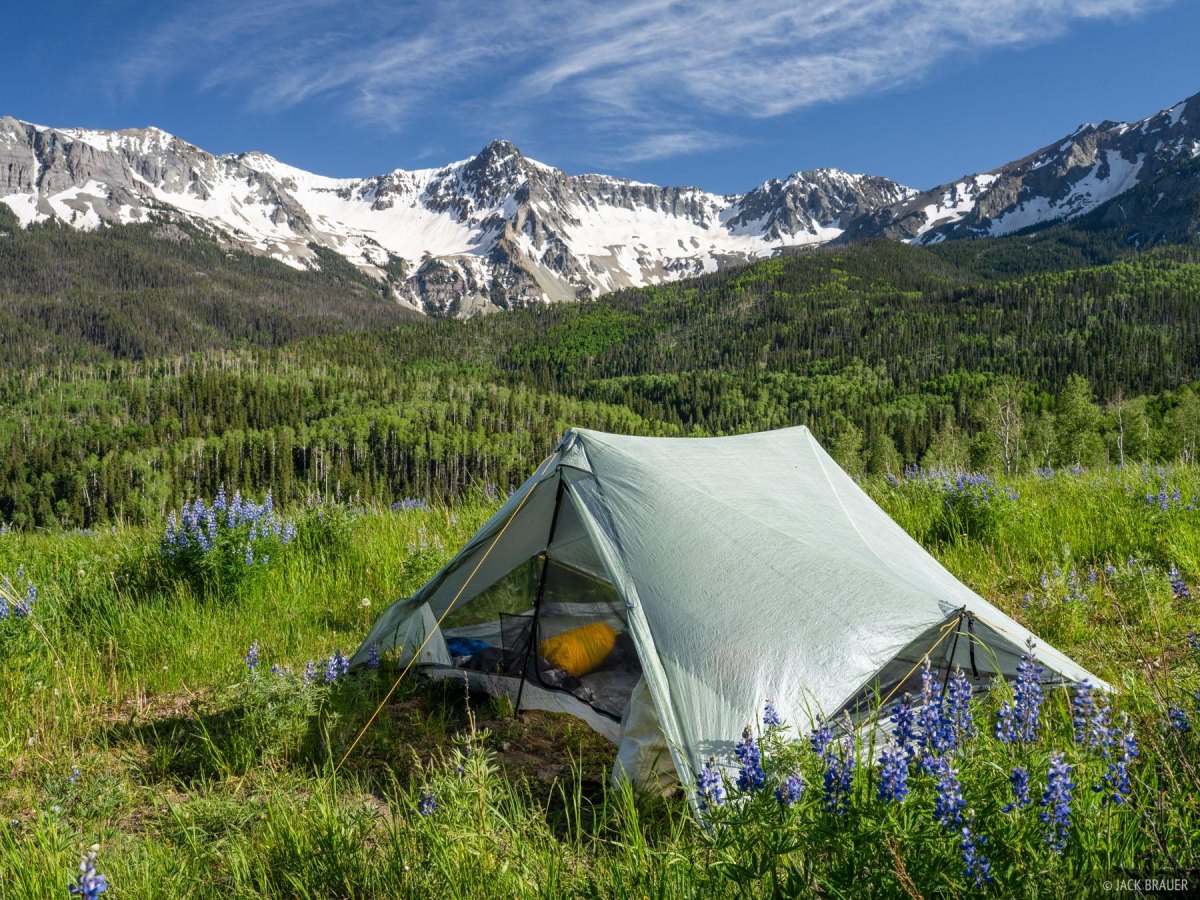
My tent is where I stop being a traveler and become a very tired caterpillar in a nylon cocoon. I prioritize weather protection, weight, and simple setup because nobody wants a complicated puzzle during a storm. A reliable shelter earns its place.
Tents are the most common backpacking shelter, but tarps and other lightweight options can work depending on conditions, experience, and comfort preferences.
Sleeping Bag
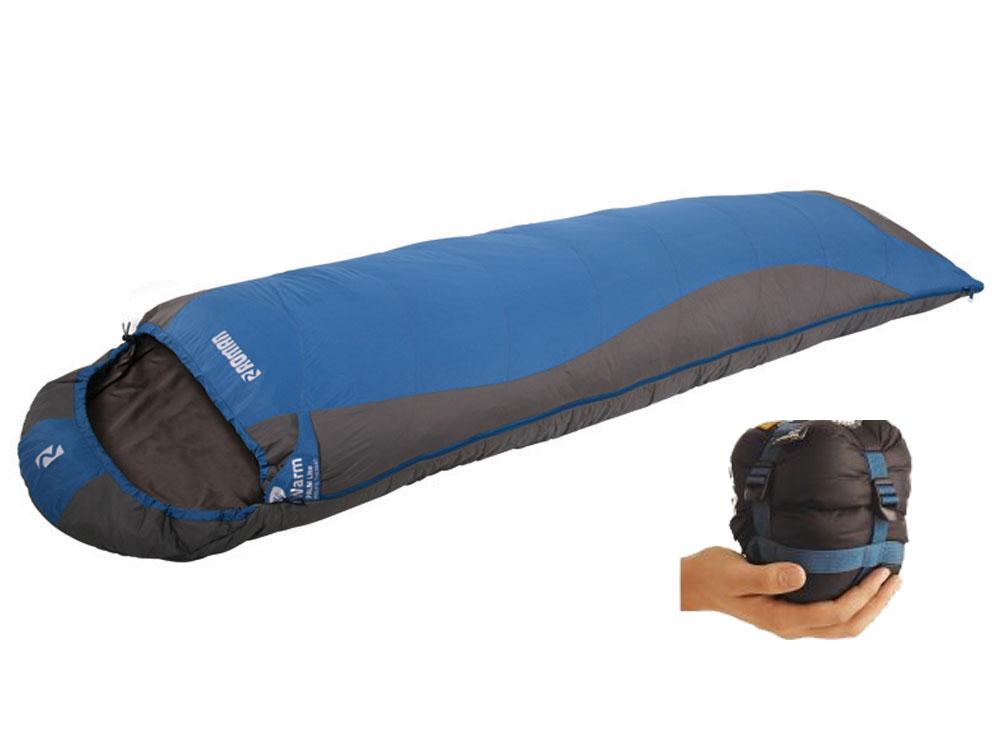
I have slept in enough questionable hotel beds during my flight attendant years to appreciate a good sleeping setup. On the trail, a sleeping bag is not luxury; it is recovery equipment. Warmth-to-weight ratio is the number I watch.
Down sleeping bags are often lighter and more compressible than synthetic options, although the best choice depends on climate and conditions.
Sleeping Pad
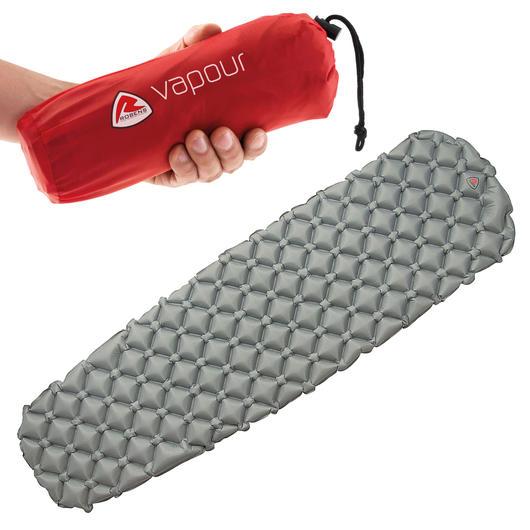
A sleeping bag keeps me warm, but a sleeping pad keeps me from feeling every pebble like it personally offended me. I never skip this piece because poor sleep changes the entire next day. Insulation underneath matters as much as warmth above.
Closed-cell foam pads are among the lightest options, while inflatable pads offer a different balance of comfort and packability.
Backpacking Stove and Cookware
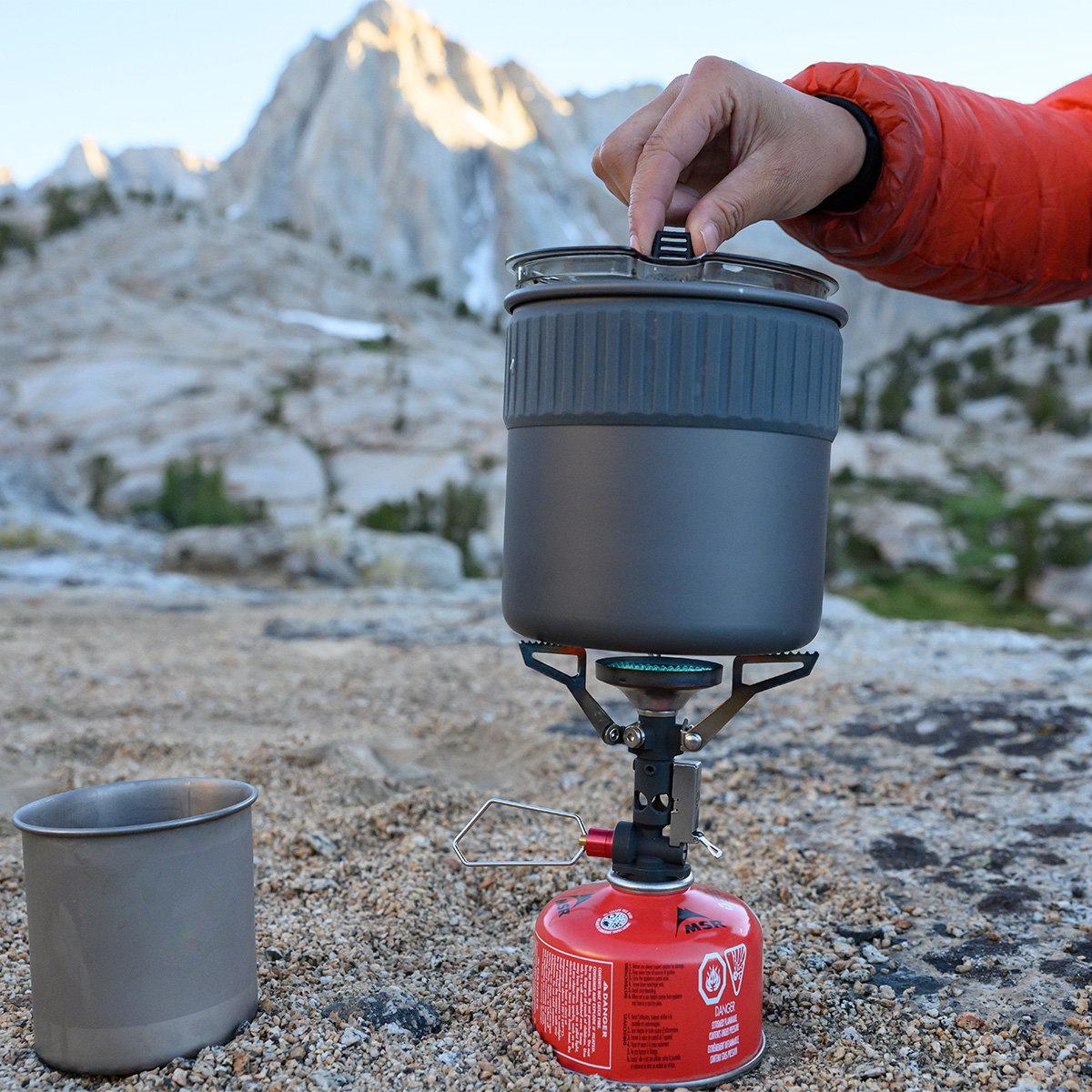
My morning coffee ritual survives almost every destination, and backpacking is no exception. A tiny stove turning cold air into breakfast feels like magic after a long hiking day. Simple cooking systems keep packs lighter.
I usually carry a compact stove, compatible fuel, a pot or mug, and a spork. Lightweight systems are designed around cooking only what you actually need.
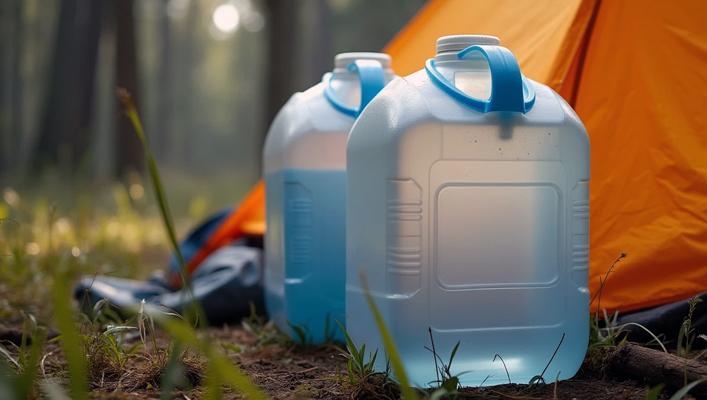
Water Filter and Hydration System
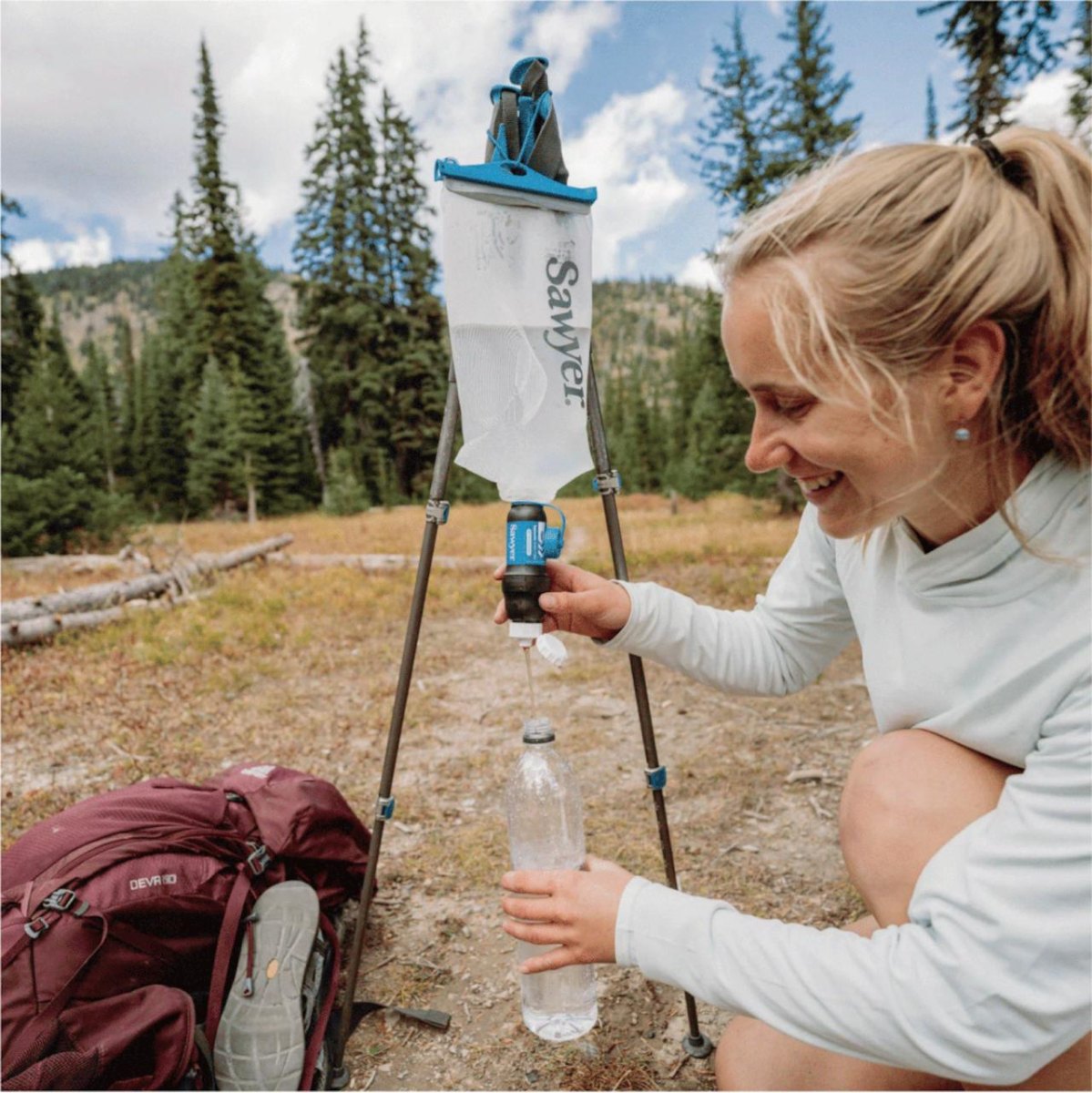
Water is the one item I plan carefully because running low changes a pleasant hike into a problem quickly. I like systems that are easy to refill when a stream appears. Reliable water treatment is non-negotiable.
Backpackers commonly use squeeze filters, straw filters, pumps, gravity systems, or purification tablets depending on weight and convenience needs.
Hiking Clothing Layers
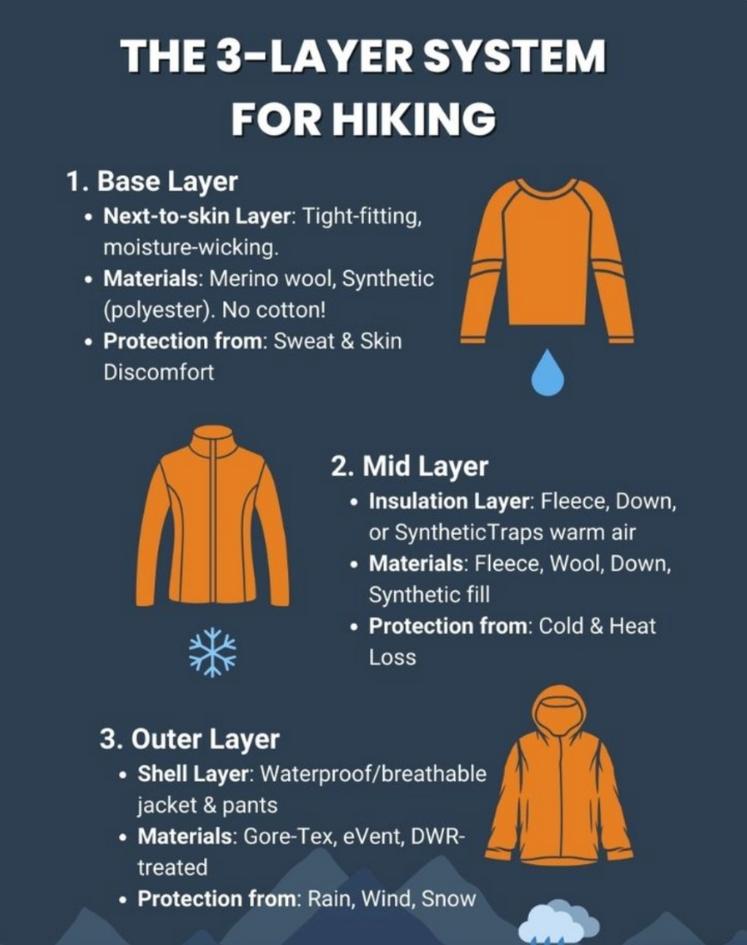
I pack clothing like I pack for flights: layers that work together. One bulky jacket rarely beats several adaptable pieces. Layering creates flexibility when weather changes.
My usual system includes moisture-wicking basics, an insulating layer, trail clothing, and a dedicated dry camp layer. Clothing choices should match weather, terrain, and trip length.
Rain Jacket and Weather Protection
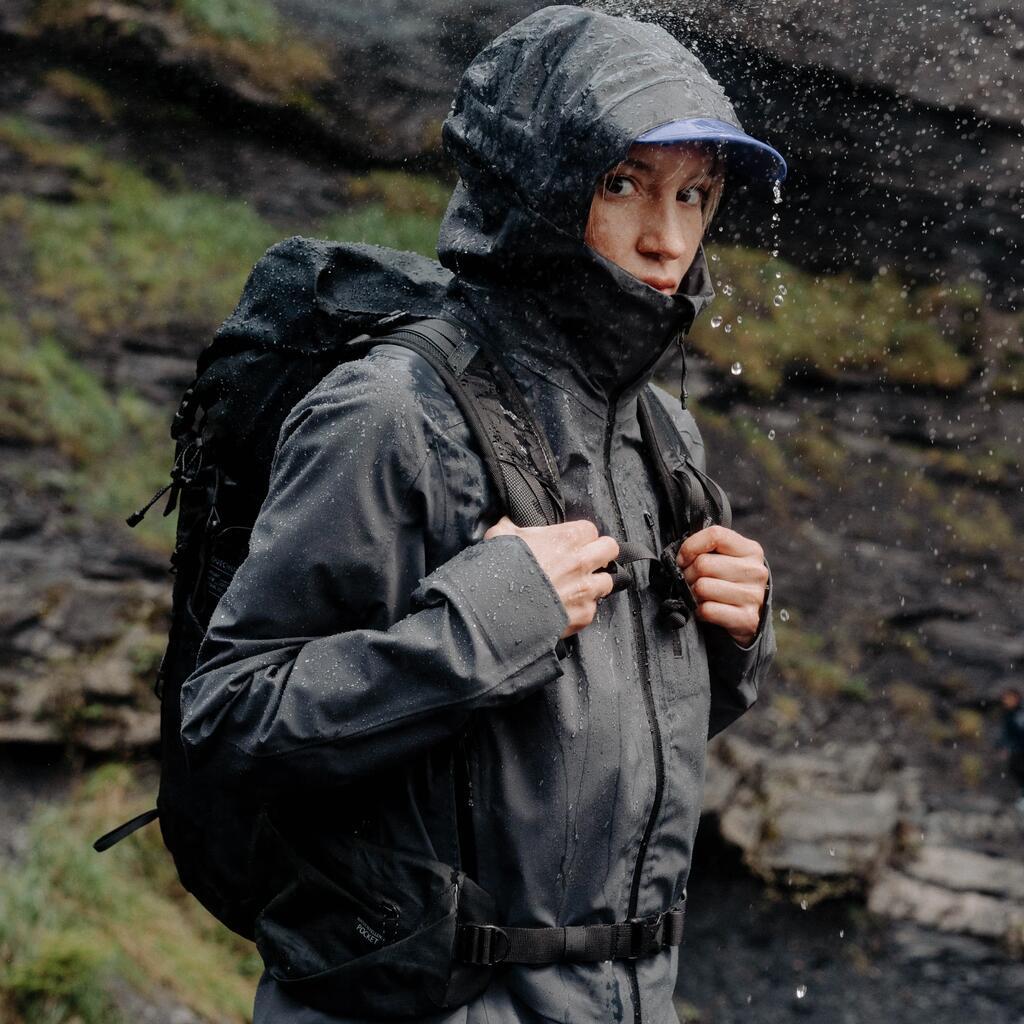
Rain has a talent for arriving exactly when you decide you do not need a jacket. I have learned this lesson in airports and on trails. Weather protection saves comfort and sometimes safety.
A waterproof shell, rain pants when needed, and dry storage bags help protect both the person and the equipment inside the pack.
Hiking Boots and Trail Shoes
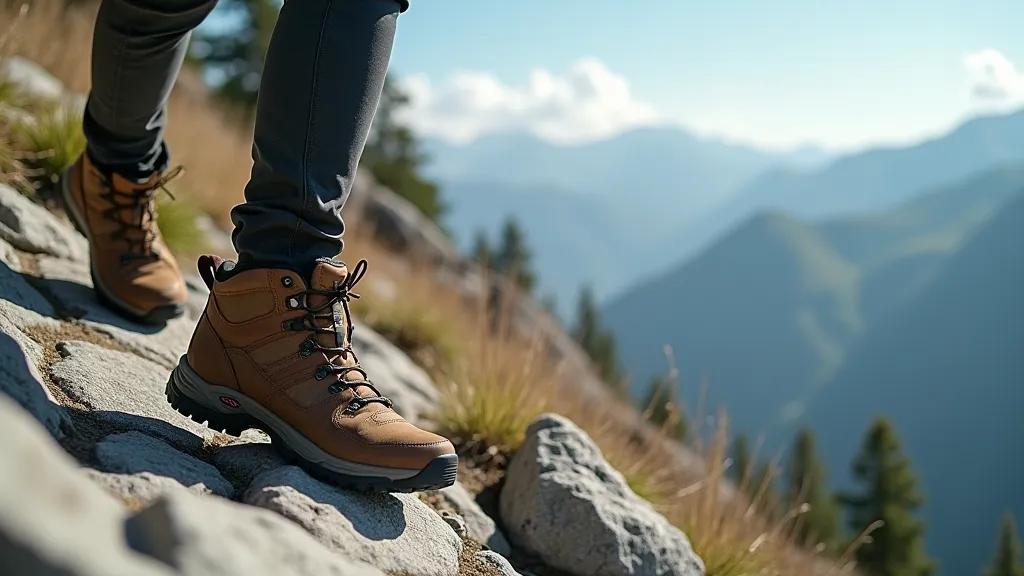
The best footwear is the pair that disappears from your thoughts while you walk. Blisters are terrible travel companions, whether you are crossing a continent or a valley. Comfortable trail footwear beats fashion every time.
I choose shoes based on terrain, distance, weather, and personal fit rather than copying another hiker’s setup.
Trekking Poles
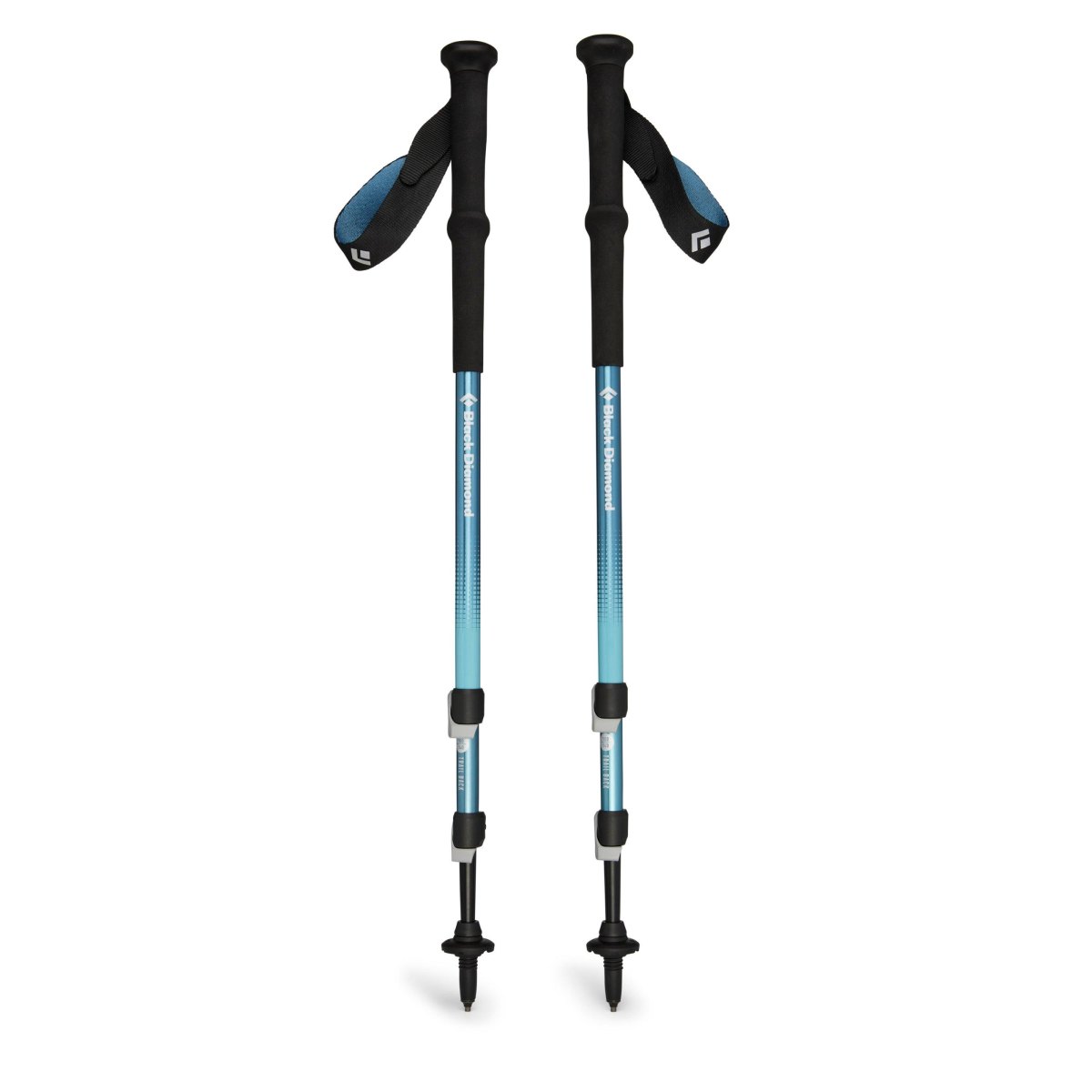
I used to think trekking poles looked unnecessary until a steep downhill convinced my knees otherwise. They are not glamorous, but neither are sore joints. Poles add stability on uneven ground.
Adjustable poles can be useful for changing terrain, while fixed poles may save weight for hikers focused on simplicity.
Headlamp and Lighting Gear
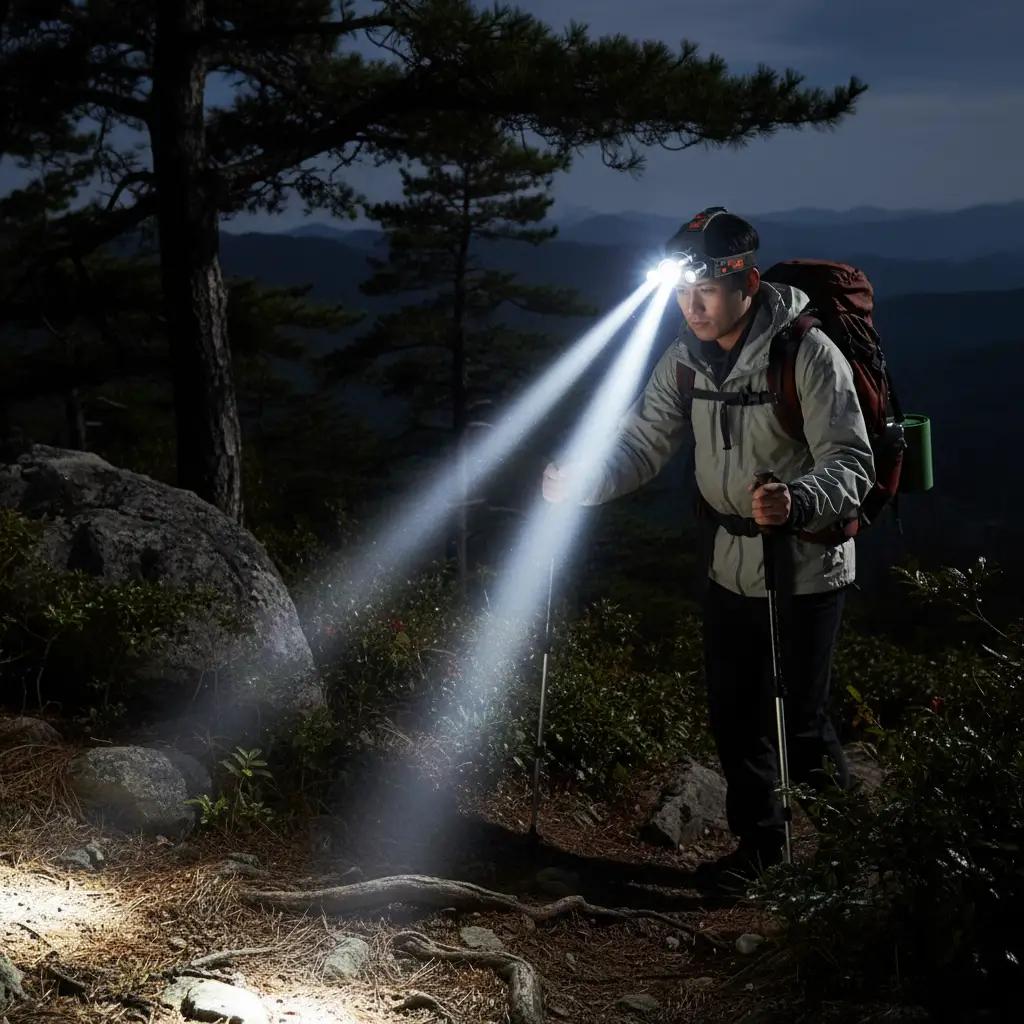
A headlamp is one of those tiny items that becomes enormous when you need it. I have enough experience with delayed flights to know that darkness always arrives before plans cooperate. Hands-free lighting is essential.
I pack the headlamp, spare batteries if required, and sometimes a small backup light for longer trips.
Navigation Tools and Maps
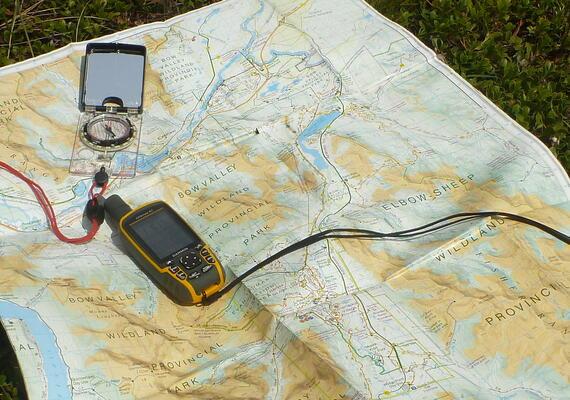
My notebooks taught me to record details, and trails taught me never to rely only on memory. A route that looks obvious at breakfast can become confusing after weather rolls in. Navigation skills matter even with modern devices.
I carry maps and a compass, with digital tools as helpful backups rather than replacements. Traditional navigation remains part of many essential gear systems.
First Aid Kit
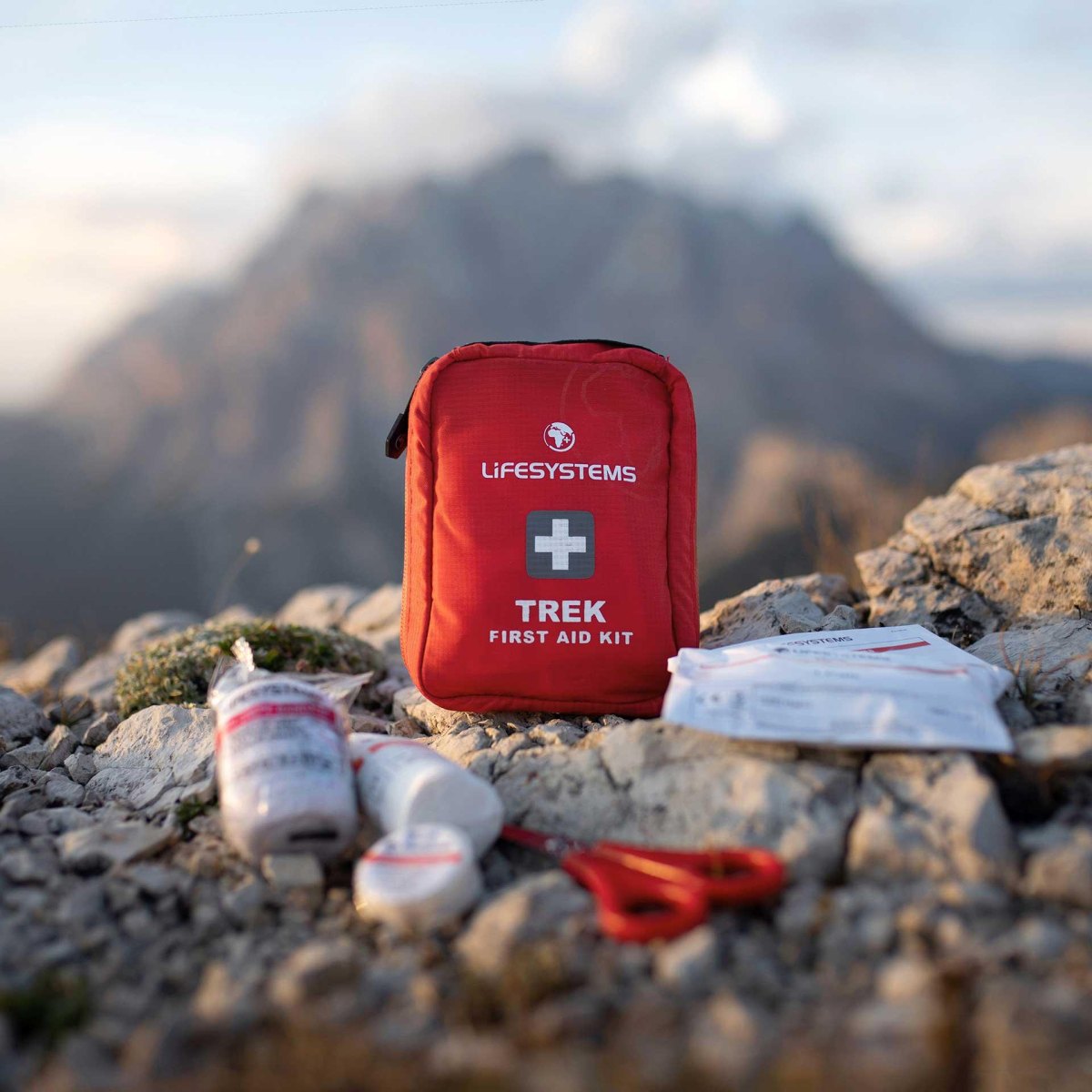
My flight training made one thing very clear: small problems handled early stay small. A compact first aid kit is not about expecting disaster; it is about solving ordinary trail problems. Preparedness reduces stress.
I keep mine lightweight with supplies for blisters, minor cuts, and common personal needs, then adjust it for each trip.
Emergency and Repair Kit
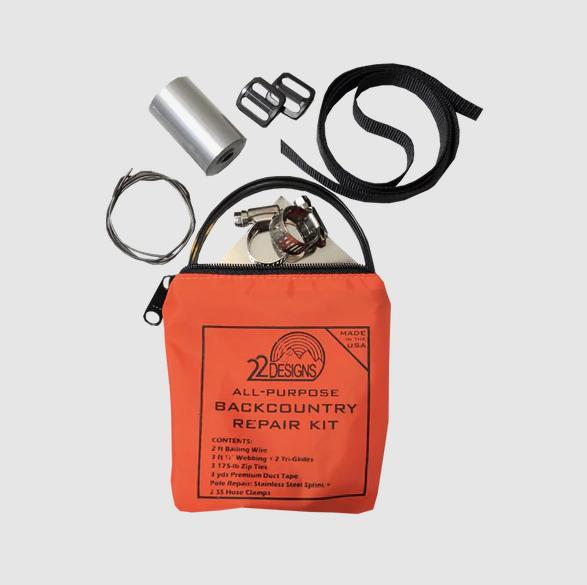
Gear eventually fails. Zippers break, straps loosen, and inflatable pads develop mysterious personalities. My repair kit is my trail insurance. Small fixes prevent big disruptions.
I usually include repair tape, cord, a multitool, and items specific to my shelter and sleep system.
Food Storage and Backpacking Meals
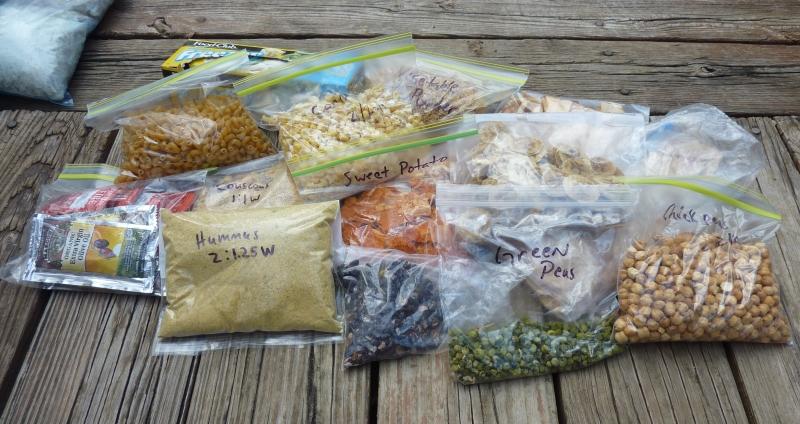
Trail food has improved dramatically since my earliest experiments with sad snack bags. I now aim for meals that are light, practical, and actually enjoyable. Calories need a purpose when every ounce rides on your back.
Many backpackers use dehydrated meals and simple cooking systems to reduce weight, while food storage methods must follow local wildlife rules.
Sun Protection Gear
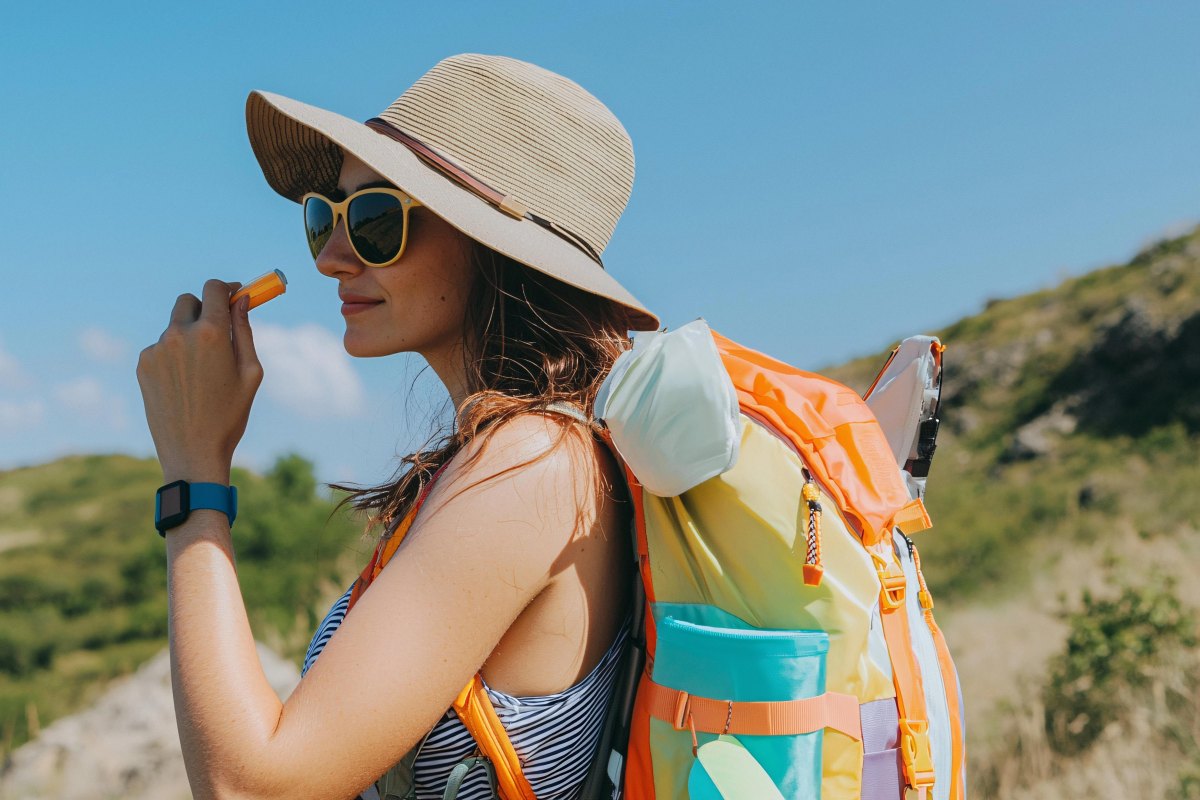
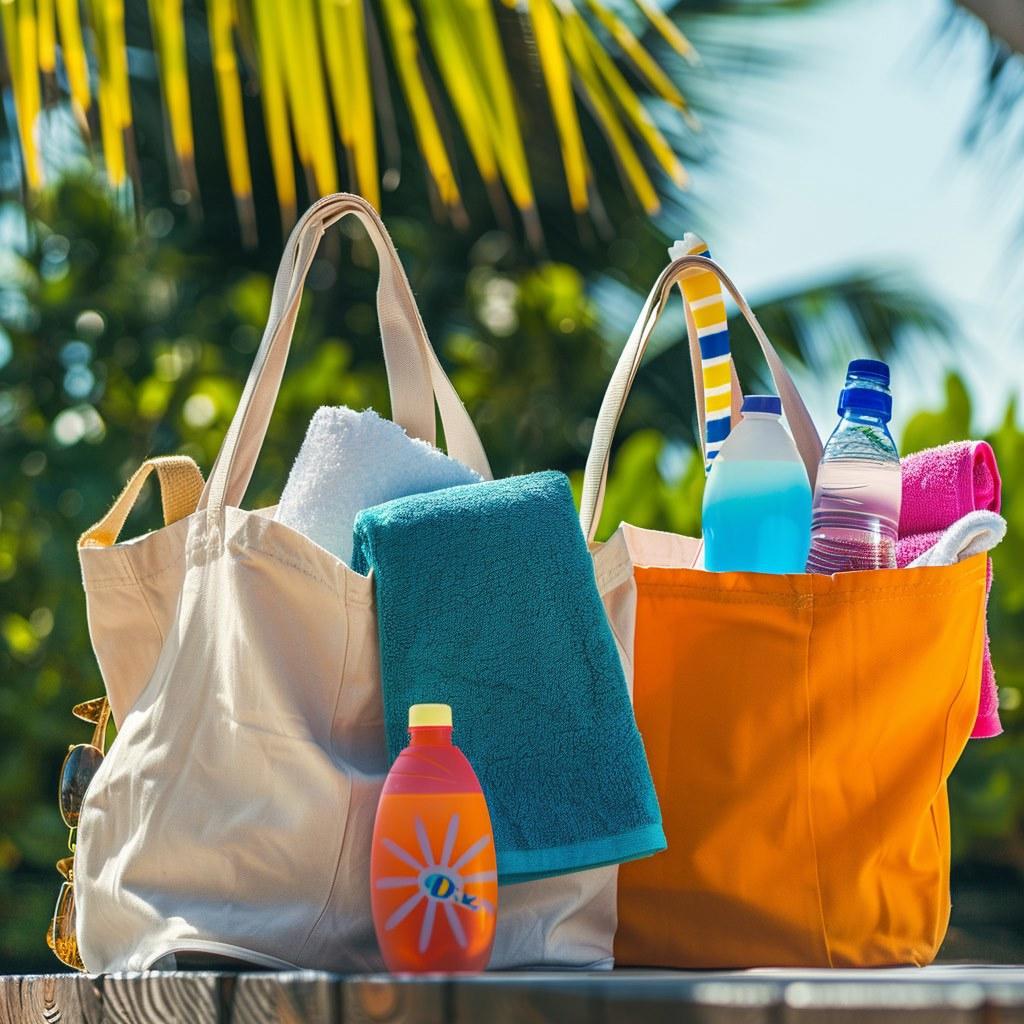
Sun protection is easy to ignore on a cool morning and impossible to ignore by afternoon. I treat sunscreen and sunglasses like trail essentials, not optional extras. Daily protection matters.
My kit usually includes sunglasses, sunscreen, a hat, and lightweight clothing that covers exposed skin when needed.
Camp Hygiene Supplies
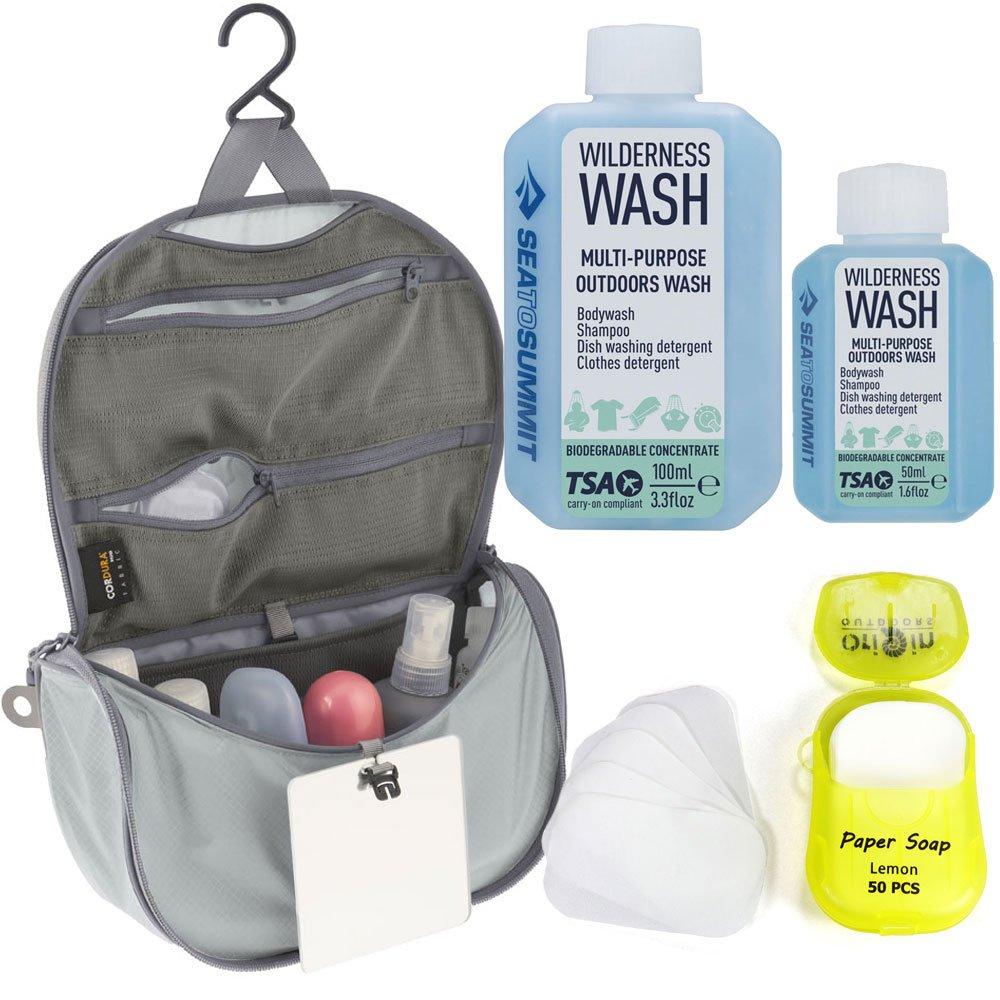
A little organization makes camp life much more pleasant. I do not need a bathroom cabinet in the wilderness, but I do appreciate feeling human after a long hiking day. Minimal hygiene works.
I pack compact toiletries, biodegradable soap when appropriate, a small towel, and waste supplies while following local rules.
Electronics and Power Banks
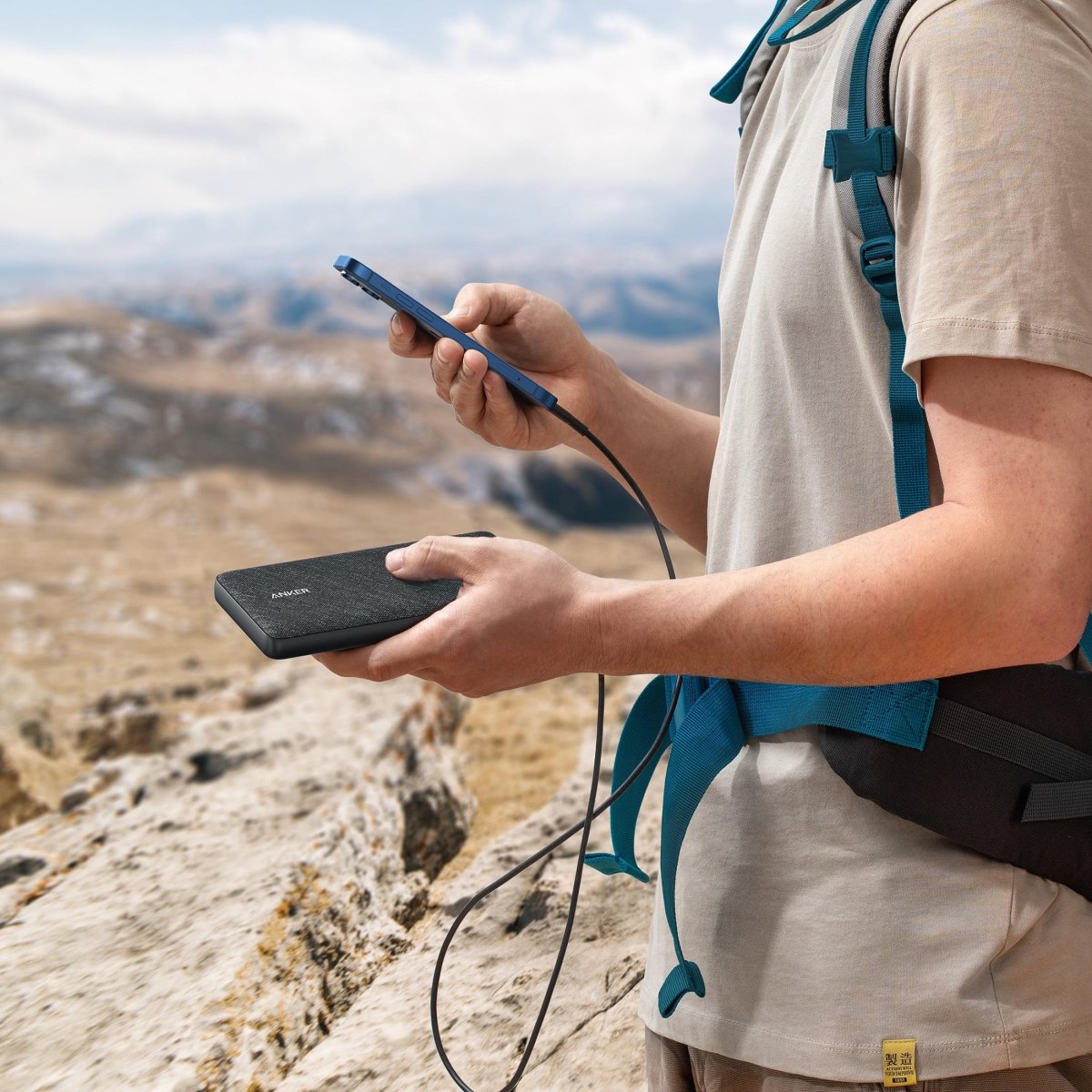
I love disconnecting outdoors, but I still carry a few practical electronics. My camera and notebook compete for attention, and the notebook usually wins. Power should be intentional.
A small power bank, charging cables, and only essential devices keep technology useful without turning the trail into an office.
Bear Safety and Wildlife Gear
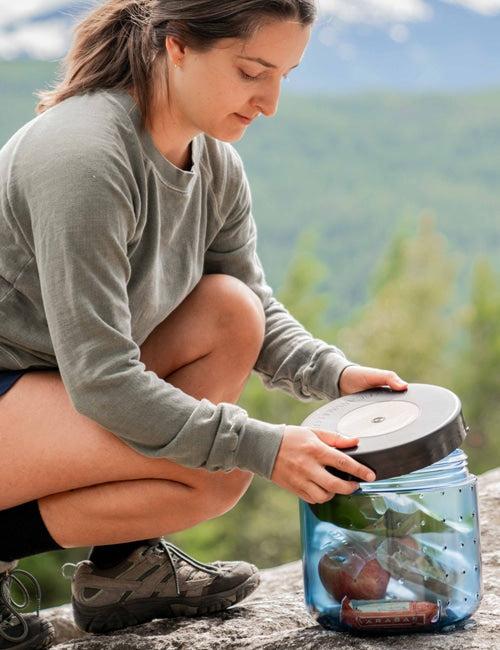
Wildlife safety is about respect, not fear. Animals belong there; I am the visitor carrying snacks that smell suspiciously interesting. Smart food storage protects both hikers and wildlife.
Some areas require bear-resistant containers or specific storage methods, so I always check local regulations before leaving.
Backpacking Accessories and Small Essentials
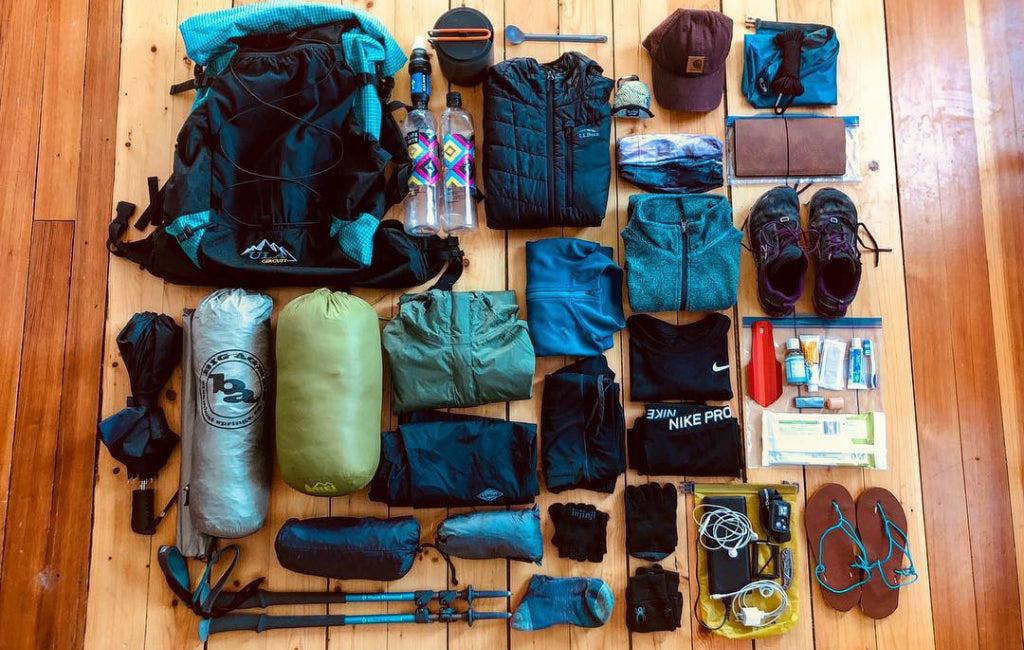
The final pocket is where the tiny heroes live: repair items, snacks, permits, notebooks, and the things I am grateful for at exactly the wrong moment. Small essentials count.
I review this category before every trip because conditions change, and a smart packing list is never truly finished.
More Pinterest Visuals