
Pulling into a campground is the moment the road trip becomes home, but the first few minutes can feel like a cockpit checklist. I have learned to slow down, follow my notes, and handle the RV setup order the same way every time.
After years of travel planning, I know the little details matter. A crooked rig, forgotten chocks, or a rushed hookup can turn a relaxing evening into a repair job, so I use a simple routine from arrival to camp chair.
Choose and Prepare Your Campsite Location
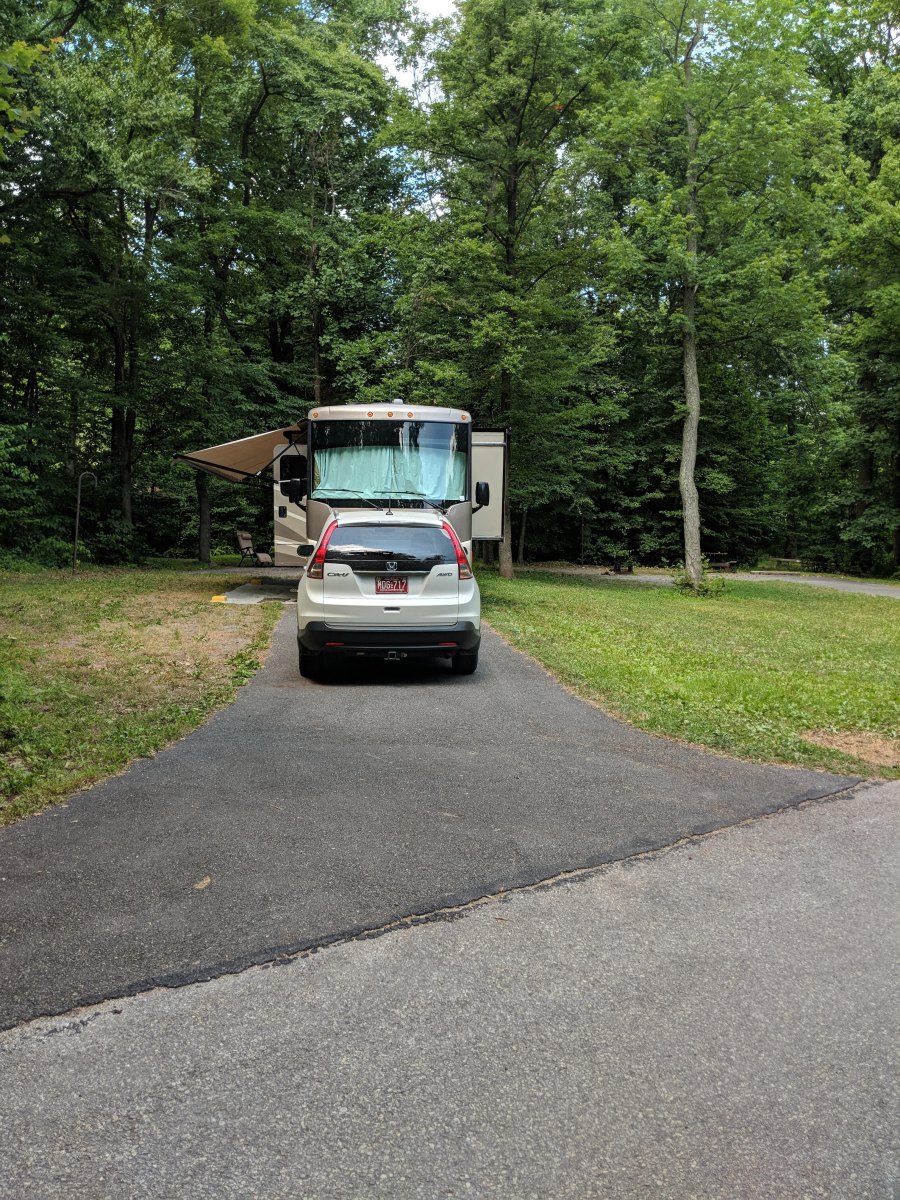
My arrival priorities
- Inspect the site before committing to the parking position.
- Check access to hookups, slide-outs, and outdoor space.
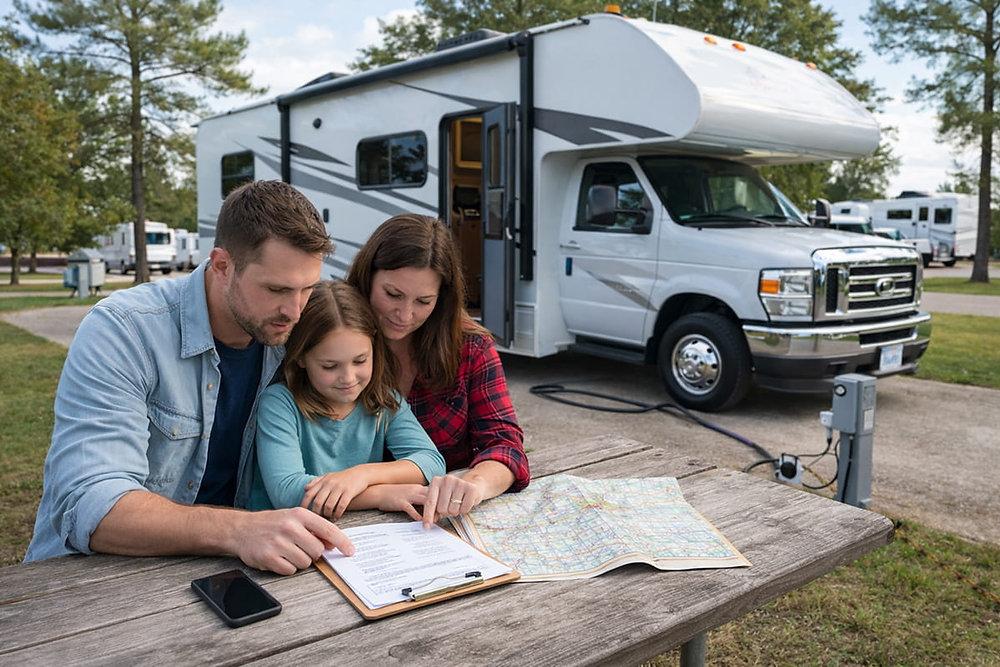
I always walk the campsite first because a two-minute inspection prevents a surprising amount of frustration. I look for clear parking space, low branches, uneven ground, and the location of utility connections.
My old flight attendant habit of checking exits before takeoff has translated perfectly to RV travel. Before I put the wheels down, I know where everything needs to go and how I will leave later.
Small tip
Positioning the RV correctly at the beginning makes every later step easier.
Level and Stabilize the RV
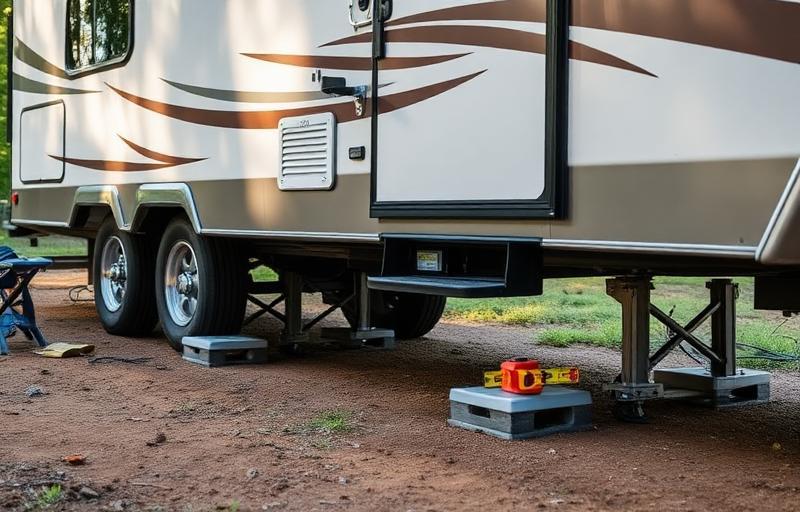
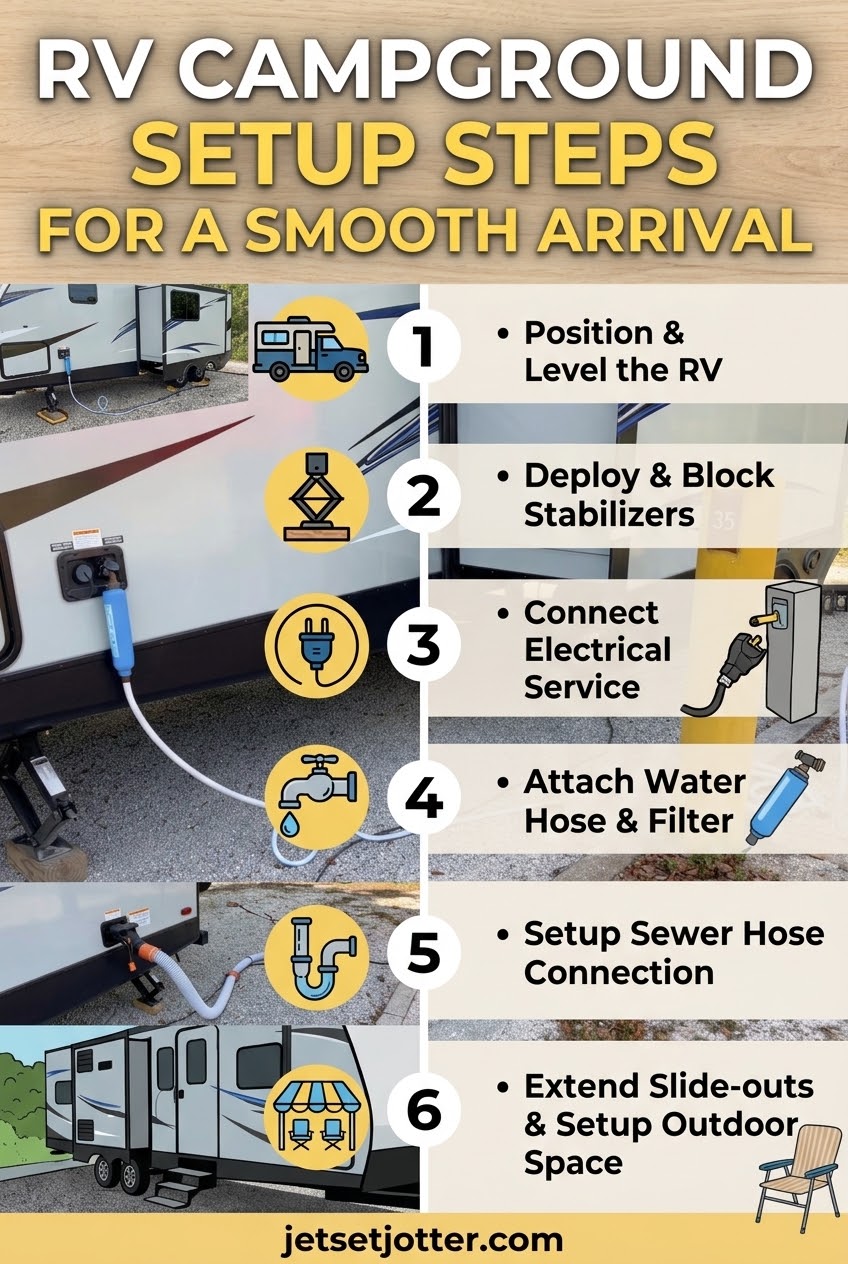
- Position. Park on the best available surface and align the RV with the site.
- Level. Use leveling blocks or the RV leveling system.
- Stabilize. Secure wheels and deploy stabilizers correctly.
A level RV is not just about comfort, although I appreciate a cabinet door that stays put. It also helps my daily RV routines work properly, from sleeping to cooking.
I keep my leveling gear in one storage bin because hunting for blocks after a long drive is exactly the kind of tiny travel drama I prefer to avoid.
Connect Electrical Hookups Safely
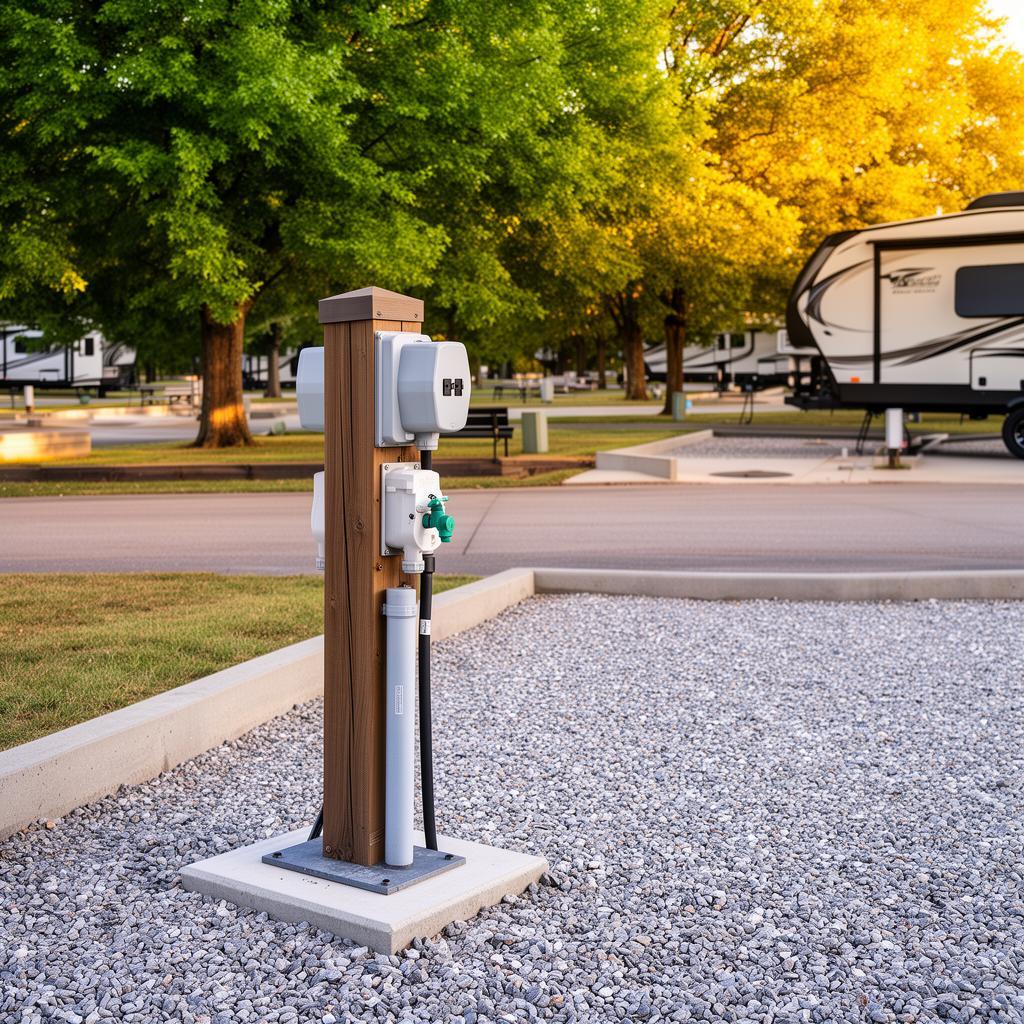
Electricity is where I slow down the most. I check the campground pedestal before connecting and make sure my equipment matches the site power. My notebook always reminds me: power connections first require patience.
I treat shore power like airport ground equipment: boring when done correctly and memorable when rushed.
Attach Fresh Water and Sewer Connections
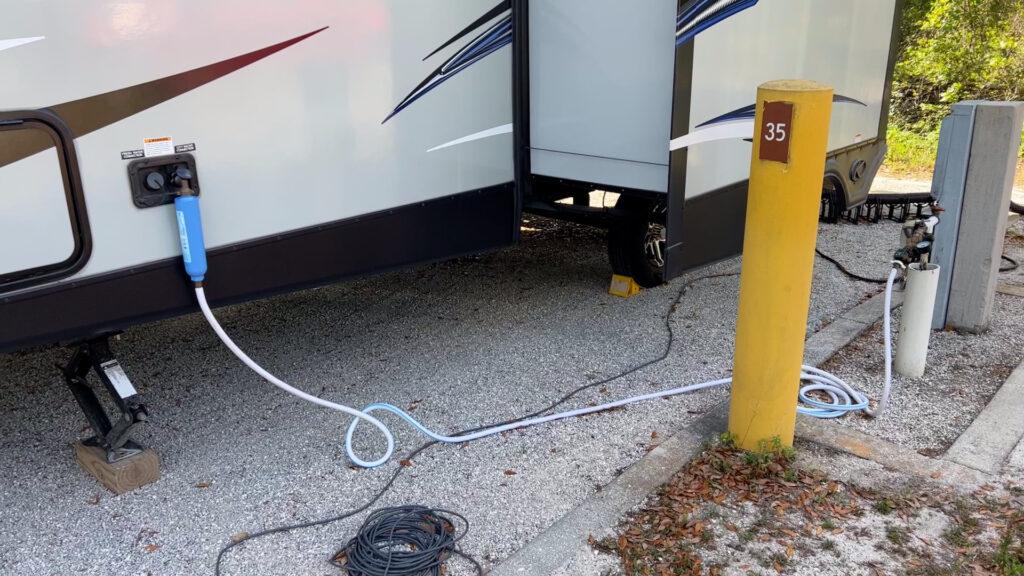
| Connection | My setup reminder |
|---|---|
| Fresh water | Use RV-safe equipment and check for leaks. |
| Sewer | Secure the hose and keep connections clean. |
Water and sewer are the parts new RV travelers usually worry about most. I keep them simple by following the same hookup sequence every campground visit.
Gloves, organized storage, and a calm approach make these jobs much less intimidating. Nobody becomes an expert because they love sewer hoses; they become an expert because they practice.
Avoid this mistake
Do not rush utility connections just because other campers are nearby. Your campsite is your process.
Set Up Outdoor Living Space
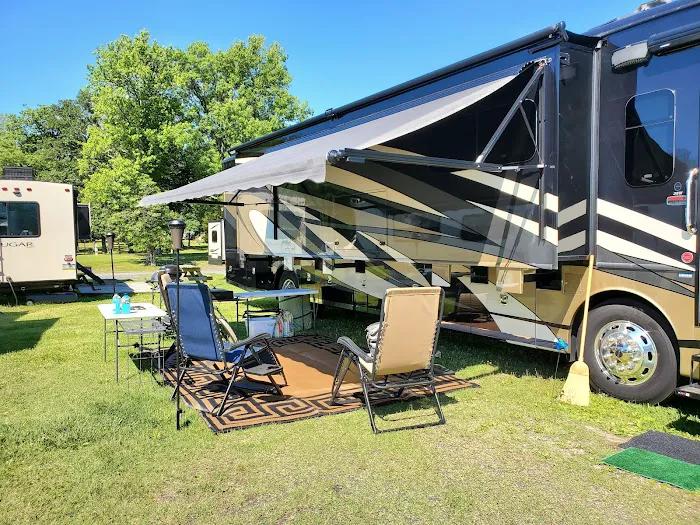
This is my favorite stage because the campsite finally starts feeling like a destination. I put out the chair, mat, and small comforts that turn a parking spot into my outdoor living room.
What I love adding
- Comfortable camp chairs
- A simple outdoor mat
What I skip
- Too much gear
- Items that take longer to pack away
After years of carrying only what I use, I have learned that the best campsite setup is comfortable but not complicated.
Arrange Interior RV Systems and Supplies
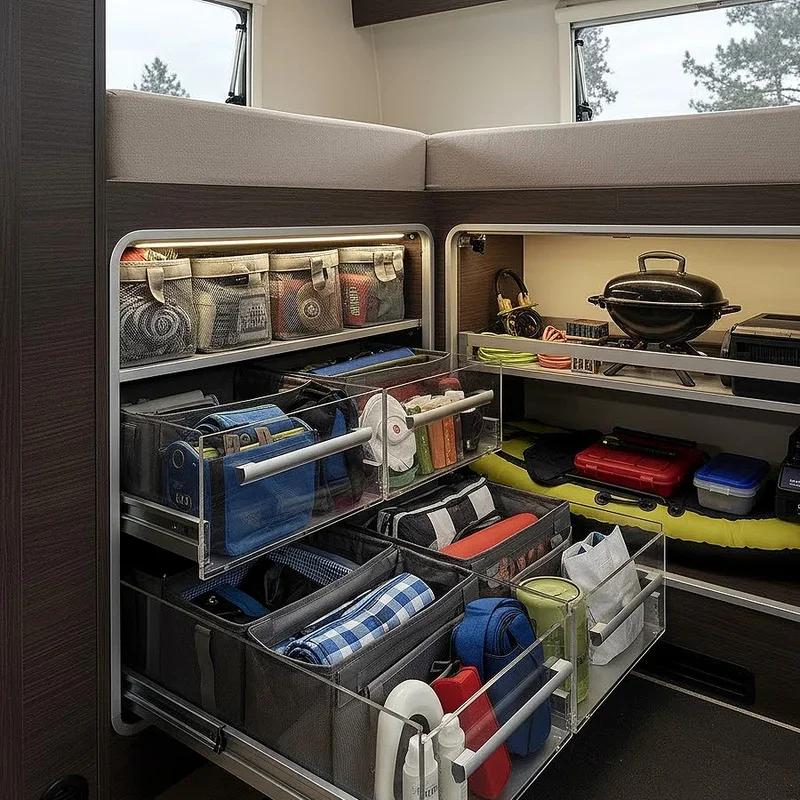
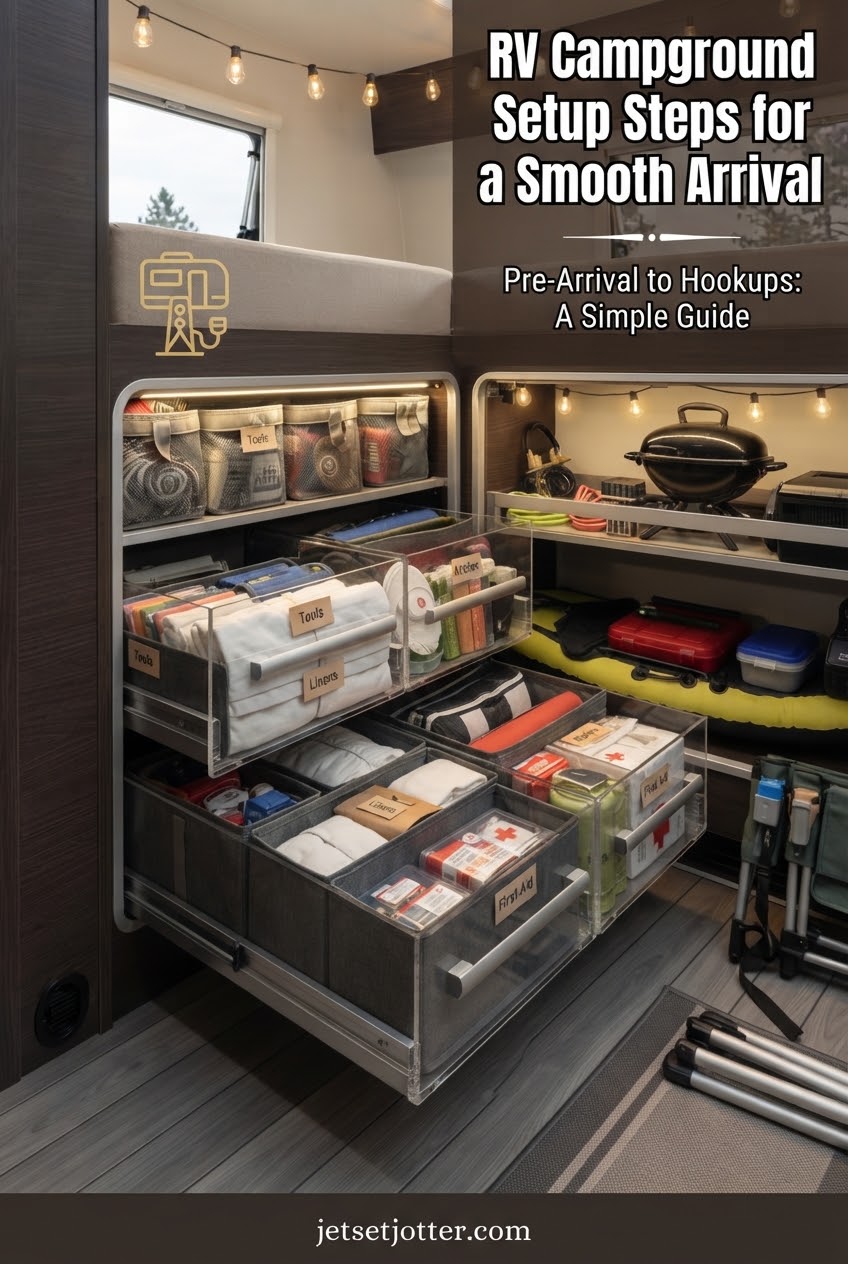
Once the outside is stable, I move indoors and reset the small systems that make the RV feel like home. My travel notebooks taught me that organized storage saves time every single day.
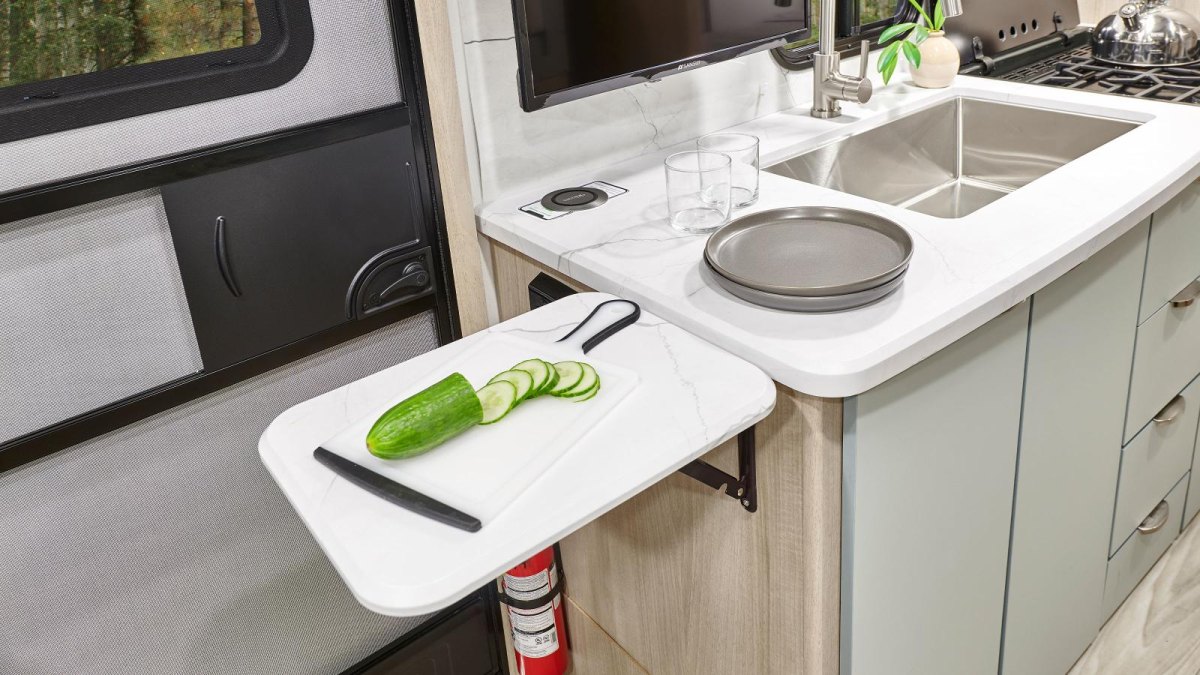
- Kitchen: Secure dishes and cooking items before moving around.
- Sleeping area: Prepare bedding and personal items.
- Controls: Check interior systems before settling in.
I avoid unpacking everything at once. The RV is not a hotel room; it is a tiny moving house, and tiny houses reward calm organization.
Check Safety Equipment and Campground Rules
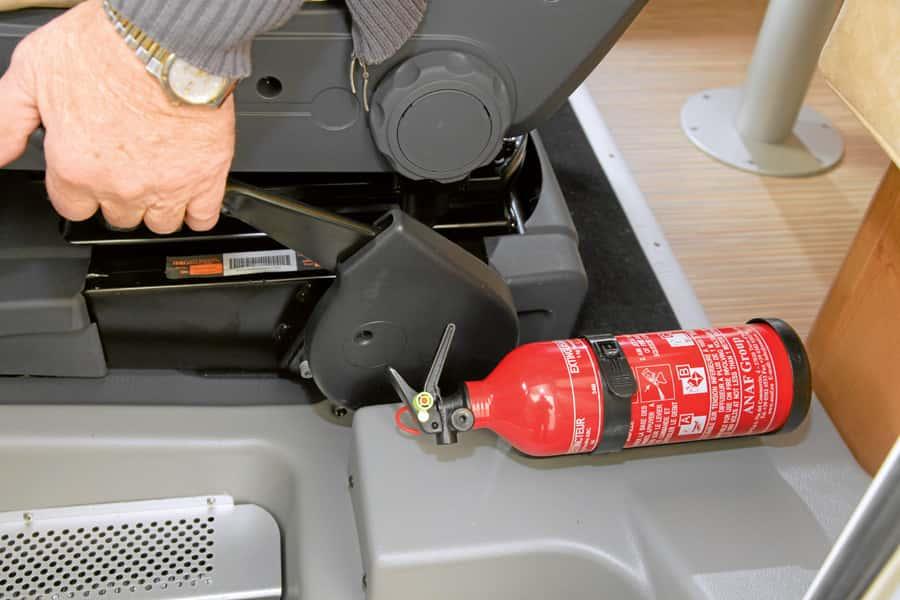
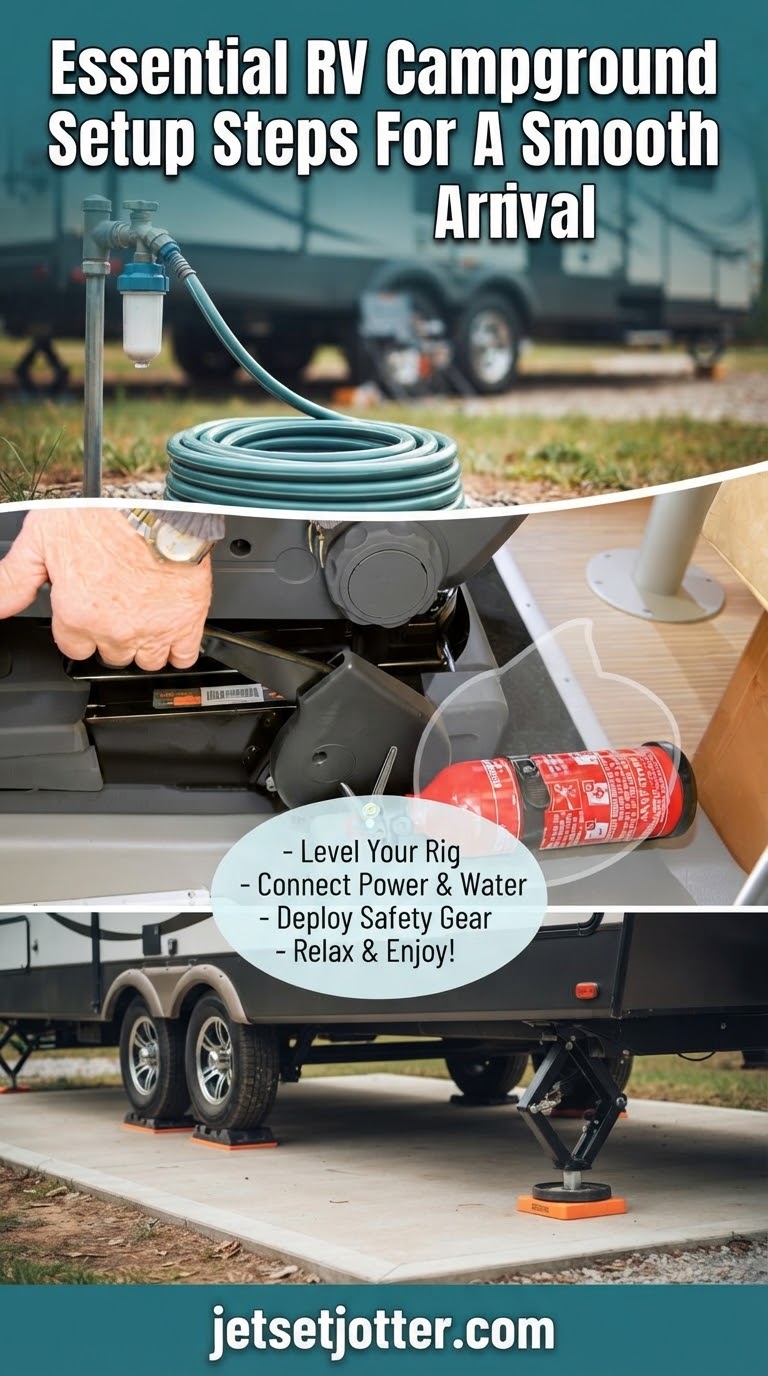
My aviation background made safety checks second nature. I never assume something is fine because it was fine yesterday. A quick review of RV safety basics takes little time and gives me peace of mind.
I also remember that every campground has its own rhythm. Quiet hours, fire rules, and local guidelines are part of being a good neighbor.
Complete Final Campsite Walkaround
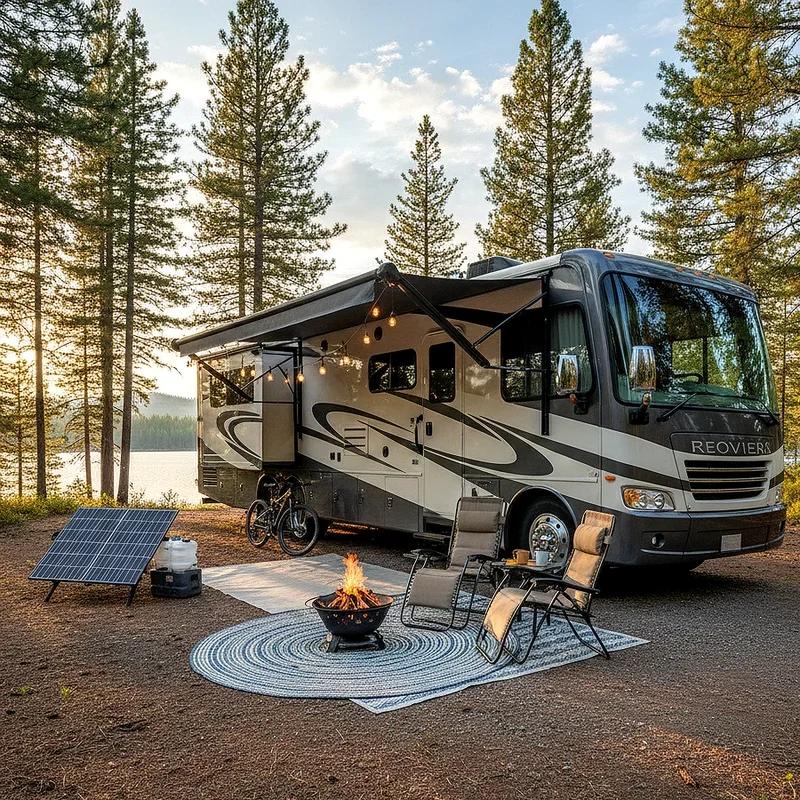
Before I finally sit down with coffee, I do one last lap around the RV. This is my travel version of checking a hotel room before leaving the key card behind: a final campsite scan catches forgotten details.
My five-minute habit
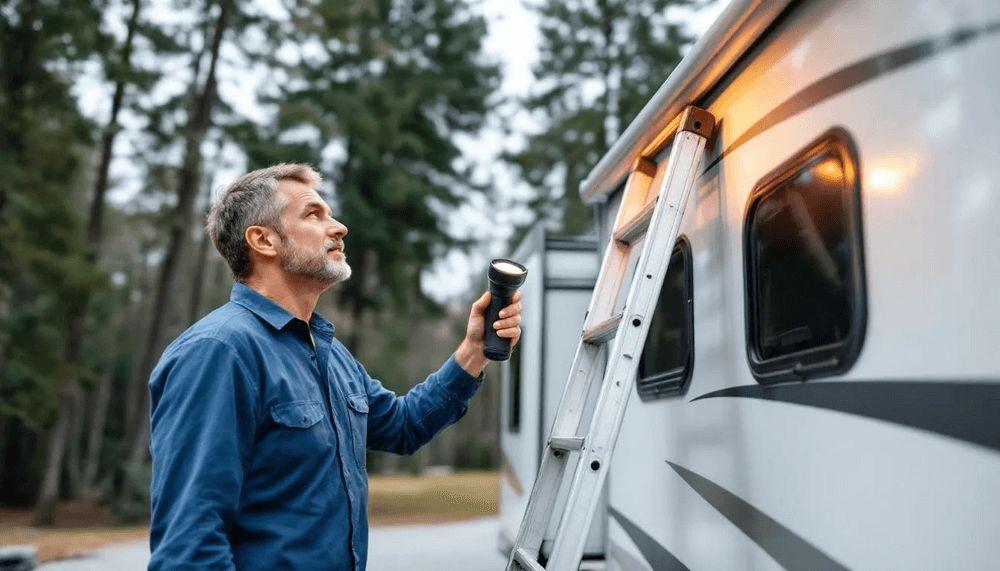
I check connections, doors, steps, storage compartments, and anything that could become a problem later.
That final walkaround has saved me from leaving equipment behind more than once. The best RV setup is not the fastest one; it is the one that lets me relax once the camp chair comes out.
More Pinterest Visuals