
A truly ultralight backpacking kit is not about owning less gear; it is about making every item earn its place. This collection explores twenty practical systems and choices that help hikers reduce weight while keeping comfort, safety, and adaptability on the trail.
Lightweight Backpack and Carry System
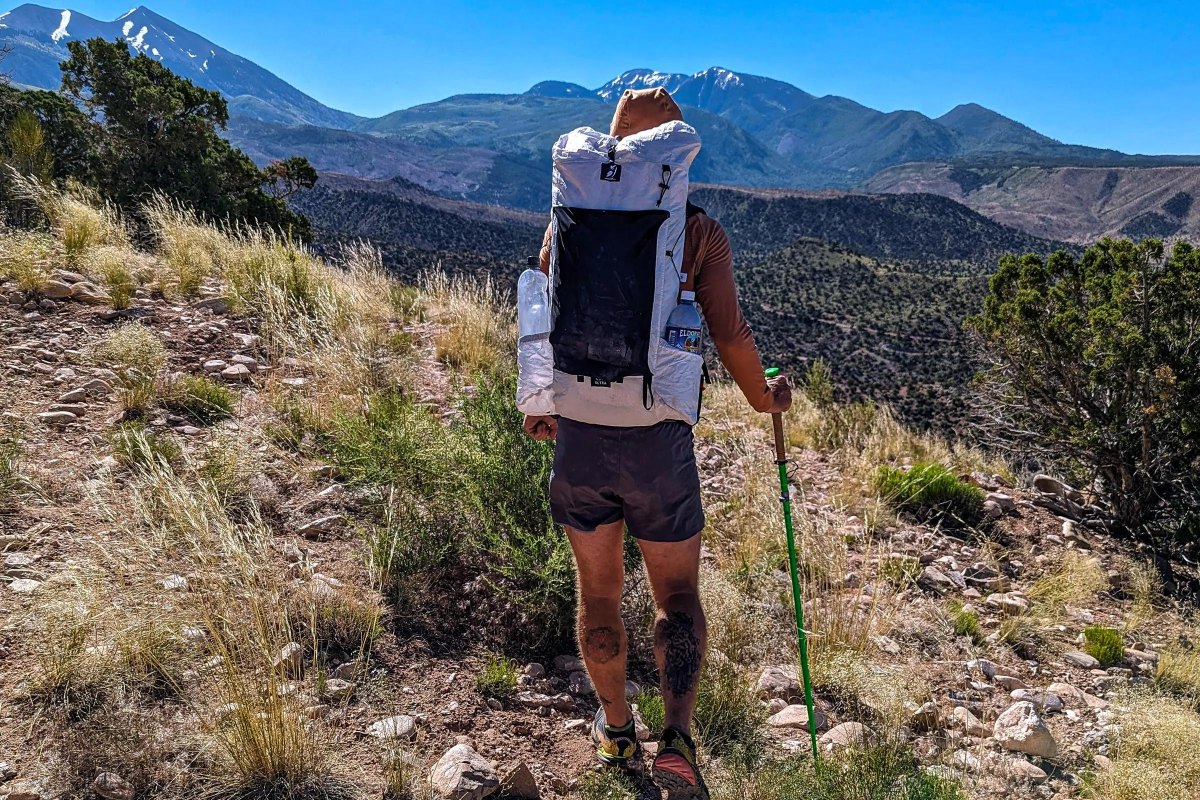
The foundation of an ultralight kit starts with the pack itself. A streamlined backpack carries only what supports the journey, using lighter fabrics, simplified frames, and smart pocket layouts instead of unnecessary structure. The pack shown represents the modern fast-and-light approach: enough volume for essentials, external storage for quick access items, and a design built around movement.
For hikers transitioning from traditional backpacks, the biggest adaptation is learning to organize by frequency of use. Water, snacks, rain layers, and navigation tools belong where they can be reached while walking. Deep storage should be reserved for sleeping gear and clothing.
- Best for: Long-distance hikers who value efficiency over maximum load capacity.
- Adaptation: Match pack volume to trip length rather than filling unused space.
Minimalist Shelter Setup
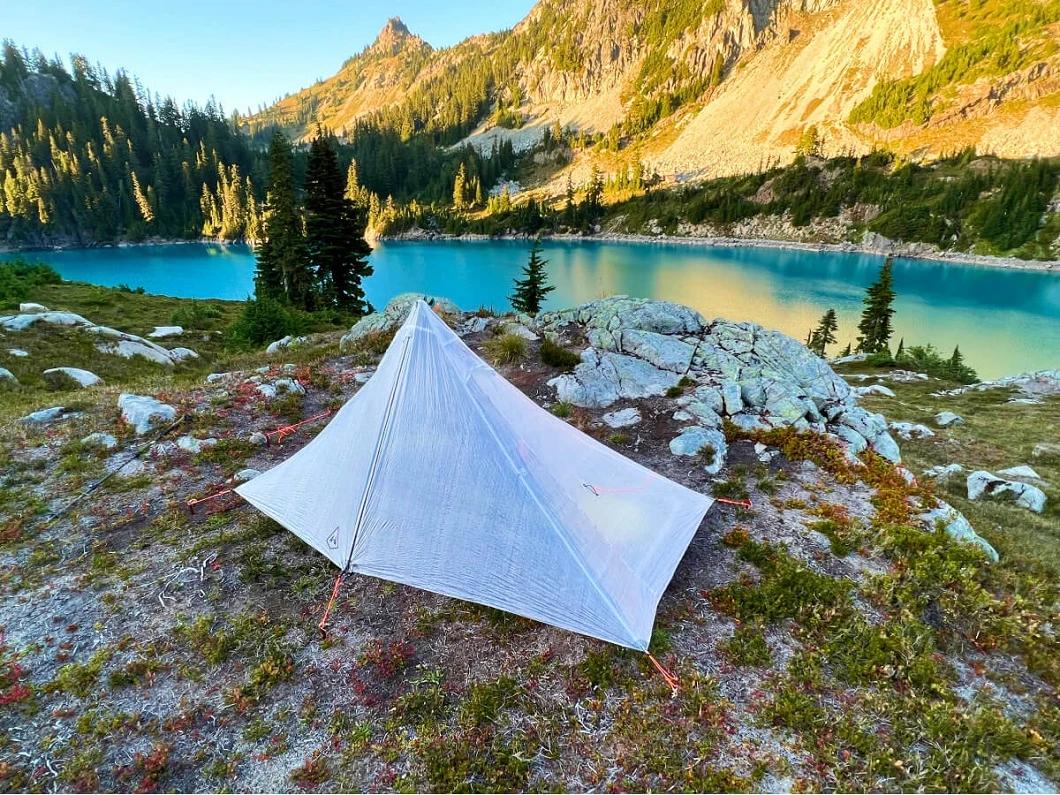
A simple shelter can redefine the entire backpacking experience. The second design approach focuses on reducing the footprint of camp: a lightweight shelter, minimal stakes, and a carefully chosen campsite. This style works because it protects the essentials while leaving room for flexibility.
Ultralight shelters reward hikers who understand weather patterns and campsite selection. A smaller shelter requires more attention to pitching angles, drainage, and wind direction, but the reward is a dramatic reduction in carried weight.
Smart adjustment
Practice pitching your shelter before a trip. Familiarity saves time when arriving at camp tired or in poor weather.
Integrated Sleep System
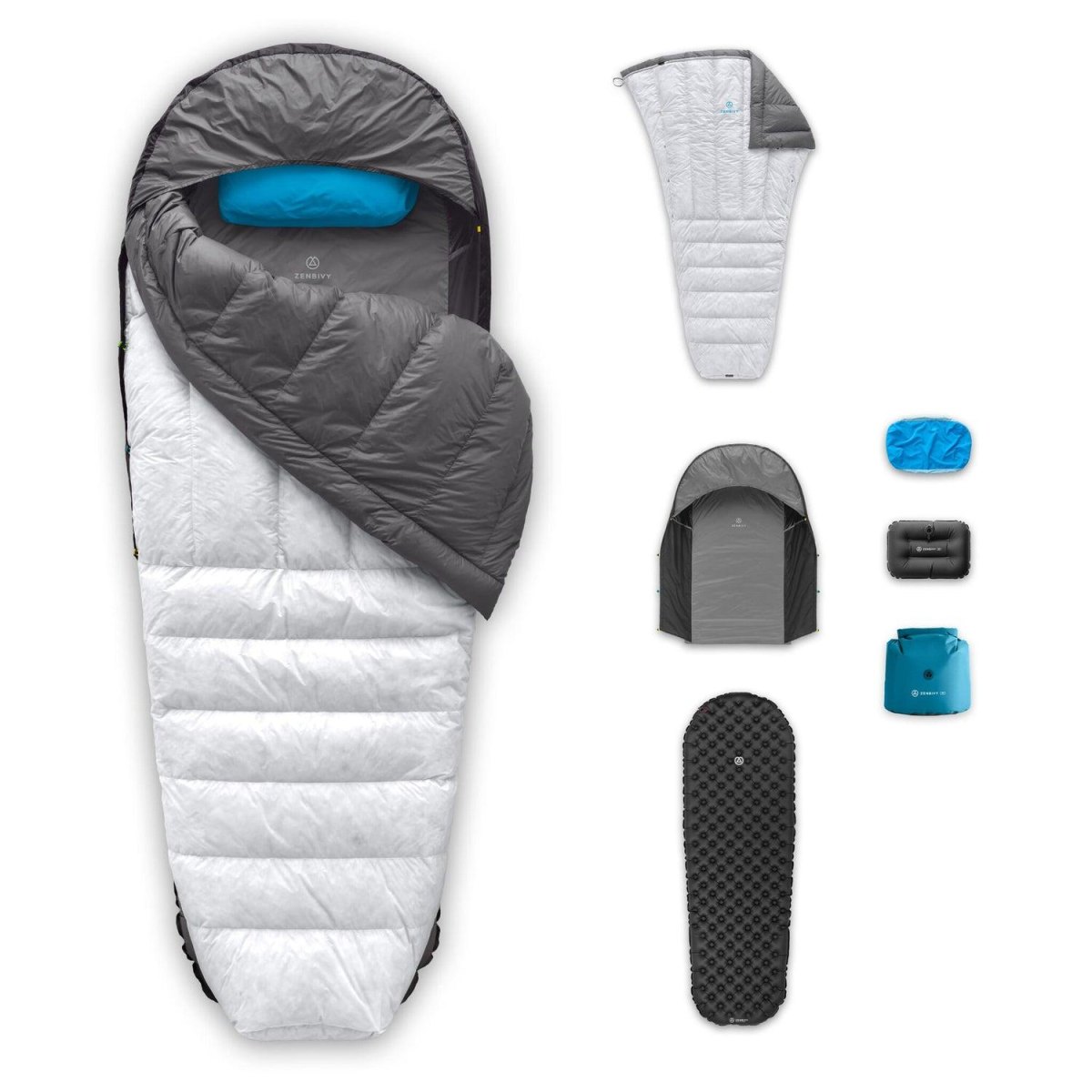
The sleep system is where comfort and weight savings meet. This setup highlights how a sleeping bag, quilt-style insulation, pillow, and pad work together as one design rather than separate purchases. A well-planned sleep system avoids carrying duplicate warmth.
Many ultralight hikers choose modular insulation because it adapts across seasons. A lighter quilt may work in warmer conditions, while additional layers extend its usefulness during colder nights.
Advantages
- Lower packed weight
- Flexible temperature management
Considerations
- Requires better campsite habits
- May need adjustment time
Compact Sleeping Pad Choice
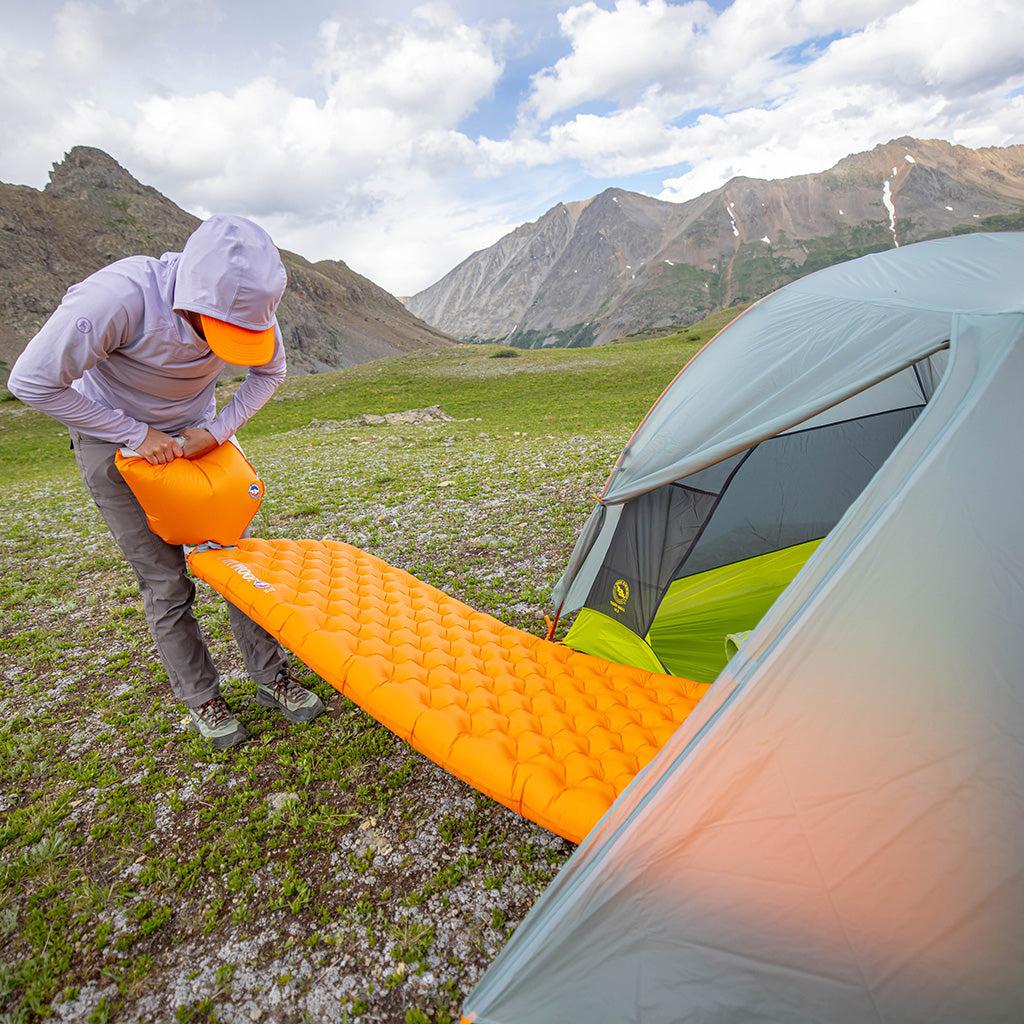
A sleeping pad is a small item with a major impact. The design shown reflects the ultralight philosophy of choosing gear that delivers essential performance without excess material. A compact insulated pad balances packed size, warmth, and sleeping comfort.
The best choice depends on sleeping style and terrain. Side sleepers often need more cushioning, while experienced hikers may prioritize the smallest possible packed size.
The lightest gear is only useful when it helps you recover for the next day’s miles.
Ultralight backpacking principle
Efficient Backpacking Cooking Kit
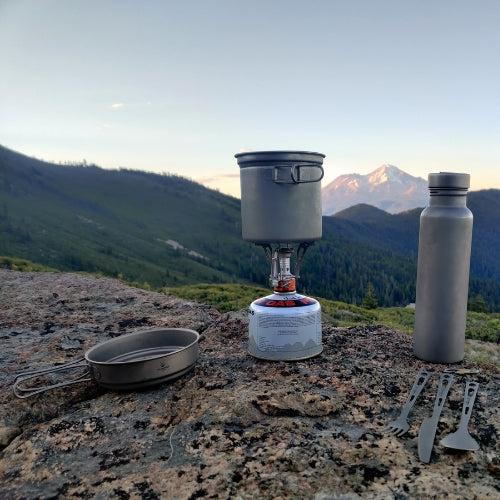
A minimalist kitchen keeps meals simple and reliable. The compact stove, pot, and fuel approach shown here represents the classic ultralight cooking philosophy: carry exactly what is needed to prepare trail food and hot drinks.
Reducing kitchen weight does not mean sacrificing enjoyment. Many hikers choose one pot that can boil water, a small spoon, and meals designed around quick preparation.
- Lightweight stove
- Fuel matched to trip duration
- Single cooking vessel
- Simple cleaning method
Reliable Water Filtration
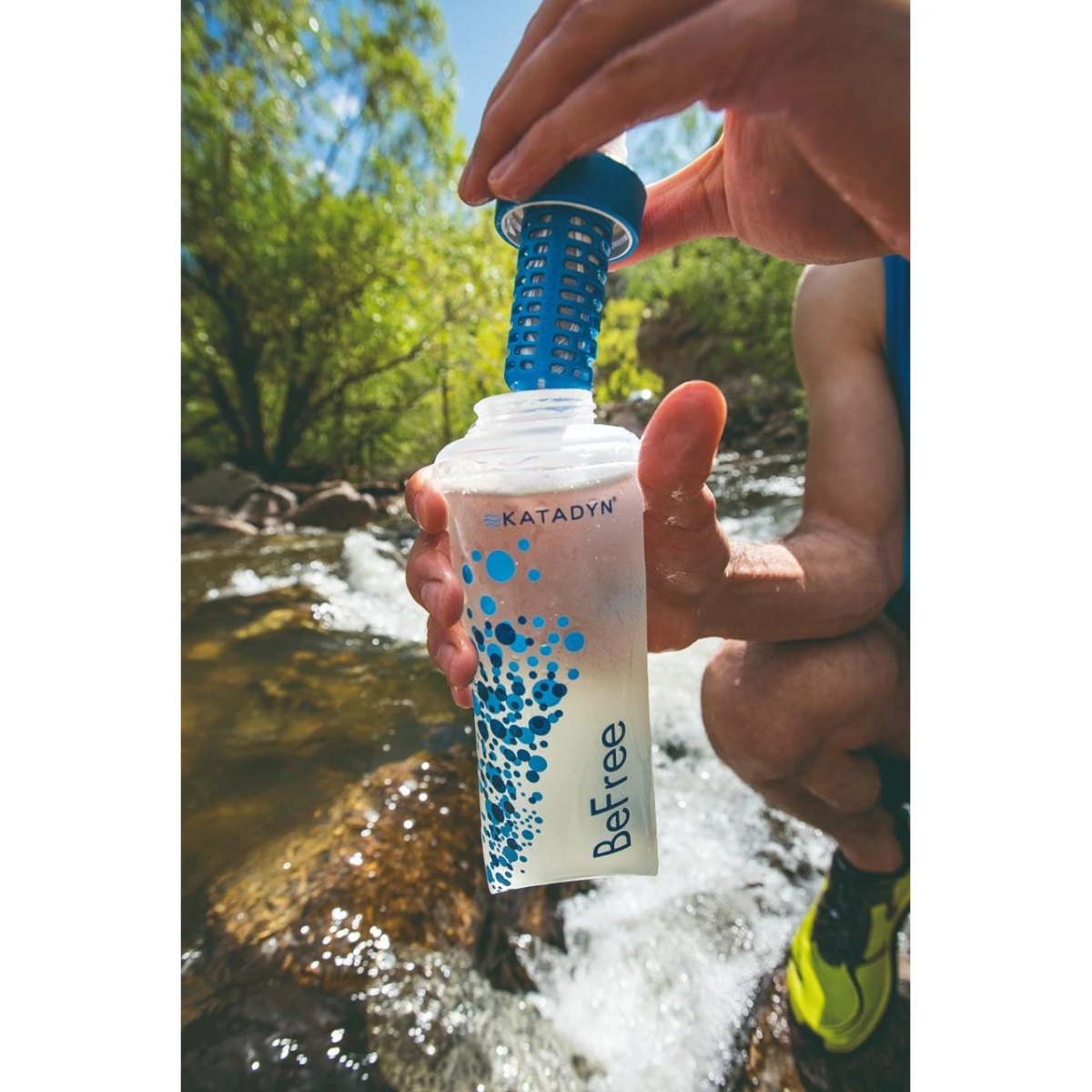
Water systems should be dependable but uncomplicated. A compact filter allows hikers to refill from natural sources without carrying excessive water weight. This design works because it combines portability with practical daily use.
Choose filtration based on route conditions, expected water availability, and group size. Keep the filter accessible so hydration does not become a chore.
Avoid this mistake
Do not assume every clear-looking water source is safe. Use an appropriate treatment method whenever required.
Lightweight Trail Nutrition
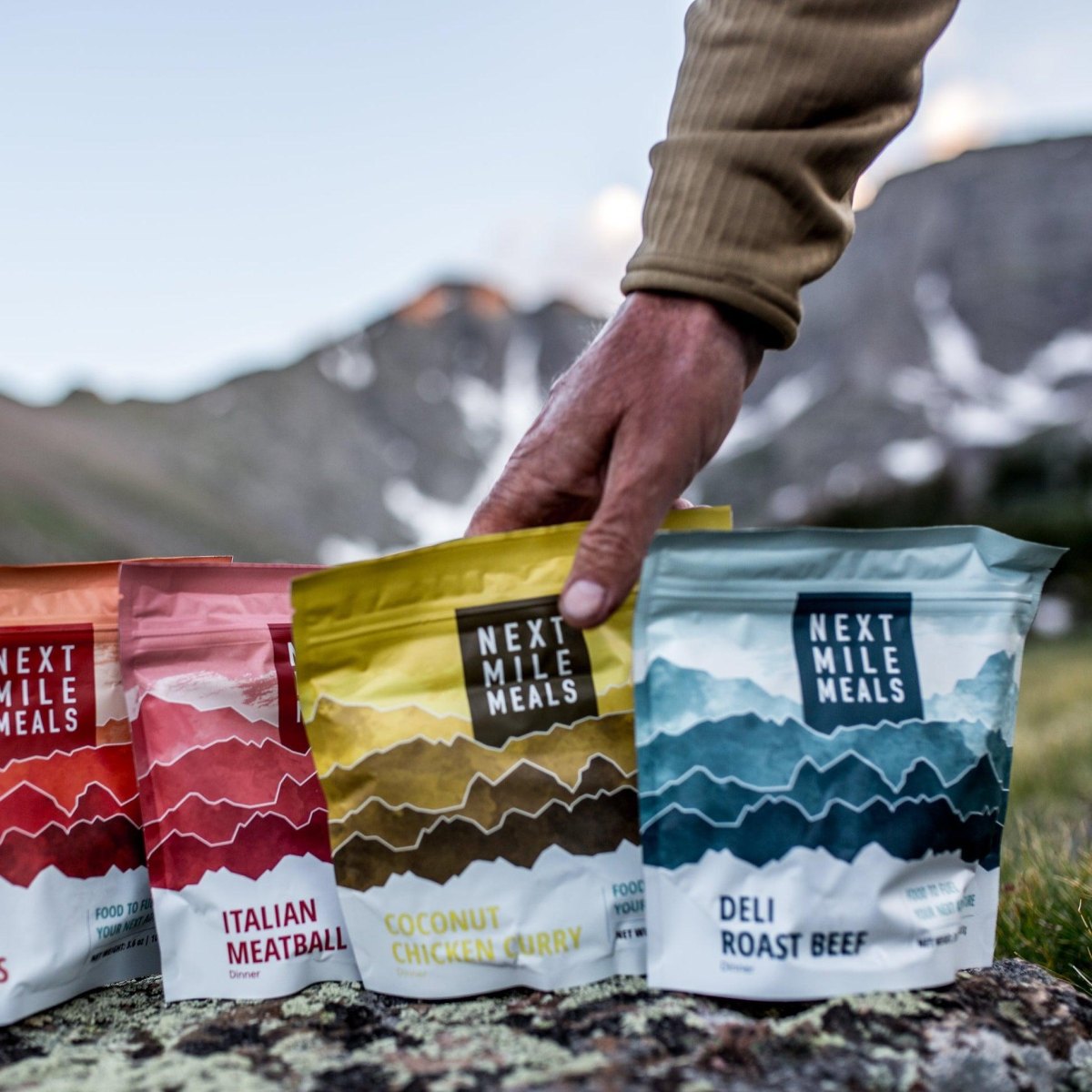
Food planning is a weight calculation with a comfort factor. The meal system shown focuses on compact, calorie-dense options that require little preparation. Ultralight nutrition works best when every meal earns its weight.
Experienced hikers balance calories, taste, and convenience. Familiar foods reduce surprises during demanding days.
| Food goal | Ultralight approach |
|---|---|
| Energy | Dense calories per ounce |
| Convenience | Fast preparation |
Technical Hiking Clothing Layers
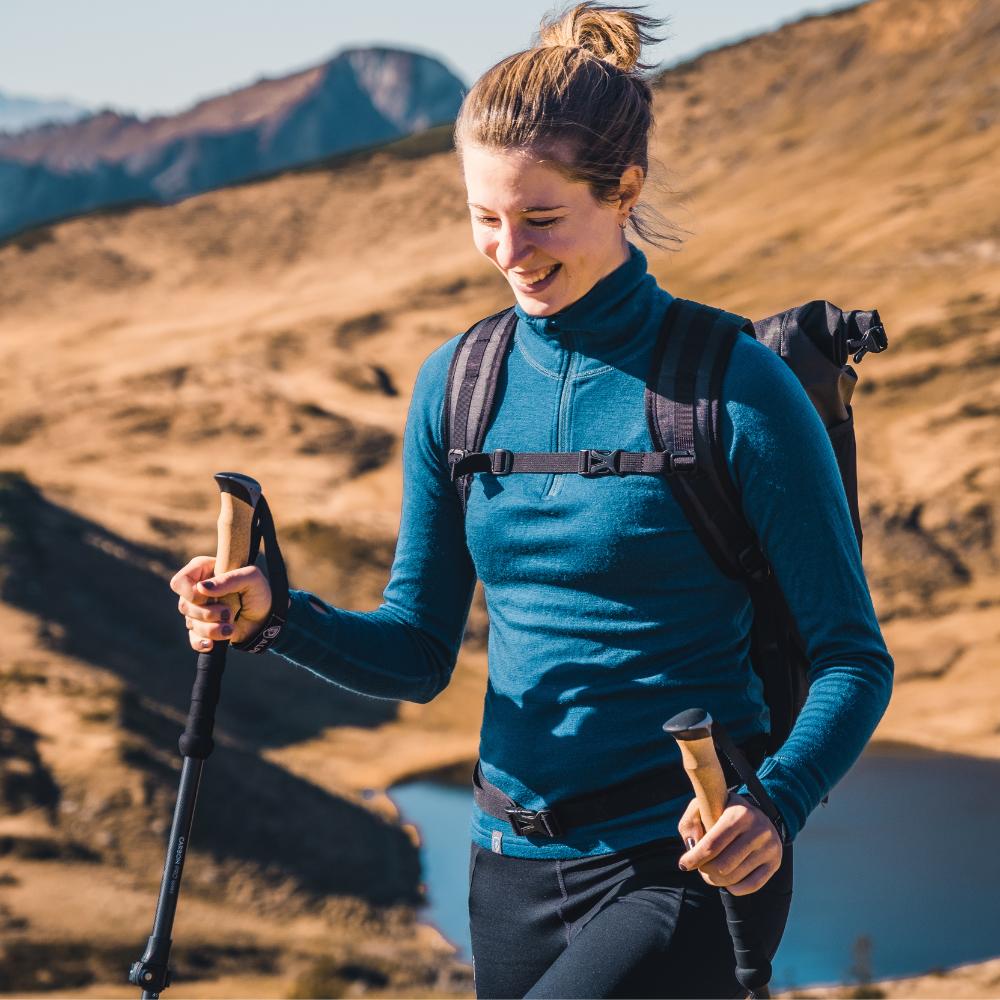
A small clothing system can handle changing conditions. The clothing approach represented here relies on layering rather than packing many specialized garments. A base layer, insulating piece, and weather protection create a flexible system.
The key adaptation is choosing pieces that perform multiple jobs. A hiking shirt that dries quickly or an insulation layer that works around camp reduces pack clutter.
Rain Protection Strategy
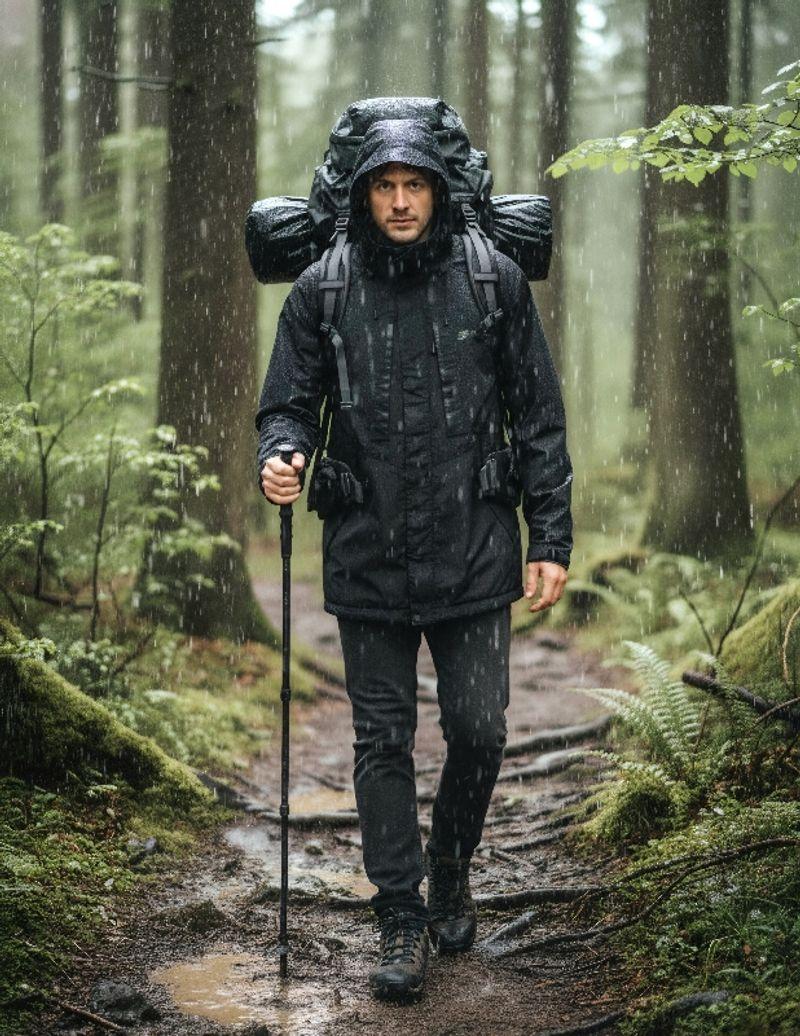
Weather protection is essential even in a lightweight kit. This rain-ready design emphasizes carrying protection that is compact, breathable, and easy to deploy. Staying dry preserves warmth and energy.
Ultralight hikers often focus on versatility: a shell that works during storms, wind, and chilly mornings earns its place more easily than a single-purpose item.
Trail Footwear and Sock System
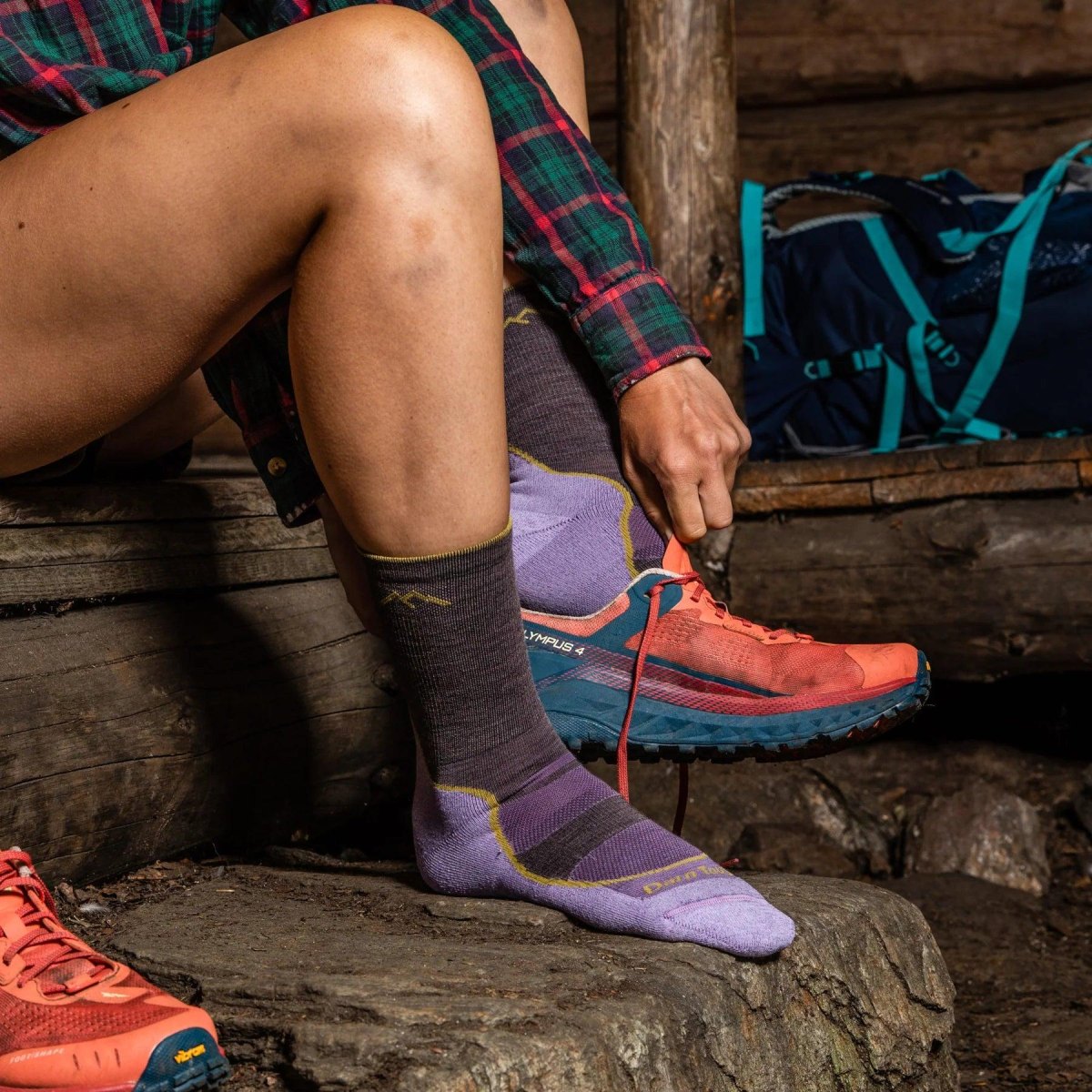
Foot comfort determines daily distance. The footwear system shown highlights the importance of pairing appropriate shoes with durable hiking socks. Modern backpackers often choose lighter trail shoes instead of heavy boots for many conditions.
The right combination depends on terrain, personal preference, and injury history. Break in footwear before committing to a long route.
Navigation Tools for Ultralight Routes
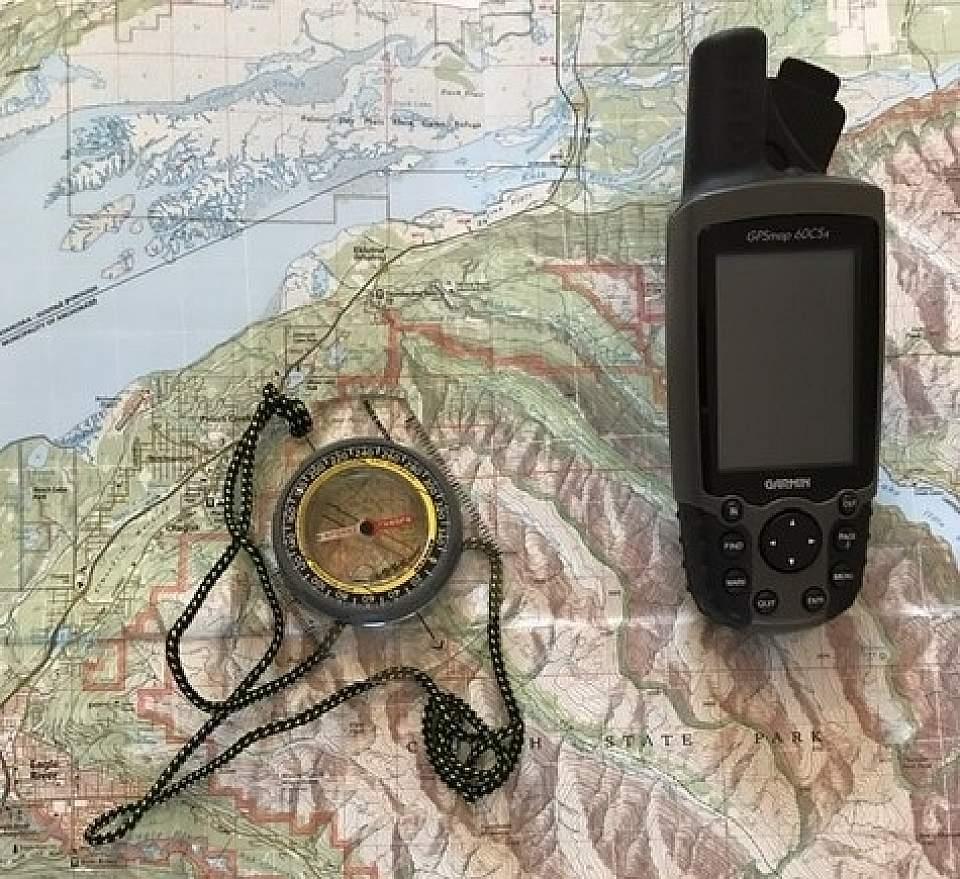
Digital convenience does not replace navigation skills. This setup combines traditional and electronic navigation methods, showing how ultralight hikers can carry confidence without carrying excessive equipment.
A good navigation system includes maps, route knowledge, and backup options appropriate for the environment.
Night Hiking Lighting Kit
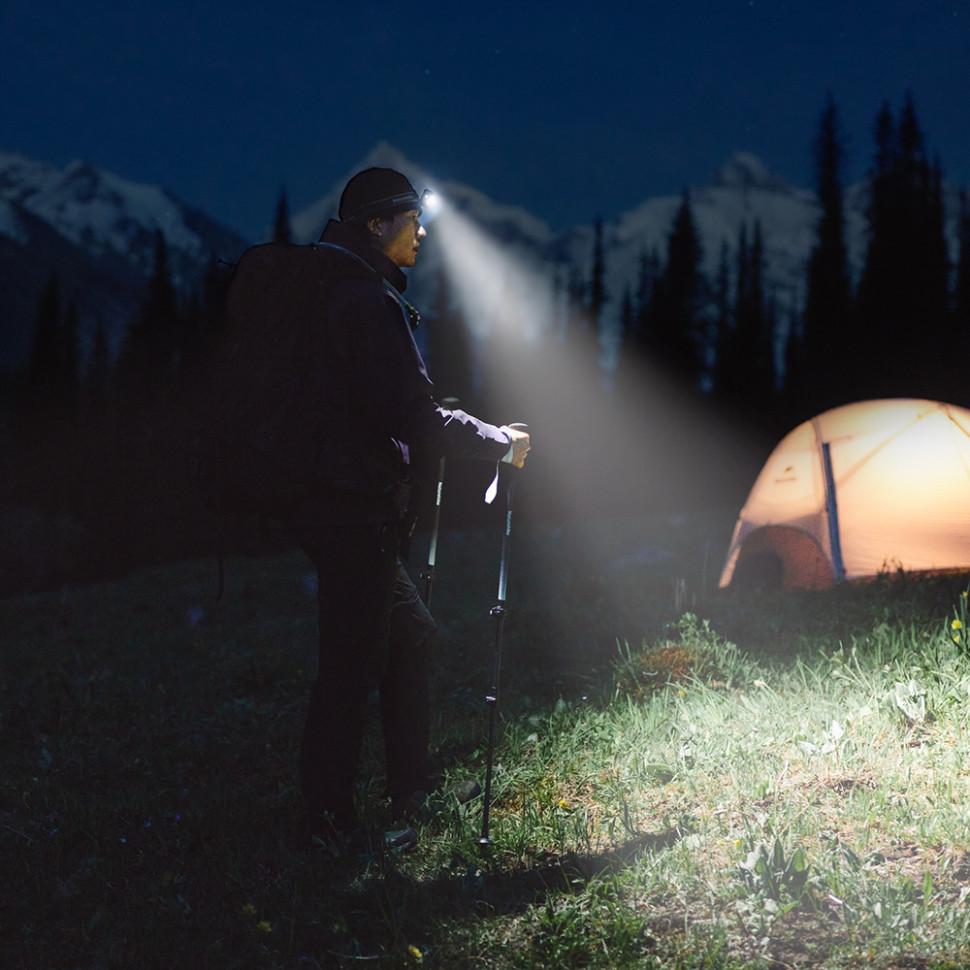
A dependable light source is a small safety investment. The headlamp-focused approach shown here keeps nighttime movement possible while adding very little weight.
Choose lighting based on battery life, brightness needs, and whether you regularly hike before sunrise or after sunset.
Compact First Aid Essentials
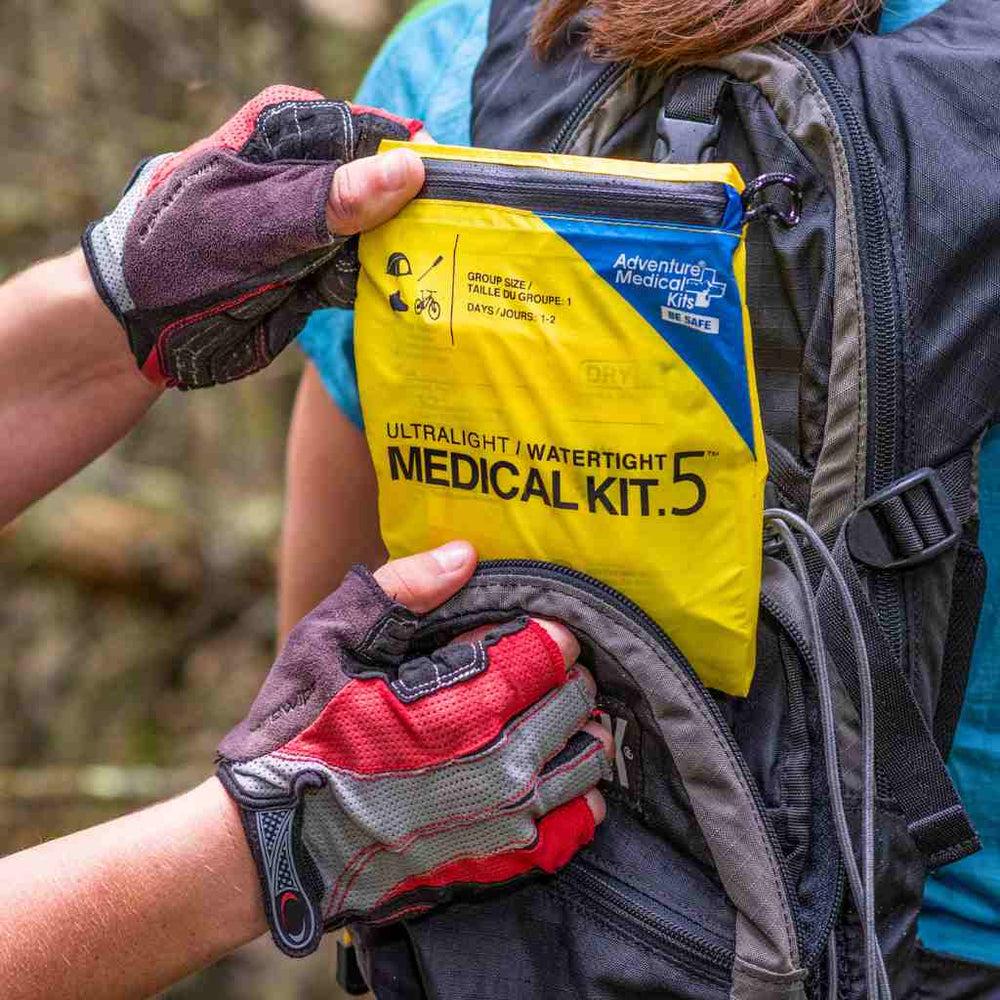
The ideal first aid kit is prepared, not oversized. This minimalist medical approach focuses on treating likely trail problems while avoiding unnecessary weight.
Every hiker should personalize supplies based on route difficulty, group needs, and personal requirements.
Emergency Repair Kit
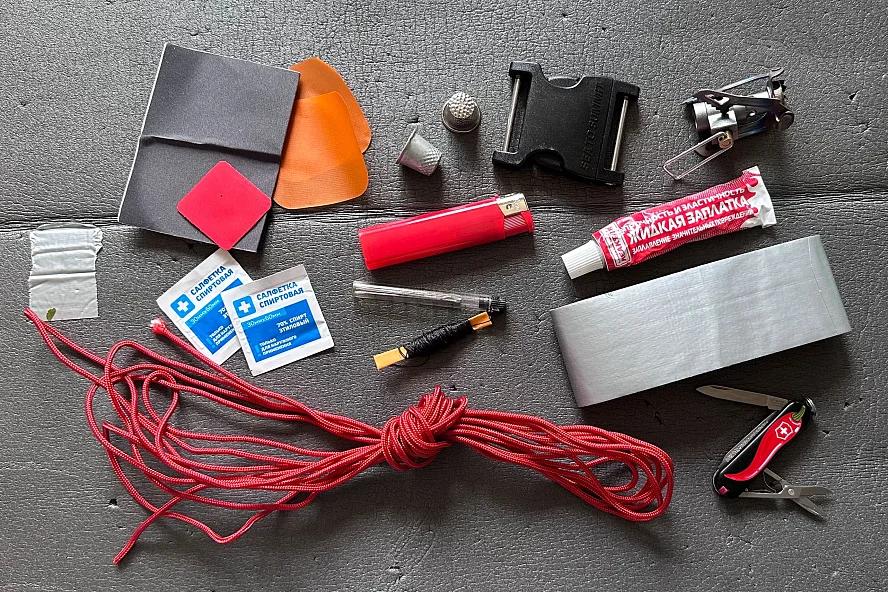
Small repairs prevent big problems. The repair collection shown demonstrates how a few lightweight items can solve common gear failures. Tape, cord, patches, and a small tool often outperform a bulky repair bag.
- Core idea: Carry solutions, not duplicates.
- Storage: Keep repair items together and easy to locate.
Personal Safety and Protection Kit
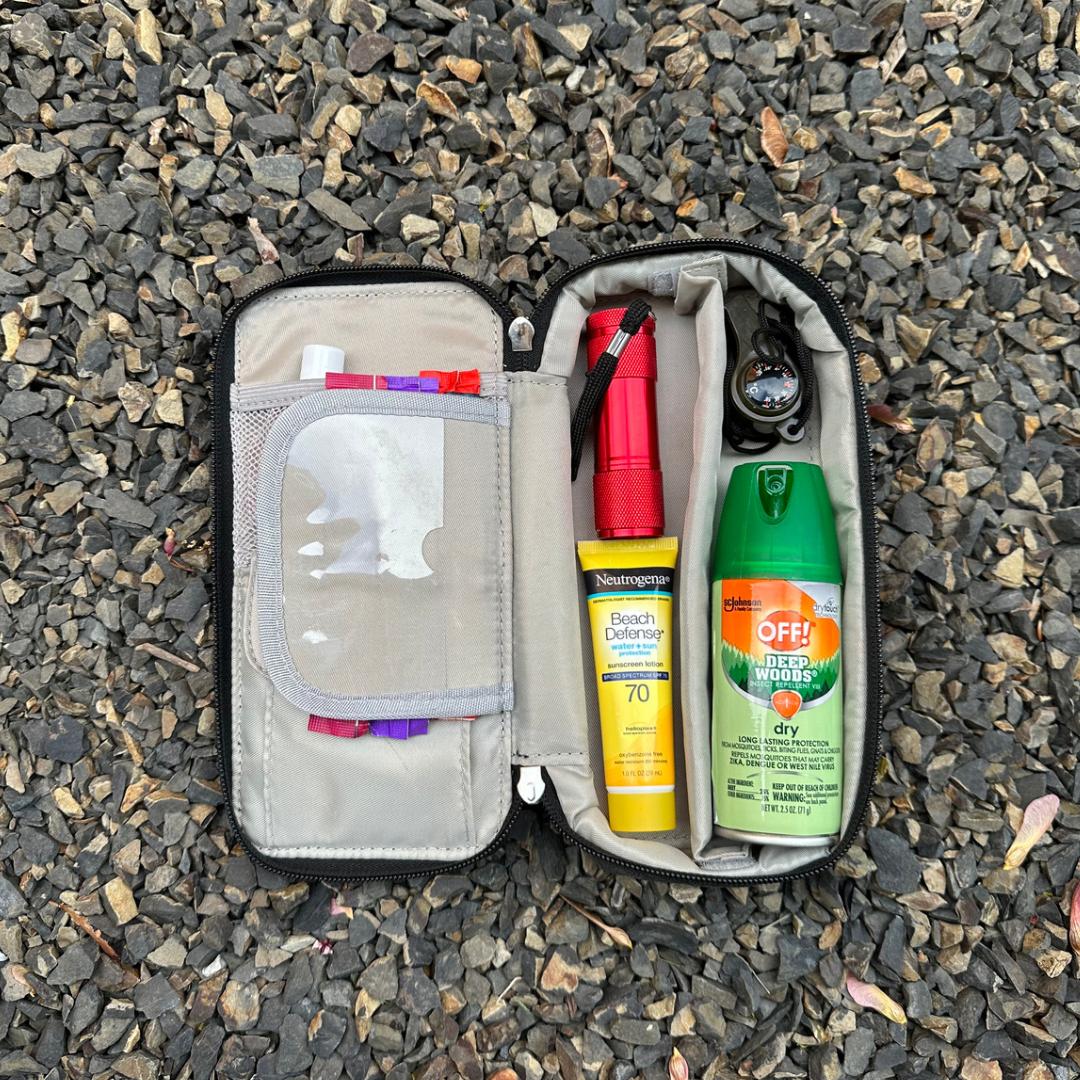
Personal care items deserve careful selection. This kit represents the ultralight approach to sun protection, insect defense, and small personal essentials.
The goal is not to remove comfort items entirely, but to bring only what improves health and trail enjoyment.
Organized Ultralight Pack Layout
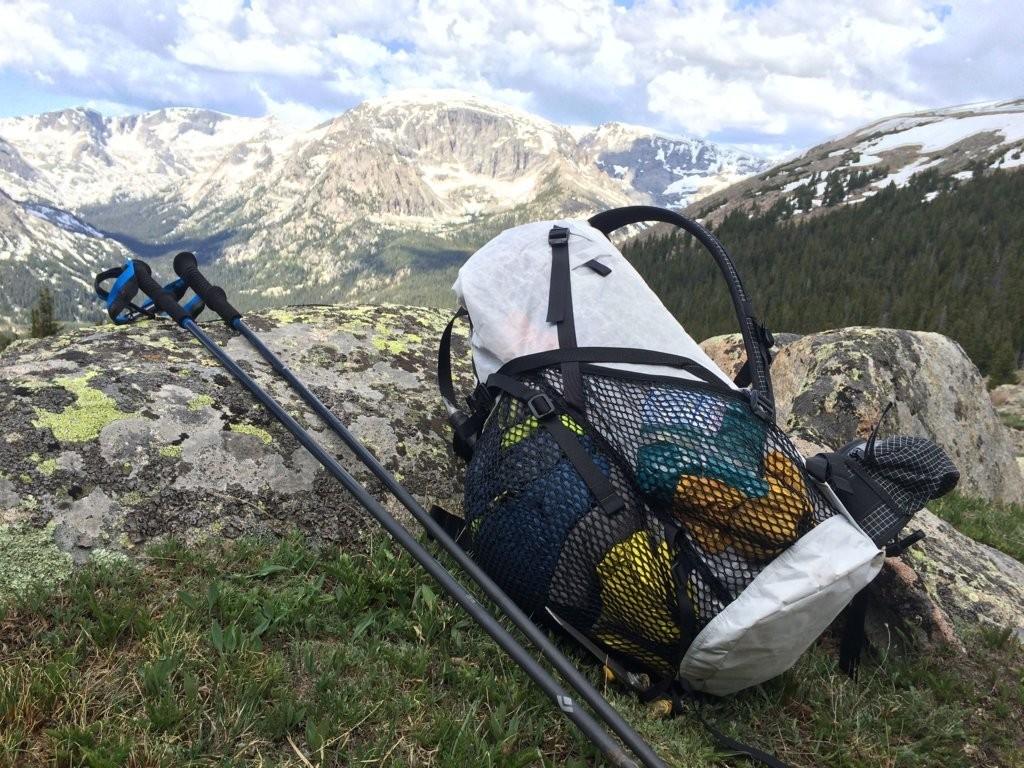
Organization turns lightweight gear into an efficient system. This layout shows how experienced hikers group equipment before packing. Visibility helps prevent forgotten items and reduces wasted time in camp.
Use small categories such as shelter, sleep, cooking, safety, and clothing rather than packing randomly.
Backup Power for Remote Trips
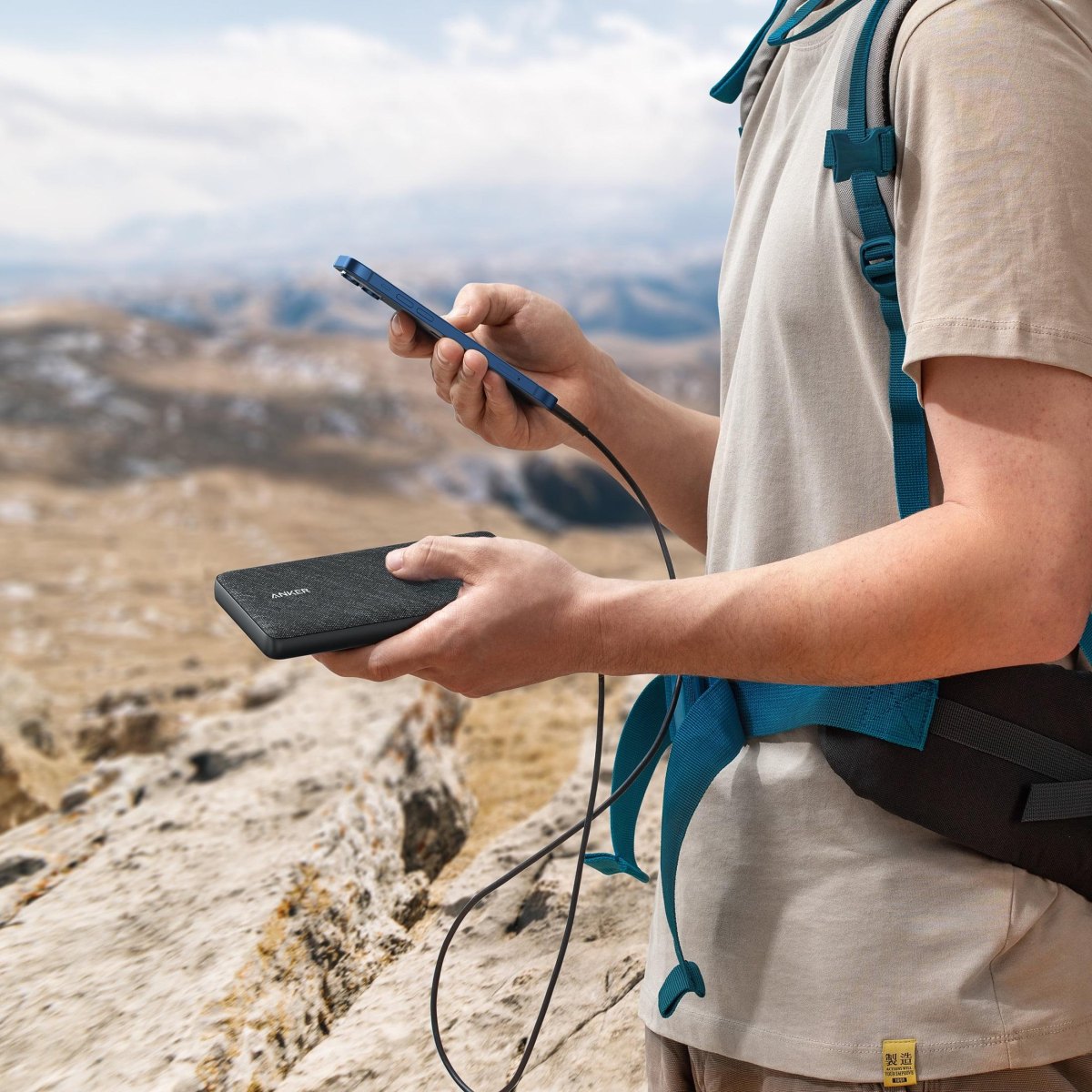
Electronics should support the adventure, not dominate it. A compact charging solution provides energy for essential devices while maintaining an ultralight mindset.
Estimate your actual power needs before selecting a battery size. More capacity is not always better if it adds unnecessary weight.
Ultralight Hygiene Kit
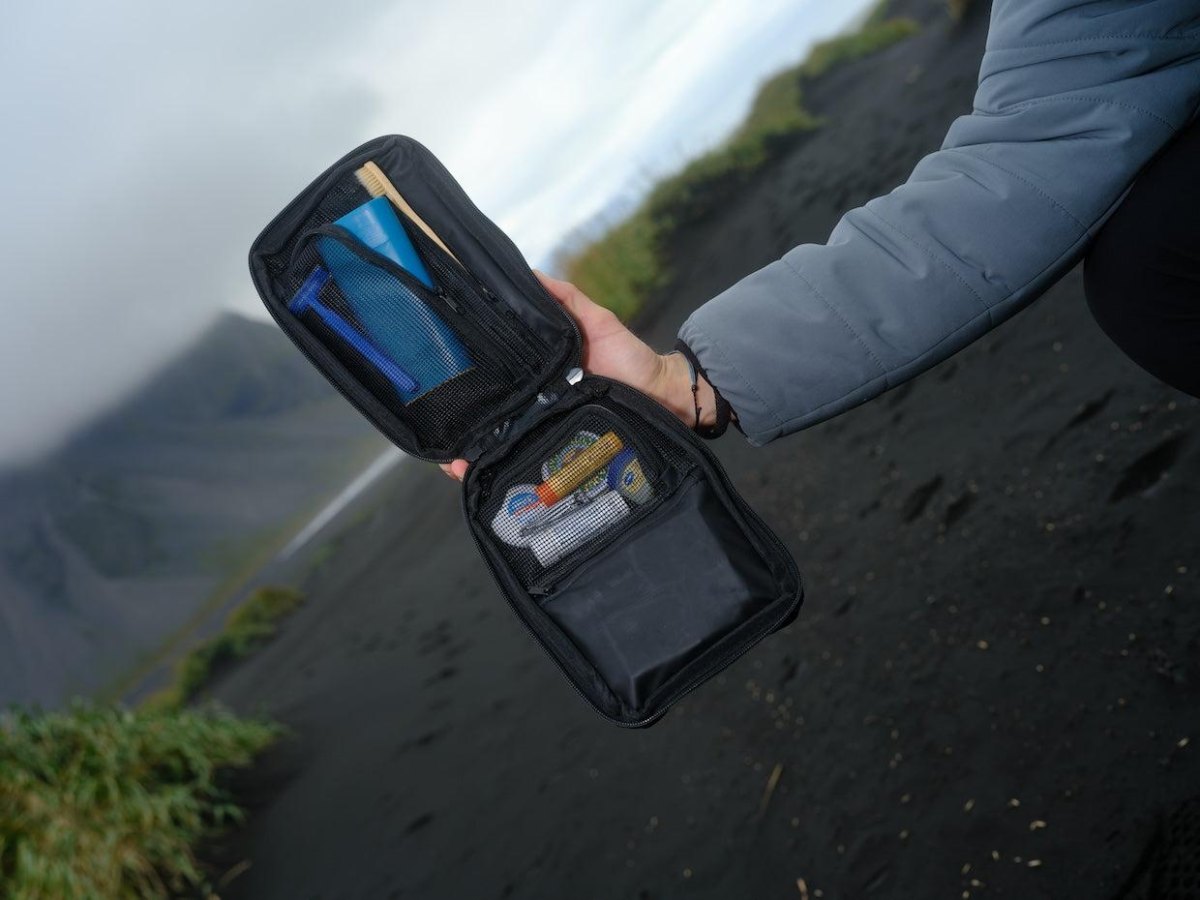
Simple hygiene improves long-distance comfort. This design focuses on carrying only the personal items needed to stay clean and healthy outdoors.
Small containers, multipurpose products, and thoughtful quantities make a noticeable difference over many miles.
Leave No Trace Mindset
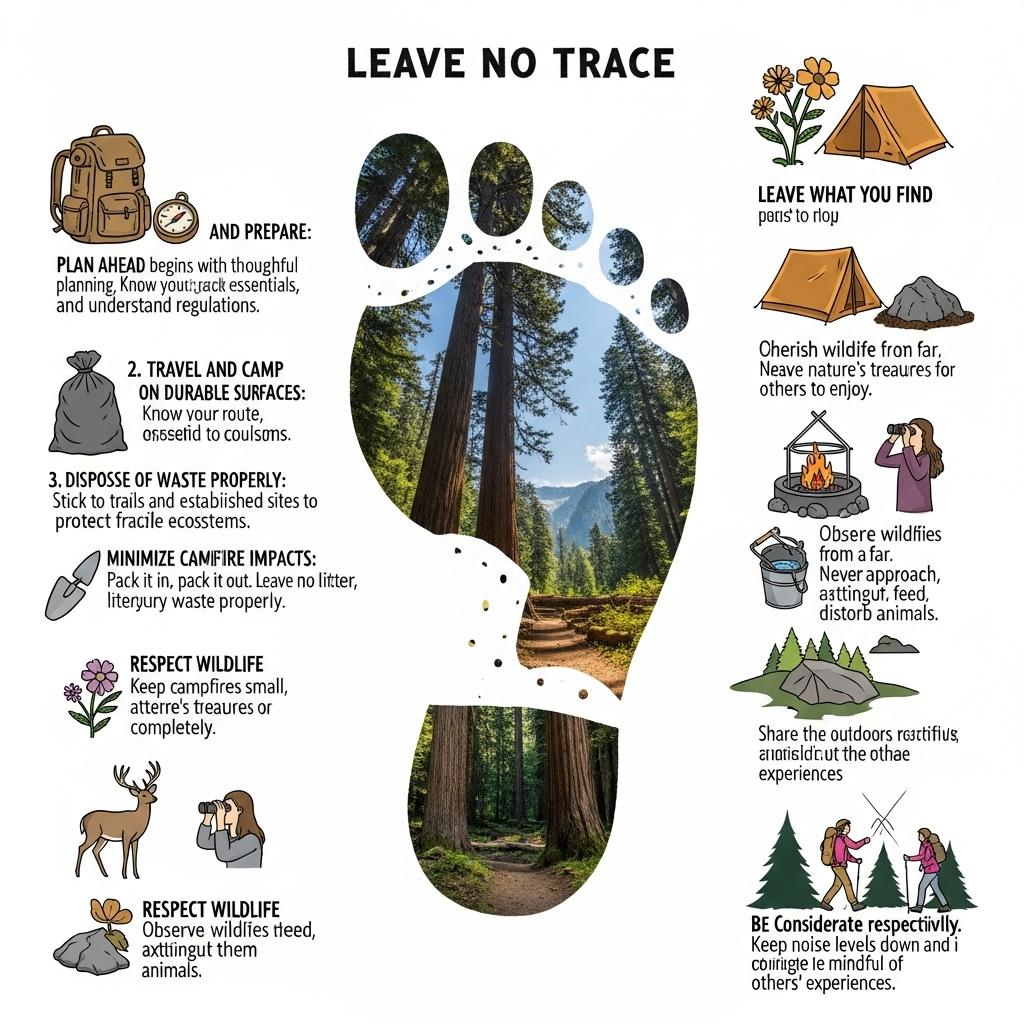
Responsible backpacking is part of ultralight thinking. Carrying less also means understanding how to reduce impact. Careful camping, proper waste practices, and respect for wildlife protect the landscapes hikers enjoy.
Complete Ultralight Backpacking Checklist Overview
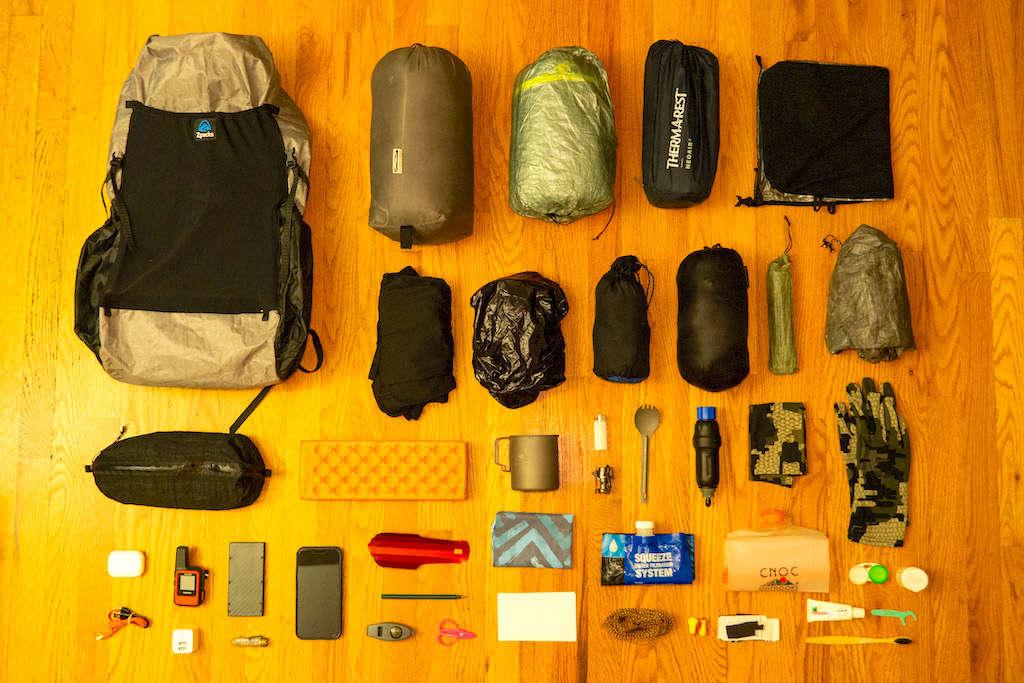
The final design is the complete system. Every item in an ultralight backpack works together: shelter, sleep, food, safety, navigation, and comfort. The strongest kits are not simply the lightest; they are the ones built around real needs and personal experience.
Final checklist focus
- Remove unnecessary duplicates
- Test equipment before long trips
- Balance weight with reliability
The best ultralight backpacking kit is personal. Build slowly, test often, and let each trip reveal what deserves a place in your pack.
Frequently Asked Questions
What is the first item to reduce when making a backpack lighter?
Start by removing duplicate items and replacing oversized equipment with simpler alternatives.
Does ultralight backpacking mean sacrificing comfort?
Not necessarily. It means choosing comfort features that provide meaningful value for their weight.

More Pinterest Visuals