
Boondocking looks wonderfully simple from the outside: park somewhere beautiful, open the door, and enjoy the silence. My notebook reality is slightly different. The best off-grid campsites happen when I have the right essential RV gear ready before the pavement disappears.
I have organized this list the way I organize every trip: by what keeps me powered, hydrated, safe, connected, and comfortable. These are the items I would check before heading into a remote campsite where the nearest store is a long drive away.
Solar Power Systems for Off-Grid RV Living
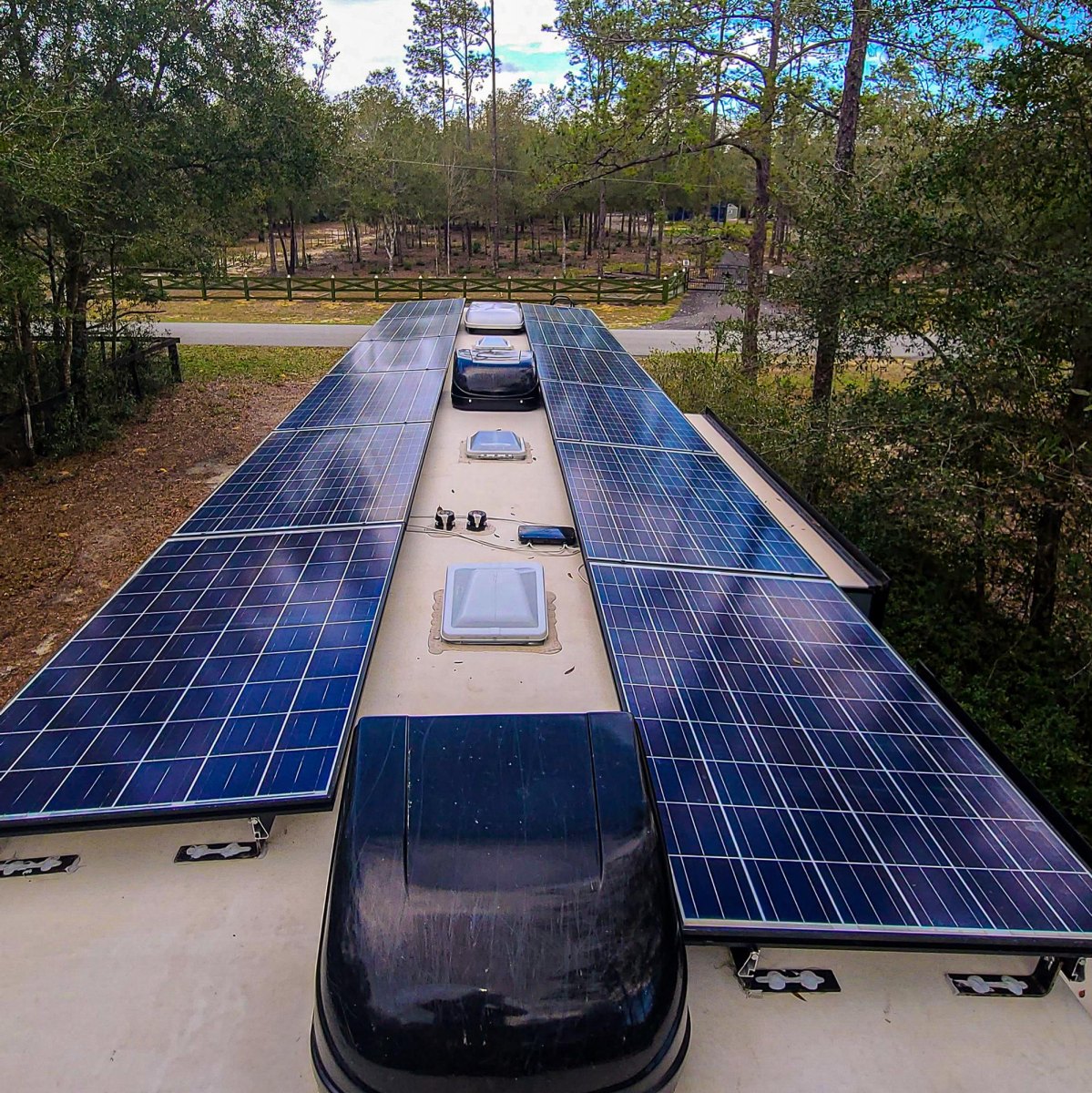
Solar panels are the backbone of many modern boondocking setups because they quietly recharge batteries without a fuel stop. I pay attention to my daily energy habits first, then size my solar power system around lights, refrigeration, devices, and occasional appliances. Solar RV setups continue to evolve alongside more efficient battery technology.
My checklist always includes panels, a charge controller, battery monitoring, and the cables needed for repairs. A beautiful desert campsite is much less charming when a tiny missing connector becomes the reason my coffee routine collapses.
Fresh Water Storage and Conservation Gear
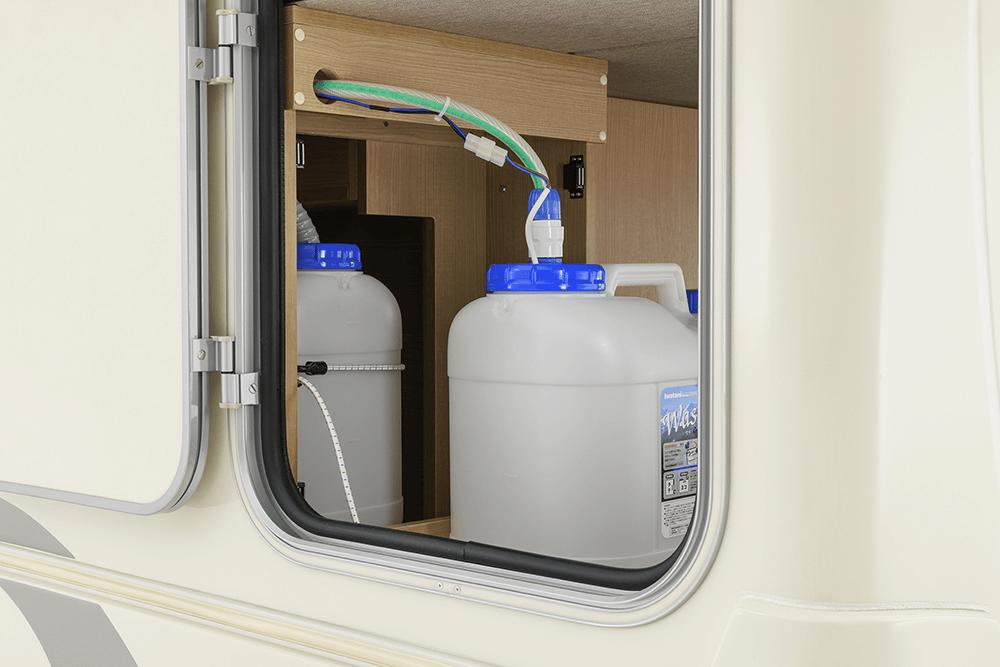
Water planning is where experienced boondockers separate themselves from optimistic beginners. I track every gallon because fresh water management decides how long I can comfortably stay in a remote spot. Conservation strategies and backup containers can dramatically extend a trip.
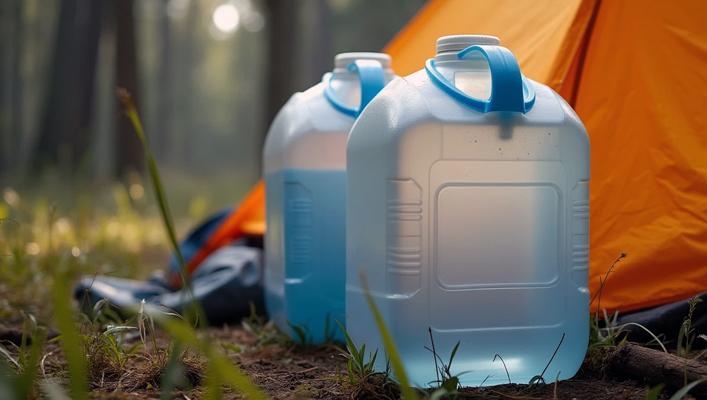
I carry filtration options, refill containers, and simple habits that reduce waste. My old flight attendant brain loves systems, and water is one system I never leave to chance.
- Water containers: Backup supply for unexpected dry stretches.
- Filters: Extra protection when filling from unfamiliar sources.
- Conservation tools: Low-flow habits that extend tank life.
Portable Power Stations and Battery Banks
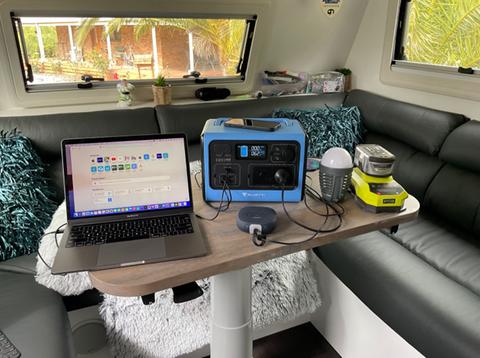
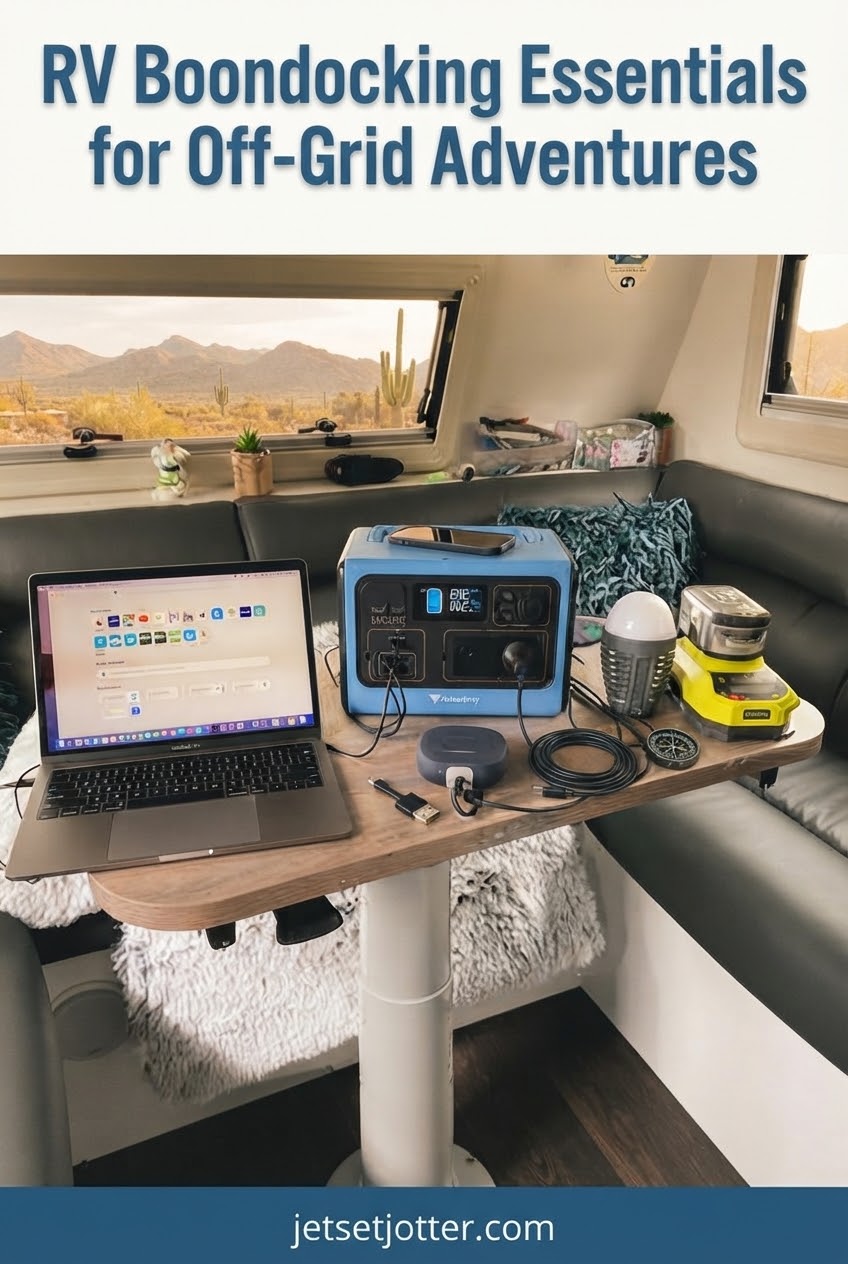
A portable power station is my insurance policy for smaller electronics and backup needs. These all-in-one units combine batteries, inverters, and charging systems, making them useful for camping situations where flexibility matters.
I like having a separate backup power source because it keeps my main RV electrical system from carrying every little demand.
Why I pack one
- Easy emergency charging
- Useful away from the RV
Things to remember
- Adds weight
- Needs charging plans
Propane Appliances and Fuel Management
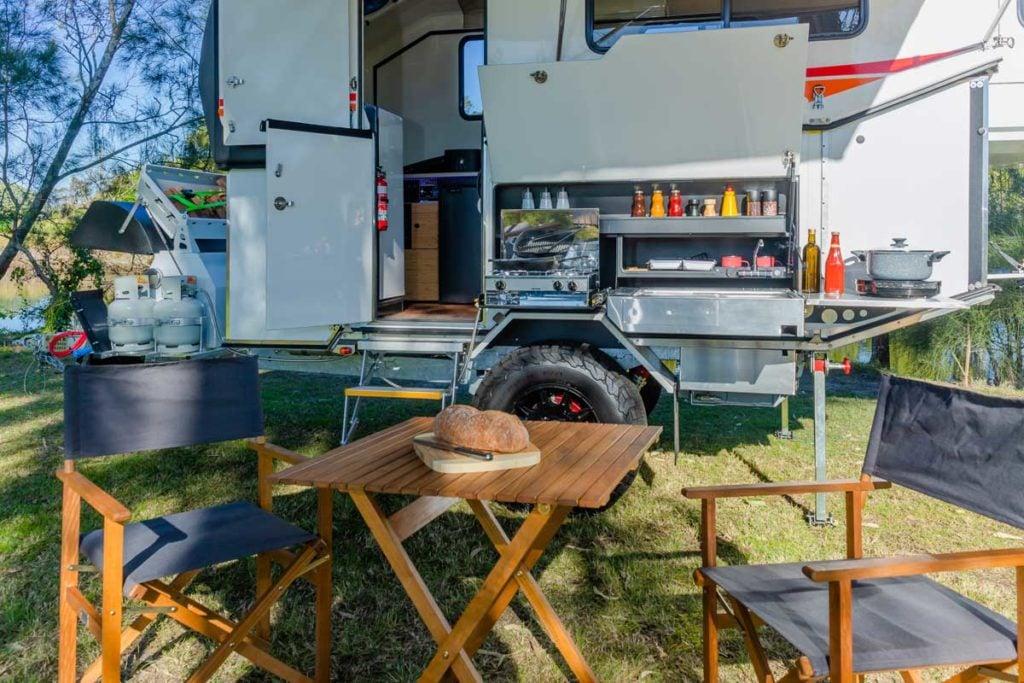
Propane gives many boondockers dependable cooking and heating without relying on shore power. I keep my propane routine boring, because boring is exactly what I want from fuel safety.
Before every longer stay, I check connections, levels, and appliance operation. My nine years working around aircraft taught me that small preventative checks save much bigger headaches later.
Safety note
Never ignore propane odors, damaged fittings, or unusual appliance behavior. Stop using equipment and follow manufacturer guidance when something seems wrong.
Reliable RV Navigation and Offline Maps
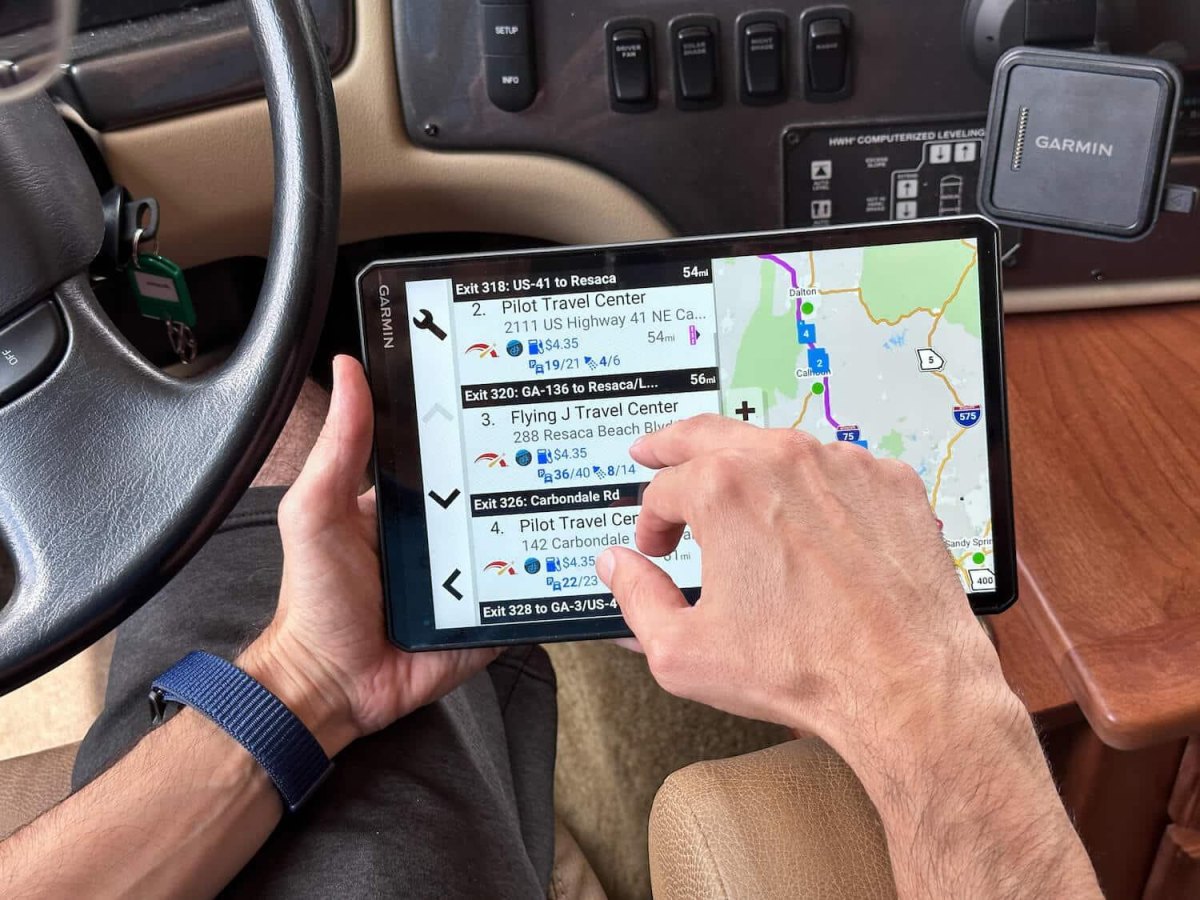
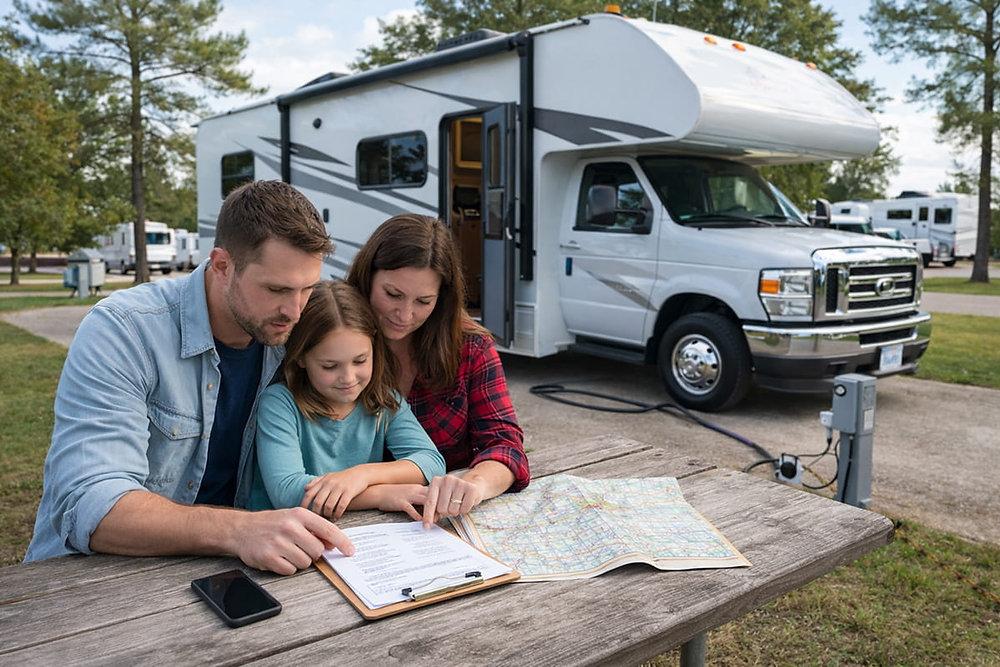
Cell service is often the first thing that disappears when the scenery improves. I download maps before leaving town because offline navigation turns a stressful drive into a calm one. Apps with offline maps and land information are especially useful for remote routes.
My rule is simple: never trust a signal that I have not already tested. A screenshot of a route is not a navigation plan.
- Download. Save maps before entering low-service areas.
- Review. Check roads for size limits and conditions.
- Carry. Keep a backup paper map when practical.
Camp Kitchen Essentials for Remote Sites
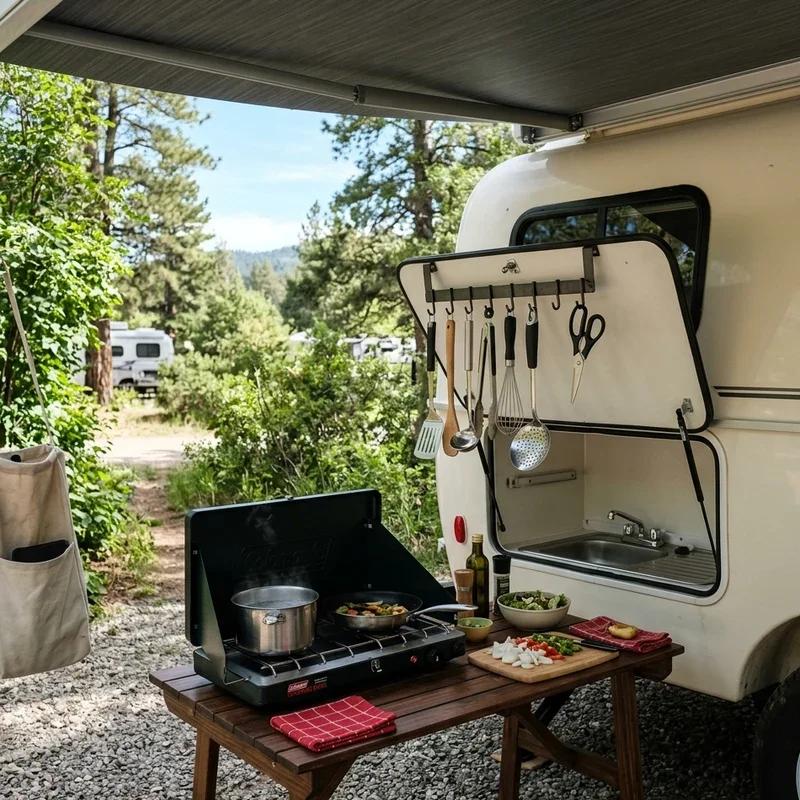
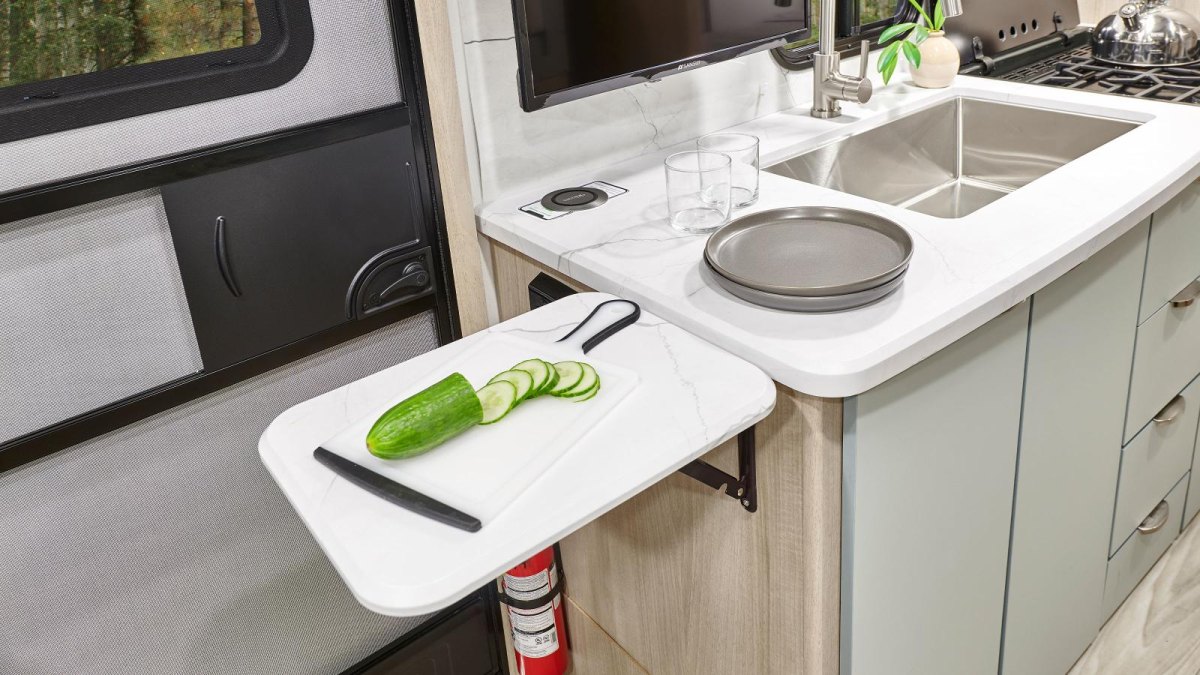
My favorite boondocking meals are simple ones: coffee, pasta, grilled vegetables, and anything that does not require washing seventeen dishes. A smart camp kitchen setup saves water and keeps cooking enjoyable.
I focus on compact tools that earn their storage space. Every item has to answer the question I ask all travel gear: would I miss this after a week outside?
Waste Management and Black Tank Supplies
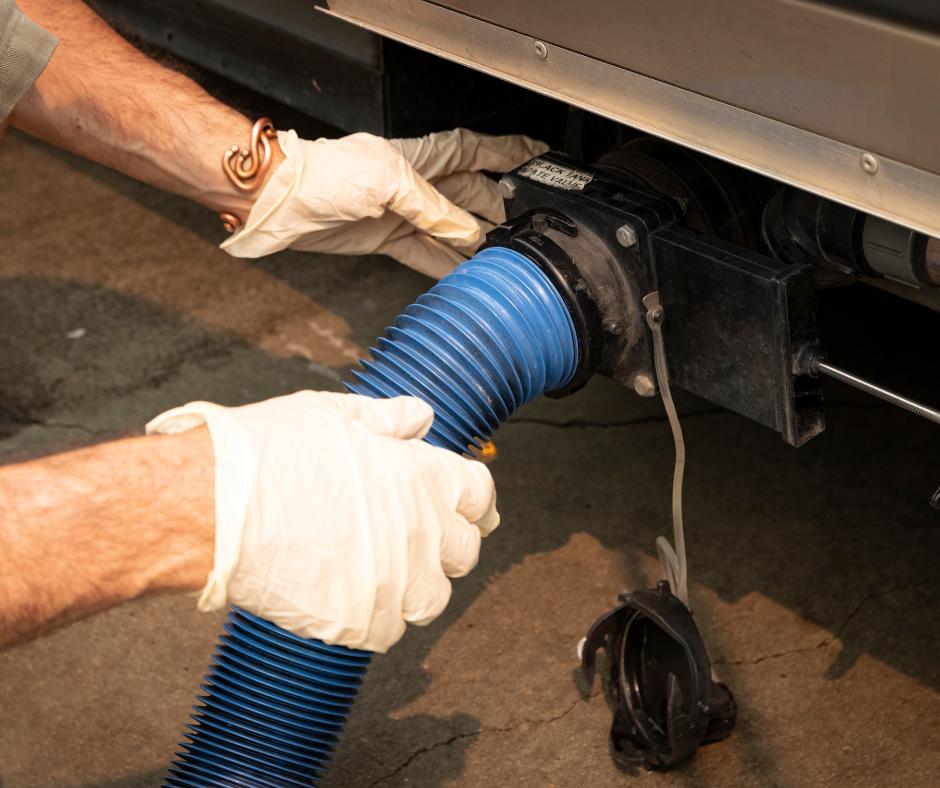
Waste systems are not glamorous, but they are among the most important parts of comfortable RV travel. I keep my black tank supplies organized because maintenance prevents unpleasant surprises. RV manuals consistently emphasize proper tank care and approved disposal practices.
Gloves, tank treatments, hoses, and cleaning supplies live in one dedicated compartment. Future Lena thanks current Lena every single time.
My practical tip
Store waste equipment separately from fresh-water equipment and label everything clearly.
Leveling Blocks and RV Stabilization Tools
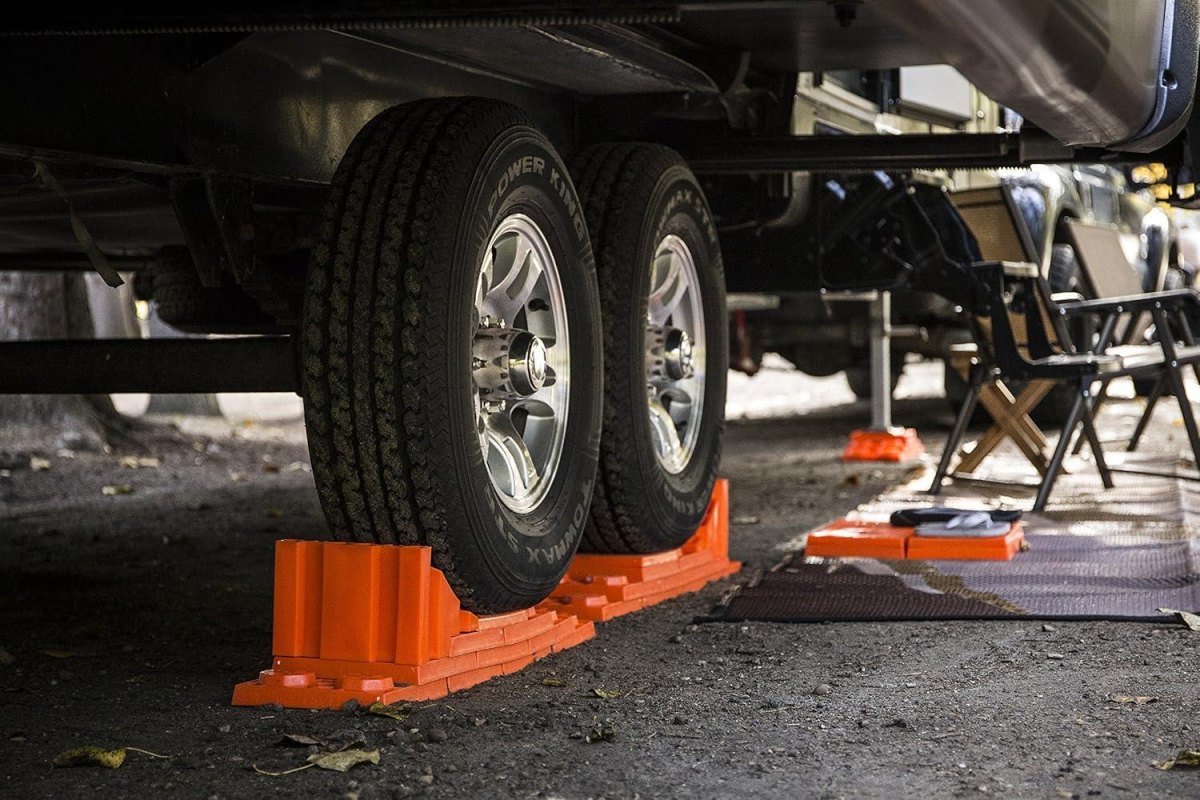
A gorgeous campsite loses some magic when I am sleeping downhill. Leveling blocks and stabilizers create a safer, more comfortable setup and help appliances work properly.
I keep a leveling routine because arriving tired is when mistakes happen. A few minutes outside saves a restless night inside.
| Item | Purpose |
|---|---|
| Leveling blocks | Adjust tire height |
| Stabilizers | Reduce movement |
Weather Protection and Emergency Equipment
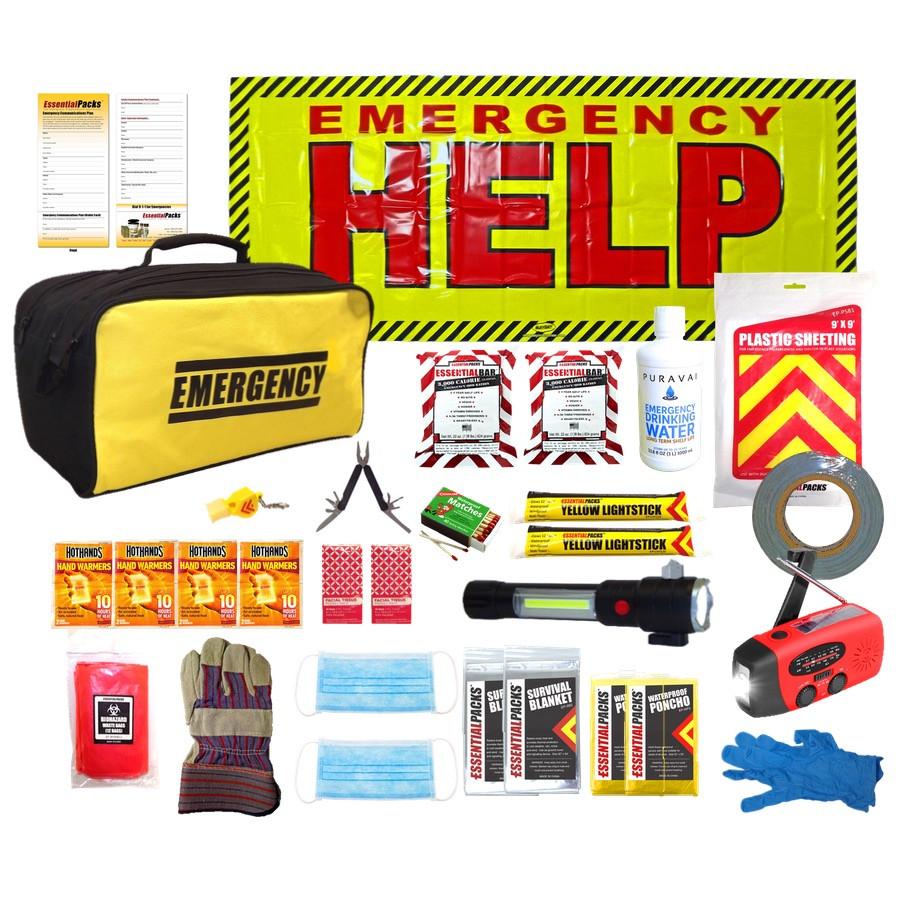
Remote camping means weather can become part of the itinerary without asking permission. My emergency equipment kit covers the basics: first aid, lighting, weather layers, and repair supplies.
I do not pack for disaster movies; I pack for ordinary problems that become inconvenient when the nearest town is hours away.
Cellular Boosters and Remote Internet Options
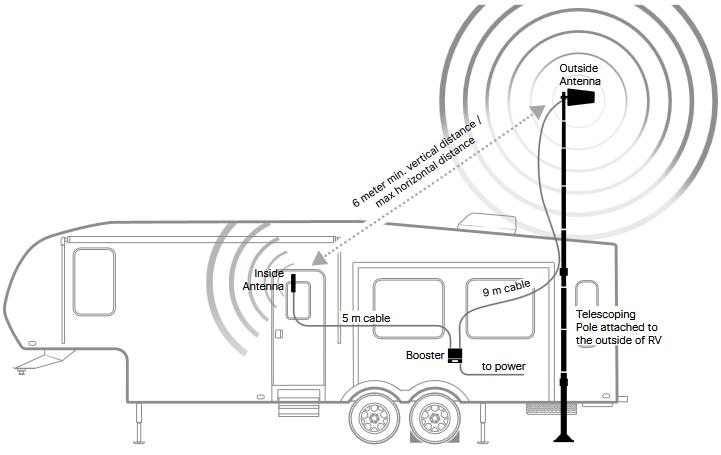
Remote does not always mean disconnected anymore, but I still plan carefully. A cellular booster setup can help improve usable signal in some areas, especially when combined with smart campsite choices.
I check coverage before arriving and never promise myself that work will happen just because I brought a laptop. The desert does not care about my deadlines.
Planning note
Download important files before leaving reliable internet and keep offline copies of essential information.
Outdoor Lighting and Safety Accessories
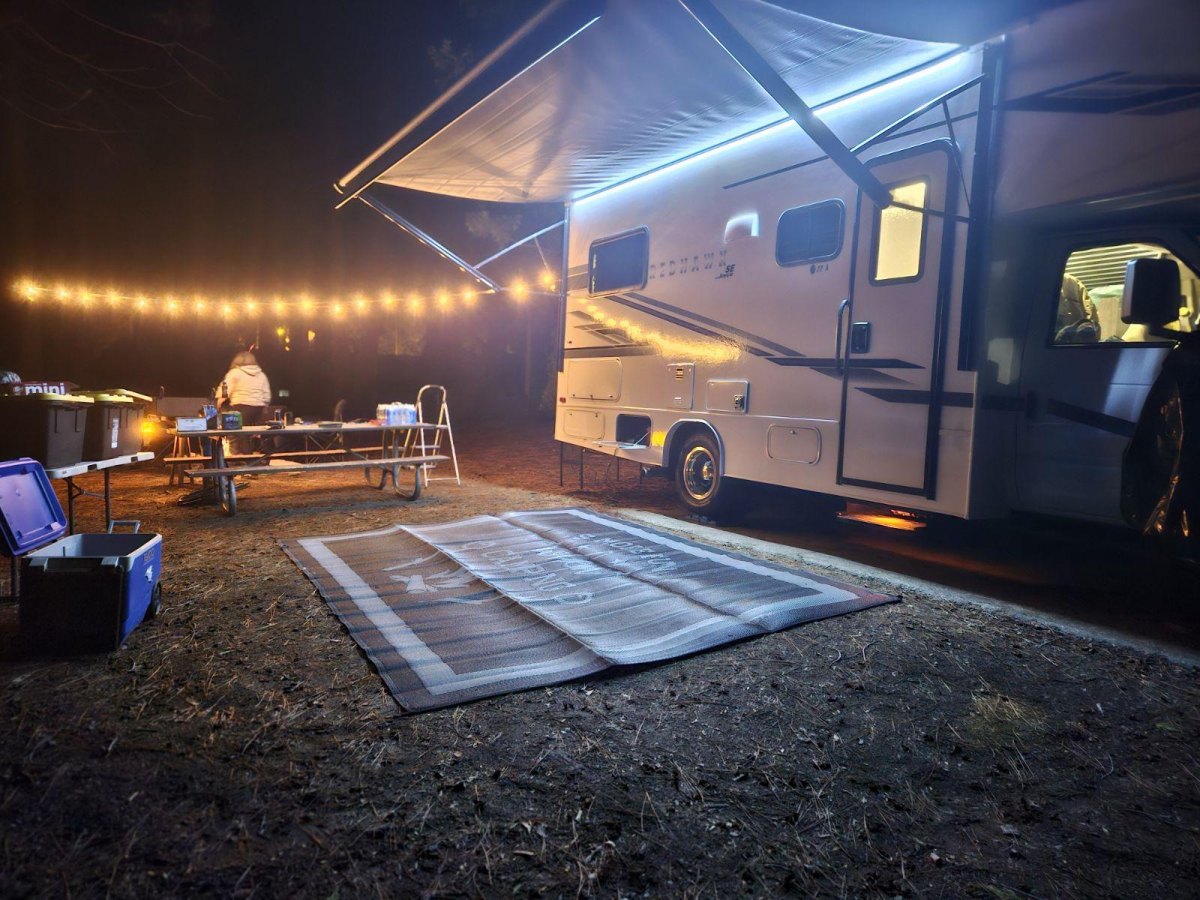
Good lighting is a small comfort that becomes a big deal after sunset. I use outdoor RV lights for cooking, walking around camp, and handling nighttime tasks safely.
My favorite gear is simple: rechargeable lanterns, headlamps, and lights that do not require a complicated setup.
- Headlamp: Keeps both hands free for repairs.
- Lantern: Creates campsite-wide visibility.
- Reflective gear: Helps with nighttime awareness.
Recovery Gear and Off-Road Travel Tools
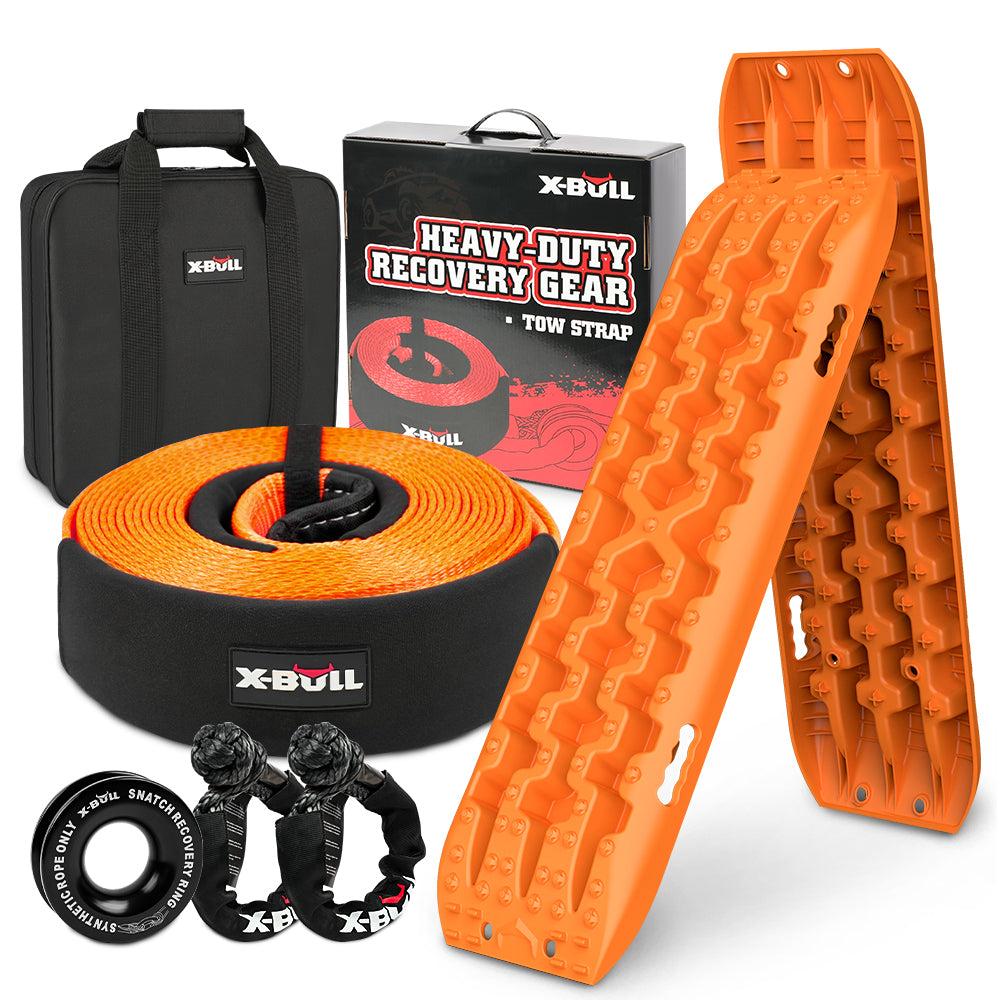
Some of my favorite campsites require roads that are more adventure than highway. Recovery equipment is about preparation, not expecting disaster. A solid kit can include traction tools, recovery straps, tire equipment, and basic repairs.
I have learned that confidence comes from knowing my limits and carrying recovery essentials before I need them.
Comfortable Sleeping and Interior Organization
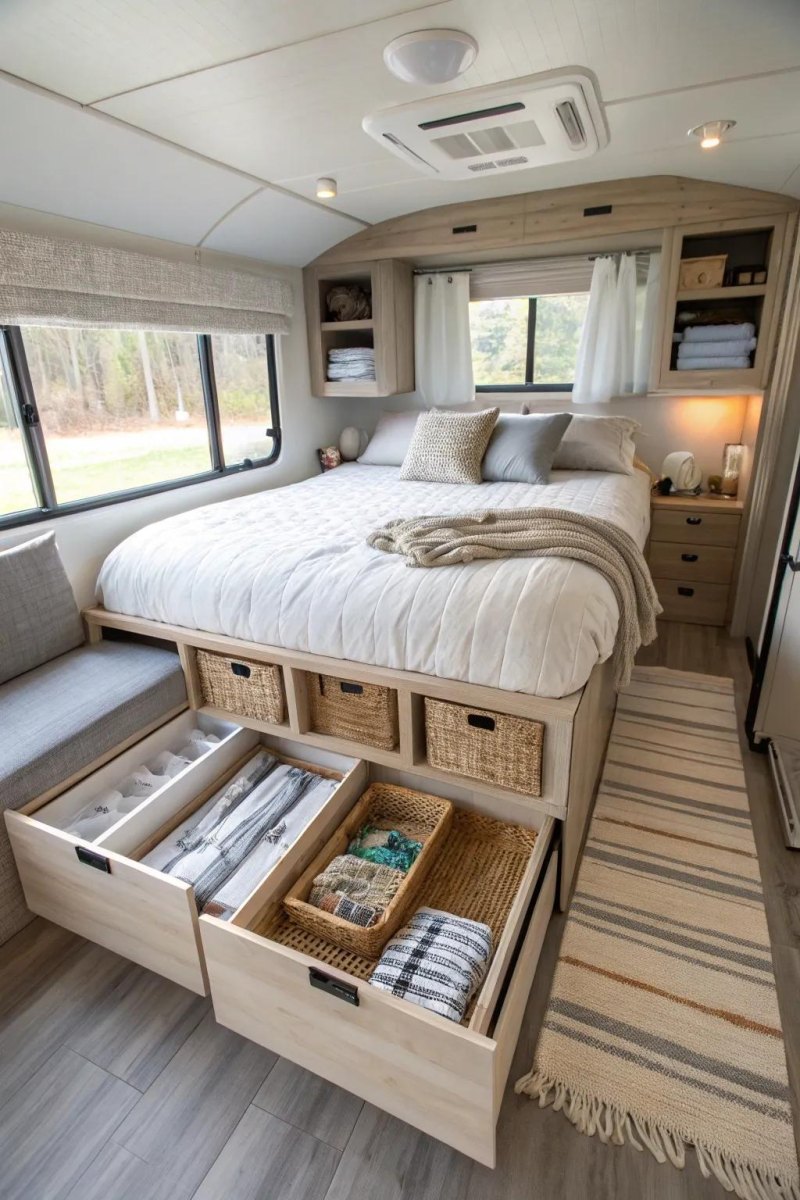
The final boondocking essential is the part people underestimate: making the RV feel like home. Smart interior organization keeps tiny spaces functional and reduces daily frustration.
I use storage systems that make everything easy to find because rummaging through a cabinet at midnight is not the adventure I came for.
My small-space rule
Every item gets a home, and every home should be easy to reach. If something requires a complicated search, I probably packed the wrong thing.
More Pinterest Visuals