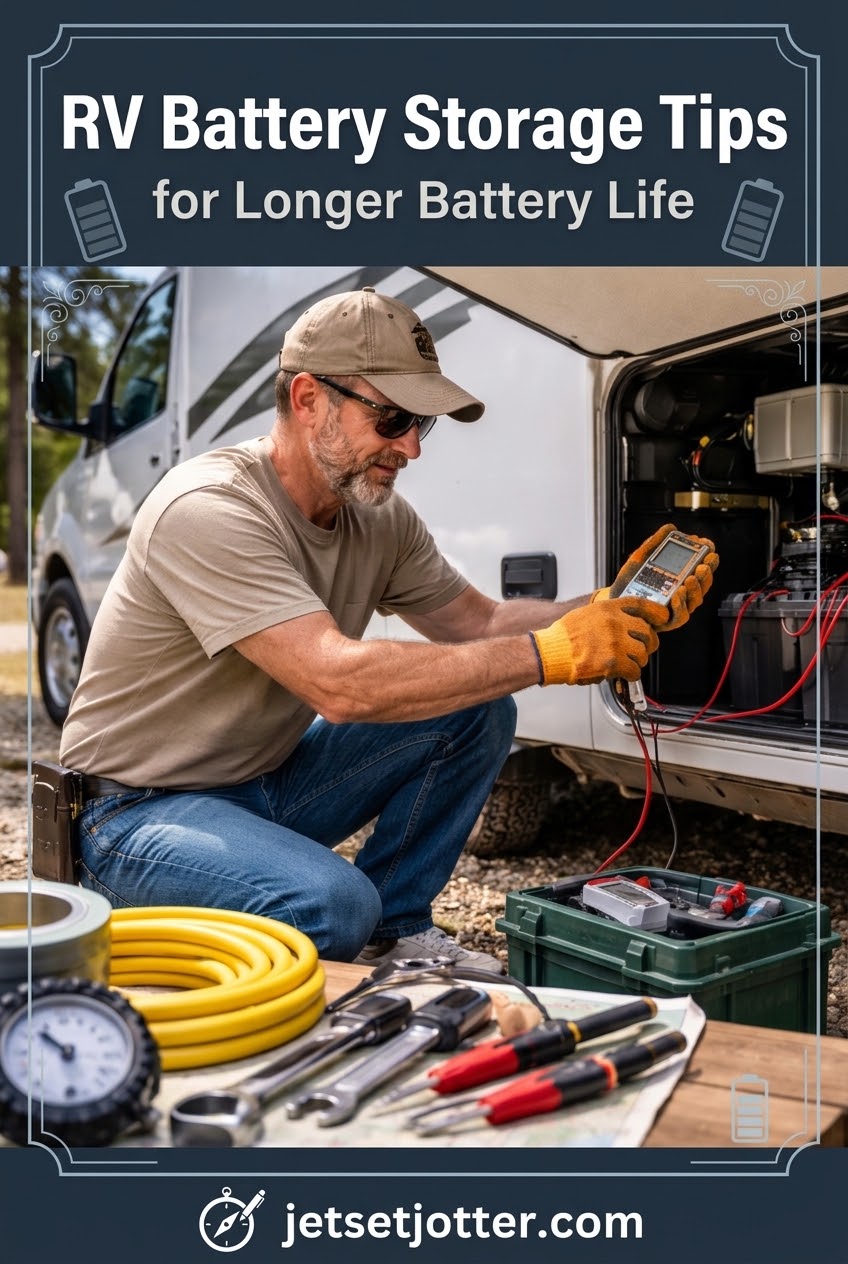

When I park my RV for more than a few weeks, the battery checklist comes out before the travel notebook does. I learned during years of living out of a suitcase that small maintenance habits prevent expensive surprises, and an RV battery is no exception. A dead battery waiting in storage is a very unromantic welcome-home gift.
I treat battery storage preparation like packing for a flight: check the essentials, protect the fragile parts, and never assume yesterday’s setup is still correct. Battery chemistry matters, temperatures matter, and even a tiny hidden power draw can quietly drain your system.
My RV battery storage checklist at a glance
- Choose a safe, dry storage location.
- Clean and inspect connections before parking.
- Use the correct charging method for your battery type.
- Protect against temperature extremes and long periods of inactivity.
Choose the Right Storage Location
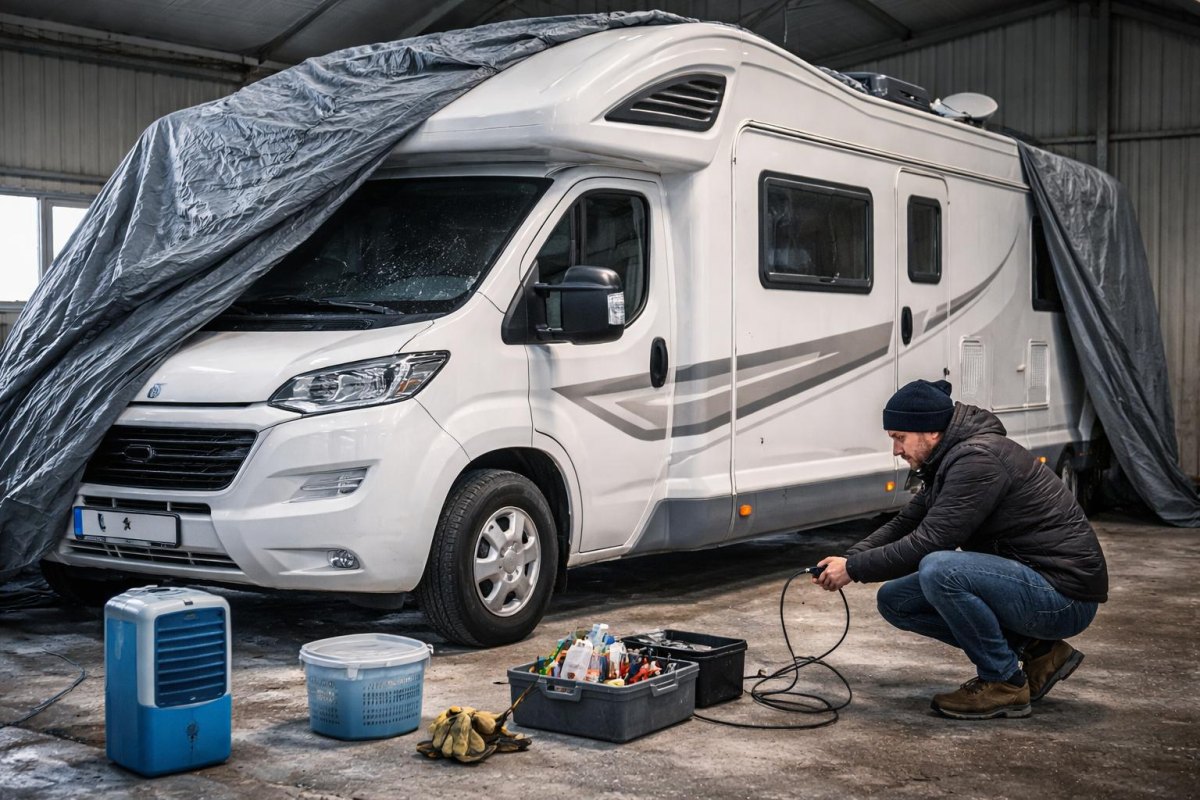
The first decision I make is where the RV will sit. A covered, dry location is ideal because stable temperatures protect batteries from unnecessary stress. Heat speeds up battery aging, while freezing conditions can damage discharged lead-acid batteries.
I also avoid places where water, road salt, or direct sun can reach the battery compartment. Manufacturer guidance commonly emphasizes cool, dry storage and disconnecting loads during long storage periods.
My storage rule
If I would not leave a suitcase there for six months, I probably would not leave my battery there either.
Clean Batteries Before Storage
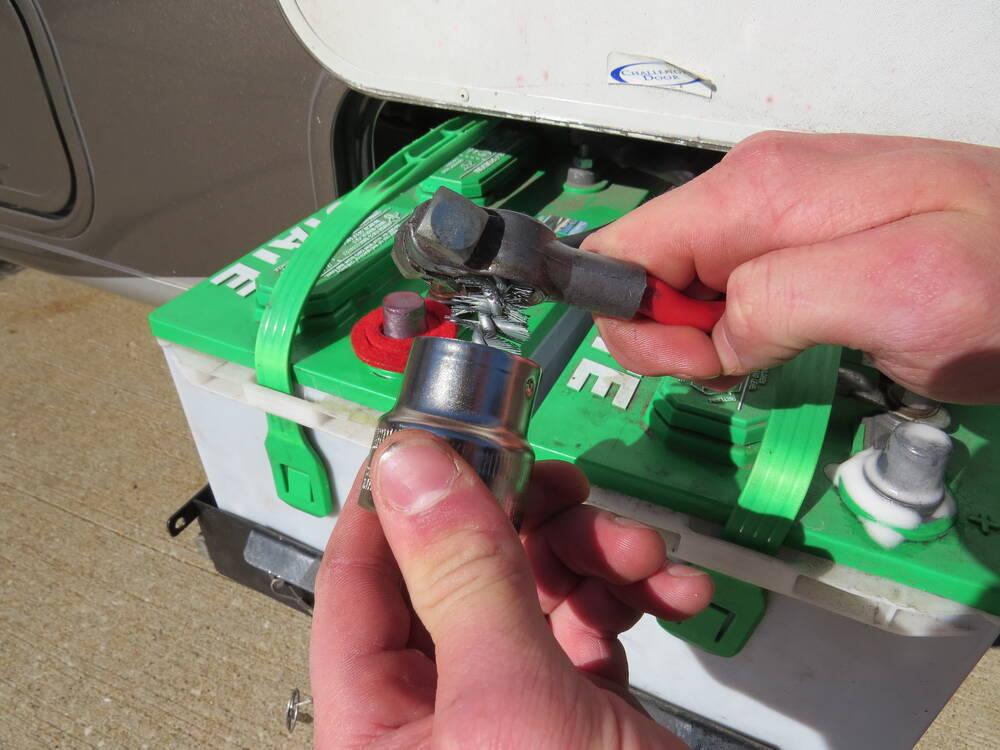
Before storage, I give the battery compartment the same attention I give my camera gear after a trip. Dirt and corrosion create resistance, and clean battery terminals improve reliability when I return to the road.
I inspect for corrosion, cracks, leaks, and loose connections. For traditional lead-acid batteries, cleaning terminals with an appropriate solution and checking fluid levels are common maintenance steps.
- Wear gloves and eye protection.
- Remove visible corrosion from terminals.
- Check cables for damage.
- Keep battery surfaces dry.
Disconnect Power Properly
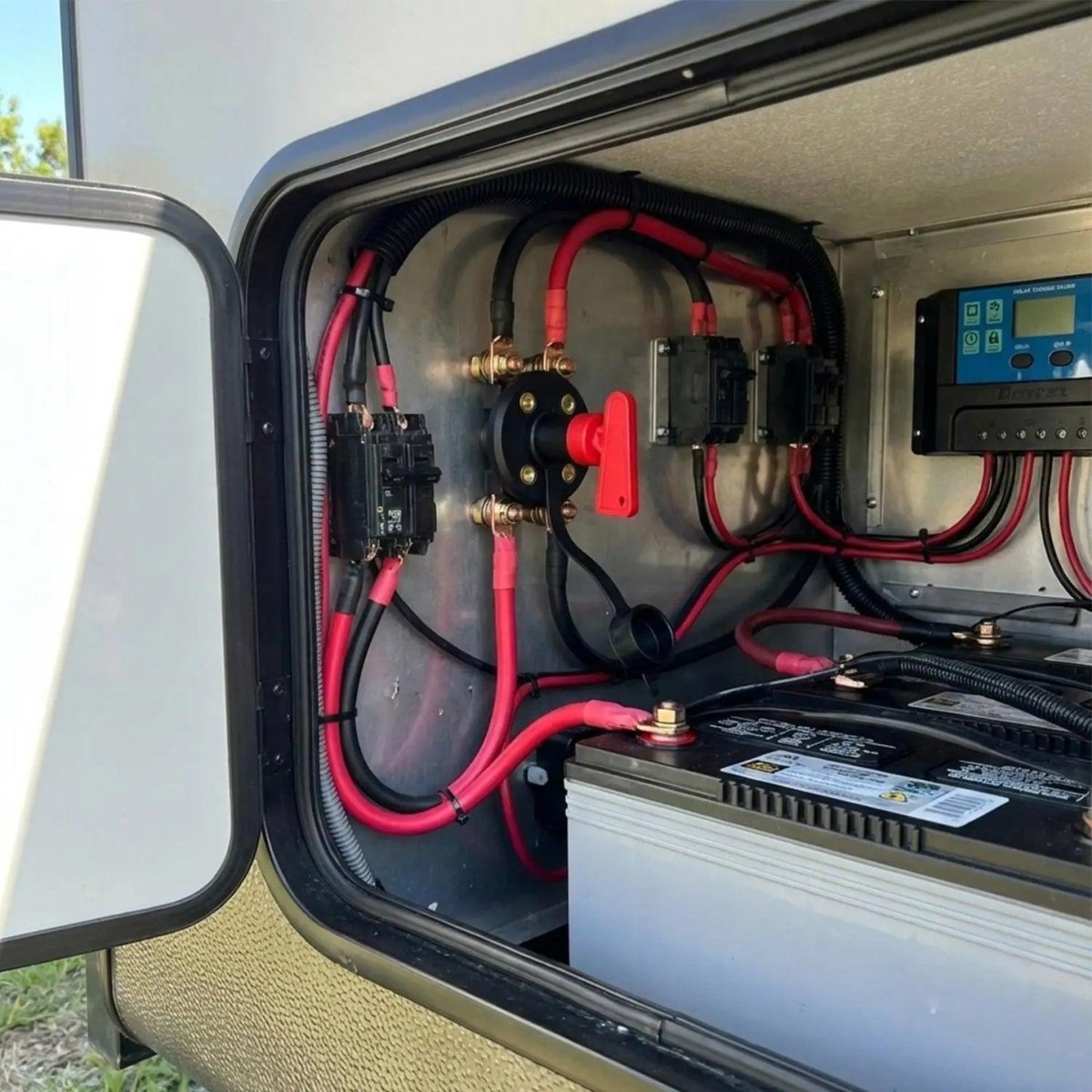
Small electrical draws are the sneaky travelers of the RV world. Sensors, clocks, alarms, and electronics can slowly drain a battery while the vehicle appears completely switched off.
I always use the battery disconnect switch when storing my RV for an extended period. Disconnecting loads is also recommended in lithium storage guidance to prevent unnecessary drain.
- Switch off. Turn off unnecessary RV electrical systems.
- Disconnect. Isolate the battery from parasitic loads.
- Confirm. Check that no hidden devices remain powered.
Check Battery Charge Level
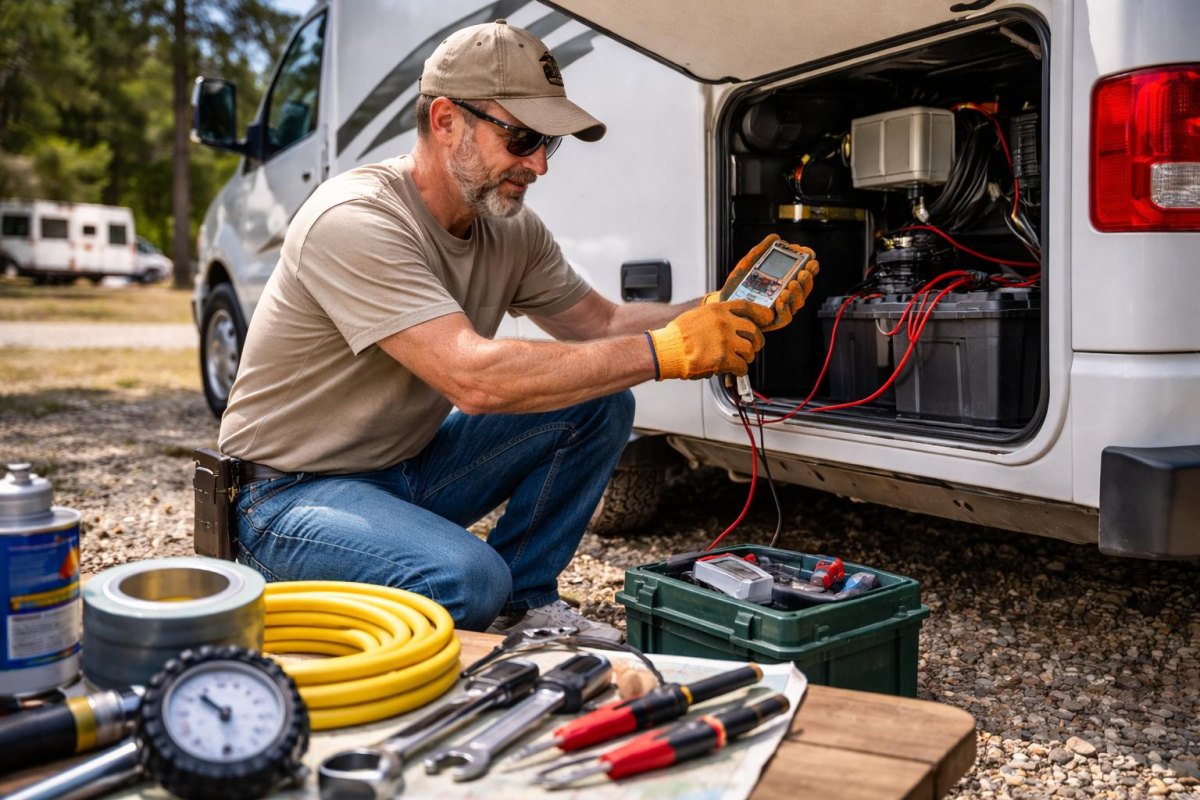
I never store a battery without checking its condition first. A quick voltage reading tells me whether the battery is ready for a rest or needs attention.
A fully charged battery before storage helps prevent problems, especially with lead-acid batteries that can suffer from sulfation when left discharged.
| Battery type | Storage approach |
|---|---|
| Lead-acid | Store charged and avoid deep discharge |
| Lithium | Follow manufacturer storage state recommendations |
Use a Smart Battery Charger
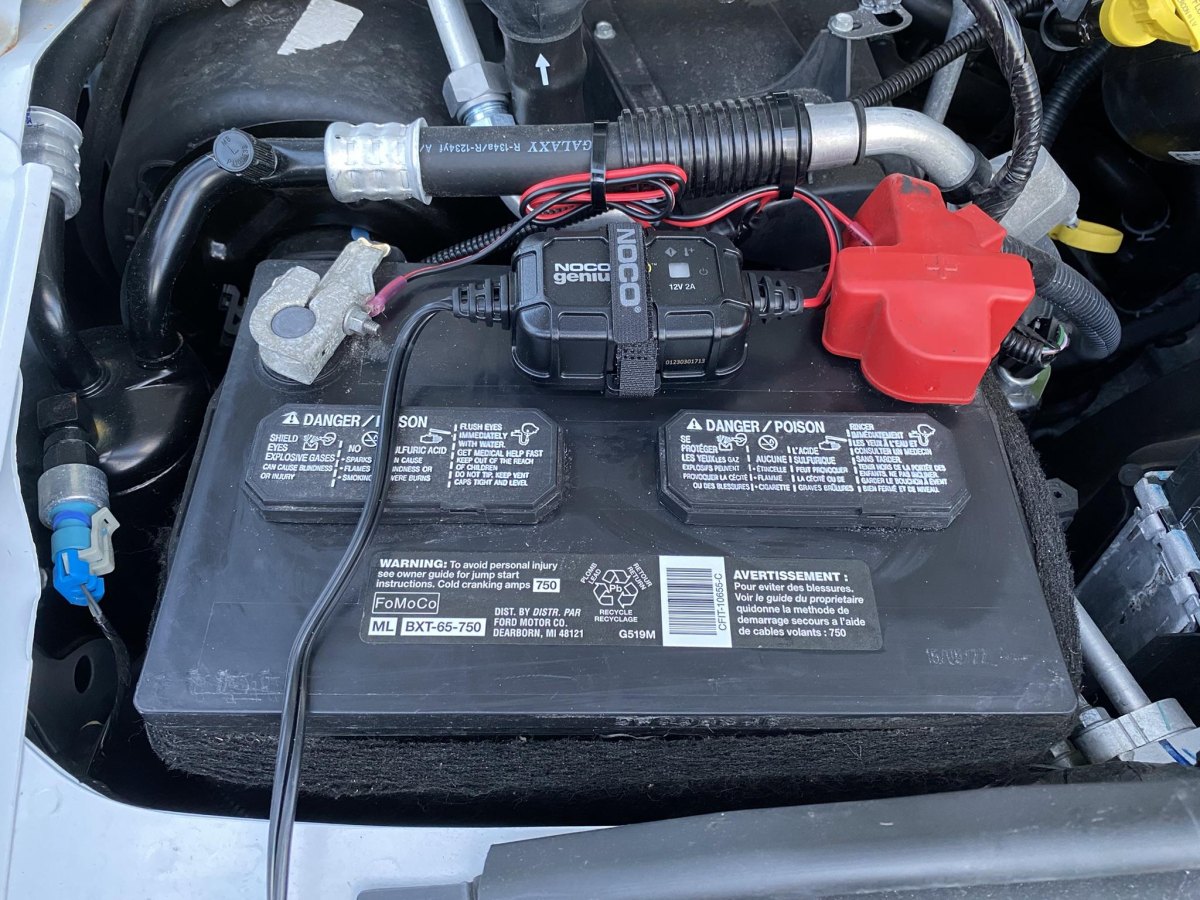
A smart charger is one of my favorite boring-but-brilliant RV tools. It manages charging stages instead of endlessly pushing power, which helps maintain batteries during downtime.
The key is matching the charger to the correct battery chemistry. Lithium batteries and lead-acid batteries often require different charging profiles.
Benefits
- Maintains charge automatically.
- Reduces overcharging risk.
Watch for
- Wrong charger settings.
- Poor-quality connections.
Protect Against Extreme Temperatures

I have chased delayed flights across continents, but batteries have taught me that weather can be just as dramatic. Extreme heat and cold affect battery performance and lifespan.
Temperature protection matters because storage conditions influence chemical reactions inside the battery. Lithium systems especially require attention to cold charging limits.
Cold-weather warning
Never assume every battery type behaves the same below freezing. Check your battery manufacturer’s limits first.
Maintain Lithium Batteries Correctly
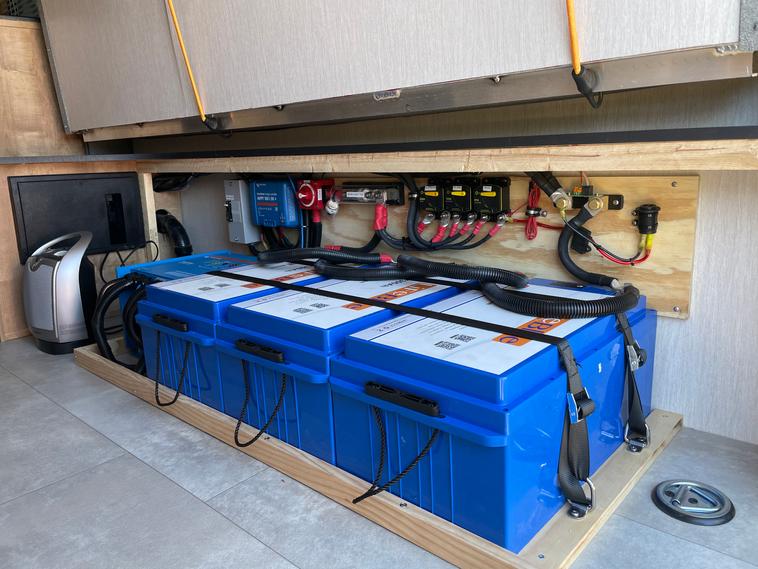
Lithium batteries changed RV travel for many owners, but they are not magic boxes. They still need the right storage habits.
I follow the manufacturer’s instructions for lithium battery storage levels, temperature, and disconnect procedures rather than copying old lead-acid routines.
- Charge settings: Use lithium-compatible equipment.
- Temperature: Avoid charging outside approved limits.
- Storage: Follow the battery maker’s recommended state of charge.
Prevent Lead-Acid Battery Sulfation
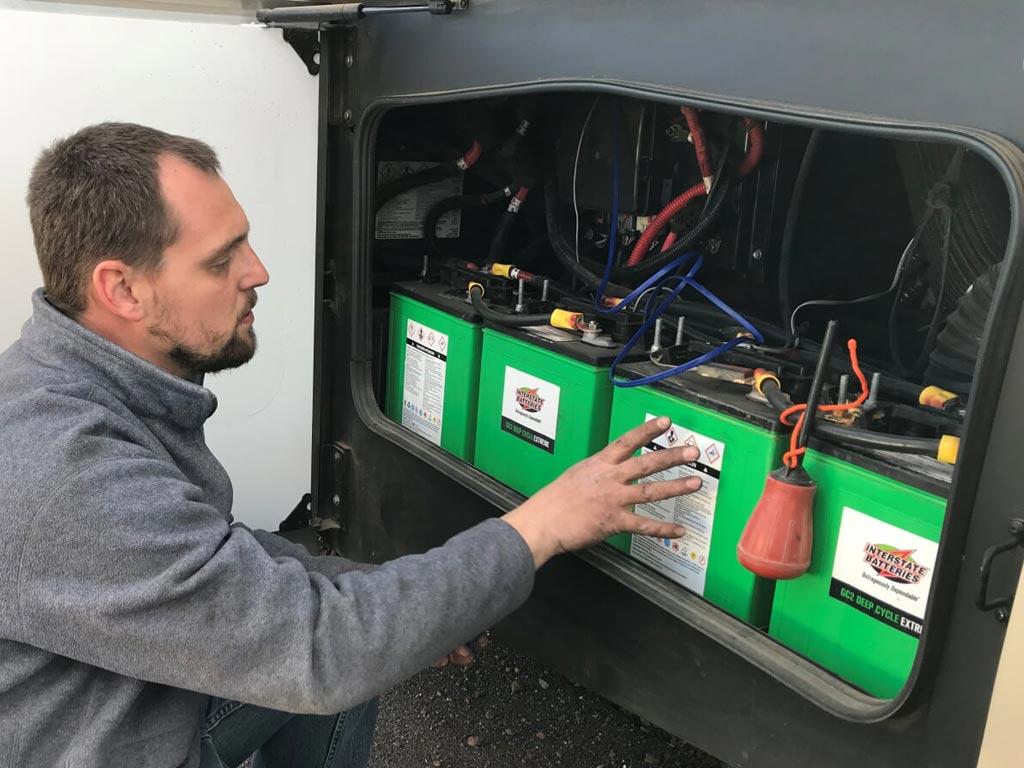
Lead-acid batteries reward consistency. Leaving them partly discharged for long periods is one of the easiest ways to shorten their useful life.
Sulfation prevention starts with proper charging and avoiding long periods in a depleted state.
1 habit
Charging before storage can prevent many avoidable battery problems.
Inspect Terminals and Connections
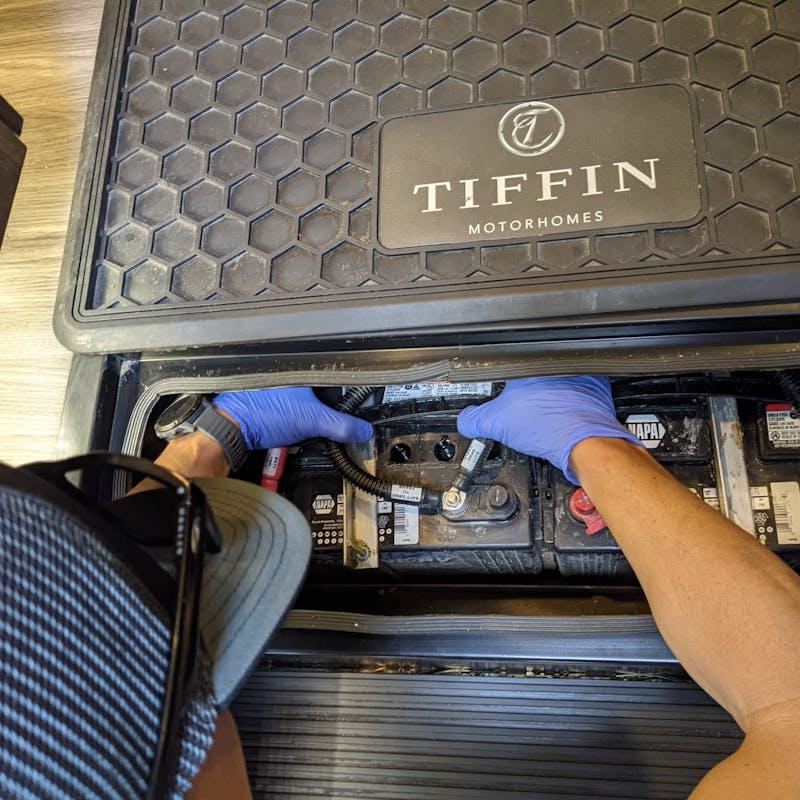
Before closing the battery compartment, I check every connection. Vibration from travel can loosen hardware, and corrosion can hide underneath cable ends.
A few minutes inspecting secure battery connections can save a frustrating roadside repair later.
- Check cable tightness.
- Look for corrosion.
- Inspect insulation damage.
- Confirm clean contact points.
Monitor Voltage Regularly
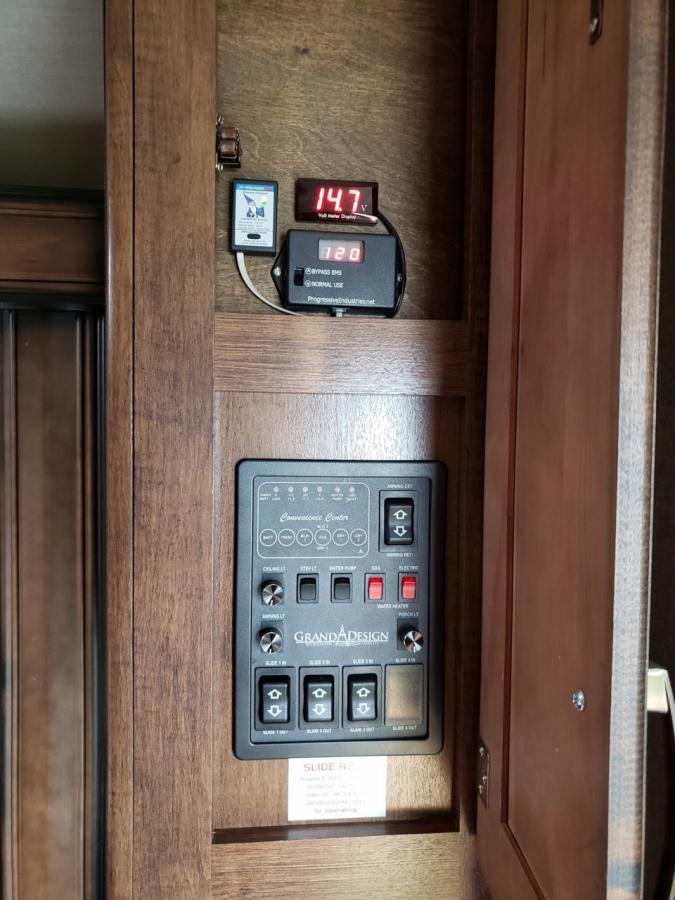
I like simple systems, and a voltage check is one of the simplest. It gives me a quick snapshot before a trip or after storage.
A digital battery monitor makes it easier to notice unusual drops before they become failures.
Small checks prevent large surprises.
My travel notebook margin rule
Store Solar Systems Safely
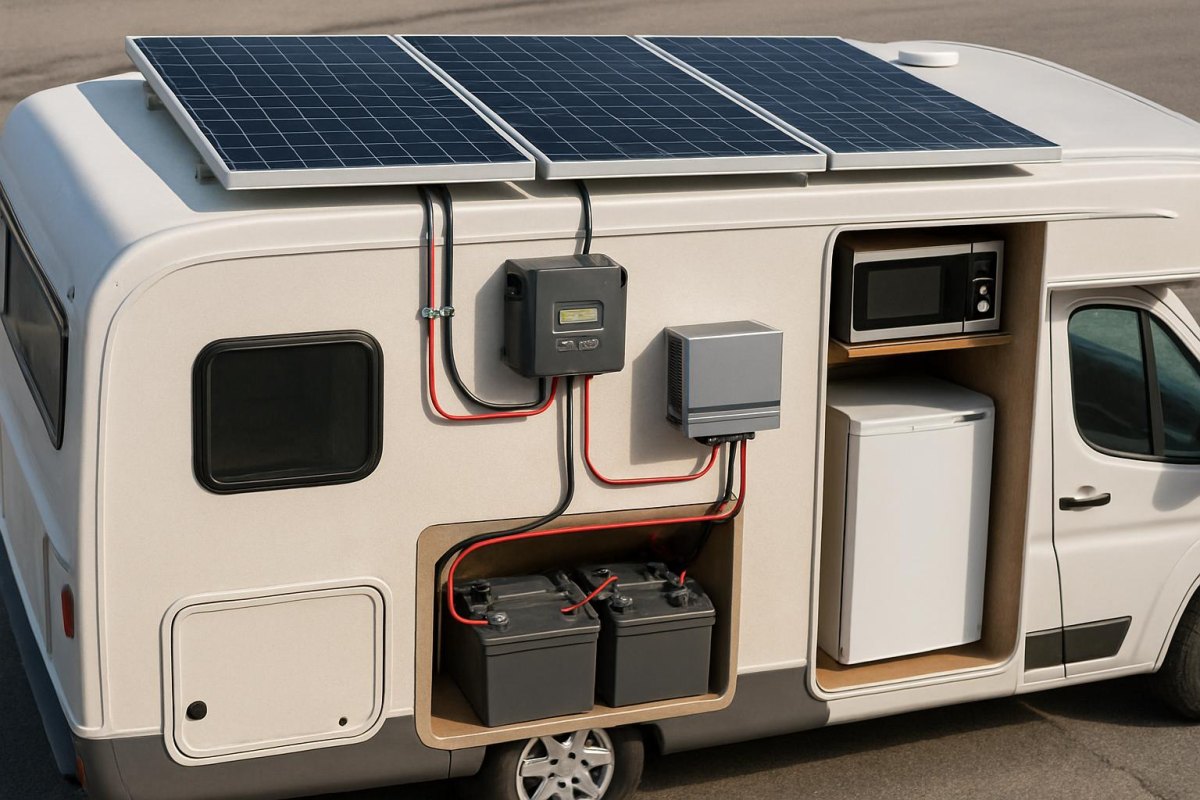
Many modern RVs have solar charging, which adds another layer to storage planning. I check the controller settings and disconnect procedures before leaving the RV parked.
Solar charge management should match the battery chemistry and system design.
Remember
A solar panel does not automatically mean your battery is safely maintained.
Keep Batteries Ventilated
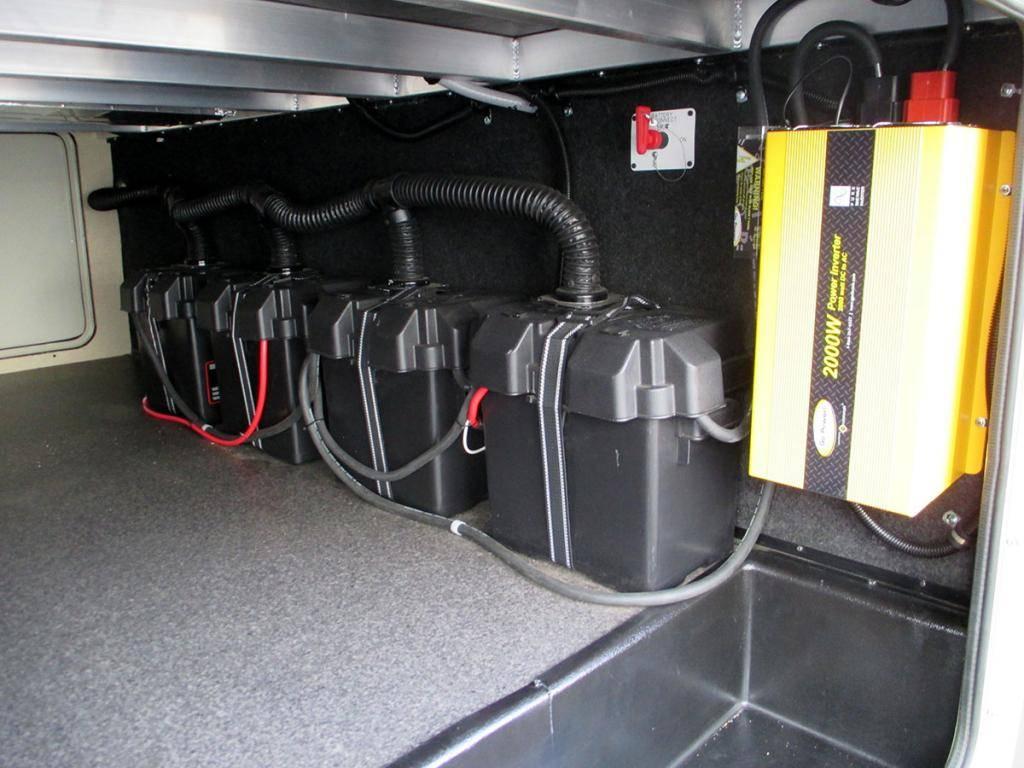
Ventilation depends heavily on battery type. Flooded lead-acid batteries and lithium systems have different requirements, so I never use a one-rule-fits-all approach.
Proper battery ventilation is especially important with batteries that can release gases during charging.
Common mistake
Installing a different battery chemistry without checking the compartment design can create safety issues.
Prepare for Long-Term Storage
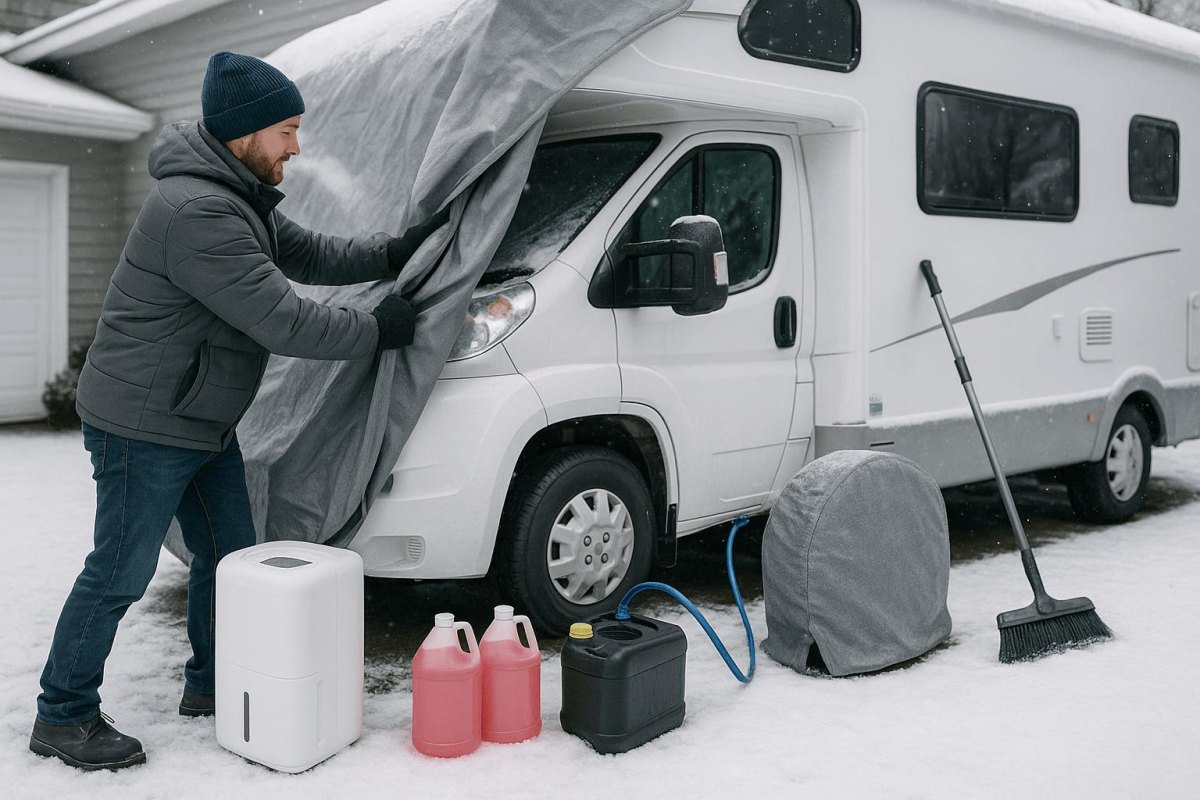
For seasonal storage, I make a small checklist and actually follow it. My flight days taught me that checklists exist because humans forget things when life gets busy.
The long-term storage routine includes cleaning, charging, disconnecting, and protecting the battery from environmental damage.
- Inspect. Look over the entire system.
- Charge. Bring batteries to the recommended level.
- Protect. Store safely until the next journey.
Restore Battery After Storage
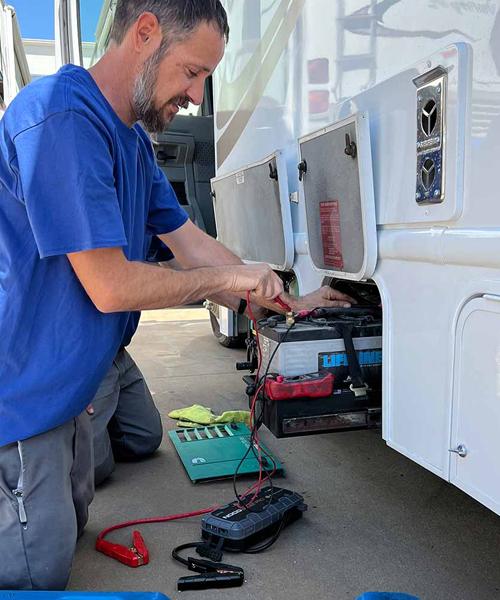
The first day back on the road is not the moment to discover a forgotten battery issue. I check everything before loading groceries and heading toward the highway.
Post-storage battery checks include voltage testing, reconnecting carefully, and confirming charging systems work properly.
My first spring check
I reconnect slowly, test the system, and only then start planning the next route. The adventure begins after the boring checks are finished.




More Pinterest Visuals