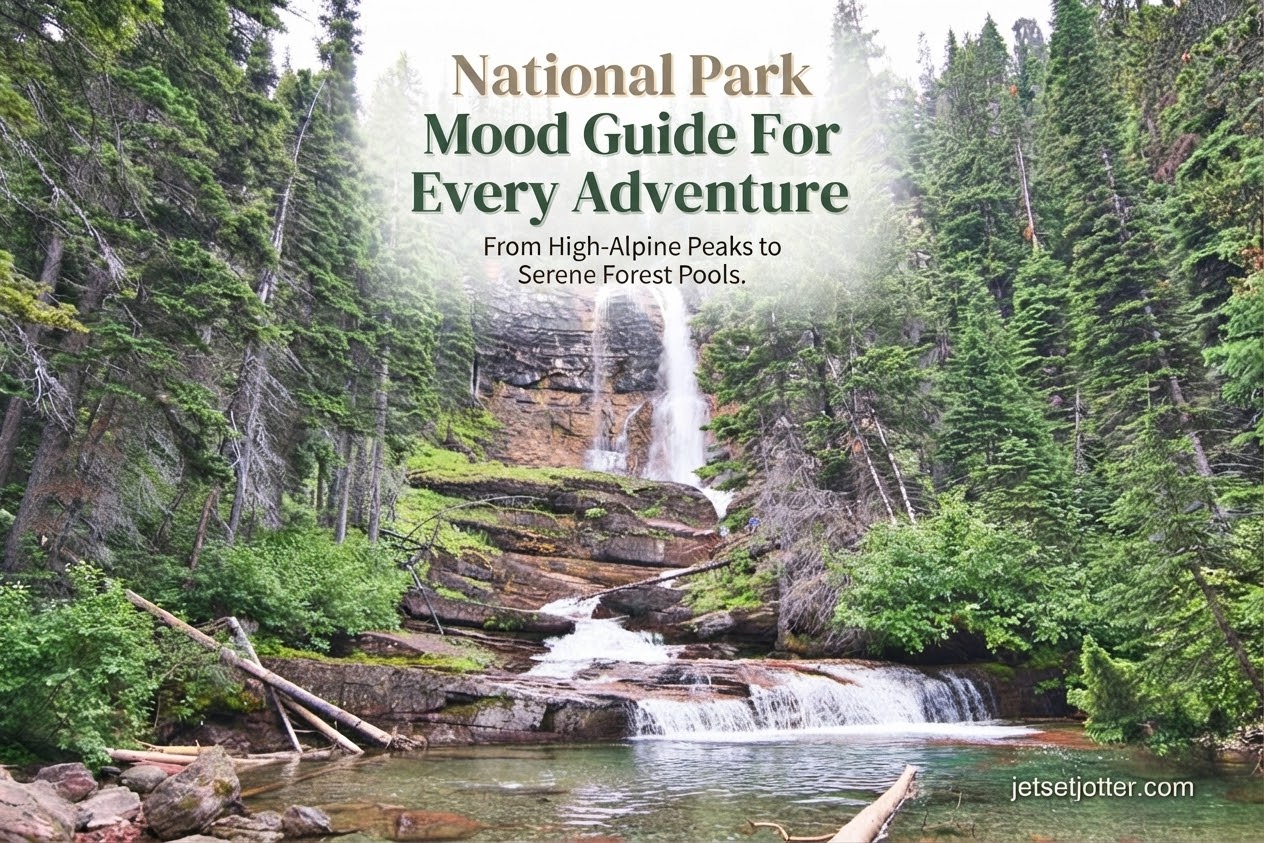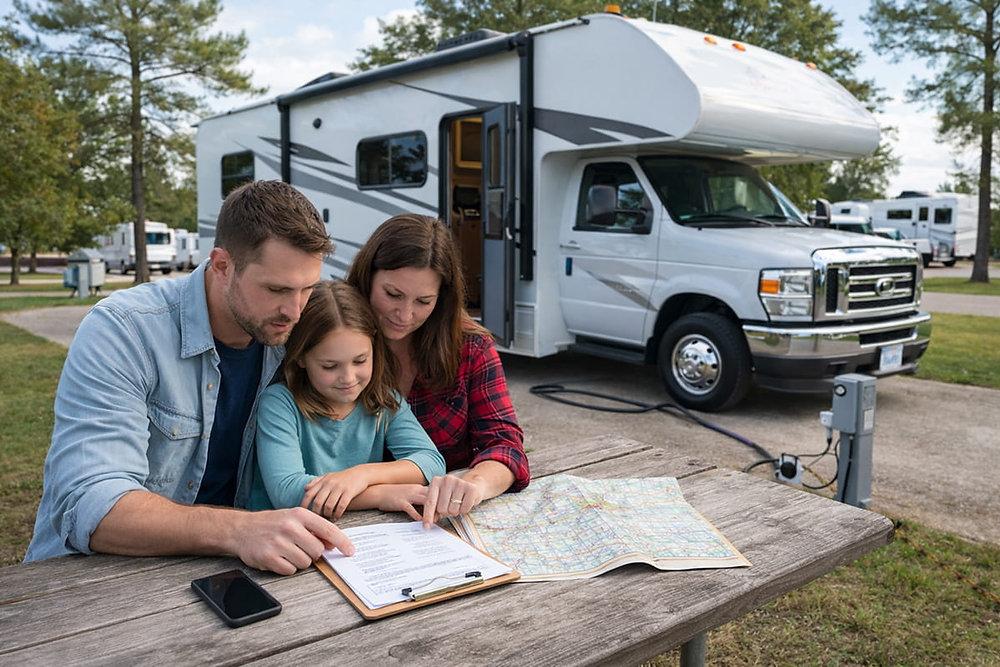

Some national parks feel like places you visit, while others feel like moods you carry home. I keep notes on these tiny emotional details in my travel journals because the best trips are not only about what I saw, but how the landscape made me feel.
I built this guide around ten different atmospheres, pairing each one with the kind of day I would plan, the pace I would choose, and the little practical details I would write in my notebook afterward.
National park moods at a glance
- Choose wilderness for quiet reflection and slower days.
- Choose mountains for challenge, altitude, and adventure.
- Choose deserts, coasts, forests, and skies for completely different rhythms.
Wilderness Serenity Mood
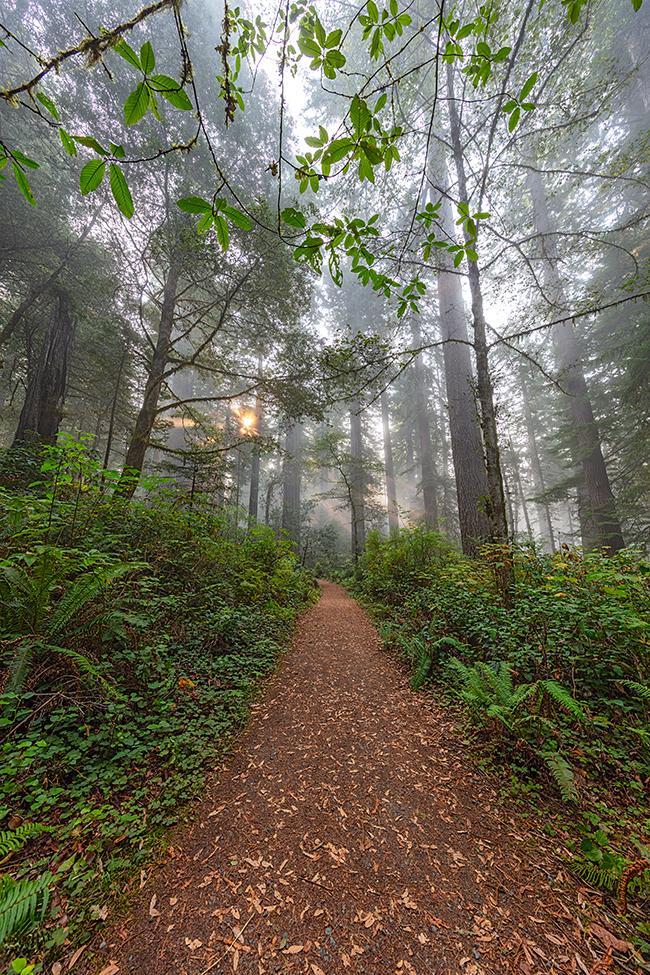
The wilderness mood is my favorite reset button: fewer sounds, fewer notifications, and more space between thoughts. I chase this feeling on forest trails where slow mornings matter more than checking off viewpoints.
When I plan a peaceful park day, I usually choose an early trail start, a simple packed lunch, and enough time to stop for details like birdsong or changing light.
Mountain Adventure Mood
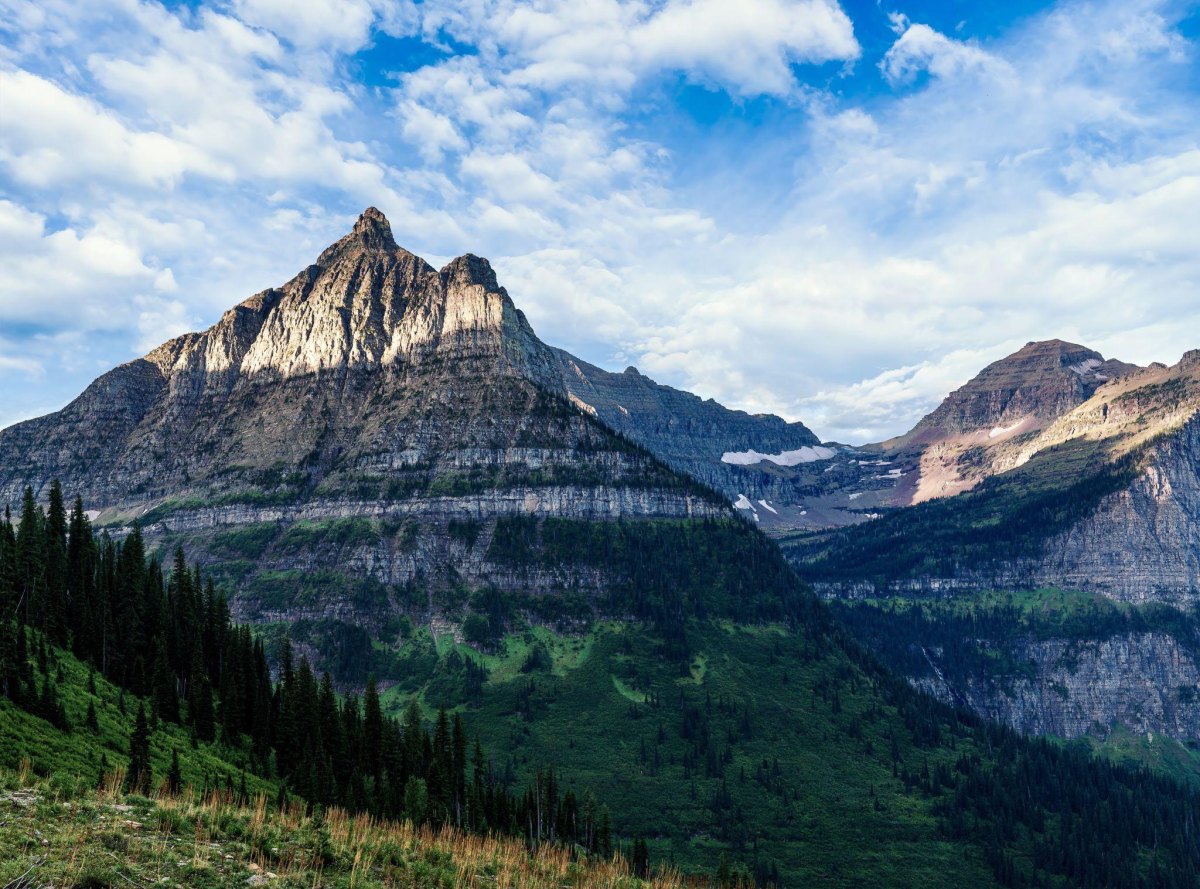
Mountains give me the feeling of earning the view. In parks like Rocky Mountain National Park, trail conditions can change quickly with elevation and weather, so I always check updates before hiking.
The mountain mood is about prepared adventure: sturdy shoes, extra layers, and a willingness to turn around if nature says not today.
Desert Exploration Mood
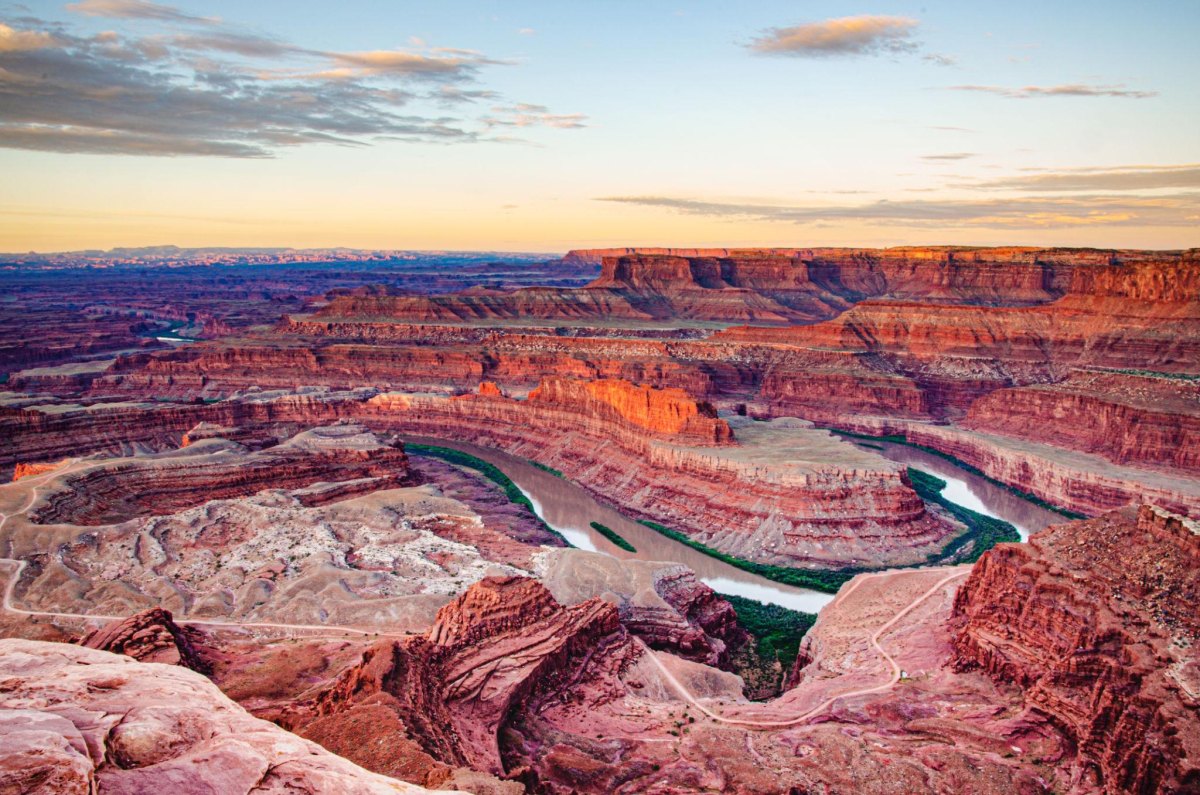
Deserts have a strange magic: they look empty but feel incredibly alive. Arches National Park, with its thousands of natural stone arches and rock formations, delivers that otherworldly landscape feeling I love chasing.
I keep desert days flexible because light changes everything. Sunrise, late afternoon, and evening can transform the same trail into three completely different experiences.
My desert tip
Carry more water than you think you need and protect your schedule from midday heat.
Coastal Escape Mood
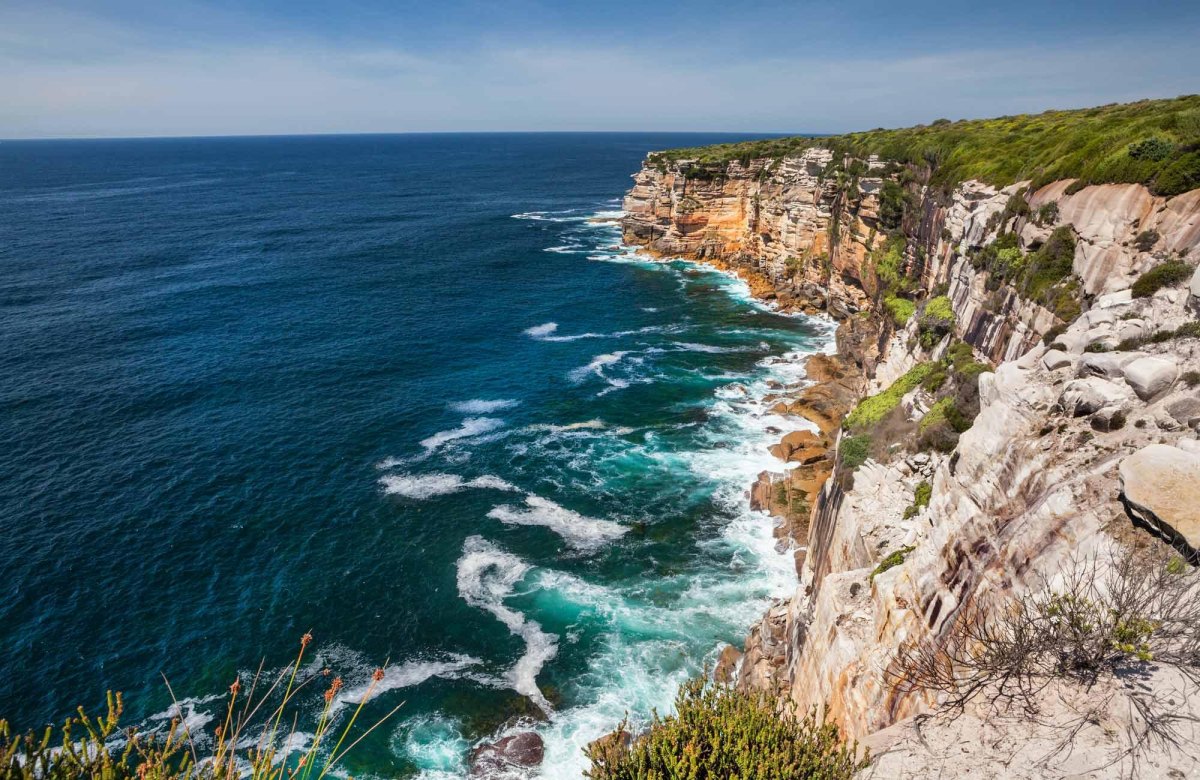
Coastal parks slow me down immediately. The combination of cliffs, wind, and waves creates a natural breathing rhythm that feels impossible to rush.
I usually plan coastal walks around changing tides and weather because the shoreline is always moving. My notebook entries from these days are usually shorter because I spend more time watching than writing.
Wildlife Discovery Mood
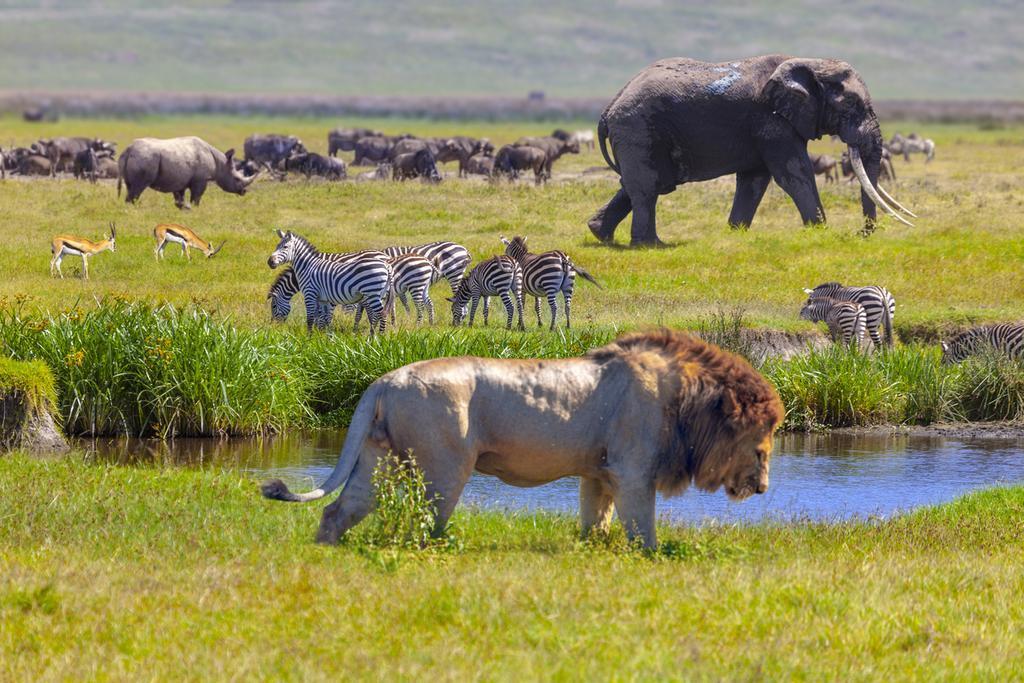
The wildlife mood is all about slowing down enough to notice. Yellowstone remains one of the parks where visitors can experience remarkable animal encounters, but I always remember that wildlife belongs first to the animals.
I pack binoculars, keep my distance, and accept that nature does not follow my itinerary. The best sightings are often the ones I did not schedule.
A reminder I write in every notebook
Never approach animals for a photo. The safest memory is the one taken from a respectful distance.
Autumn Forest Mood
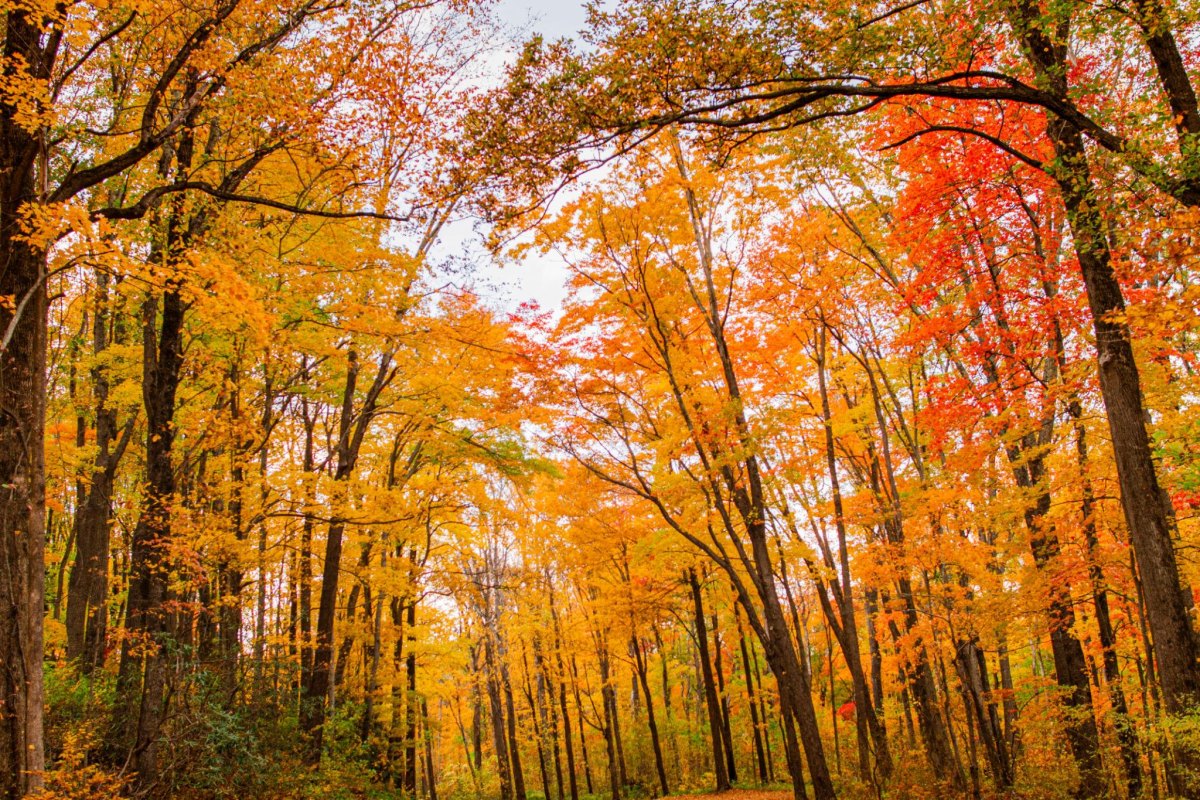
Autumn forests feel like nature decided to decorate without asking permission. Great Smoky Mountains National Park is especially known for fall foliage, though popular periods can bring crowds.
I prefer arriving early and wandering slower because quiet fall moments are usually found just beyond the busiest overlooks.
| Mood | Best approach |
|---|---|
| Autumn forest | Early walks and flexible routes |
Night Sky Wonder Mood
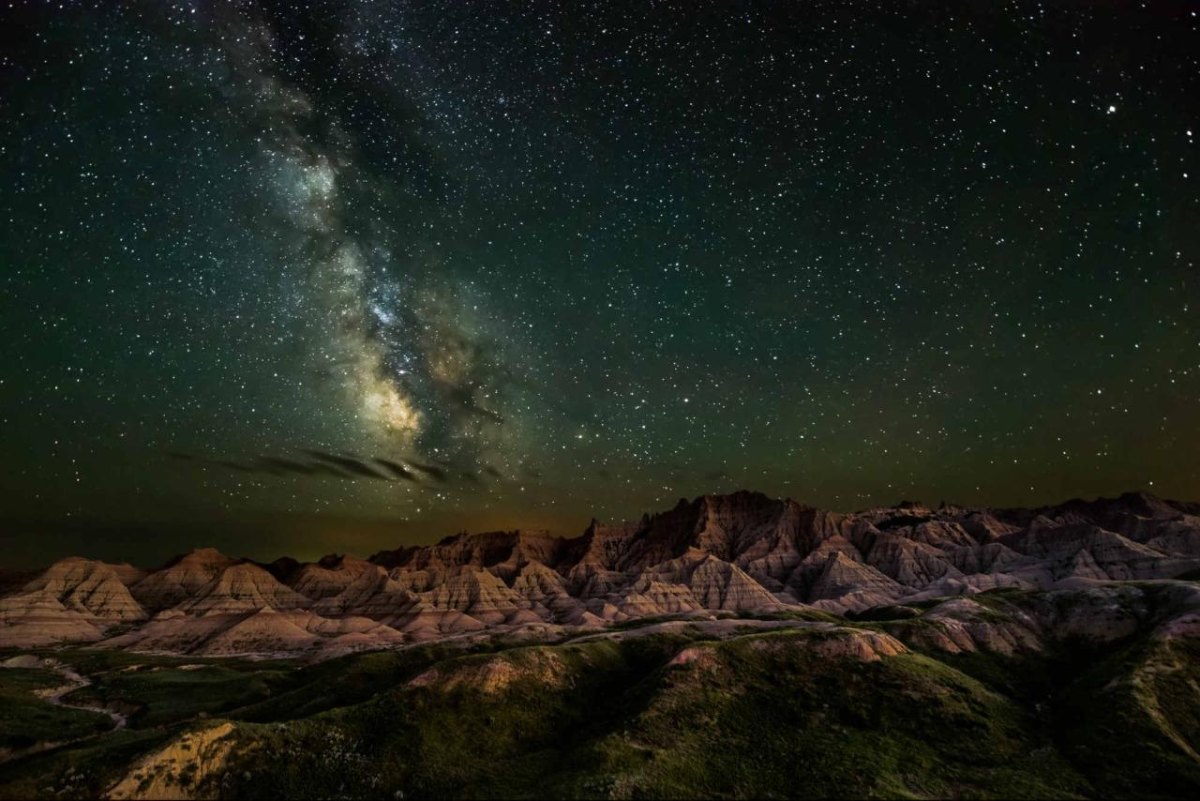
I think some parks deserve a second visit after sunset. Death Valley National Park protects exceptionally dark skies and is recognized as a Gold Tier International Dark Sky Park.
The night sky mood requires patience: warm layers, a red flashlight, and time for your eyes to adjust. The reward is the universe feeling close instead of distant.
The stars become part of the landscape, not just something above it.
My travel notebook, desert night entry
Waterfall Retreat Mood
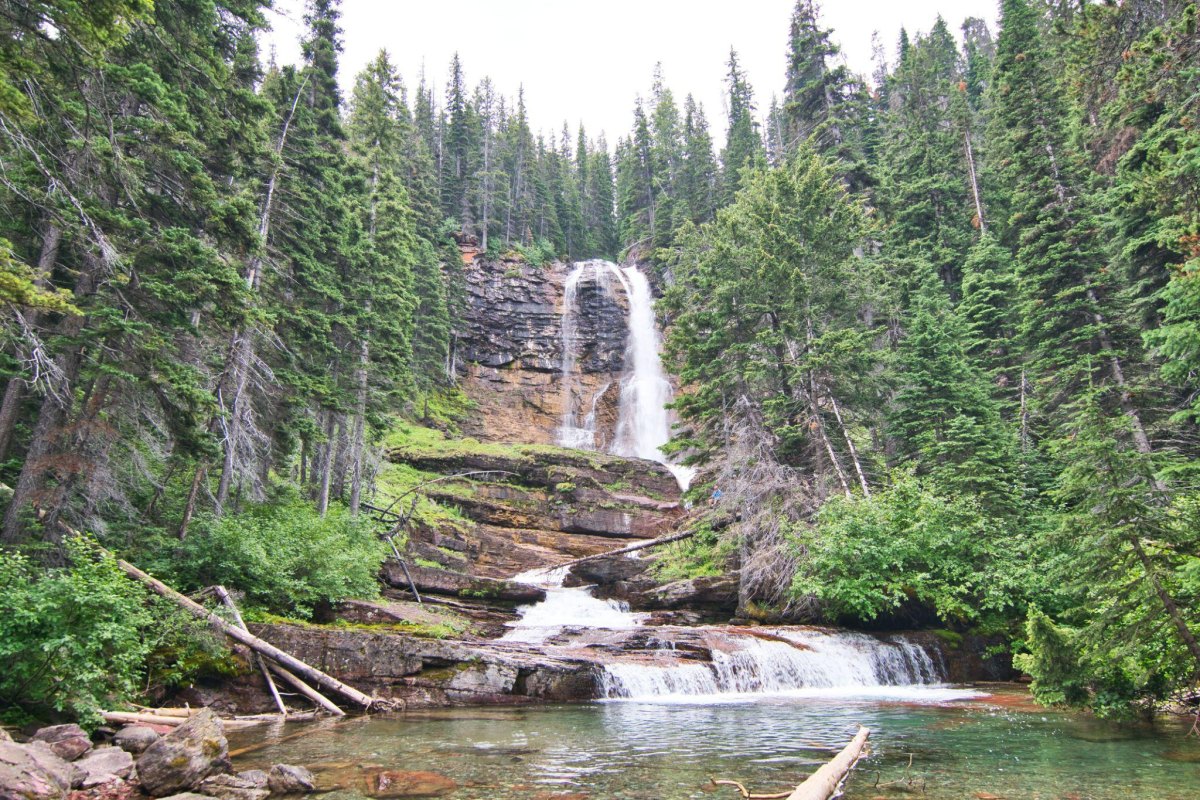
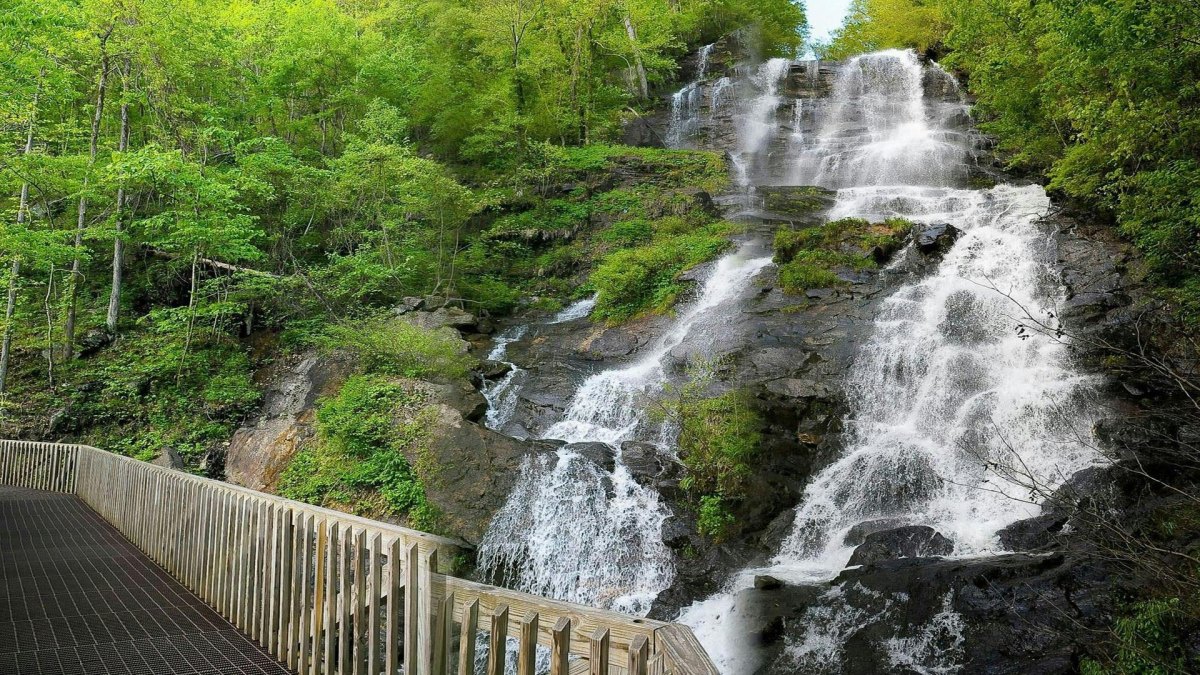
Waterfall days are my favorite cure for travel fatigue. The sound alone creates a quiet outdoor shelter where I stop checking my watch.
I look for shaded trails, bring a small snack, and give myself permission to sit. Some destinations are better experienced by staying still.
Why I love waterfall trails
- Cooling scenery.
- Great photo conditions.
What to remember
- Trails can be slippery.
- Popular falls may get crowded.
Deserted Trail Reflection Mood
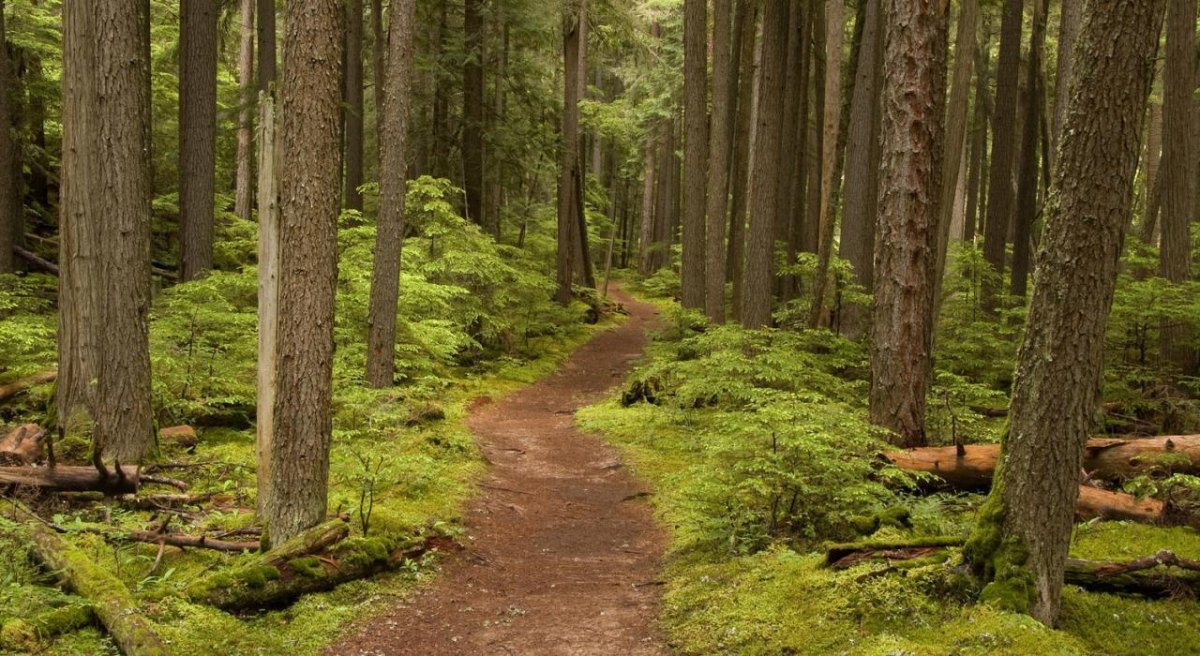
My favorite travel moments are sometimes the quiet ones between attractions. A deserted trail gives me room to think clearly and notice details I would miss in a rush.
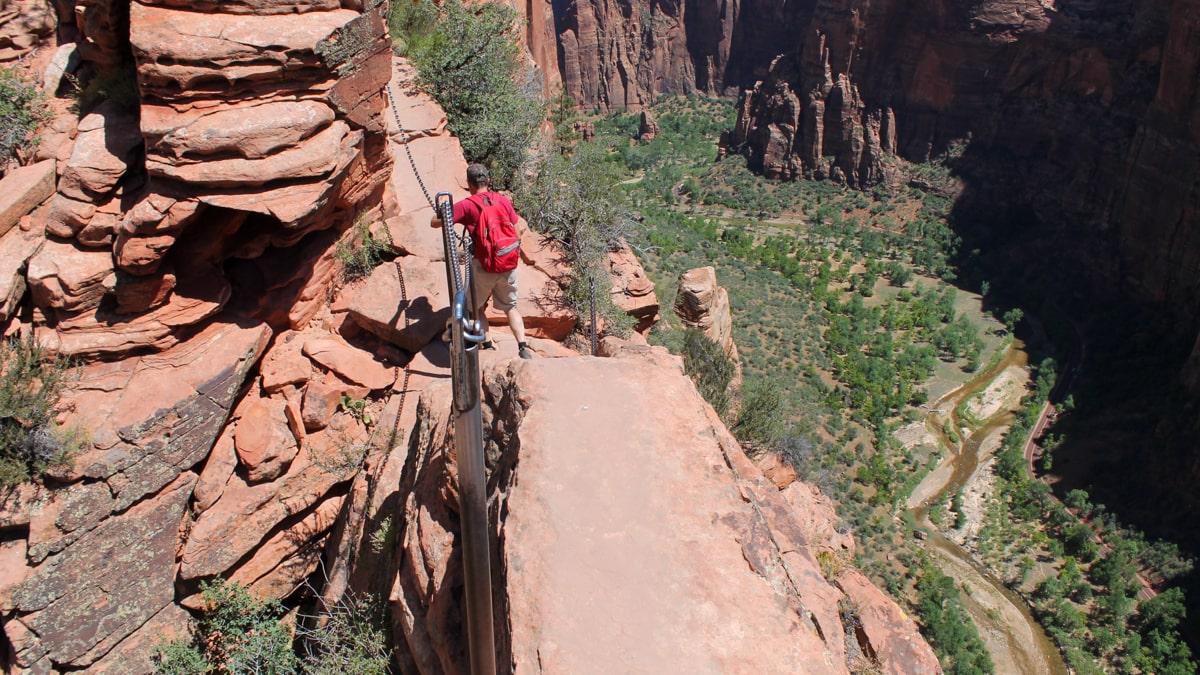
In busy parks, I look for less crowded paths, shoulder seasons, and slower hours. Zion National Park, for example, emphasizes planning ahead and following Leave No Trace practices.
Sunrise Renewal Mood
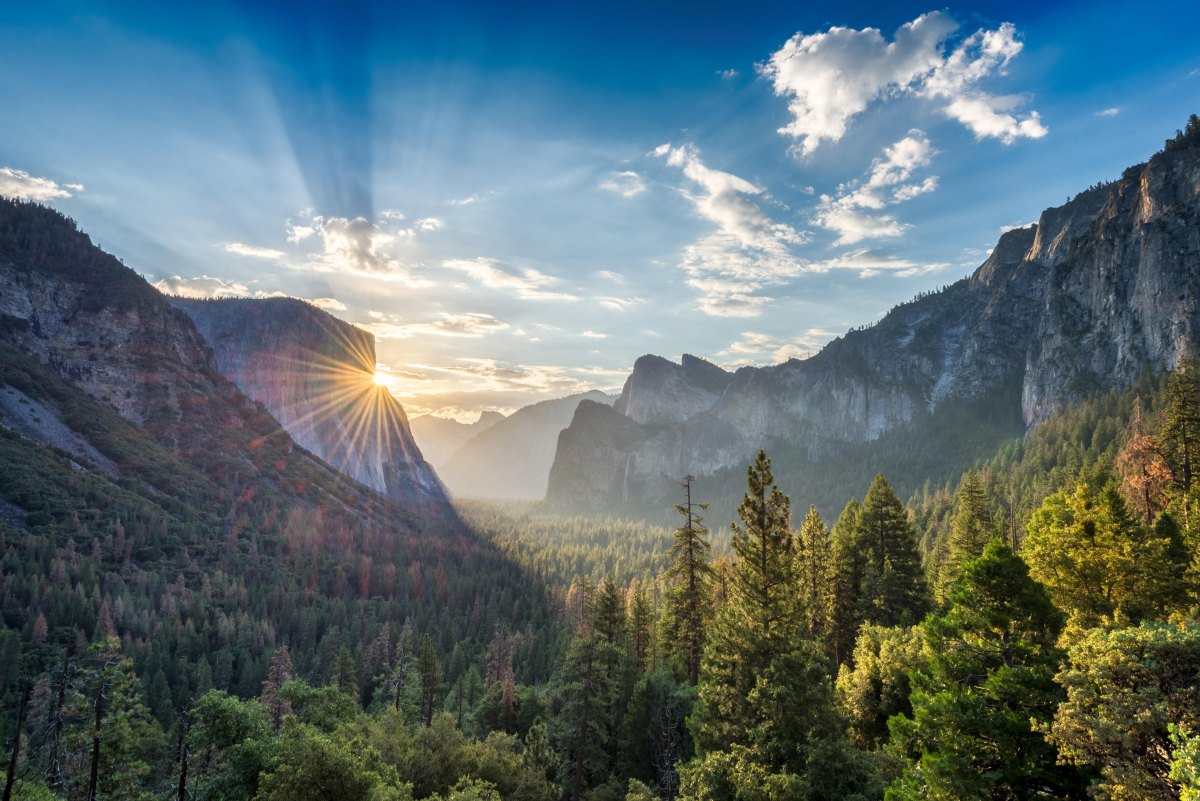
Sunrise is the closest thing I have found to a travel reset button. At the Grand Canyon, early viewpoints offer dramatic changes in light and atmosphere, and official guidance includes planning around sunrise times and viewpoints.
I bring coffee, a jacket, and a little patience. The first light of the day is rarely the moment for rushing away.
10
national park moods to match your travel style

More Pinterest Visuals