
RV travel does not have to drain a savings account. I have learned from years of tracking trip costs that the cheapest adventures usually come from small choices repeated every day: where I park, what I cook, how I drive, and what I carry.
These are the budget RV strategies I would use when planning a longer road trip without sacrificing the joy of waking up somewhere new.
Plan Low-Cost RV Routes
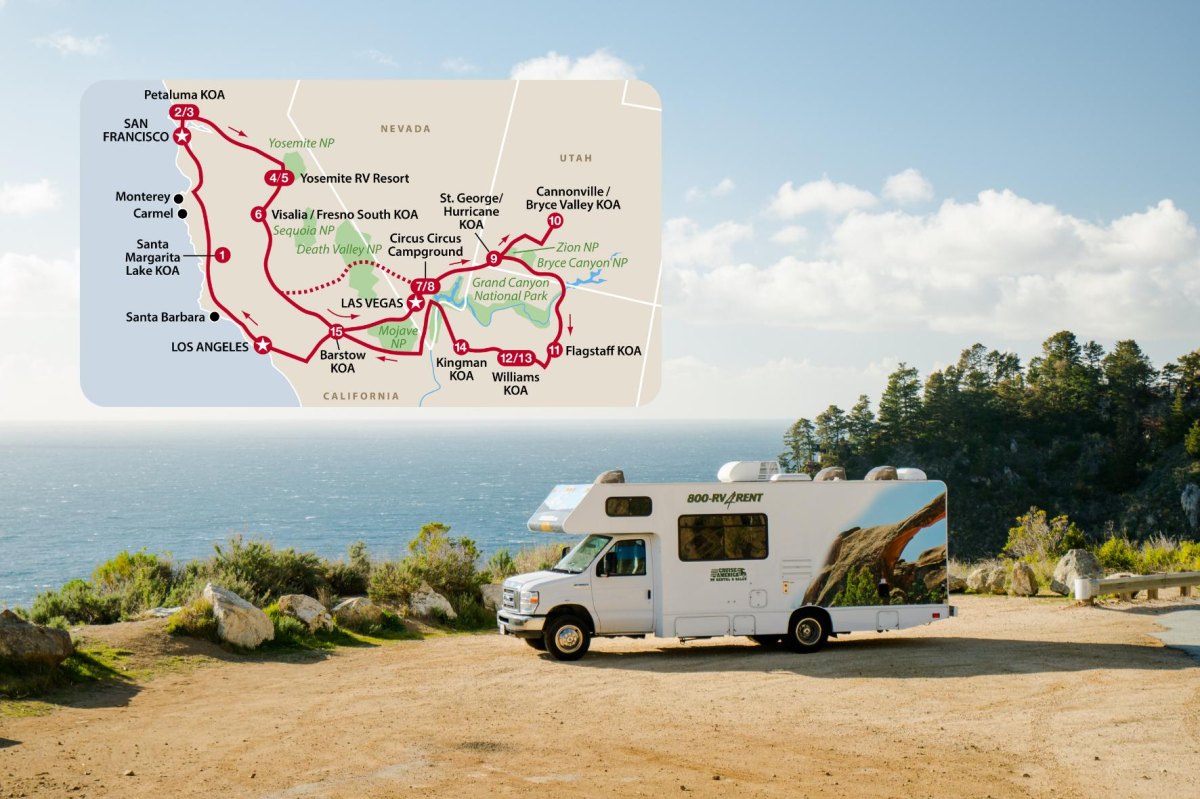
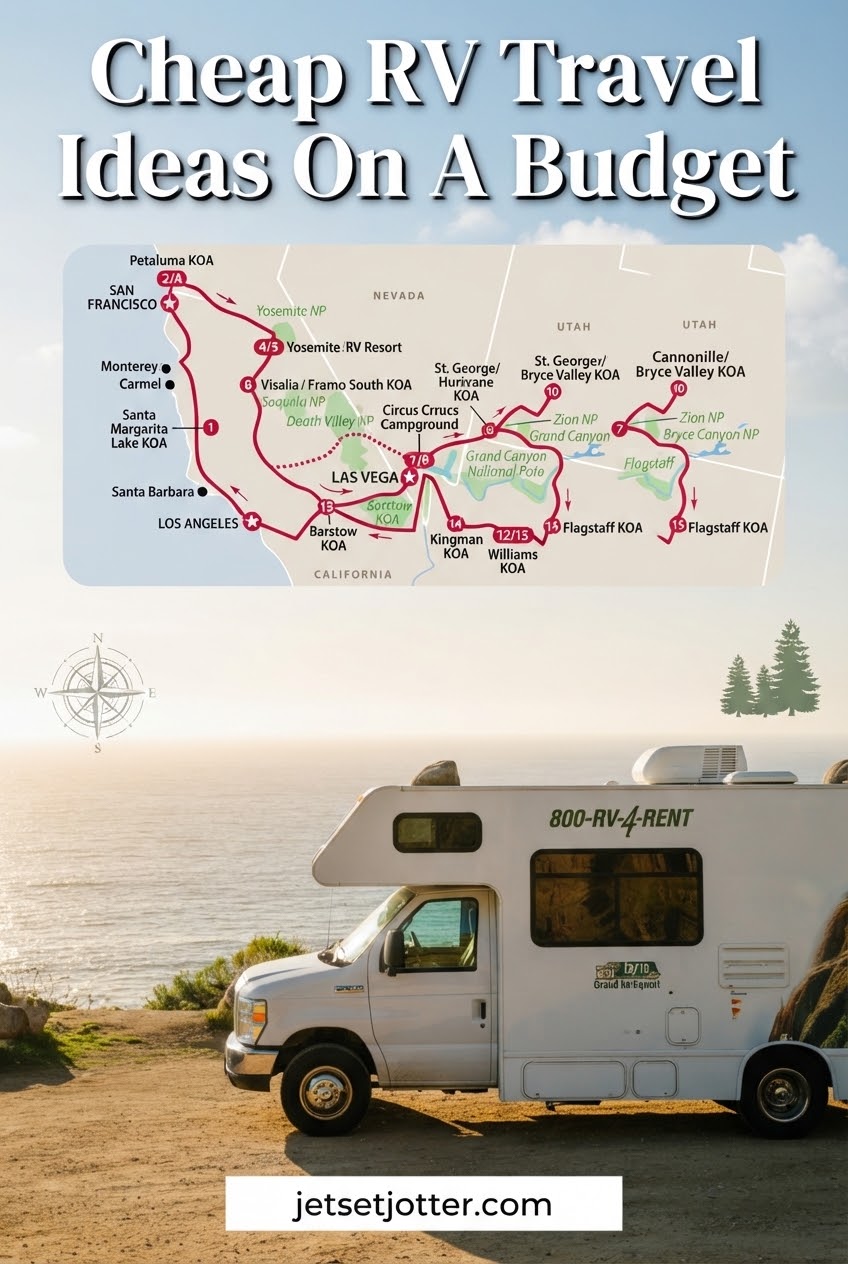
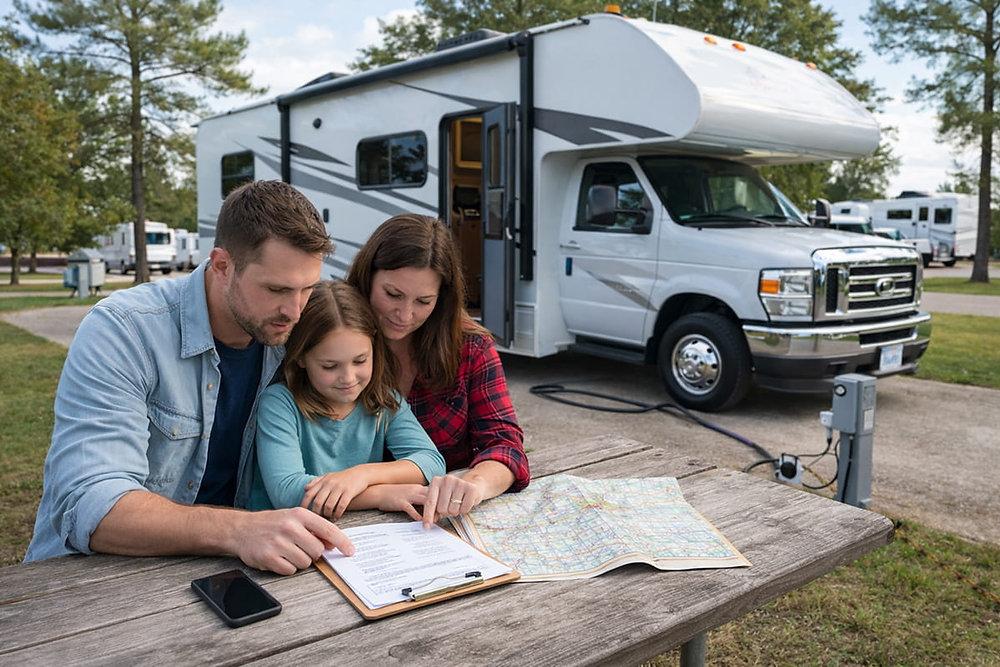
I start every RV plan with a map and a notebook page, not a reservation list. Choosing shorter driving days, combining nearby destinations, and avoiding expensive detours can dramatically reduce my road trip expenses.
I like building a flexible route with free attractions, scenic drives, and affordable overnight options. My rule is simple: plan the bones, then leave room for surprises.
Camp on Free Public Lands
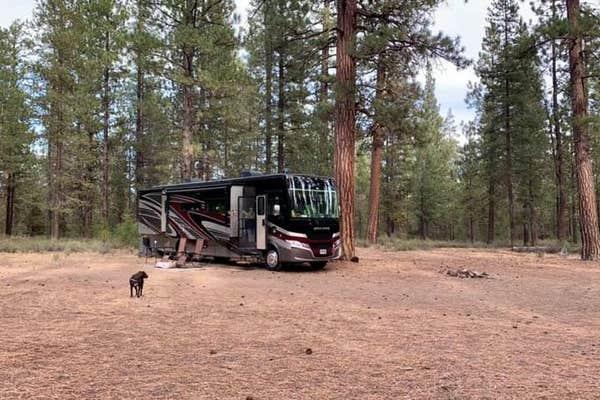
Free public land camping is one of my favorite ways to stretch an RV budget. I always check local rules first because stay limits and restrictions vary by location. The BLM explains that dispersed camping is generally allowed on many public lands but rules differ by area.
The magic is waking up with a mountain view instead of a campground receipt. I keep a respectful footprint by using existing sites and following Leave No Trace habits.
My tip
Download maps before arriving. Cell service has a funny habit of disappearing exactly when I need directions.
Save Money with Boondocking
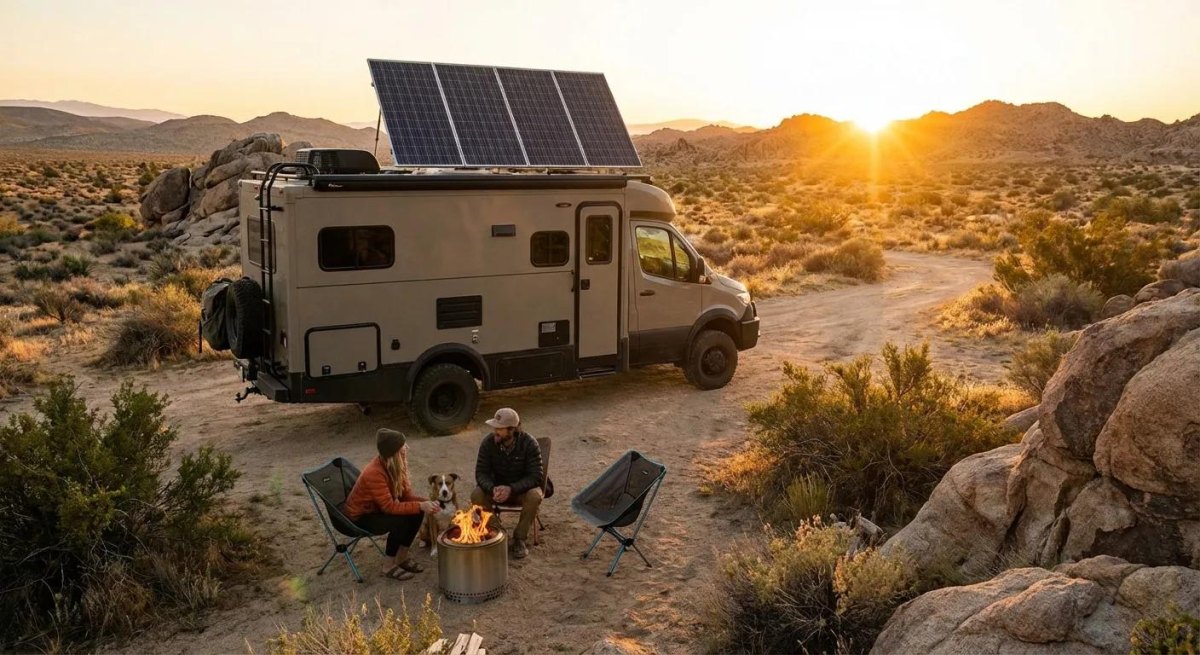
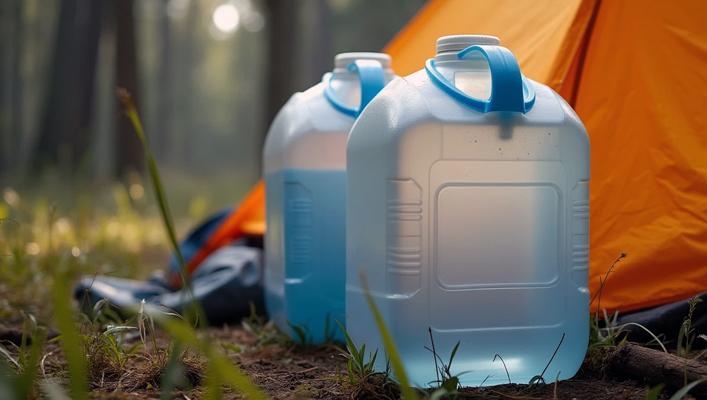
Boondocking turns the RV into a tiny self-contained home, which is why I consider it a powerful low-cost camping method. I plan water use, battery needs, and waste management before leaving a hookup site.
My flight-attendant brain loves systems, so I keep a simple checklist for power, water, and food before every off-grid stay.
Cook Your Own RV Meals
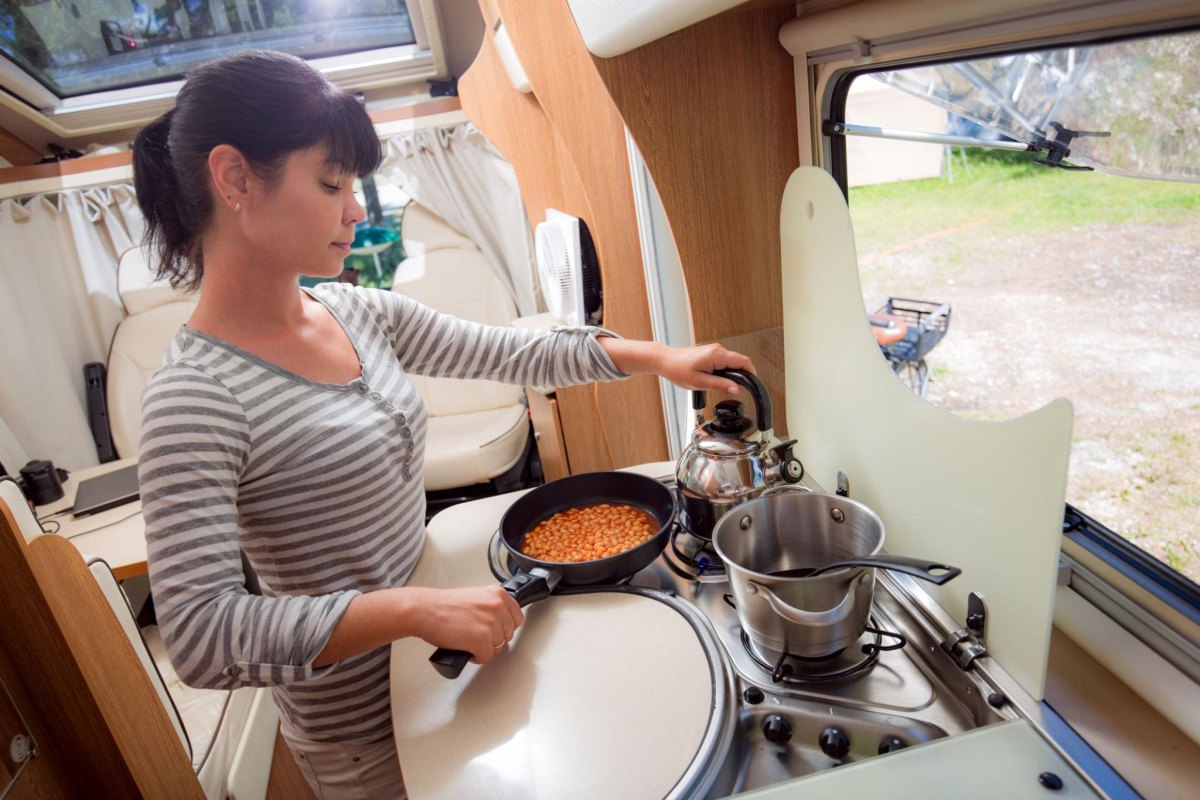
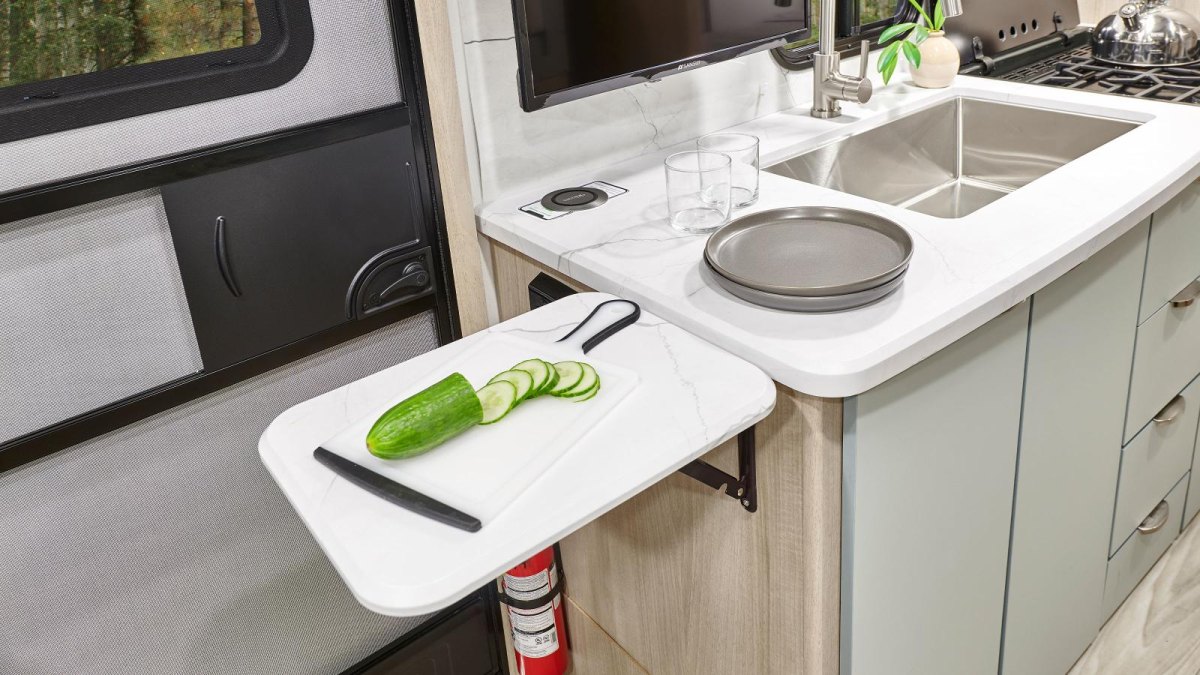
The fastest way I lower travel costs is by opening my own refrigerator. Restaurant meals are wonderful, but cooking simple dishes inside the RV keeps my daily food budget predictable.
I usually shop for versatile ingredients that can become several meals. My tiny kitchen has produced everything from pasta nights to questionable-but-edible experiments after long driving days.
Use Discount RV Camping Memberships
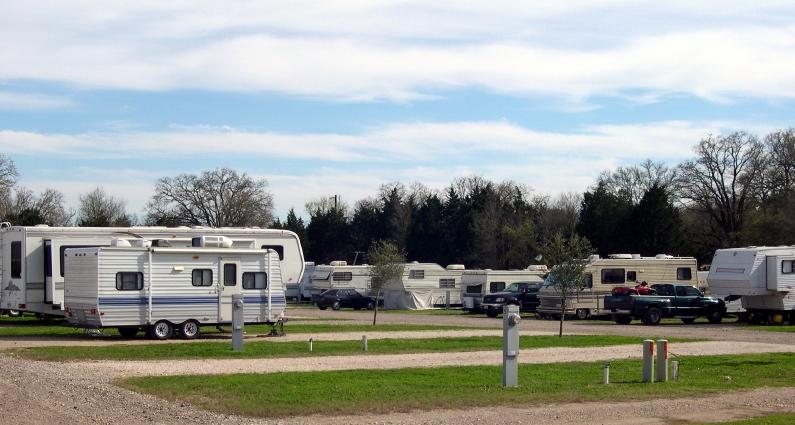
I compare membership costs against my planned nights before joining anything. Some programs can help frequent travelers reduce campground spending. For example, Passport America advertises discounts at participating campgrounds, while other memberships offer different networks and benefits.
The trick is matching the membership to my travel style rather than collecting cards like souvenirs.
| Option | Useful For |
|---|---|
| Discount clubs | Frequent campground stays |
| Host networks | Unique overnight stops |
Travel During the Off-Season
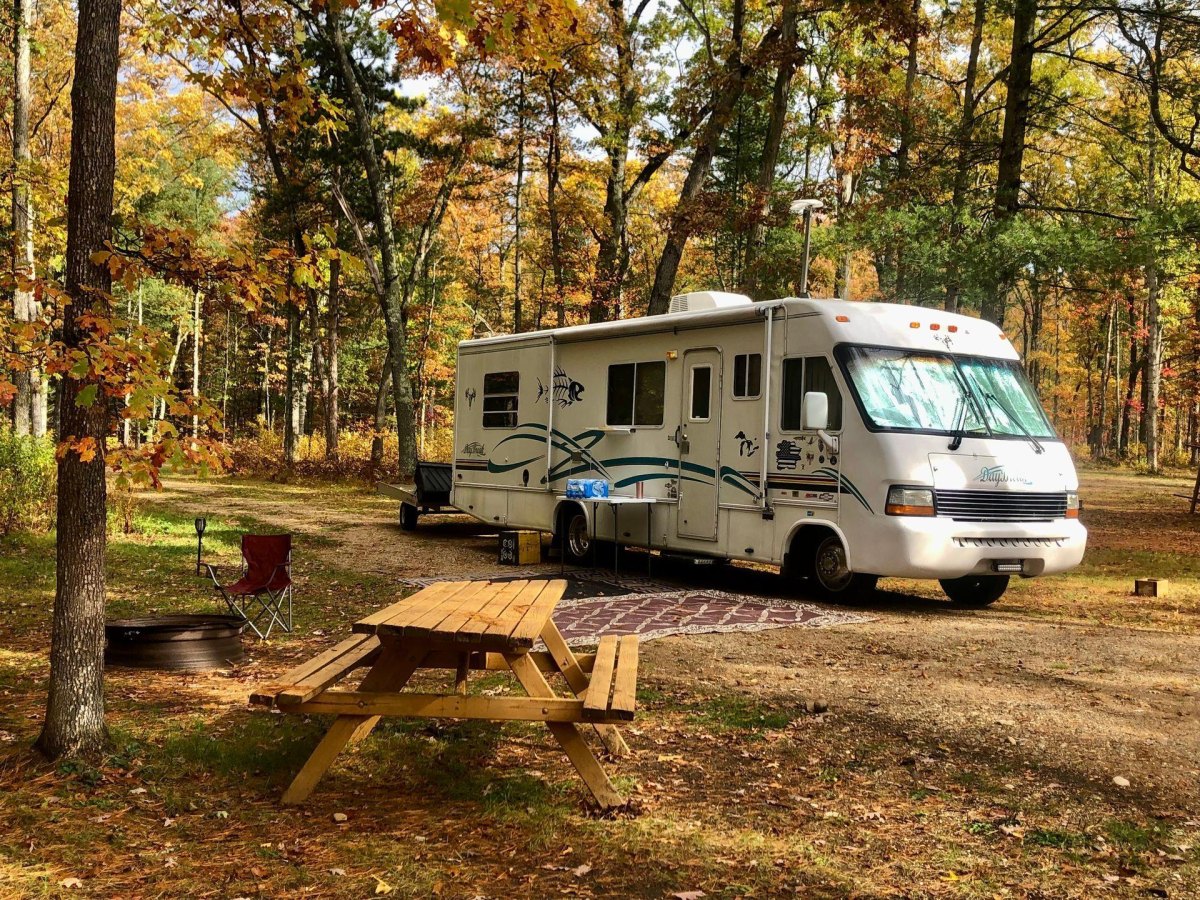
I love shoulder seasons because they often bring fewer crowds and lower prices. My notebook pages are always happier when I find a quiet campsite instead of a packed holiday weekend.
Traveling outside peak periods can help with cheaper RV adventures, but I always check weather, road conditions, and campground opening dates first.
Pros
- Lower demand
- Quieter destinations
Cons
- Some seasonal closures
- Changing weather
Reduce Fuel Costs with Smart Driving
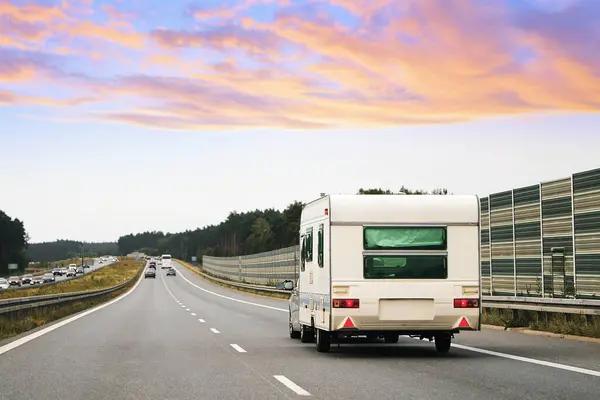
Fuel is usually the biggest moving expense, so I treat driving efficiency like a travel skill. Smooth acceleration, realistic speeds, and fewer unnecessary miles protect my RV fuel budget.
My old airline habit applies here too: preparation saves stress. I plan fuel stops instead of waiting until the dashboard light becomes my travel companion.
Common mistake
Driving far out of the way for a cheaper campground can cost more in fuel than it saves.
Find Affordable RV Campgrounds
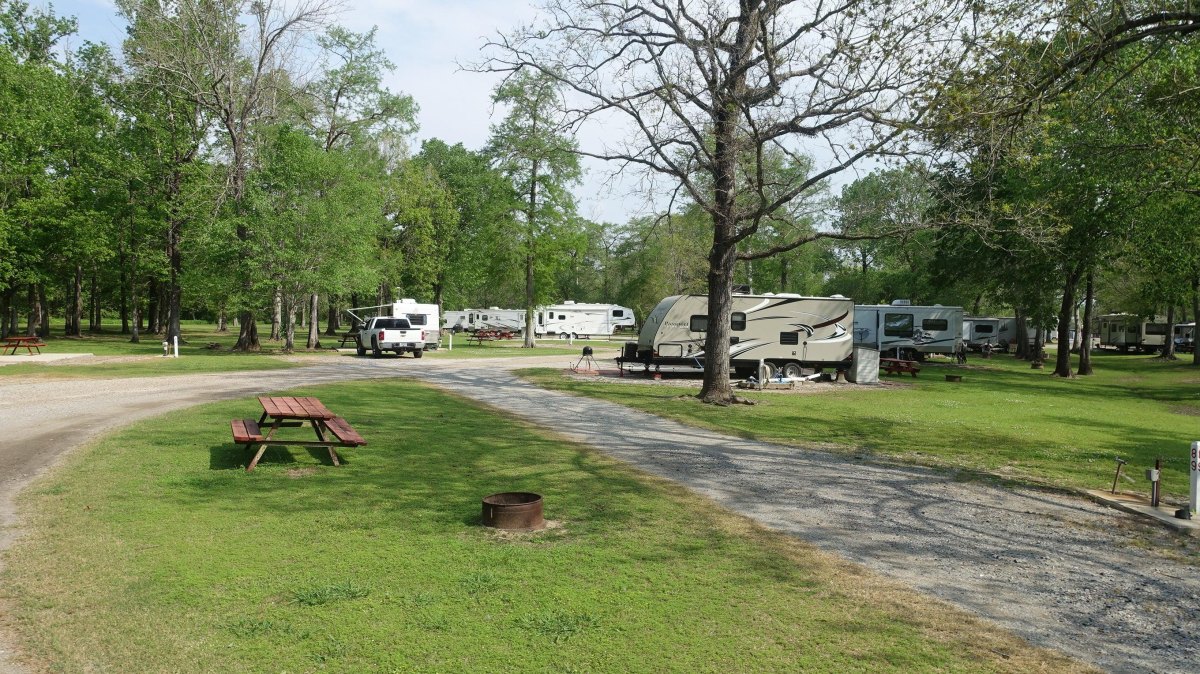
I compare campgrounds by total value, not just nightly price. A slightly higher fee with good facilities may beat a cheap site requiring extra driving for showers or supplies.
I look for affordable RV parks, public campgrounds, and simple overnight options that fit my route.
My campground checklist
- Location near planned activities
- Clear fee information
- Reviews from recent travelers
Maintain Your RV on a Budget

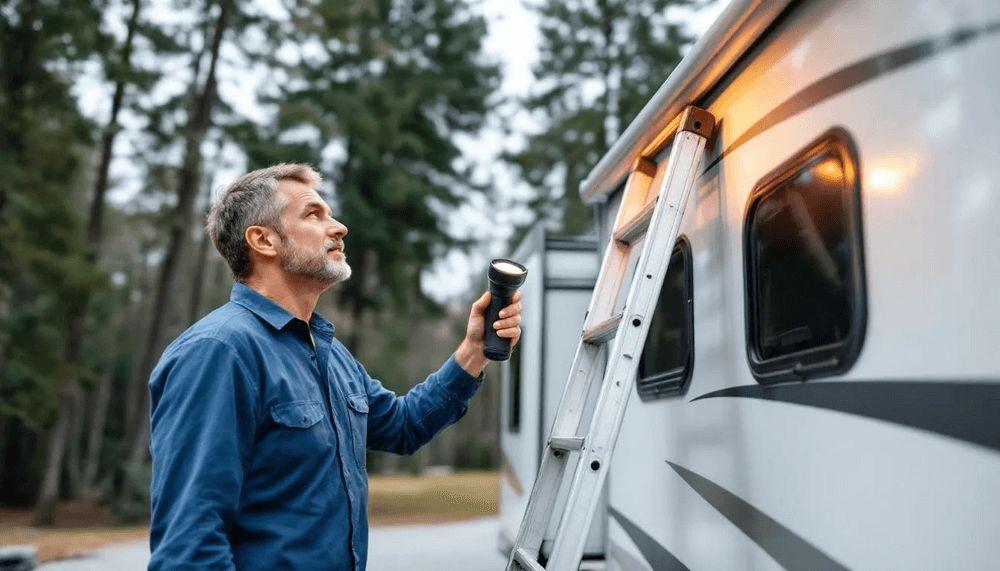
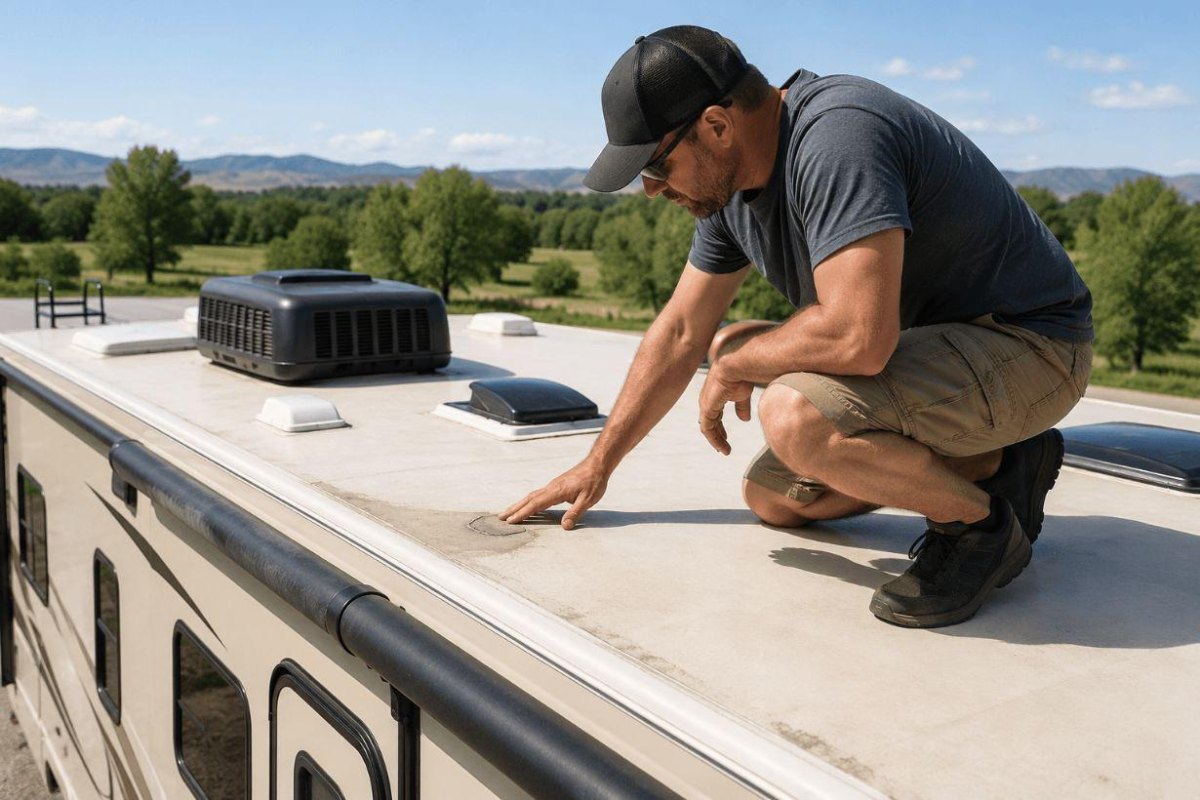
A small repair caught early is usually cheaper than a roadside disaster. I keep a maintenance notebook because forgotten details become expensive surprises.
Basic inspections help protect my RV travel investment, from tire checks to fluid monitoring and cleaning routines.
Travel with Minimal Gear

I spent years flying with one carry-on, so my RV packing style is naturally selective. More gear means more storage problems, more weight, and sometimes more maintenance.
I focus on essential RV equipment that earns its space every trip.
Earn Money While RV Traveling
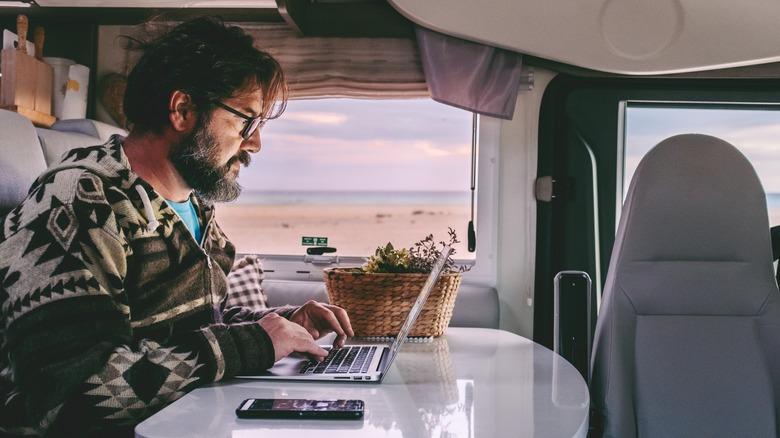
Some travelers combine RV trips with flexible work, seasonal jobs, or remote projects. I prefer realistic planning over the fantasy that every traveler can instantly work from a campsite.
A reliable connection, practical schedule, and honest budget matter more than the postcard view behind a laptop. Flexible income options can make longer trips possible for some RVers.
Remember
Always calculate the real costs of internet, insurance, equipment, and travel days.
Share Costs with RV Travel Groups
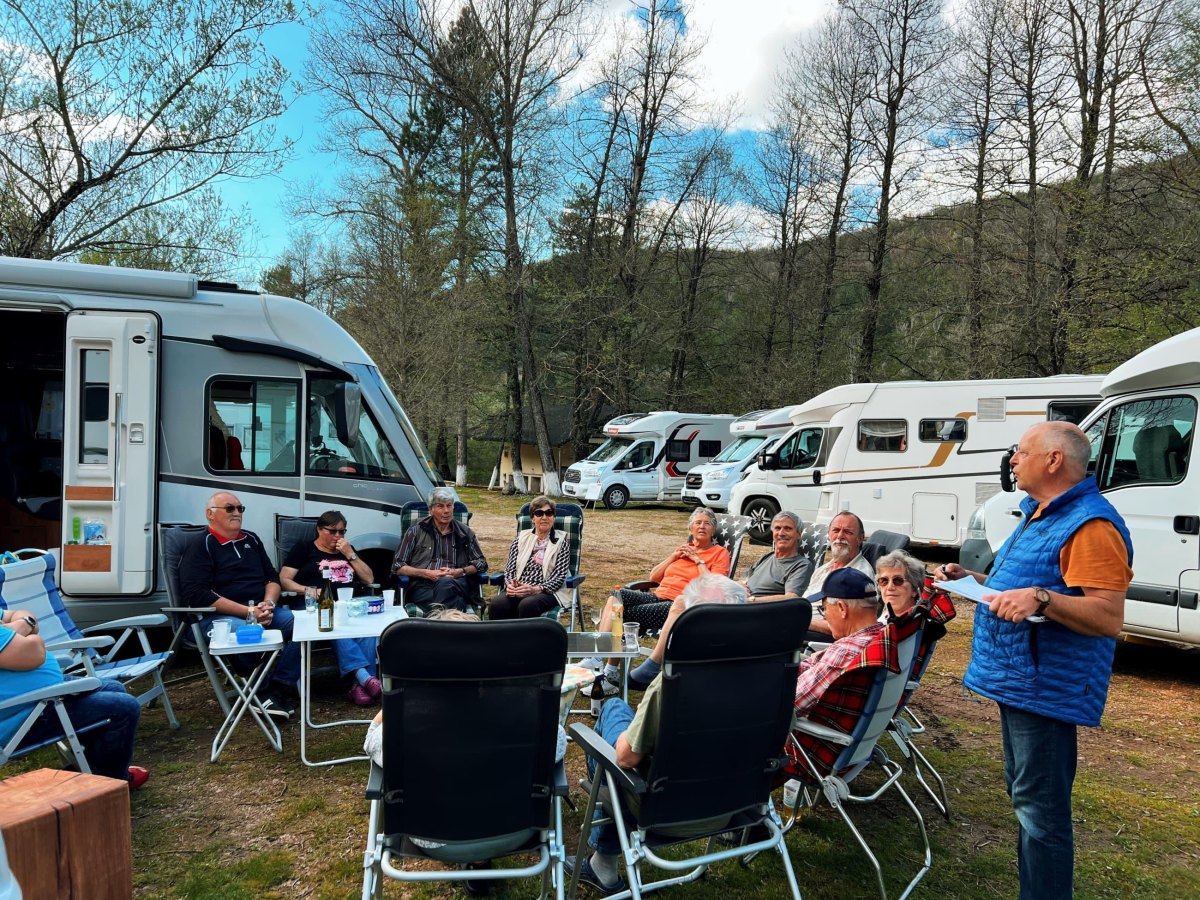
Traveling with others can reduce certain costs when everyone agrees on expectations. Splitting groceries, campsite fees, or shared activities can create cheaper group adventures.
I have learned that communication matters more than savings. The best travel companions are the ones who discuss money before the road begins.
My planning note
I write down shared expenses immediately because memory becomes suspiciously creative after a beautiful sunset.
More Pinterest Visuals