
Finding clean water on a trail is one of those backpacking skills that looks simple until you are standing beside a muddy creek with a heavy pack and a long day ahead. I have learned to treat water planning like I treated flight prep: a little boring before departure saves a lot of drama later. Safe trail hydration starts with choosing the right system and knowing its limits.
These notes come from the way I organize my own backcountry trips: check the source, filter carefully, carry a backup, and never assume sparkling water is automatically safe. Small habits keep a small problem from becoming the story you tell about the trip.
Choose the Right Water Filter for Your Backpacking Trip
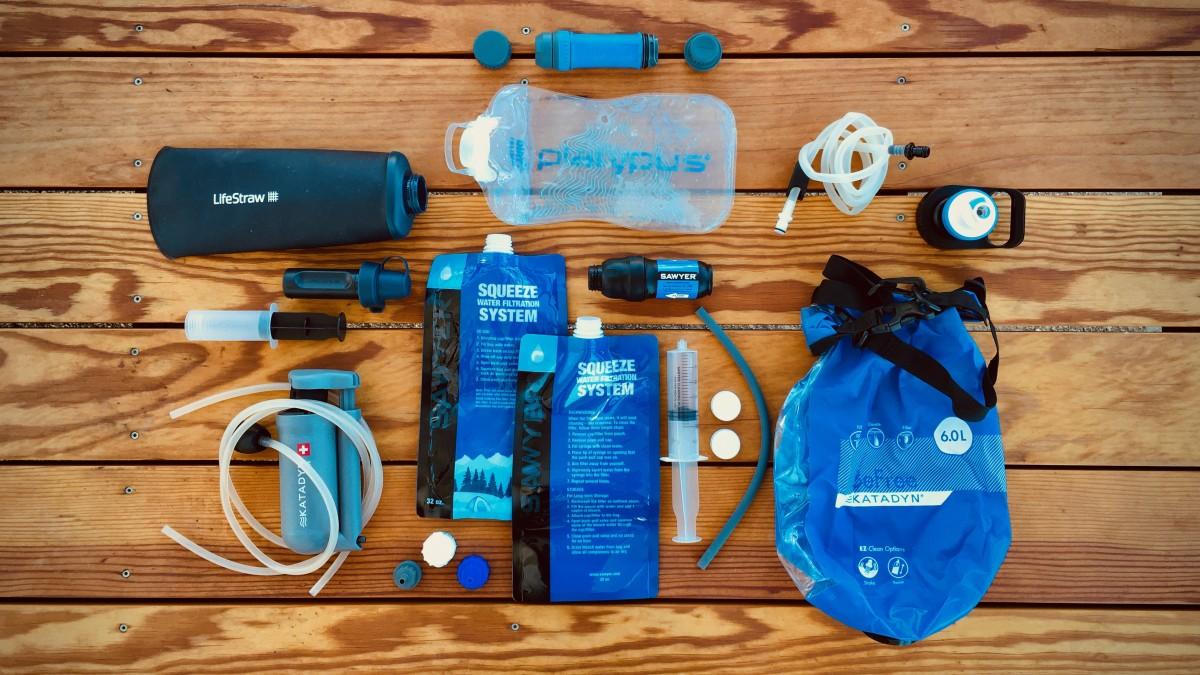
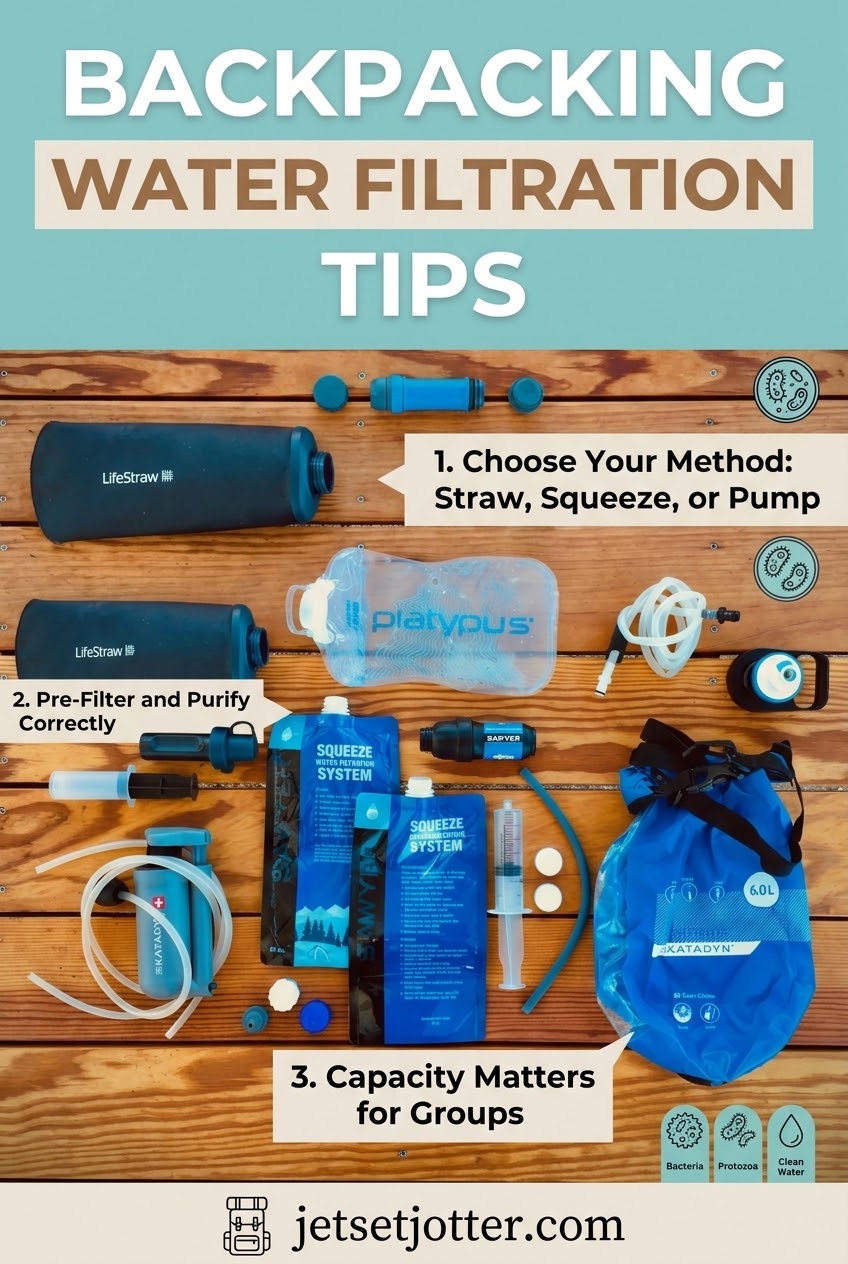
I think of a backpacking filter as a piece of safety equipment, not just another gadget clipped to my pack. My choice depends on trip length, group size, and water conditions. Filter style matters because squeeze filters, pumps, gravity systems, and purifiers each solve different trail problems.
| Filter type | Best use |
|---|---|
| Squeeze filter | Lightweight solo trips |
| Gravity filter | Camp water for groups |
| Pump filter | Precise collection from shallow sources |
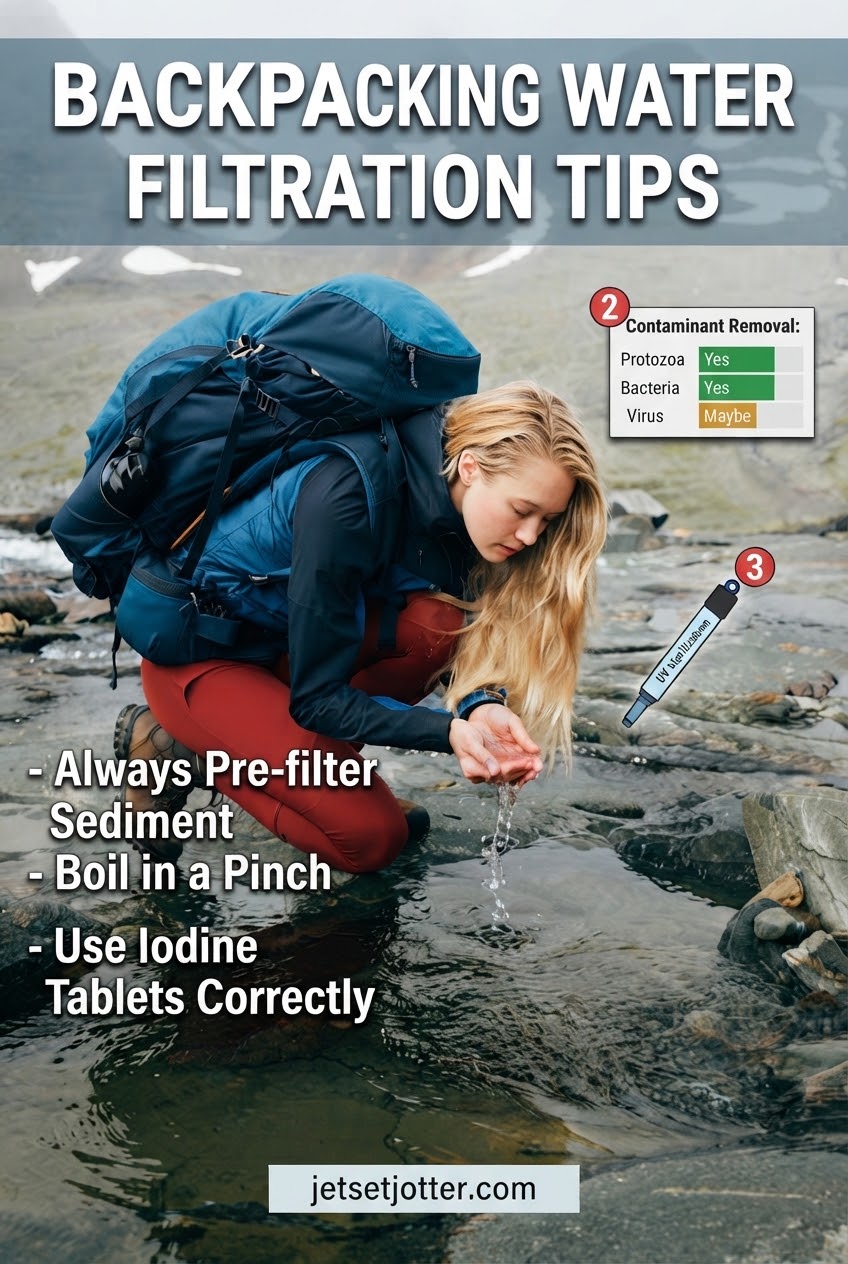
I always check the filter specifications before packing because many portable filters remove parasites but do not reliably remove viruses. Know your filter before trusting it in unfamiliar environments.
Filter Water From Reliable Sources
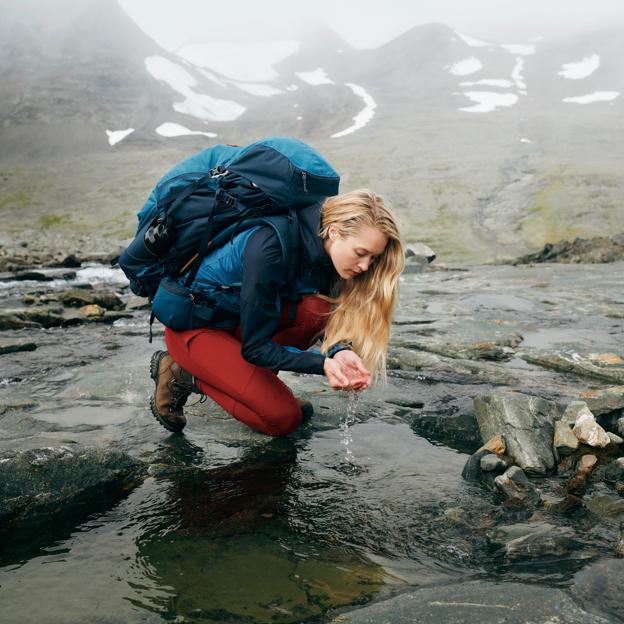
The prettiest stream is not automatically the safest stream. I have written this reminder in my notebooks more than once after seeing hikers fill bottles near campsites or animal areas. Better collection spots are usually moving water sources away from contamination risks.
The CDC recommends treating water when you are unsure of its safety because natural-looking water can still contain germs. Clear water can mislead, which is why I filter every backcountry source.
Pre-Filter Murky Water Before Purifying
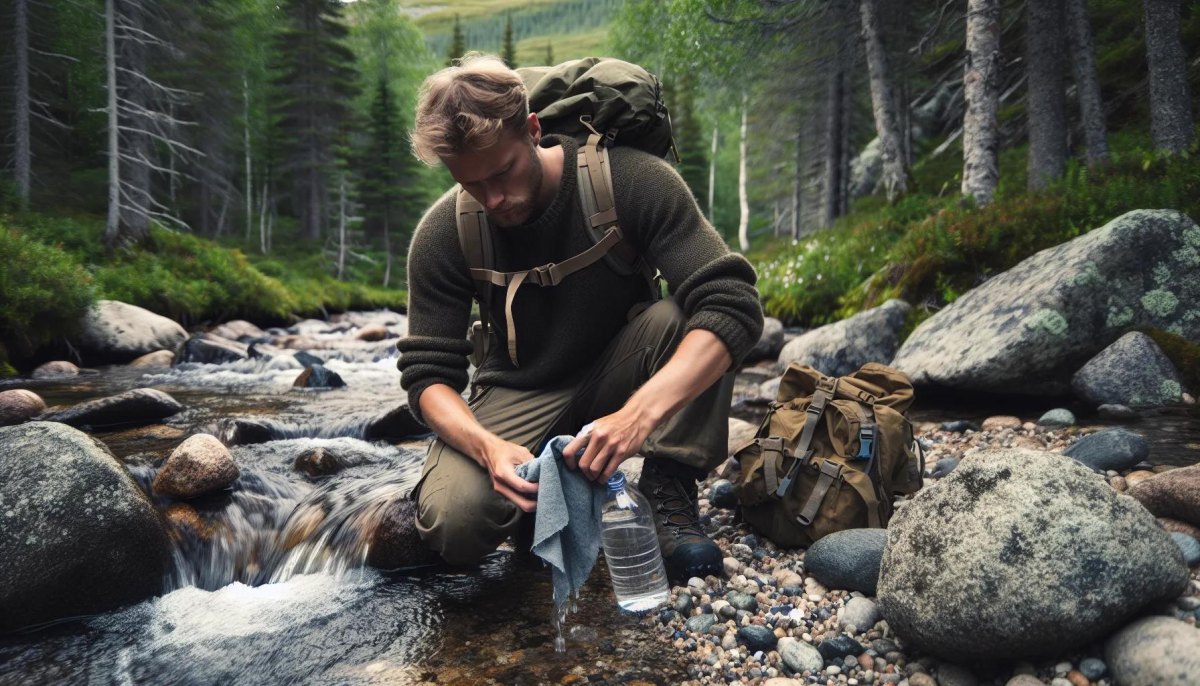
Muddy water is the trail equivalent of a delayed flight announcement: not necessarily a disaster, but definitely a sign to slow down. I remove visible sediment before filtering because dirty water can clog equipment and make the process frustrating. Pre-filtering helps when your source is cloudy.
Trail tip
Keep your clean water container separate from your dirty collection bottle to avoid accidental contamination.
Maintain and Clean Your Filter Regularly
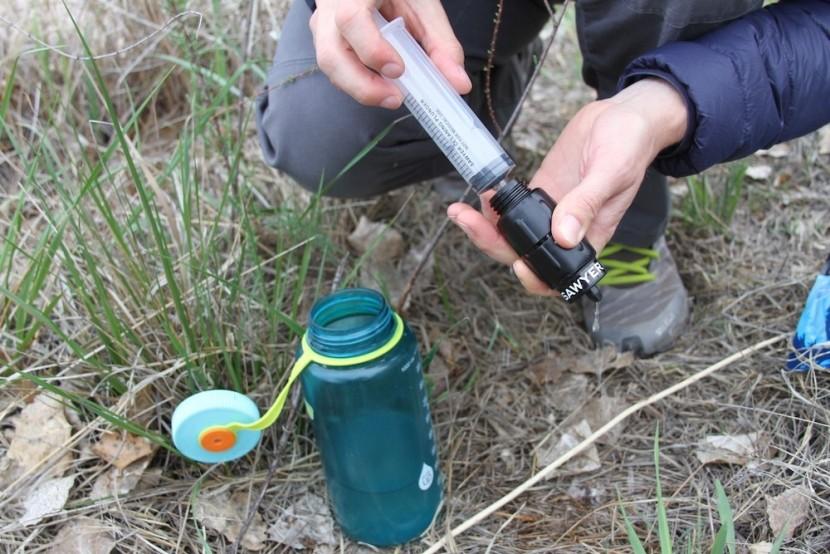
A slow filter has ruined more peaceful creek breaks than I can count. I treat maintenance like my old flight checklists: quick, routine, and much easier before something fails. Regular filter care protects performance and extends useful life.
I never force a maintenance shortcut because a damaged filter can give false confidence. Instructions win over random trail hacks every time.
Carry Backup Water Treatment Options
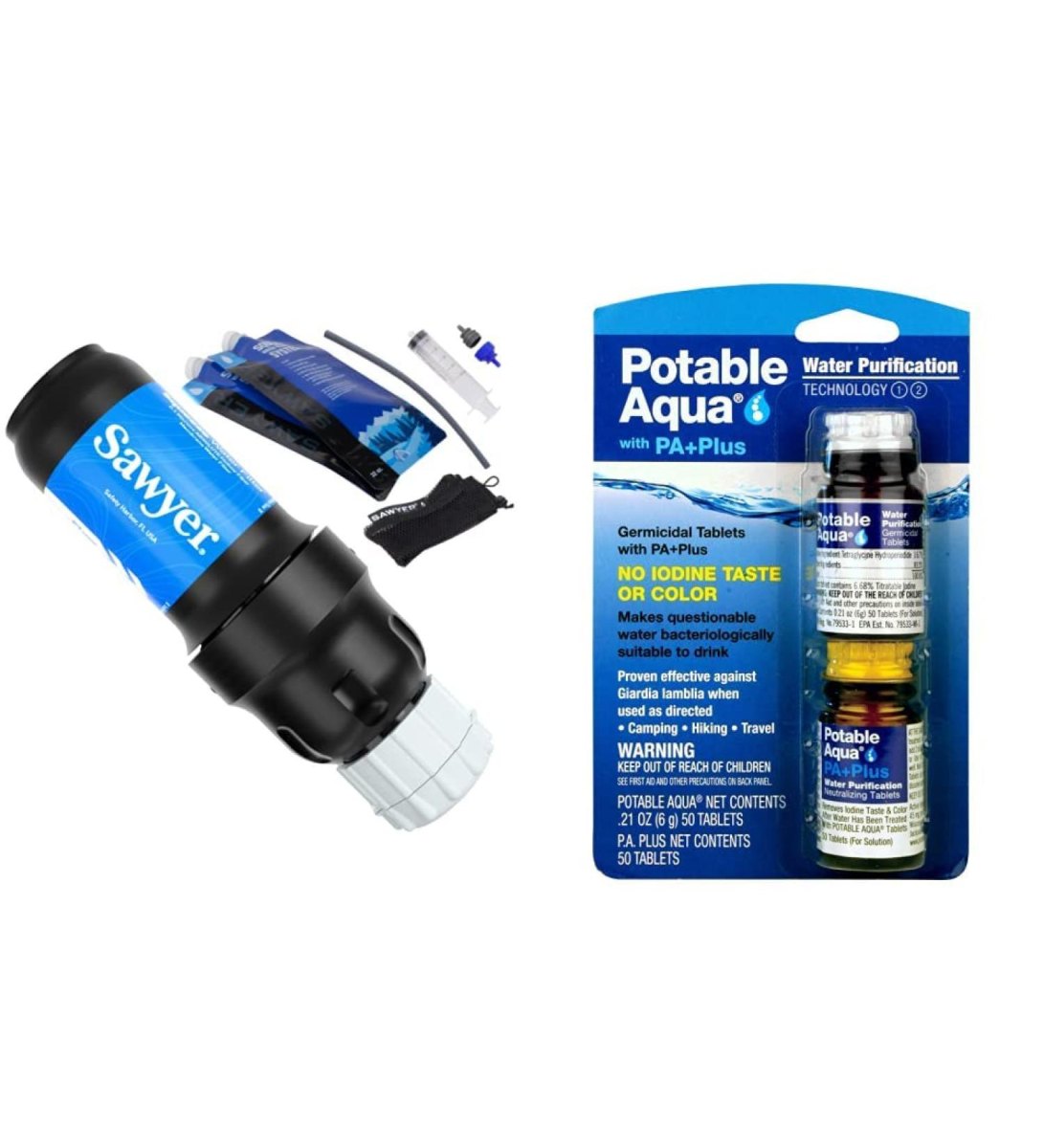
My pack always has a backup water treatment option because wilderness plans change. A dry spring, a broken filter, or an unexpectedly long day can turn a small extra item into the most useful thing I carry. Backup treatment matters when the route does not cooperate.
Benefits
- Lightweight emergency option
- Useful if equipment fails
Limitations
- Requires correct waiting times
- May not address every contaminant
I usually carry tablets or another backup method suited to the destination. Redundancy is smart when your next refill point is hours away.
Store and Transport Filtered Water Safely
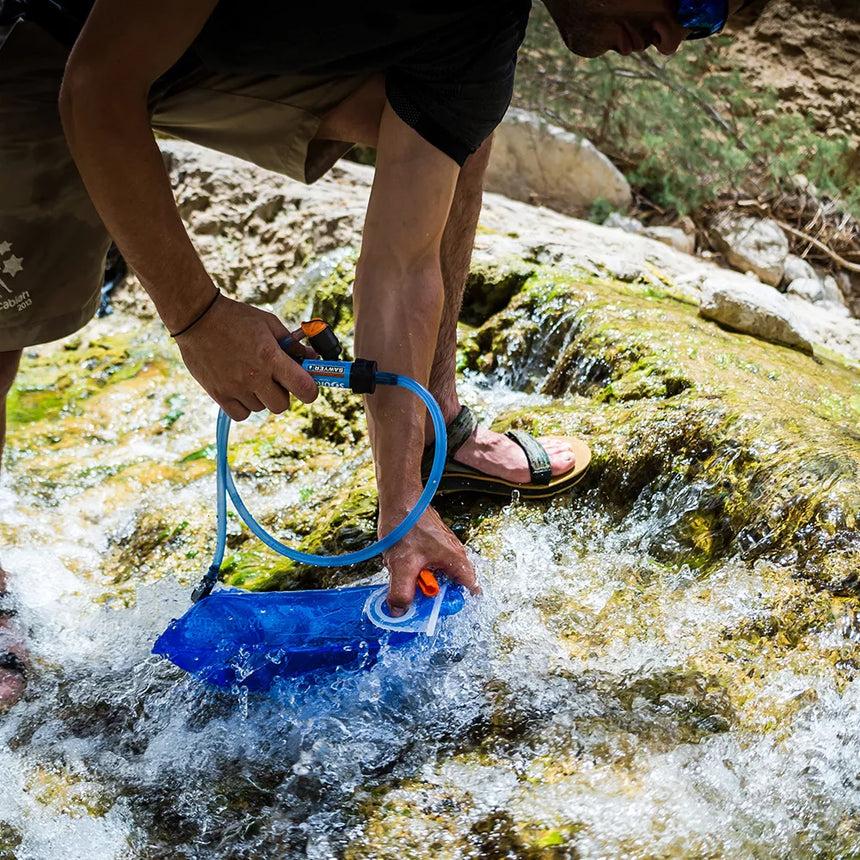
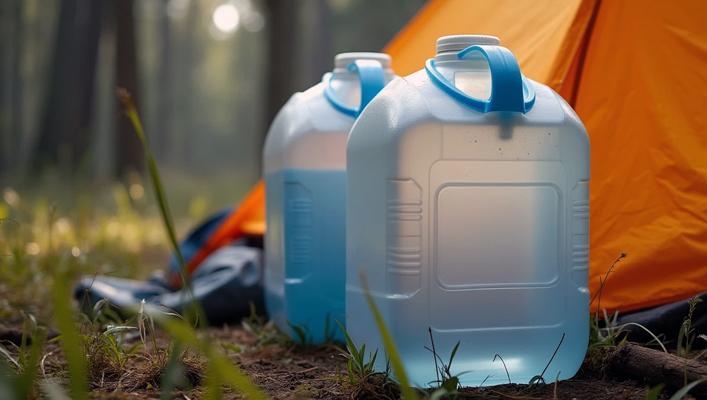
Filtering water correctly is only half the job. I have seen clean bottles become questionable because dirty hands, caps, or containers quietly undo the work. Clean storage habits keep filtered water safe after treatment.
My old flight-attendant brain loves systems, and this is one of my favorites: dirty side, clean side, no confusion. Simple separation prevents avoidable mistakes.
Plan Water Stops Before Hitting the Trail
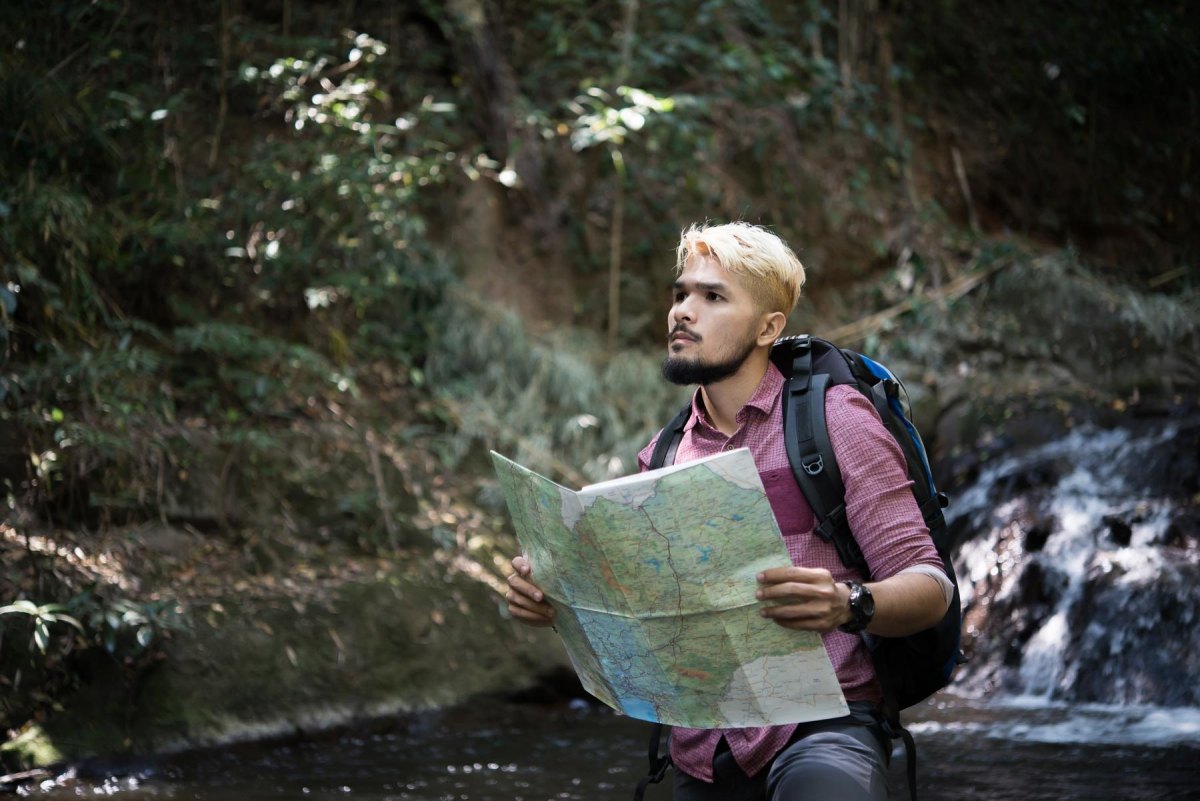
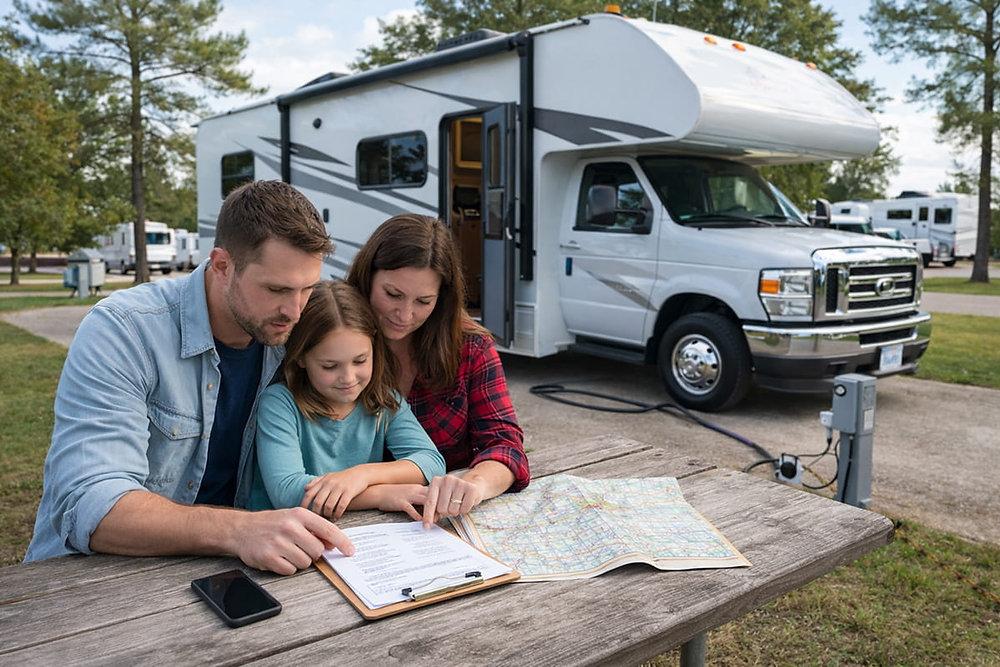
I plan water stops the same way I planned international layovers: know the options before you need them. A map line that says "water" is not enough; seasonal conditions can change what you actually find. Route planning matters for safe hydration.
Important note
Water availability can change with seasons, weather, and local conditions, so verify current trail information before departure.
The best backpacking days are rarely the ones where everything goes perfectly. They are the ones where I handled the little details before they became big problems. Prepared hikers get more time to enjoy the view.
More Pinterest Visuals